




Agency
Inside Nonsensical’s TikTok Sauce Event: BBC, British Vogue, and Channel 4 Debate the Future of Brand Discovery

Nonsensical hosted its TikTok Sauce event in London on March 4, bringing together social media leaders from organizations including the BBC, Channel 4, British Vogue, and Wimbledon for a full-day conference to discuss one question dominating brand marketing conversations: how to build sustainable visibility on TikTok.
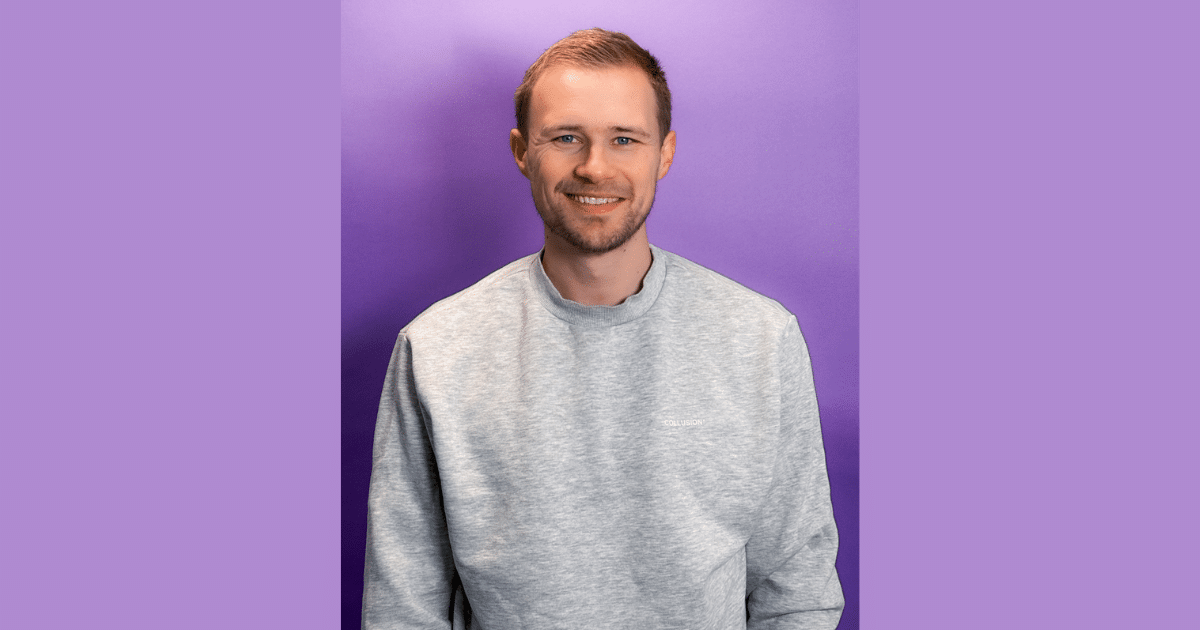
For Oli Hills, CEO of Nonsensical, the sold-out room signaled something larger than event demand. It reflected a growing urgency among brands to understand how TikTok actually works.
“There’s a surge of interest in TikTok,” Oli says. “But it’s always the way. Everyone says, ‘I want to do that,’ but they never commit the right resource, time, or team to do it.”
Founded in 2017 and based in Birmingham, Nonsensical is a TikTok-focused agency that helps brands develop organic content strategies, creator campaigns, and TikTok Shop operations. Over the past year, the agency reports delivering hundreds of millions of video views and measurable advertising ROI for brand clients.
The TikTok Sauce conference is part of the company’s broader mission to help marketers understand the mechanics behind discovery-driven social platforms rather than treating them as unpredictable viral engines.
Why Nonsensical Built TikTok Sauce
TikTok Sauce serves as the brand name for Nonsensical’s educational events focused on social media strategy. After hosting an earlier session in Manchester, the company expanded the London version into a full-day conference featuring panel discussions, speaker presentations, and networking sessions.
Unlike many industry events centered on paid media, Nonsensical intentionally structured TikTok Sauce around organic growth.
“Most events you go to are about paid,” Oli explains. “If you go to an event on TikTok, everything is geared toward increasing your media spend. Ours was focused purely on organic TikTok.”
The agenda brought together practitioners from major media organizations and publishers who are actively experimenting with TikTok formats. Panelists included Andre Sousa from the BBC, Daniel Preston from Channel 4, and Oscar Pilgrim from the “High Performance” podcast.
Individual speaker sessions featured Georgia Shepheard of British Vogue, William Giles from Wimbledon, Ibrahim Akkas from the University of Oxford, and Hannah Blake, managing director and co-founder of fashion publisher Eliza.
The goal was to show how brands and media companies are adapting editorial thinking to the platform’s algorithm-driven distribution model.
“We brought together brands doing really cool things on the platform and asked them to explain how they’re navigating TikTok both externally with content production and internally with difficult sign-off processes,” Oli says.
The Shift Toward ‘Social Shows’
One of the conference’s central themes was a shift away from chasing viral moments toward building repeatable content formats.
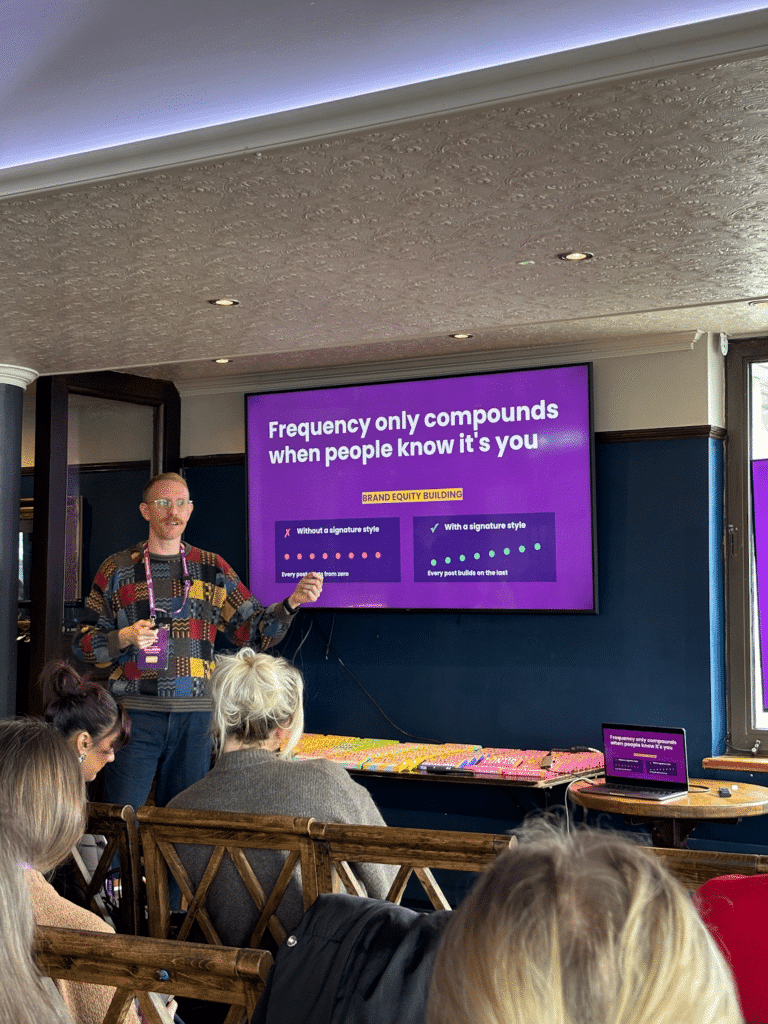
Oli describes this as treating TikTok accounts more like television programming. “Sam [co-founder of Nonsensical] talked about creating a style of content that you become known for, almost like a TV show,” he says. “Then, you get a high return viewer rate because people buy into the characters and the format.”

Sam Gilles
Several speakers shared examples of this “social show” approach in action.
Eliza, a fashion publisher, has built a recognizable TikTok series by interviewing people on the street and asking viewers to guess whether their outfits are expensive designer items or lower-cost alternatives.
Meanwhile, Wimbledon runs a recurring TikTok format titled “Overheard at Wimbledon,” capturing candid moments and conversations during the tennis tournament.
In Oli’s view, these repeatable content formats help audiences recognize brands instantly in their feeds, which he considers a critical factor in TikTok’s recommendation system.
“If you’re scrolling for 90 minutes a day and seeing hundreds of videos, it becomes really important that within a millisecond you know it’s my brand,” he explains.
Why Viral Moments Don’t Build Brands
According to Oli, many companies still misunderstand TikTok’s role in marketing strategy.
The biggest mistake he sees brands make is equating viral success with long-term brand impact. “A viral hit might get 20 million views, but that could be the first time people have ever seen your brand,” he says. “It’s still just one touch point.”
Marketing research typically suggests that audiences need 7 to 10 exposures to a brand before engaging with it. Oli notes that a one-off viral video rarely delivers that repetition. In contrast, consistent content formats create returning viewers who repeatedly encounter the brand.
“If you have a series with a 70% returning viewer rate and 100,000 views per episode, that means 70,000 people see your brand every week,” he explains. “After ten pieces of content, they’ve seen your brand ten times.”
To illustrate the difference, Oli categorizes brand behavior on TikTok into three strategic models.
The first is the “show” model, where brands build recurring episodic formats. The second is the “channel” model, which maintains consistent themes and characters across content.
The third, and most common, is what Oli calls the “shuffle” model. “These brands jump from trend to trend,” he says. “One day it’s a meme, the next day it’s a campaign, then it’s a piece of user-generated content. It’s just a hodgepodge.”
The result is a feed where viewers cannot easily recognize the brand behind the content. “If one video appeared in your feed and the next video appeared later, you’d never know it was the same brand,” Oli adds.

Chloe Belchamber
Inside the Event Audience
TikTok Sauce primarily attracted heads of social media and social media managers responsible for brand channels.
But the conversations revealed a broader organizational challenge. “The big feedback was, ‘I wish my CEO were here. I wish my CMO were here,’” Oli reports.
He reveals that many social media teams already understand the platform’s dynamics but struggle to secure internal alignment.
At organizations such as Wimbledon and British Vogue, teams can publish 15 to 30 TikTok videos per day during major events.
Oli believes that level of output requires streamlined decision-making and significant trust from leadership. “You can’t have arduous sign-off processes if you’re producing that much content,” he notes.
TikTok Shop and the Rise of Discovery Commerce
While the London event focused on organic content, discussions inevitably turned toward TikTok Shop and the platform’s growing role in e-commerce.
Oli sees discovery-driven commerce as one of the most significant structural changes in digital marketing. “This is the first time content and commerce have mixed in the same place,” he says.
Unlike traditional marketplaces such as Amazon, TikTok Shop requires a coordinated effort across multiple business functions: product development, affiliate partnerships, creative production, and live commerce.
Brands must also move faster. “If you see a trend, you need the ability to develop products rapidly and execute on TikTok Shop,” Oli explains.
According to him, many established companies struggle to keep up with the required pace. Large organizations often operate on three-month product development cycles or longer, making it difficult to capitalize on emerging trends.
“TikTok Shop needs you to be rapid,” Oli says.
The Organizational Challenge for Brands
Despite these challenges, Oli believes the industry is gradually adapting.
In many companies, teams are pushing internally to embrace discovery-driven commerce and creator-led marketing. “The desire is there,” he says. “But there are legacy systems, contracts with retailers, and procurement processes that slow things down.”
Implementing TikTok Shop often requires cross-department collaboration, something many organizations are not yet structured to support. “It’s not just a case of launching TikTok Shop,” Oli explains. “You need product strategy, affiliate programs, live shopping, and paid amplification. There are many teams involved.”
Still, he believes the opportunity remains wide open. “I don’t think it’s too late,” Oli says. “The platform is only getting better, and TikTok is investing a lot to make it a safe space for established brands to operate.”
A Message for Marketers
For Oli, the most important takeaway from TikTok Sauce is not a specific tactic or growth hack.
It is confidence.
Many social media teams already understand the platform’s mechanics, but face internal skepticism from executives unfamiliar with TikTok culture.
Oli encourages marketers to trust their expertise. “Marketers are the experts when it comes to social media and creative,” he says. “They understand how these platforms work.”
That expertise, he argues, should be recognized within organizations.
“I don’t sign off contracts, so why are you signing off on my content?” Oli says. “Back yourself. You know what you’re doing.”