



Agency
Meet the Couple Behind FARQ, the Talent Agency Pushing for a New Standard in Creator Representation

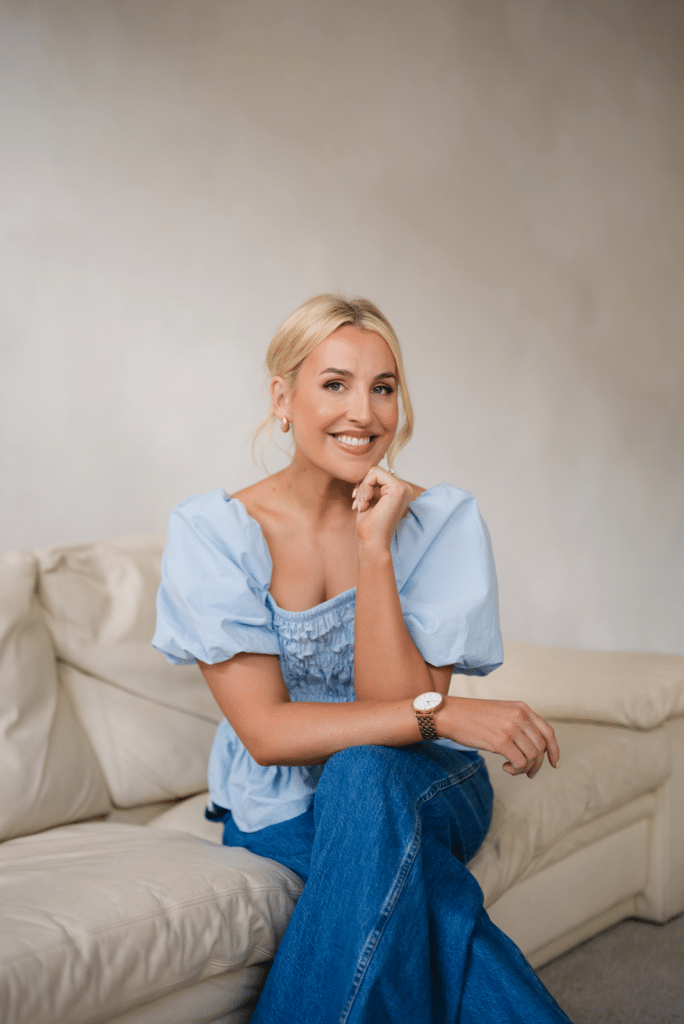
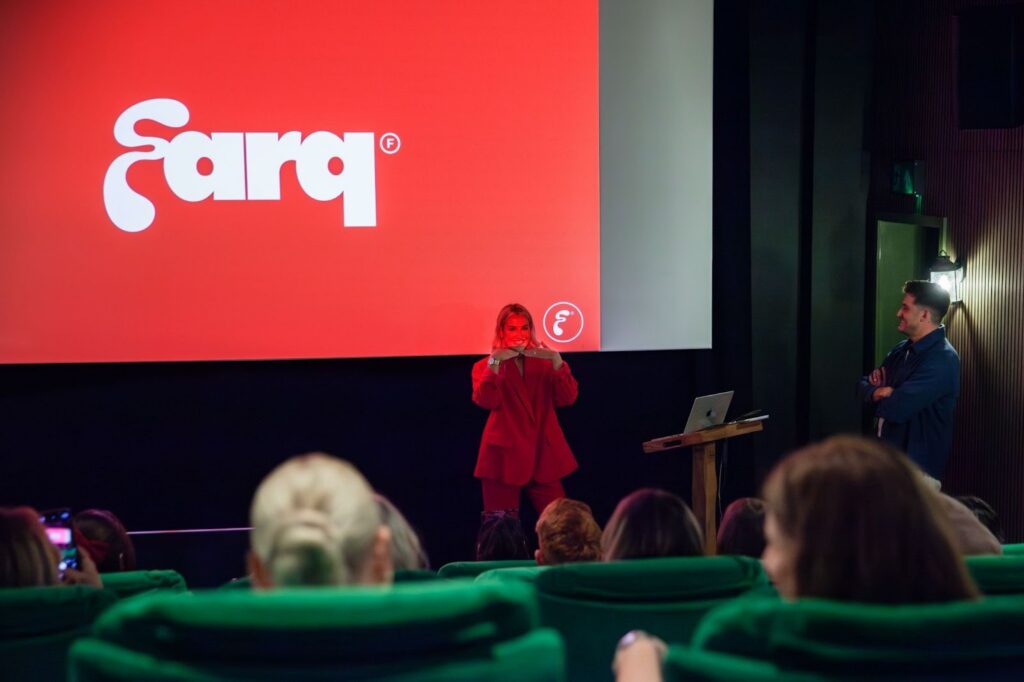
As CEO and founder of FARQ, Georgia Farquharson has built a boutique talent agency around what she calls three non-negotiables: community, support, and education. Alongside her husband and Growth & Strategy Director, Joseph Gillam, she is expanding that vision beyond representation into software and production, quietly constructing a creator-first ecosystem that spans the United States, United Kingdom, and now Australia.
Founded in 2021, FARQ represents over 50 creators and reports securing more than $10 million in brand deals across the U.S. and the UK. What differentiates the agency, according to Georgia and Joseph, is not deal volume but how those deals are structured, communicated, and supported.
“FARQ doesn’t just chase deals,” says Joseph. “We build community and friendship. We always support and cheerlead. We obsess over creator education.”
For Georgia, the agency’s purpose is more personal. “I realised that if I was a talent, there wasn’t an agency that provided what I would need,” she says. “From an outsider looking in, the influencer world was incredibly lonely and isolating.”
From Newsroom to Negotiation Table
Before founding FARQ, Georgia spent years as a showbiz journalist.
“It massively shaped my entire business model and provided a great foundation for what good talent management looks like,” she says. “Perhaps more important than financial and commercial support, I saw first-hand the importance of those in the spotlight having someone to protect and advocate for them.”
Her thesis is that talent management should be long-term and protective rather than transactional. “We’re not looking for 15 minutes of fame,” she explains. “We’re looking at diversifying revenue streams, moving with the times and not getting left behind.”
That perspective is increasingly relevant in the Creator Economy. “It’s never been easier to become a ‘creator,’ but never been harder to turn this into a business,” she says.
The FARQ Model: Community, Support, Education
FARQ’s operating principles are simple and consistently repeated: “Community, support, and education,” Georgia emphasizes. “Everything we do is guided by these three core values.”
In practice, she explains, that means limiting roster size, maintaining low talent-to-manager ratios, and focusing on long-term career architecture rather than one-off brand activations.
“We have always had a waiting list of upwards of 90+ creators wanting to join FARQ at any given time, but we only grow when we have the capacity to do so,” she says. “I don’t want to jeopardize the experience of the talent we already manage by getting greedy.”
The agency’s philosophy directly addresses what Georgia sees as structural weaknesses in the industry. “I speak to on average 10 creators a month that have had terrible [and I mean, really terrible] experiences of management and exploitation,” she says. “It makes me realise just how important agencies like FARQ are, in terms of raising the standard for Talent Management across the board.”
Joseph, whose background includes transformation consulting at McKinsey and senior commercial roles in automotive and gaming, brings operational discipline to the model. As head of growth, he focuses on scalability without compromising the boutique ethos.
Why Australia and Why Now?
In October 2025, FARQ officially expanded into Australia, signaling its first major move beyond its UK and U.S. base.
The decision, Georgia explains, was rooted in pay equity. “On average, U.S. creators are earning significantly more than their Australian counterparts. The UK sits somewhere in between.”
Georgia cites research showing that Australian agencies commonly take a 35% commission. FARQ entered the market with its standard 20% commission model. “Creators are [or were] being incredibly underpaid in comparison to both the UK and the U.S. market,” she says. “We saw a huge opportunity here to be part of an important shift.”
The agency’s early traction in the region includes signing Julian Caillon, a Sydney-born professional dancer, joining the BBC’s “Strictly Come Dancing” lineup. His cross-market presence aligns with FARQ’s dual strategy: expand geographically while moving into entertainment categories beyond digital-first influencers.
The expansion fits a broader systems strategy. FARQ’s infrastructure now spans three interconnected entities: the agency, We are knox (a management software platform), and What the FARQ Productions (a podcast production company).
Long-Term Partnerships Return
Georgia says 2026 feels different from previous years. “Q1’s normally really quiet for us. It’s just typically for everyone,” she says. “But this year has been really busy.”
She attributes that shift to brands moving back toward longer-term commitments. “Lots of brands are looking to do long-term partnerships and ambassadorships again,” she says. “I think long-term partnerships are the future.”
After a period she describes as a “scarcity mindset” among brands, she now sees greater willingness to commit. “They know that the creator is not going anywhere. So they’re like, ‘Okay, actually I need to kind of lock this person in.’”
That trend aligns with broader shifts in marketing. Earlier this year, Unilever announced it would allocate 50% of its marketing budget to influencer activity. The signal is clear: creator marketing is no longer experimental.
“It absolutely underpins marketing and purchasing culture in 2026,” Georgia says. “I think we went through a phase of influencers becoming ‘online catalogues,’ and I think consumers got wise to that pretty quick.”
Her view of sustainability centers on community depth rather than brand volume. “That is true influence vs. being an influencer.”
What Modern Talent Agencies Must Become
Georgia believes representation in 2026 must go beyond commercial brokerage.
“A safe, collaborative and supportive environment for talent to thrive,” she says, describing what modern agencies need to provide.
Creators, she argues, need more than negotiation support. “Trust, guidance, support, and mentorship. The commercial side of things will follow if all of these things are in place.”
She is particularly critical of overloaded rosters. “Over-filling a talent manager’s roster. Without capacity, it is impossible for talent to get the attention they deserve.”
On the brand side, misconceptions persist. “That being an influencer is an ‘easy’ job and payment in ‘gifted’ items should suffice,” she says. “There’s still a lot of snobbery around this, and it needs to be unlearned.”
The North Star
As FARQ establishes itself in Australia, Georgia defines short-term success in operational terms rather than headlines.
“A small but mighty roster of creators that are earning what they should be [pay gap], if not more, and feel well-supported and looked after,” she says.
Long-term, the ambition is less about a global footprint and more about systemic pressure. “We won’t be the right agency for everyone, and even if we wanted to, we can’t manage everyone; we just want to put pressure on other agencies to be better and do better with us.”
At the center of the model is a belief that collaboration beats competition.
“As a human, I am hard-wired to believe there’s enough success to go around,” Georgia says. “Why couldn’t the talent world be the same?”
Subscribe to Our Newsletter
Check Out Our Podcast