





Influencer
How A Stand-Up Comedian Used AI Weekly Practice To Create Viral Hit ‘BBL Drizzy’

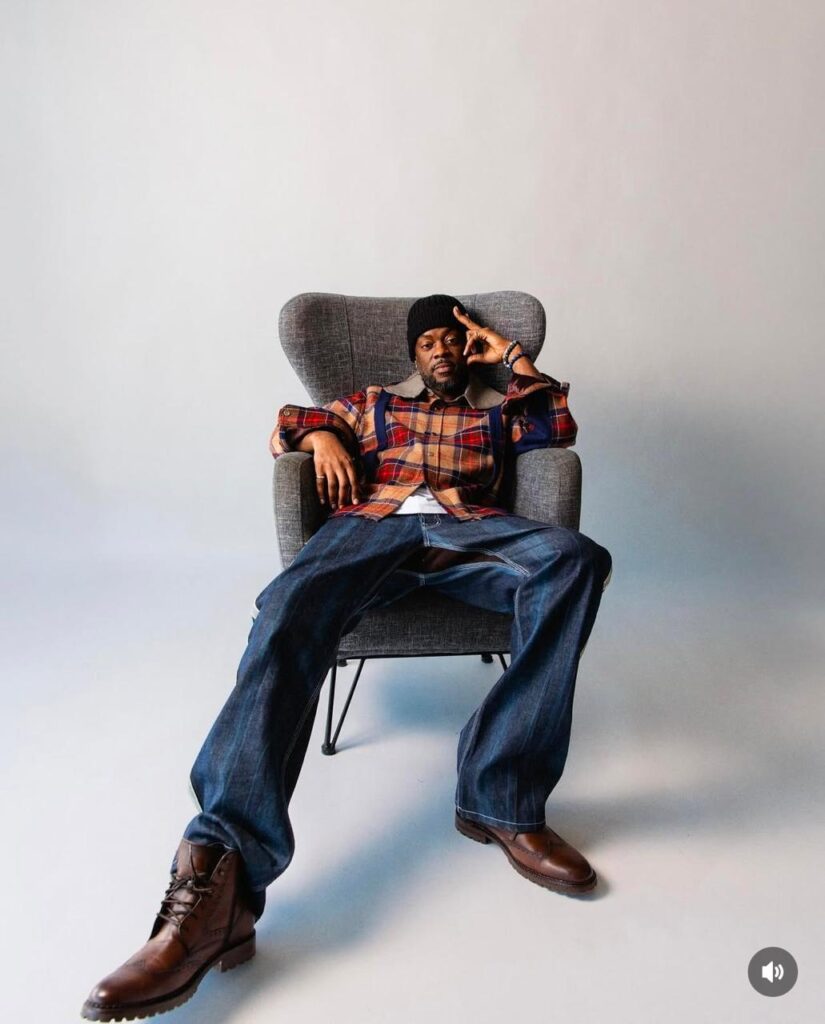
While many creators were still debating whether to experiment with AI, King Willonius had already created and released “BBL Drizzy“—an AI-powered track that gained popularity during the Drake-Kendrick Lamar beef, landed him in Time Magazine, and connected him with prominent figures like Will Smith.
King’s AI work began in late 2022 with Clubhouse discussions about the newly released ChatGPT. “I would spend all day, at the very least, at least eight hours a day on Clubhouse while my browsers were open, trying to use ChatGPT, learning how to prompt, learning all the best practices, and then also just trying to push it to its limits,” he recalls.
When the 2023 writers’ strike hit—an industry protest partly against AI’s encroachment—it became the surprising catalyst that pushed King fully into AI creation. “I don’t think I would be doing AI the way I’m doing it now had the writer strike not happened, because it freed up my time,” King says. “I was just like, ‘I don’t know what else to do besides make AI things.’”
While established in comedy and audio storytelling with “18 original audio dramas” on Clubhouse, including “Throw Baby the Musical,” King found his traditional industry paths suddenly blocked—and a new one opening.
From there, his toolkit expanded methodically: “For images, MidJourney. For video, I’m using pretty much all the tools—Runway, VO2, Luma, Dream Machine, Sora, Cling. For music, I use Yuio.” Rather than dabbling superficially, King approached these tools with the dedication of a musician mastering instruments, building technical proficiency that would eventually enable his breakthrough.
The Consistency Advantage in Emerging Technologies
After an experience at “Burning Man”—a week-long desert event focused on community, art, self-expression, and self-reliance—during what he calls the “mud apocalypse,” he made a decision that exemplifies his self-described identity as a “curious doer.”
“I’m very curious, and I think sometimes when people don’t want people to be curious, they’re like, ‘curiosity killed the cat,’” King says. “And I’m like, ‘Well, I’m not a cat, so I’m super curious.’” This curiosity drives exploration, but the “doer” part ensures he acts on what he discovers.
Following “Burning Man,” he committed to this philosophy with a concrete plan: “When I left there, I just told myself I like AI. And I think that AI is the future and the present. And what I’m going to do is I’m just going to make content every week,” he shares.
This commitment to weekly creation wasn’t aimed at virality or engagement metrics. Instead, it served a more practical purpose: mastery through consistent practice. “More so than the followers or any of that, it’s really just because I want to be good at it,” he explains. “I want to create things that make people feel good, but I want to just keep getting better at the tools, and they get better every week.”
King describes content creation as a muscle that strengthens with use: “If you haven’t been to the gym in six months, that first day of going to the gym almost takes everything out of you.”
Reframing the Creative Process
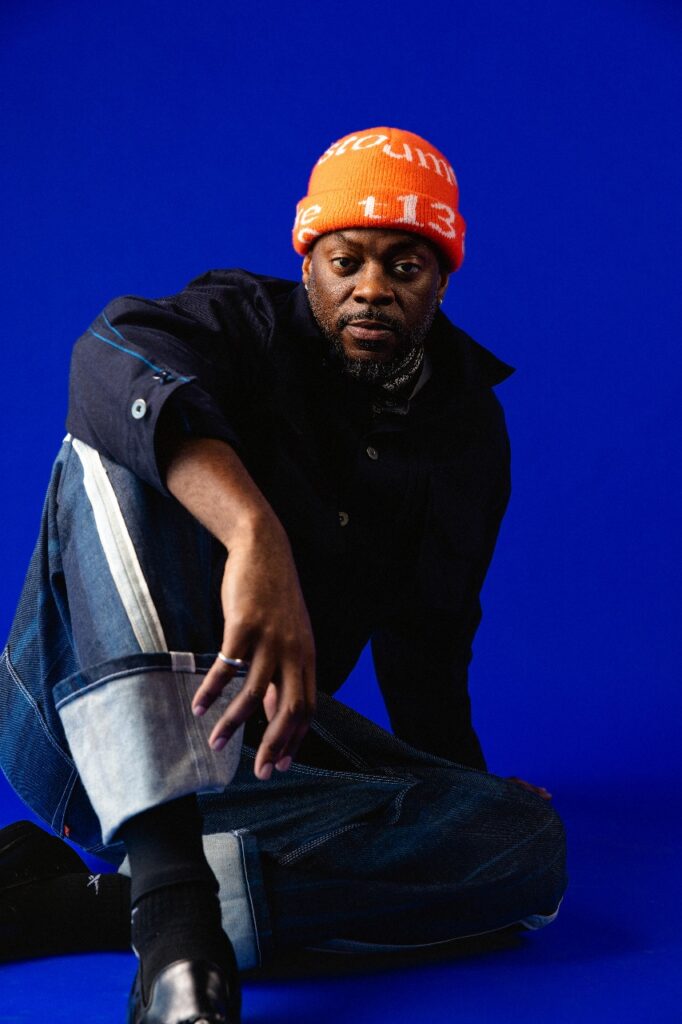
For creators concerned about AI diminishing human creativity, King offers a perspective grounded in hands-on experience.
“Anybody that deals with AI, especially making AI films, they’ll tell you that it is not just press a button and something pops out,” he explains. “It’s actually a very different process. But you spend a lot of time editing, iterating, creating images, and creating videos. It’s a long process.”
The creator challenges the notion of AI replacing human creativity. Instead, he sees these tools as complex instruments that require genuine artistic direction and refinement—expanding creative possibilities while still demanding human vision and judgment.
King connects this technological shift to broader patterns in creative history: “I’m sure at one point when a lot of these DAWs came out, like Pro Tools or Fruity Loops, there were people who were like, ‘No, I only work with real musicians and real instruments, and we’re not touching anything.'”
For King, AI represents part of human progress, a natural development in how we create. “This is our human evolution,” he reflects. “It’s almost like taking a bird-eye view and looking at it like, where are we on the human civilization scale or timeline? You have the Industrial Revolution, you have the technological evolution, and now we’re in this AI revolution.”
Liberation Through Framework Simplification
Rather than getting caught in analysis paralysis or perfectionism, King reduced his approach to a straightforward commitment: create something with AI every week, regardless of outcomes.
“I didn’t want to overcomplicate the process at all,” he emphasizes. “I told myself I don’t care if I get one or a thousand likes. I’m putting stuff out every week regardless.”
This streamlined framework, he adds, freed him from metrics-based validation, allowing genuine creative exploration. “Stay true to what your intuition is telling you, what you’re feeling, and what you need to create for yourself,” he advises, noting how early videos that received minimal engagement were later redistributed through the “Code Black” channel and received millions of views.
The distribution challenge taught him a crucial lesson about content creation: “It’s not necessarily content. A lot of times, it’s just the distribution channels,” he explains. “Maybe the algorithm doesn’t favor you, so keep doing what you’re doing.”
From Technical Proficiency to Cultural Moment
What distinguishes King’s approach from mere technical experimentation is how he ultimately channeled AI proficiency toward creating cultural impact. As he explains, “BBL Drizzy” didn’t go viral simply because it used AI effectively—it went viral because it brilliantly responded to a specific cultural moment with humor and unifying joy.
“Everything aligned at the perfect moment for that track,” he explains. “You had the Drake-Kendrick beef that was so polarizing at that moment. Everybody was paying attention. You had a track that was super funny. You had a track that featured Motown music or that Motown sound that everybody can essentially connect with.”
The timing within the said rap beef was particularly important: “It was getting to a point where it was escalating, where it’s like, ‘Yo, stuff might get kind of crazy.’ And then this song came in and added so much brevity, just like joy and laughter, and it allowed everybody to exhale and just laugh again.”
In a cultural context marked by division, King’s AI-generated creation provided unity. “The way the country had been, you had to pick a side. And this song just allowed everybody to be together.”
Expanding Creative Definition
Now working with AI creativity, King continues developing his vision. “We’re working on ‘BBL Drizzy’ the musical right now, which is a planetarium experience,” he reveals. “And then on top of that, diving into AR XR, I go to MIT every year for the ‘MIT Reality Hackathon.’”
His focus remains on storytelling and comedy, with an additional interest in wellness: “Just storytelling, comedy, and then just like wellness. I’m very into health and wellness.”
The success of “BBL Drizzy” has expanded his sense of what’s possible rather than leading to complacency. “‘BBL Drizzy’ gave me the permission to dream really big,” he reflects. “Let’s think of bigger projects that we can do and bigger things that are available instead of just like, it just widened my view and my scope of like, what’s actually possible.”
His creative philosophy ultimately comes down to three elements: “Imagine, fun, and love,” he says. “If you’re having fun, you’re imagining, which is like dreaming big and just imagining unfiltered. That’s to me the sweet spot. That’s when you know things just, you become a child. That’s essentially all we’re doing, just like we’re just playing, and then you do it with love.”
Subscribe to Our Newsletter
Check Out Our Podcast