






Influencer
From YouTube Hobby To Brand Collaborator: Darcei Giles On Building Authority In Beauty

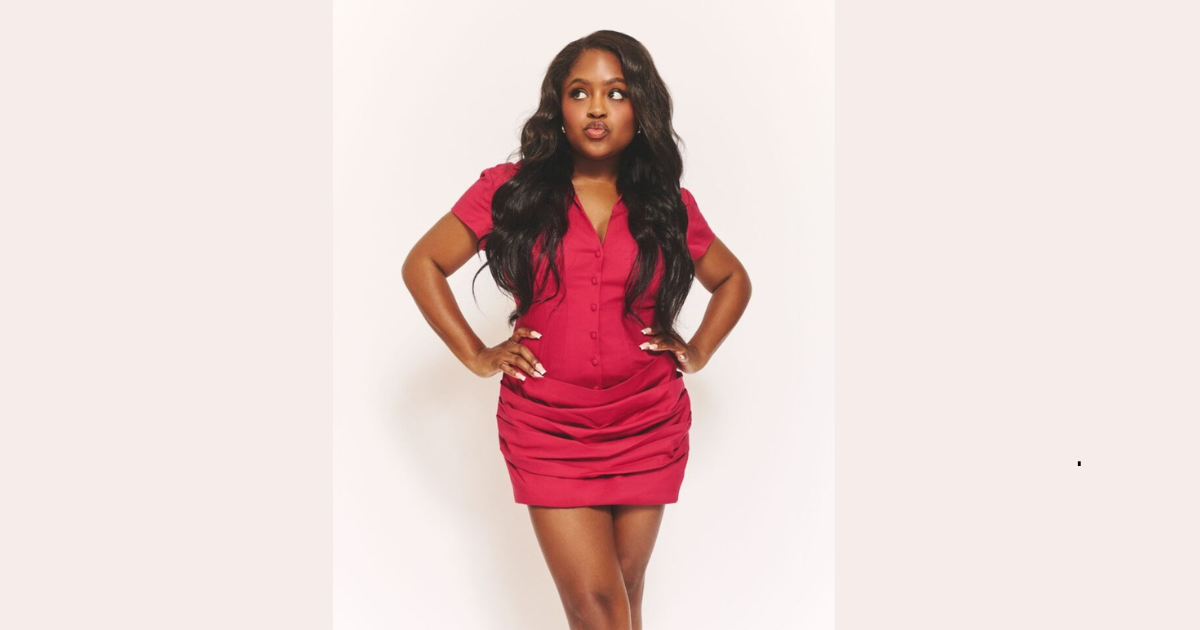
Before Darcei Giles ever stepped inside a Korean cosmetics lab or advised brands on undertones, she was filming YouTube videos after shifts at a movie theater, Starbucks, and Sephora, unsure whether anyone beyond a few thousand viewers was watching closely. Content creation was not a business plan.
“Back in 2010, people weren’t really doing it as a career,” she says. “It was just kind of a fun little hobby that I did.”
For nearly a decade, that hobby ran parallel to a series of day jobs, with no clear roadmap and inconsistent income. “I wanted to make enough money on YouTube or on social media where I could leave my part-time job at Sephora,” she says. “That was my number one goal.”
Without a guidebook, Giles focused less on optimization and more on endurance. “I wasn’t thinking of strategies at the time, honestly,” she says. “I was just making videos, and eventually I got really good at it.” Like many creators learning YouTube’s early mechanics, her initial work involved imitation. “I was basically copying other creators,” she says. “It was very helpful when you’re trying to learn how to make videos.”
What ultimately shifted her trajectory was not production scale or algorithm fluency, but self-definition. As Giles began putting more of her own interests, cultural references, and lived experience into her videos, the channel started to take on a shape that could not be replicated or easily categorized.
That shift became explicit when Giles stopped just experimenting quietly and named the idea that had been forming on her channel: “Black Girl Tries.”
The Power of Specificity
The series that reshaped Darcei’s career began in late 2018. “Black Girl Tries” started as a playful idea. The premise was simple: Darcei would try makeup styles Black creators rarely wear, from goth aesthetics to Korean beauty looks. But the execution went deeper.
“It wasn’t just about trying the makeup style,” she says. “I also put a lot of research into it. I would write down bullet points and things that I really specifically wanted to say.” Each video became both a tutorial and a cultural commentary, exploring why certain styles were considered off-limits and who those boundaries served.
The first installment focused on Korean makeup. “That was the first time I’d ever attempted to do that on camera,” Darcei says. The result surprised both her and her audience. “People were like, ‘Whoa, why did it turn out so good? I never thought that this kind of makeup would look good on a Black person or a person with dark skin.’”
The response revealed a latent audience. “I found this community of people that would message me and be like, ‘Hey, I was really afraid to try this style of makeup until you did,’” she says. The series attracted viewers who had not seen themselves reflected in mainstream beauty content, as well as viewers who had not previously questioned those omissions.
By the time the 2020 pandemic pushed viewers indoors, “Black Girl Tries” was already on the radar. COVID amplified that attention, but it did not create it. “I already had a little bit of momentum because of my series,” Darcei notes.
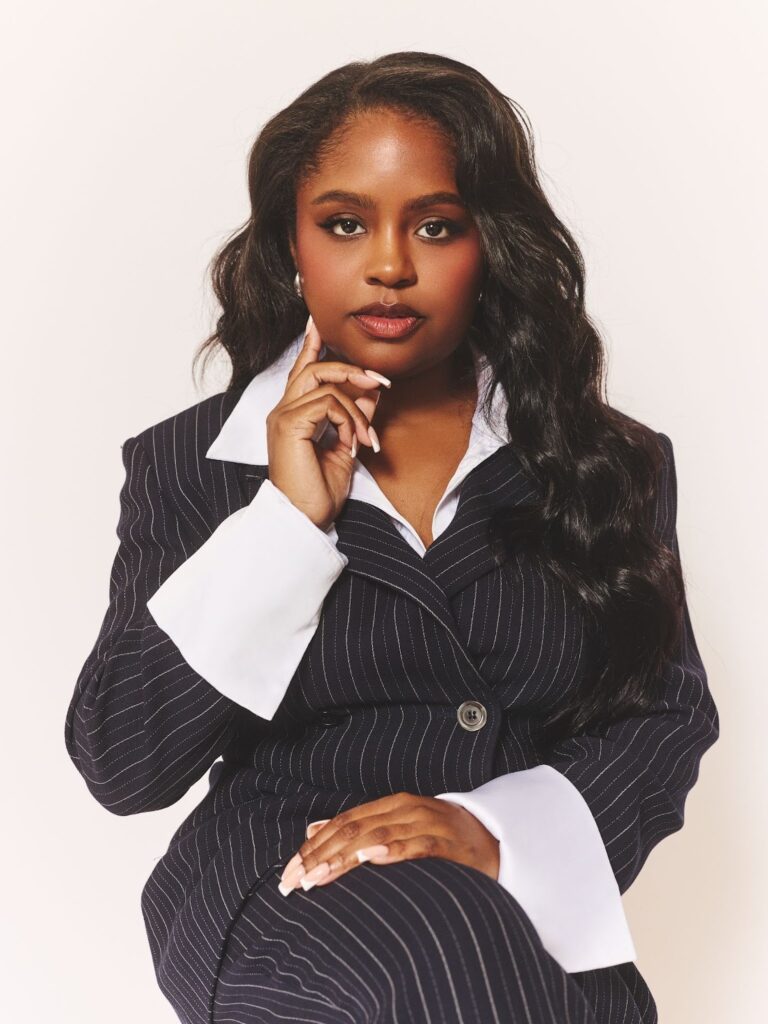
Building Trust Instead of Chasing Virality
As Darcei’s audience grew, so did expectations. According to her, beauty content is saturated, and credibility is fragile. Hence, she chose trust as her differentiator.
“I am very honest about products,” she says. “I’m not afraid to say exactly what I think.” That balance matters. “If you’re too positive about everything, people will be like, ‘Oh, you’re fake.’ But if you’re too negative, they’ll be like, ‘Is there anything that you like?’”
She notes that her videos often generate polarized comment sections, particularly when addressing inclusivity gaps in foundation shades. “There will be people in the comments who are either saying, ‘I’m so glad that you pointed this out,’” she says, “and then there will be other people who are like, ‘This is not an issue.’”
For Darcei, that friction is evidence of relevance: “It resonates with everybody.”
That consistency has led to a long-term relationship with the audience. “I get comments that say, ‘Oh, I’ve been watching you since I was in the eighth grade and now I’m in college,’” she says.
Crossing Platforms Without Losing Identity
Although Darcei is now deeply associated with TikTok beauty culture, she was slow to adopt short-form video.
“I’m a YouTube soul,” she says. “I didn’t know how to make short-form content.” She did not join TikTok until 2021, well after many beauty creators had established footholds.
The adjustment period was uncomfortable. “My entire For You page was TikTok dances and funny skits,” she says. “I don’t know how to dance, and I don’t know how to do comedy skits.”
What eventually worked was translation, not reinvention. Darcei adapted her existing beauty content into shorter formats, focusing on reviews, transformations, and hacks. One early hack video posted to YouTube accumulated roughly 50 million views, even surprising her. “Why did people watch that?” she asks, jokingly.
The lesson was not about trends. It was about committing to volume long enough to find signal. “I told myself, ‘I’m gonna do three videos a day for 90 days,’” Darcei says. At the end of that period, she had gained 100,000 followers. “It really is about practice.”
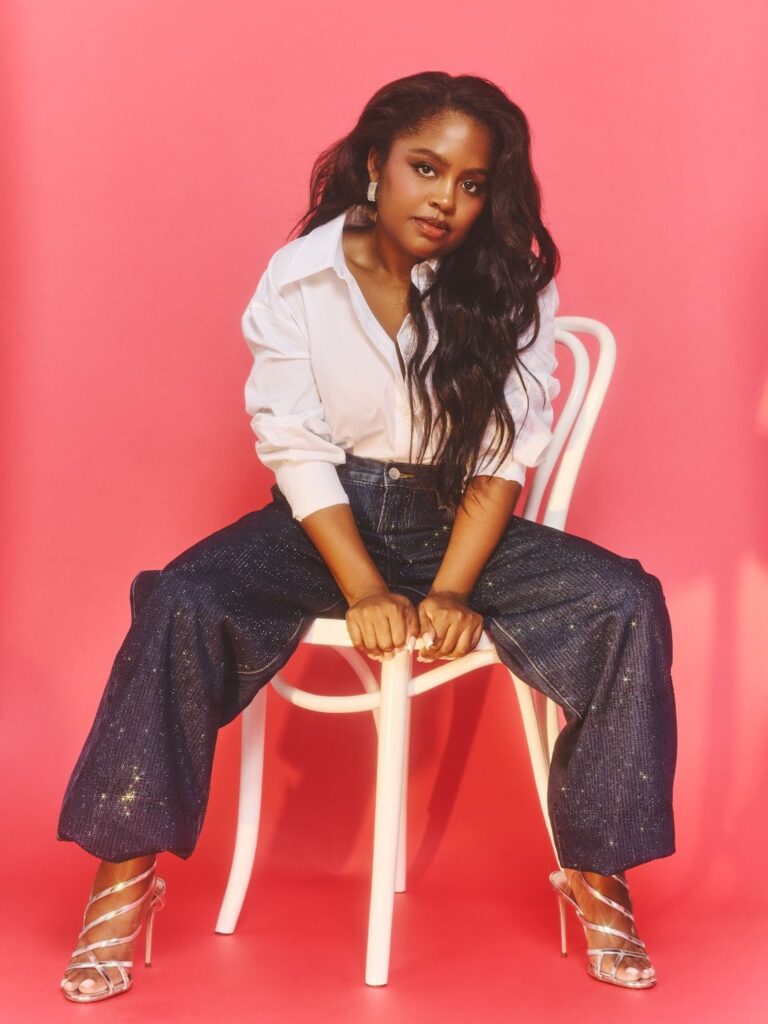
From Critic to Collaborator
As Darcei’s influence expanded, brands began reaching out more frequently around 2020, just as TikTok was gaining traction in beauty marketing.
“On TikTok, the entire video is about that one product,” she says. That shift gave creators more direct leverage, but it also exposed differences between transactional sponsorships and genuine partnerships.
The brands Darcei continues to work with share common traits. “I am actually interested in the brand. I actually use their products,” she says. Creative balance is equally important. “They’re not trying to control everything either.”
That philosophy shaped one of her most consequential partnerships. After reviewing Korean beauty brand Parnell’s cushion foundation and criticizing its lack of darker shades, Darcei was contacted by the brand. “They were like, ‘Can you help us make those 10 shades?’” she says.
The process involved multiple rounds of lab samples, feedback on undertones, and eventually a visit to the lab in Korea. “They had never done anything like this before,” Darcei says. “They had never actually created other shades before.” Seeing the process firsthand was a turning point. “That was really fun. I had never gotten to go into labs before.”
For Darcei, this collaboration represented a broader shift. “Before, brands weren’t really listening,” she says. “Now, if an influencer says something negative about a product, the brand will fix it.”
Authority Beyond Follower Counts
Darcei does not define creator leverage solely by audience size. “It’s the influencers who are able to influence the most who are the ones that the audience really trusts,” she says. Authority, according to her, comes from lived experience and sustained focus.
Her niche emerged organically from a “unique combination of my Black experience with makeup growing up” and a lifelong interest in Korean culture.
She believes creators who move from promotion into product development must bring that depth. “If you get somebody who really doesn’t care about the products and you put them behind the scenes, it’s not really going to do very well,” she says. “It’s not coming from an authentic place.”
Sustainability, Boundaries, and What Comes Next
After years of intense output, Darcei has adjusted her pace. One boundary is non-negotiable. “I don’t work on weekends,” she says.
Burnout, she has learned, affects quality. “When I feel burnt out, I don’t make videos that do well.”
Moving forward, Darcei plans to deepen collaborations and continue expanding her role in product development. A personal brand is a longer-term goal. “Definitely want to be a founder,” she says. “I always write ideas down all the time.”
She also sees a broader shift coming. “A lot more beauty creators are going to become founders,” Darcei says. “They test so many products already. When you have those kinds of people working on developing new products, those products are going to be even better.”
For Darcei, the future is not about scaling louder. It is about building with intention. As she puts it, “Once you’re able to gain authority in a specific space, then that’s where the true change comes from.”
Photo credits: Ssam Kim
Source: Heather Weiss (ICON PR)
Subscribe to Our Newsletter
Check Out Our Podcast