



Talent Collectives
From Viral to Viable: Heather Weiss Besignano on Reframing PR for the Creator Economy

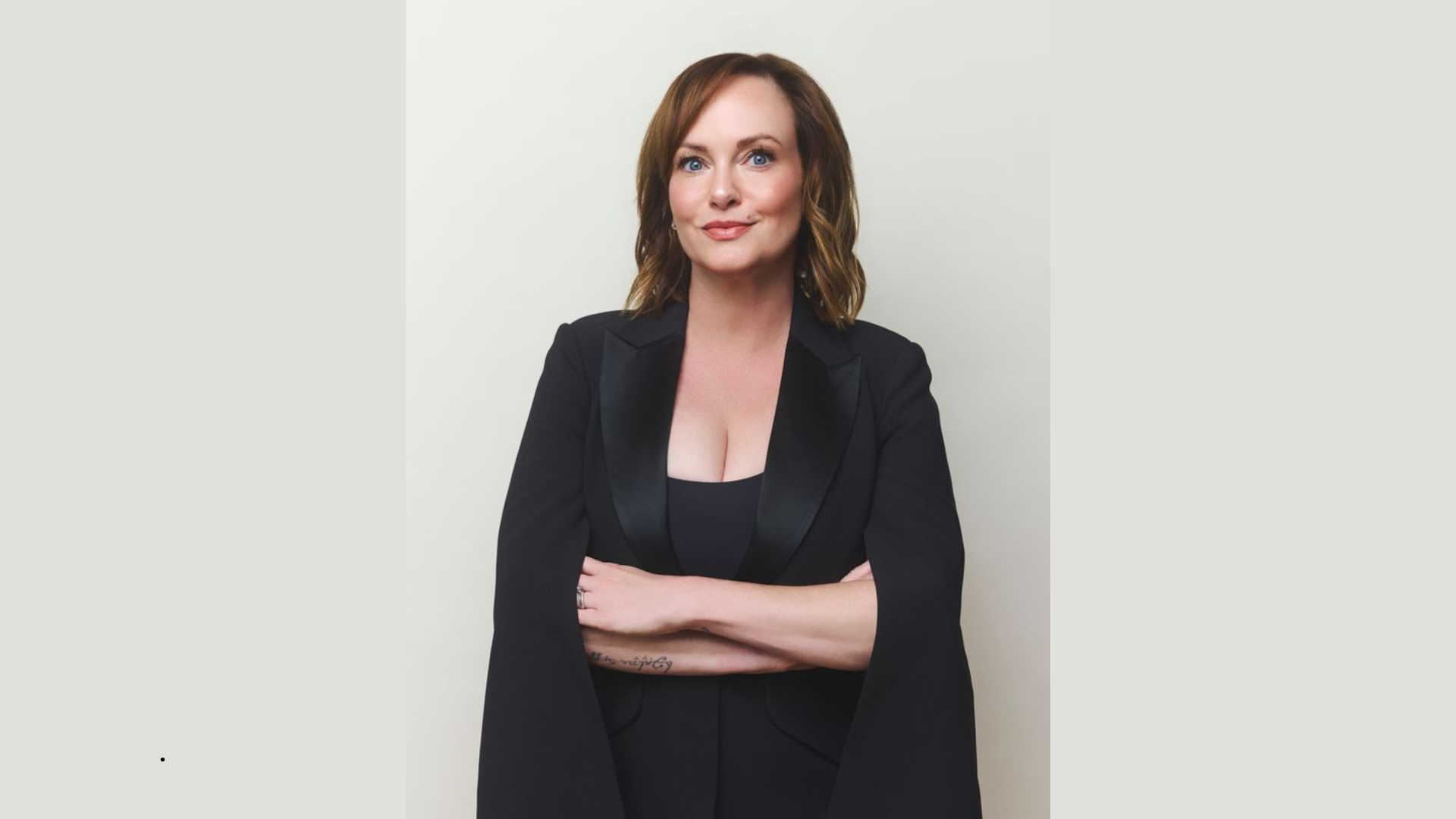
Heather Weiss Besignano has built her career on visibility, but not the fleeting kind. As founder and CEO of ICON PR, the Los Angeles-based firm she launched in 2018, she operates across traditional Hollywood publicity and the modern Creator Economy. Her client roster includes television and film actors, digital creators, musicians, authors, CEOs, and fashion talent. But her thesis is clear: creators do not just need exposure. They need a trajectory.
“I married the two,” Heather says. “This is what I know from my traditional background and how I push a client forward in a strategic way. I’m going to put that into the digital space, look at the trends, talk to them about their goals, and figure out how to get them there.”
The hybrid approach of applying legacy entertainment PR infrastructure to digital-native talent defines ICON PR’s value proposition. In a Creator Economy where virality can outpace long-term planning, Heather positions publicity as strategic architecture rather than just press hits.
From Houston to Hollywood
Heather did not enter the industry through a traditional pipeline. She moved to Los Angeles from Houston in 2007 with limited savings and an ambition to work in music as an A&R (Artists and Repertoire) representative. The record industry downturn at the time made that path nearly impossible.
Her pivot into public relations came unexpectedly. Within a decade at her first firm, she rose from assistant to CEO. During that tenure, she worked on high-profile campaigns, including Oscar efforts and major book launches. But just as significantly, she began signing early digital talent during the YouTube, Vine, and Musical.ly era, well before many agencies considered creators viable long-term clients.
“I remember people saying to me, ‘Why are you signing these clients? No one is ever going to have them on The Today Show.’ And I was like, ‘I don’t know. These people are getting millions of followers. I think there’s something about this.’”
She recognized early that audience aggregation was leverage, even if traditional media had not yet caught up.
Launching ICON PR: A Bet on Convergence
Heather left her prior firm at the end of 2017 and launched ICON PR on January 1, 2018. That same year, she became a mother.
“I started a company and had a baby in the first year.”
Today, ICON PR operates out of Los Angeles with team members in New York and Nashville, and collaborators in additional markets. Approximately half of its roster now consists of digital talent.
The problem Heather saw in the marketplace was structural. Creators were building massive audiences and securing brand deals, but many lacked a long-term positioning strategy. Agencies were securing partnerships. Managers were negotiating contracts. But few were thinking multiple years ahead in terms of narrative, press alignment, and cross-industry expansion.
“I think a lot of people assume that you hire a publicist and you’re on the cover of Vogue the next day,” Heather says. “That’s not how it works. You have to have a strategy in place and understand the ‘why’ behind where you want to take your brand.”
The Fusion of Traditional and Digital
Heather rejects the idea that traditional actors and digital creators occupy separate ecosystems. Instead, she sees increasing overlap.
“For casting, a lot of people want to see numbers,” she says. “They want to know that if they put you in their film or television series, you’re going to bring people to the box office or get them to tune in.”
In other words, actors now need audience metrics, and creators increasingly need traditional credibility.
For creators, Heather notes, the conversation often starts with expansion beyond platform-native content. “What else do you want to do besides make TikToks? Where do you want to take your brand in a year, five years, 20 years from now?”
She points to diversification as essential infrastructure: “It’s not enough to just be a music artist or an actor anymore. And I think that’s the same thing with digital people.”
Her role, as she sees it, is to help creators build toward second and third acts, such as books, product lines, fashion credibility, film projects, and consulting roles, without alienating their existing audience.
Strategy Over Spectacle
If there is one word Heather repeats most, it is strategy.
“Strategy. Strategy. Strategy.”
Creators often approach publicity with outcome-based goals: a magazine cover, the Met Gala, front-row seats at Fashion Week. Heather pushes them to interrogate alignment first.
“Does it make sense for your brand? You have to be realistic about where you’re taking your brand and whether it actually makes sense,” she says.
This recalibration matters in a media market that’s becoming increasingly competitive. Traditional inventory has contracted. Talk shows have closed. Print magazines have folded. “Kelly Clarkson’s show and Sherri’s show are going away,” Heather notes. “That whittles it down to how many talk shows are left.”
At the same time, digital media channels have expanded. Studios now fly creators to press junkets alongside actors to reach younger demographics.
“Creators really have a lot of power right now,” Heather states.
For her, the power shift is real, but it must be handled deliberately.
Crisis Management in the Age of Instant Reaction
In a hyper-amplified digital environment, Heather believes crisis management has become a central part of public relations work.
“Listen to your team,” she says. “Don’t go out on your own and start posting videos.”
She emphasizes restraint in the early stages of controversy: “The first 24 to 48 hours are very indicative of how bad it really is.”
According to Heather, not every online backlash requires immediate public response. Some require legal coordination. Some require apology. Some require silence. The key, she argues, is measured evaluation rather than reactive posting.
Beyond professional risk, she expresses broader cultural concern about the emotional toll of online scrutiny, particularly on younger creators.
“If people could learn to grow and be a bit kinder to each other, that’s my biggest concern with the creator space,” she shares.
Where the Creator Economy Is Heading
Looking ahead five years, Heather does not anticipate contraction. She believes the Creator Economy will be “bigger than ever,” with today’s largest creators becoming foundational figures in their industries.
“The people who are already big names are going to be legacy titans of this industry.”
She also expects creator influence to expand into sectors beyond entertainment and beauty, including politics, finance, and traditional business infrastructure. “It’s going to continue to be a real force in every industry.”
With that expansion comes responsibility.
“They need to understand the respect that needs to come behind it,” Heather says.
Photo credit: Ssam Kim
Subscribe to Our Newsletter
Check Out Our Podcast