



Talent Collectives
Building Trust Beyond the Feed: Inside FARQ’s Creator Retreat

FARQ just ran its fourth annual creator retreat, the first time the talent agency has put its UK and U.S. rosters in the same room. The event has never turned a profit, and Georgia Farquharson, the agency’s founder, says it was never built to. What it buys instead, she says, is retention.
Georgia founded FARQ in 2021, during the pandemic-era boom in influencer content, on a specific complaint about her own industry: talent management, in her view, mostly ignores the fact that creators are isolated. “I have friends who are doctors and nurses. I can’t talk to them about my Instagram algorithm,” she says. FARQ represents 50 creators across the UK, the U.S., and Australia, and Georgia says the agency has closed more than $10 million in brand deals across those three markets.
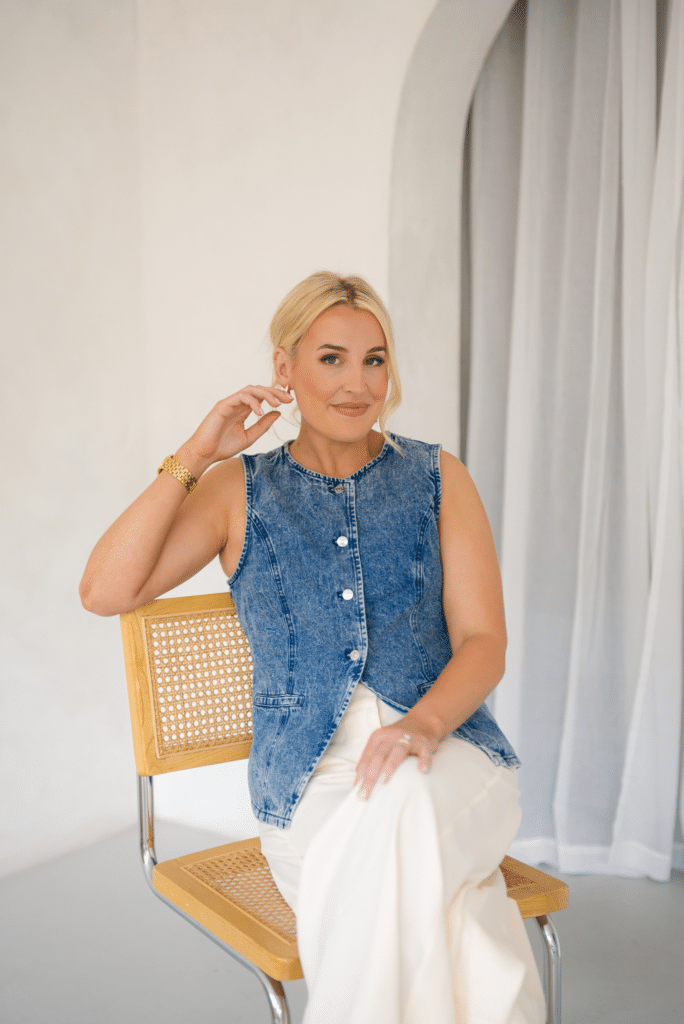
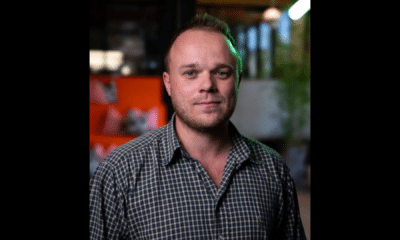
Photo: Georgia Farquharson
Credit: Hannah Lovemore
She built the agency around three functions rather than one. “We do all of the talent management, the same that other agencies do, but we really do it with the human at heart,” she says. “We’ve always had three core pillars of our business: community, support, and education.”
That philosophy gets tested once a year, when FARQ brings its roster together in person. This year’s retreat, its fourth, was also its biggest.
Community Means Not Being Alone With Your Follower Count
Georgia’s pitch starts with a problem she says most agencies don’t address: the isolation of suddenly having an audience. “Suddenly, you wake up with all of these thousands of followers, and you’re like, ‘Who do I talk to about this?’” she says.
FARQ’s answer is structural, not just emotional support. Kristen and Maddie (@krisandmads), the sister duo behind a Patreon book club, openly share their subscriber tactics with other FARQ creators, a practice Georgia treats as core to the model rather than incidental. “That doesn’t take away from their success,” she says. “If anything, it increases it, because we all believe in abundance.”
The agency’s other stated function is support, defined broadly. “We’re there as cheerleaders, advocates, strategists, soundboards, therapists – all of the hats,” Georgia says.
Education is the third leg: a monthly workshop series where FARQ brings in outside guests to cover topics from platform strategy to revenue diversification.
The Retreat Turned Three Pillars Into a Four-Day Test
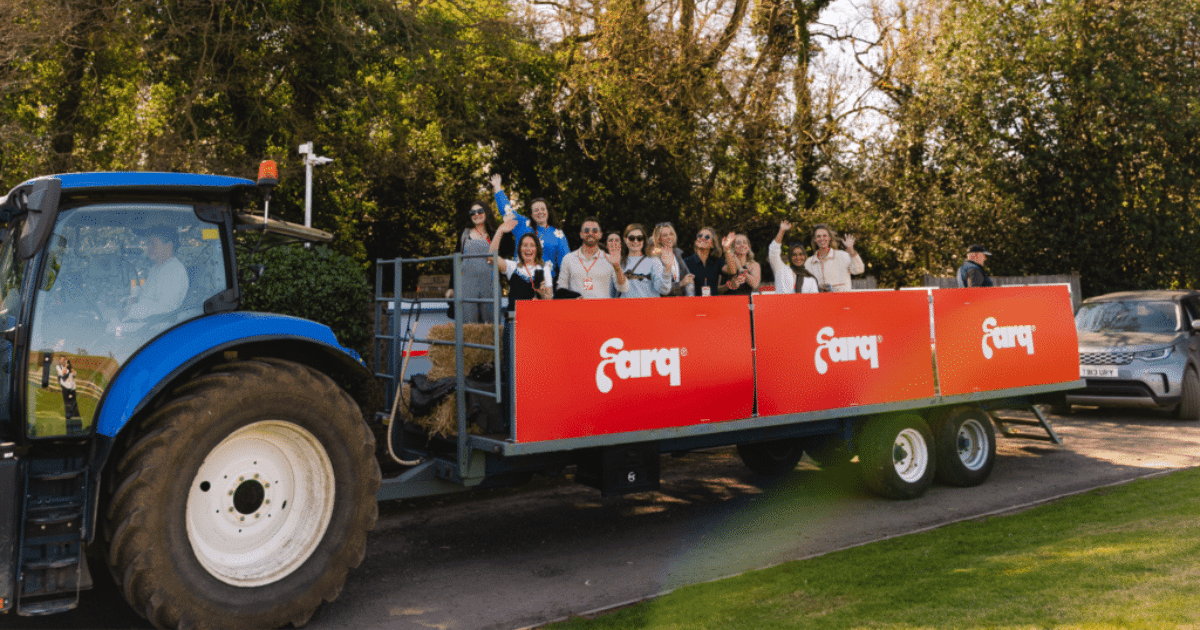
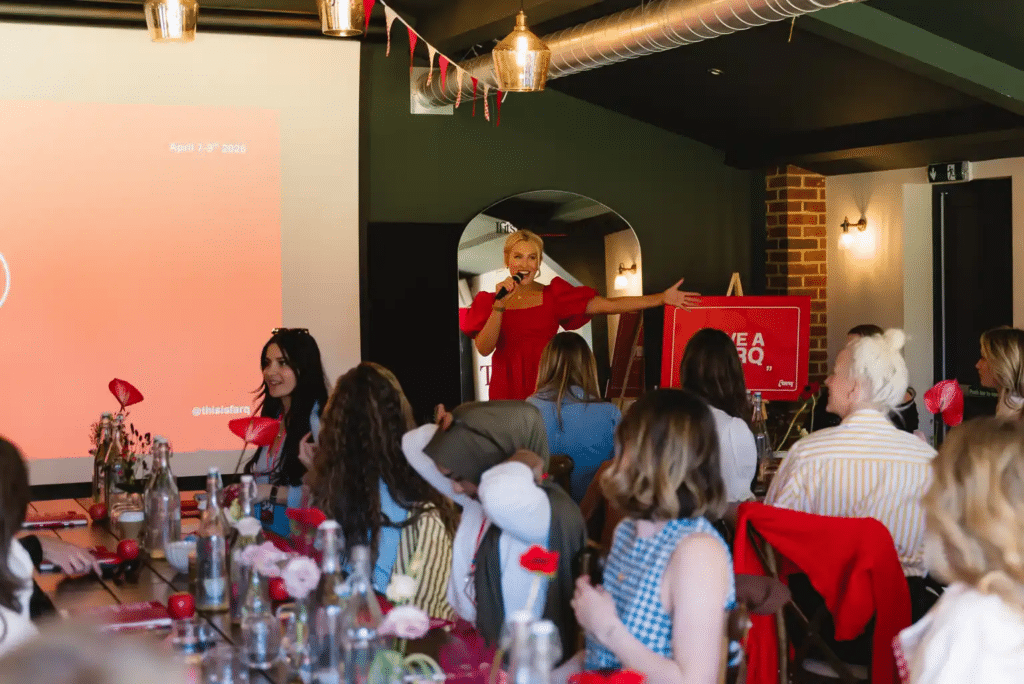
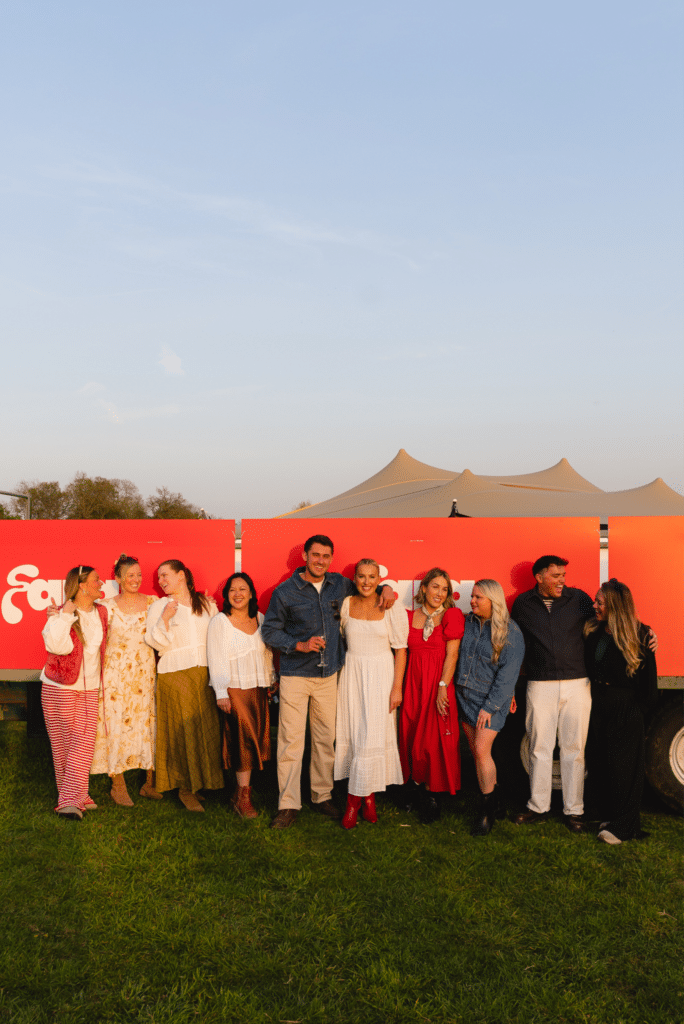
FARQ’s retreat started small. The first one, run in the agency’s second year, drew about a dozen creators. This year’s version combined FARQ’s UK and U.S. rosters for the first time, a shift Georgia says surfaced real differences in “perspective, culture, everything,” including how each market talks about ambition.
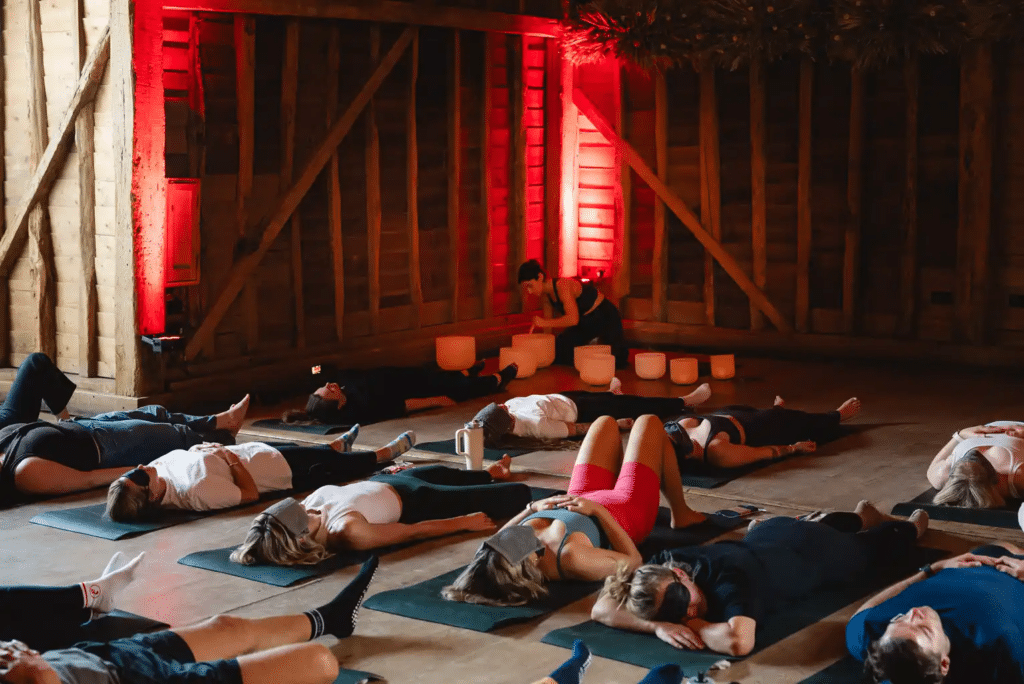
She describes the format as somewhere between a corporate offsite and a long weekend with close friends: three days mixing education sessions, deliberate downtime, and a venue chosen specifically for being disconnected from phones and algorithms. Kristen and Maddie point to a group sound bath as one of the more unexpected highlights. “There was just so much power in that,” they say.
For the duo, the value was less about content than status. “We don’t get that title, we don’t get that corner office, we don’t get that parking spot,” they say of working as home-based creators. The retreat, they say, supplied something closer to that. “It really felt like we were all looking around and celebrating each other.”
Naomi (@naomi.native), attending for a second year, points to the same UK-U.S. combination as the biggest change. “It was nice to see familiar faces as well as new faces, particularly with the U.S. roster,” she says. She adds that she has not seen another agency invest in its creators the way FARQ does through the event.
FARQ Pays for the Retreat Itself, on Purpose
For the retreat’s first two years, FARQ funded it entirely itself. “It’s our marketing spend for the year,” Georgia says. “We love doing it. We will never not do it.”
A sponsor entered the picture only last year, after one of FARQ’s own creators had an existing relationship with Big Potato Games, the board game company. Georgia says the arrangement covers roughly 20% of the retreat’s cost, with minimal deliverables attached. “They don’t give us deliverables that we need to do, so it’s very organic,” she says.
That flexibility was the condition, not a bonus. FARQ turned down a separate offer of five figures from another brand because the sponsor wanted a different format for the evening than the one Georgia had planned. “What I want the evening to be is more important to me than getting the money,” she says. It draws a line FARQ has held across two sponsorship cycles: the retreat’s design comes first, and sponsorship fits around it or does not happen.
A 200-Person Waitlist That FARQ Won’t Touch
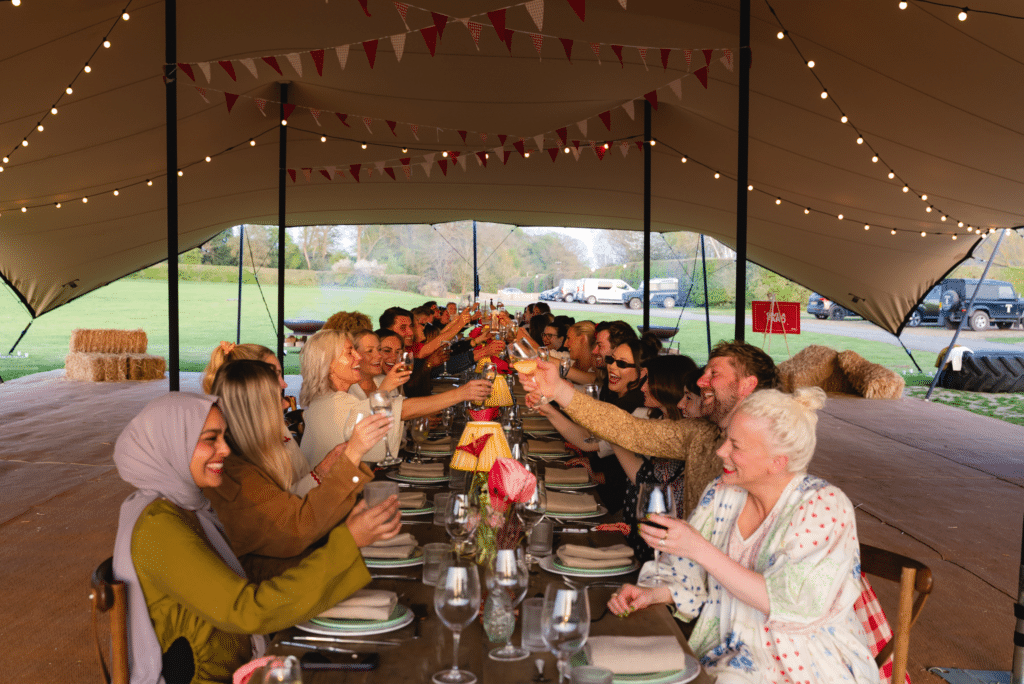
FARQ currently has 200 creators waiting to join its roster, a number most agencies would treat as a straightforward growth opportunity. Georgia treats it as a constraint. “Vibe checks” come before revenue potential in every signing decision, she says, and FARQ has turned away creators who would have been commercially lucrative because they did not fit.
“You could be earning a ton of money, but if you’re not the right vibe, you’re not going to be right,” she says.
Georgia does not dodge the cost of that discipline. “Probably quite a lot of money,” she says. Growing too quickly, in her framing, risks the thing an agency like hers is actually selling: a roster small enough that everyone in it still gets attention.
The Retreat’s Return Is Retention, Not Deals
Georgia is direct about what the retreat does not produce: brand deals. What it produces, in her account, is new talent interest. “Imagine 50 people suddenly talking about your agency,” she says. “There is a level of FOMO that people get.”
The actual return on investment is harder to isolate, and Georgia does not pretend otherwise. “It’s hard to truly commercialize what our return on investment is,” she says. “It’s more about the longevity.”
That calculus extends to the event itself, which she says was never designed to pay for itself in the conventional sense. “Events in general, minus the sponsors, are not money-making things,” she says. Creators do them, in her telling, for a different kind of return. “That immediate feedback from someone fills the cup back up.”
What FARQ Is Actually Selling
Kristen and Maddie describe leaving the retreat still wanting more of it. “We wanted to go back mostly because we wanted to have conversations with 10 more people we like,” they say. “We could have easily spent two weeks. We left feeling so full.”
That kind of response is difficult to put in a sponsorship deck, and Georgia is not trying to. Her bet is simpler: a roster that feels cared for stays, and a waitlist that large keeps refilling itself without much marketing spend behind it.
Georgia has made peace with the trade-off that comes with running the agency this way. “We still get great business done,” she says. “Our creators are crushing it, but they’re crushing it whilst also still feeling loved and valued and seen. We don’t have to have transactional exploitation or relationships to be able to crush business.”
Subscribe to Our Newsletter
Check Out Our Podcast