



Tech
The Optimization Era Is Over, and Brands That Skip the Effort Get Forgotten, According to OK COOL

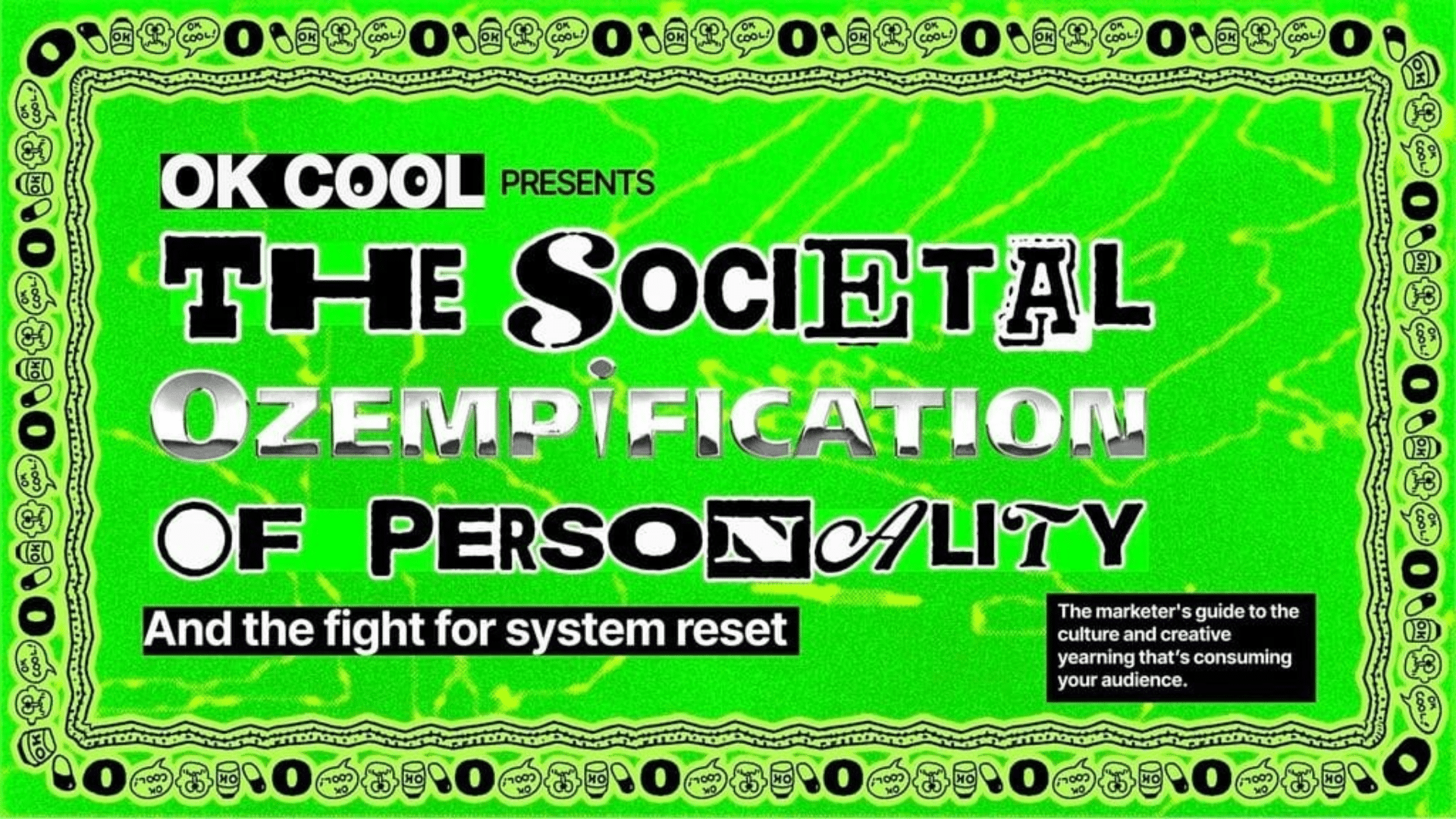
More than 2,900 people answered the survey behind OK COOL’s sixth annual trend report, “The Societal Ozempification of Personality,” and 72.6% said “optimisationmaxxing” is ruining their lives. Annie House, London-based Head of Strategy at the global creative agency, treats that finding as a brief for brands. Audiences are putting effort back into their own lives, she argues, and they can tell which brands are not doing the same.
“One thesis we came to really early on was, optimization is dead, and we’re hungry for more,” Annie says. The report uses the appetite-suppressing drug Ozempic, a GLP-1 medication, as a metaphor for a society structured to reduce its appetite, which she says has left people desperate to rebuild something original.
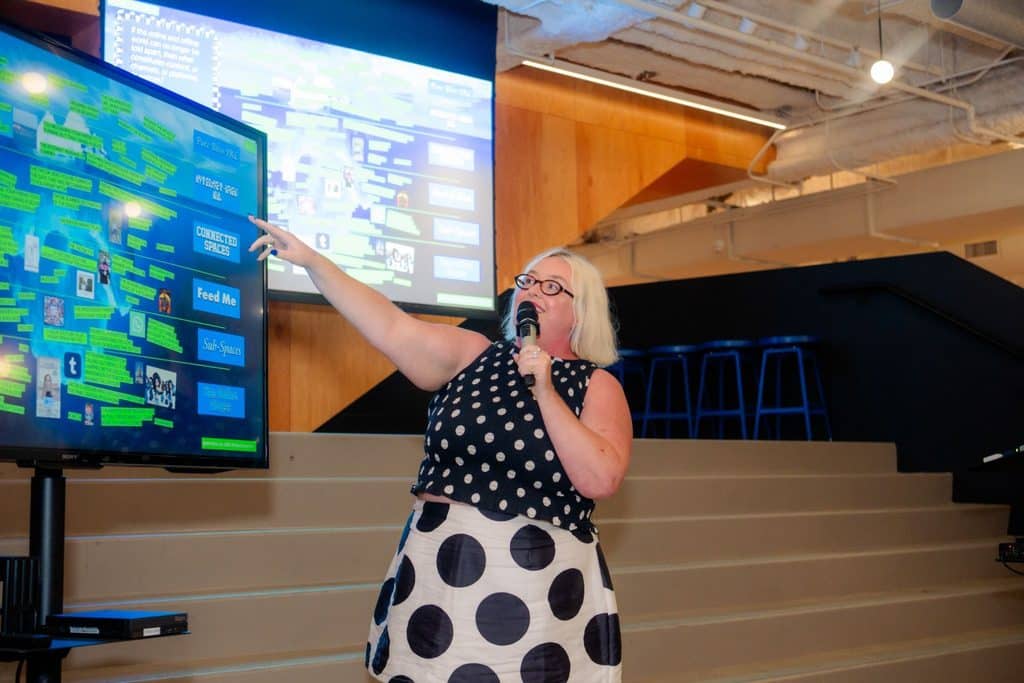
Reading that appetite is what OK COOL sells to brands. Annie describes the agency, now one of several in the Residence network, as culture-first and audience-centric. “We try to figure out a really honest understanding of who our audience is and how we can genuinely thrill them in the spaces that they’ve written the rules for,” she says.
The report is the one piece of OK COOL’s work with no client involvement. “With our client work day to day, we’re so in it. We’re responding to questions of the now,” Annie says. Each March, her team starts trading theories, then writes a survey to pressure test them.
Optimization Stripped Out What Wasn’t on Paper
Those theories build year to year, according to Annie. “Chaos in the FYP” covered TikTok teaching people to be weird again, and “Let Them Eat Lore” tracked the opinions that spilled into comment sections. “Because we’ve started expressing opinions now, we’ve realized we have to find substance,” she says.
She locates the cost of optimization in daily routines, from checking a commute to save two minutes to automating emails only to write more of them. “We’ve been scoring our sleep, but it hasn’t made us happier,” she says.
Her clearest example is a Blockbuster in a country town in Australia, half an hour from her family’s farm. The trip was inconvenient, but choosing tapes taught her taste; convincing her mother to let her rent two movies instead of one taught her negotiation, and action movies connected her with her father. Netflix makes sense on paper, she concedes. “We’ve not thought about what we’ve lost in the process,” Annie says.
The survey suggests people are rebuilding those structures. Some 68.5% of respondents say they see less individuality in the world, and one respondent reported taking up DJing at 55. Rebuilding takes visible effort, and visible effort risks looking embarrassing.
Cringe Is the Price of Trying Hard
The report found 92.5% of respondents see cringe as an essential part of the human condition. “Cringe is just trying really hard at the end of the day,” Annie says.
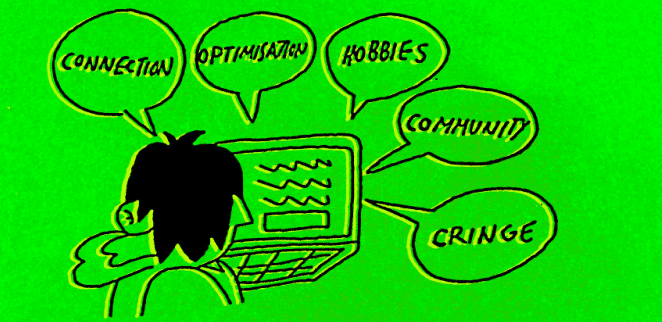
For a brand, she argues, that vulnerability means a gamble on a new idea, creative bravery or a move into a new target market, and it requires money. “I promise these brands the return on investment is better because the alternative is they’re creating more wallpaper,” she says. “And those brands are being forgotten at the moment.”
What brands fear, in Annie’s view, is low turnout. “If a brand does it and no one shows up, that’s when it’s cringe,” she says. She cites fintech company Ramp’s work with skateboarders Tony Hawk and Bam Margera, a pairing that could once have looked cringe. “We’re just really open to anyone who’s putting in the effort, and what it’s done is rob cringe of its heat,” she says.
Annie sees the same divide among brands that she sees among creators, and she describes the middle as “huge.” Brands that build their work only around the algorithm, she argues, put themselves on the wrong side of it.
Algorithm-First Brands Concede Leadership
The report’s chapter on taste found that only 18% of respondents say they have handed their taste over to the algorithm. Some 52.3% describe their relationship with it as a situationship, 26.5% call it toxic, and 20.7% say it knows their love language.
Annie expects brands to keep operating inside those systems. “Look, it’s a really tricky one because the algorithm does a really good job,” she says. The risk is in creating for nothing else. “Anytime they only serve the algorithm, as a brand, what they’re doing is saying that they’re a mere planet revolving around something else,” she argues. Good brand building, in her view, makes the brand the sun in its own universe.
A brand that creates only for the feed is already conceding its category, she says. “You’ve already sort of acknowledged that you’re not a leader.” Knowing who you are is half her argument. The other half is knowing where the audience spends its time, which, in Annie’s account, no longer splits between online and offline.
Specificity Reaches Audiences Wherever They Are
“IRL in this pure form literally doesn’t exist anymore,” Annie says. People line up outside restaurants because of what they saw online, and she meets friends in person to discuss the videos she sent them. “Every space is an opportunity to create meaning with my target audience,” she says.
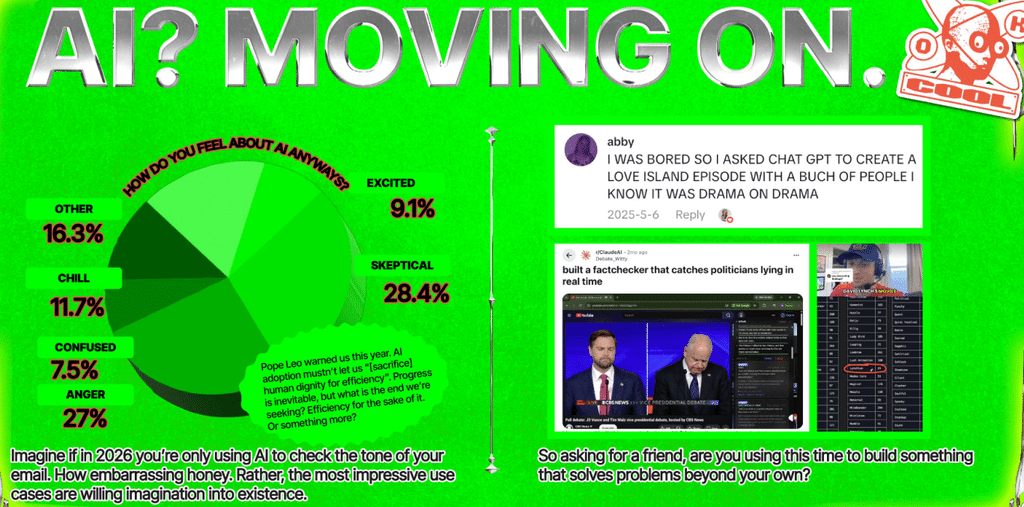
Brands may read that as a call for a hundred pieces of content or a stunt every weekend, she acknowledges, but she argues for one powerful connection, made specific. She cites the report’s finding that 52% of people belong to exclusive online communities. “When you underestimate your target audience, you’re condescending to them,” she says.
Specificity changes measurement, too. “Viral is reach. Resonance is whether people do something with it,” Annie says. OK COOL looks for what audiences save and send to friends, she explains, citing a Pinterest campaign that took over corner shops during the festival season. The report adds that 35.4% of respondents now say they are out there commenting, up from 29% a year earlier.
That trust is also what a brand buys in a creator partnership. “Ask who trusts this person and why, because that community is the audience you’re really buying,” Annie says.
Brands Should Book Creators for Expertise
Creators do not hold that trust equally. “There’s a really big gap opening up between creators that are good and brilliant and offer unique perspectives, and then the ones who are just falling behind,” Annie says. The second group, she argues, chases any deal and says what any creator could say.
The creators she rates build careers through their content. She cites @spaceboycole, a creator with a graphic design background who redesigns merchandise for a different global company each week, including McDonald’s and Hooters, and the Los Angeles-based actors and writers behind the self-produced series “Eavesdropping.” “They feel like they’re inventors as much as they’re creators,” Annie says.
Brands should hire accordingly. “If you book a creator only for distribution, you’re paying for the least valuable thing they have,” she says. She recommends scrolling back through a creator’s profile for proof of process and checking whether they started years ago or last month.
At OK COOL, she notes, talent shapes the work from day one. “The earlier a creator is in, the more of their thinking you get, and their thinking is what makes the work land.” The advice applies the report’s effort thesis to the partnership itself, moving the creator’s contribution from distribution to the idea.
Brands Have to Stay Excited by Their Own Work
For marketers planning next year, Annie’s guidance comes down to four instructions. Keep evolving, so last year’s formula does not turn a brand into a one-trick pony. Create for participation, online and offline. Find a distinction, because originality, perspective and opinion are the only things left that cannot be copied. And remember that high effort does not mean high cost.
That last point sits alongside what she thinks about investment. Bold bets may need budget, while the effort audiences notice sits in the process. “Audiences would rather see the effort you put into the process than polish and perfection,” she says.
Her test starts before anything ships, and her team will begin the next edition in March. “If we’re not thrilled in the meeting, I promise you, by the time the final work is out in the world, no one’s gonna be excited,” Annie says.
Image source: OK COOL
The full report can be found here
Subscribe to Our Newsletter
Check Out Our Podcast