



Agency
UK Study-Creator Agency TapLab Tells Brands to Let Students Steer Campaign Concepts

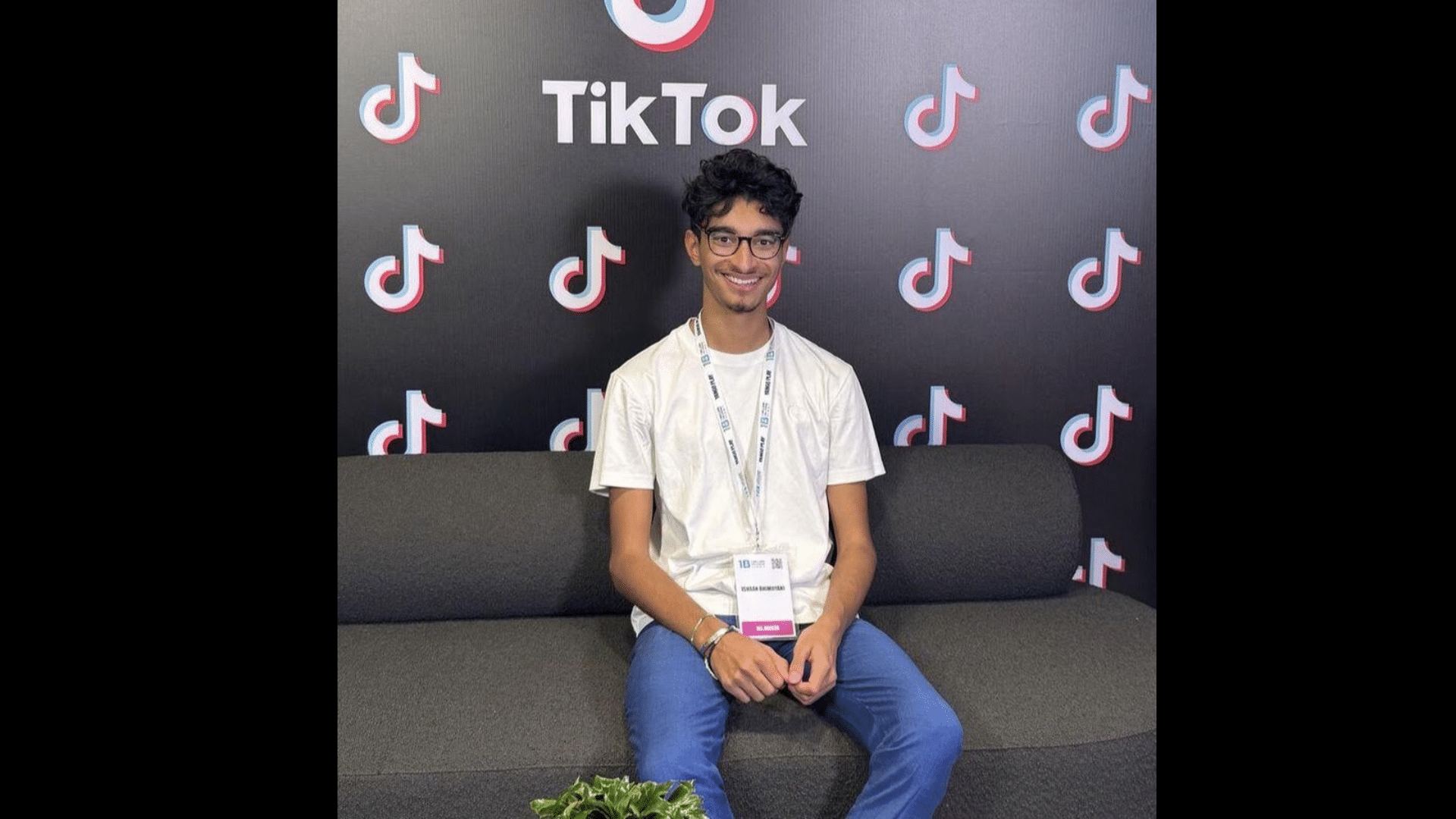
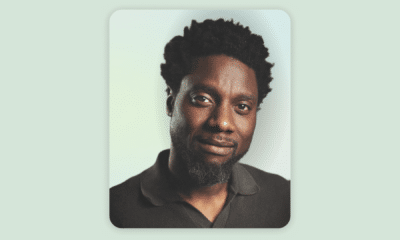
TapLab, a London agency that represents study creators and runs campaigns for brands targeting Gen Z, works from a lesson Ishaan Bhimjiyani, its founder and CEO, learned as a creator. Highly specific briefs, he says, sit badly with student audiences and are a weak route to results. Brands he worked with as a creator wanted content produced in a specific way. “The issue we had was it’s too prescriptive and it just doesn’t sit well with the audience and the kind of videos that creators normally produce,” he says.
TapLab now manages creators who make those videos. Ishaan founded the agency in London in 2022 after building a following as the education creator “Revishaan.” More than 100 creators are signed to it exclusively.
Representing the creators means TapLab knows which products they will use, Ishaan argues. That knowledge shapes how the agency prices campaigns and which brands it takes on.
Study Creators Are an Evergreen Niche
Ishaan traces the business case to the audience. TikTok study creators served a market brands wanted to reach, and it replenishes itself. “It’s an evergreen niche,” he says. “There’s always going to be student creators.”
He skipped university to build TapLab and says he never doubted that decision. “I just knew that this idea could work; there was potential,” Ishaan says.
Ishaan puts TapLab’s share of study creators in the UK at 99%, and says brands seeking educational creators “tend to come to us first.” For existing clients, TapLab has added AI search, SEO and on-campus marketing, he says.
In-House Creators Make Campaigns Easier to Build
TapLab started as a talent management agency that built a community of like-minded young creators, Ishaan says, and the brand campaign business followed. On that side, brands come to TapLab for help targeting Gen Z, and both sides draw on the same roster. “Because we have these creators in-house, it’s so much easier to develop campaigns right from scratch,” he says.
Under the talent management model, brands and agencies come for one to three creators, and TapLab takes a 20% margin. When a brand wants TapLab to build the campaign, it charges higher fees. Ishaan says planning starts by dividing the budget into how many creators it covers, what TapLab keeps as profit, and what goes to operating costs. He puts profit margins at 20% to 30%.
“We have to prioritize our internal creators and make sure they’re paid fairly for the work that they do,” Ishaan says. For briefs that call for creators outside the roster, a dedicated team reviews their content before TapLab pitches them to the brand. He calls it a long process, though not a hard one.
Usage Rights Are Capped at 30 Days Without Extra Fees
Pricing also depends on what brands may do with the content afterward. Startups often ask for usage rights that run forever or for very long periods, and TapLab refuses. “We just say it’s capped at 30 days unless you pay extra for usage rights,” Ishaan says. “We’ll never ever give away full usage rights.”
Exclusivity carries its own fee, he says, because it stops creators from working with other companies. TapLab has hard rules on both usage and exclusivity. Creators under 18 need a parent’s signature on contracts, but their fees are the same.
TapLab Turns Down Products Students Would Not Use
The limits extend to clients. TapLab recently turned away a large brand that wanted to promote a physical AI device, even though “their budget was amazing,” according to Ishaan. The brand wanted to reach as many people as possible, he says, but TapLab did not believe in the product.
The brand assumed Gen Z would keep the device on a desk and interact with it, and TapLab concluded its creators would not. “We had to just say, look, it’s not for us.”
The same screen applies to AI study tools. Ishaan told Net Influencer in 2022 that TapLab turned down vape companies because its audience was students. He still turns down brands that do not match its values, and has grown more selective with AI study apps, which multiplied in what he calls the “start of the AI era.”
TapLab checks that each AI tool benefits students and does not simply do their homework or enable cheating. “It has to have some sort of positive impact on their learning,” Ishaan says.
Conversions Require Paid Spend Behind Creator Content
Measures of success vary by client. Cost per conversion is the main number for startups, Ishaan says, while larger companies care more about brand awareness. TapLab has run many campaigns with banks, and tells them the main goal of Influencer Marketing is awareness.
“If you want conversions, you have to put the paid spend behind their content to guarantee the conversions and find out your true cost per acquisition,” he says. TapLab offers both services, Ishaan adds, though Influencer Marketing remains its focus.
Brands Misjudge Gen Z When They Hire Older Creators
Ishaan says brands often get Gen Z behavior wrong because they work with bigger, older creators. “It’s a bit annoying how they have these assumptions, and they think X will work well or Y will work well, but it really doesn’t,” he says. TapLab runs sessions with clients to explain who they are working with and what content performs. He ties this to prescriptive briefs, which serve brands poorly when they want results.
Some brands already work the way Ishaan prefers. He counts Apple and Samsung among the brands that give creators complete creative freedom and encourage them to test products and give feedback.
TapLab has held in-person events with Apple where creators visit its headquarters and receive devices for a year to make content, and has built a relationship with Apple’s product team. In 2022, Ishaan told Net Influencer that Apple was his dream collaboration, and he pictured receiving tech products to review. “I can’t believe we’ve done it,” he says.
Institutional clients add another layer. Working with NATO involved compliance, guidelines, and due diligence, which Ishaan calls “expected.” Creators were excited about the work, he says, and so was NATO, which he says had not commissioned influencers before.
TapLab Wants to Be Known as a Creator-Focused Agency
Ishaan’s personal aim is to sell TapLab to a bigger agency. Until that happens, the priority for next year is creator relations and the quality of the content creators produce. Brands will keep coming, he says, so the task is to represent creators whose editing and community are strong and who stay motivated to make content.
Ishaan highlights community as TapLab’s differentiator. Other agencies, especially larger ones, lack it, he says, because “everyone’s dotted around everywhere.” TapLab is niche in the UK, so it can meet creators in person, and it hosts events and intimate dinners every month.
Creators who move into beauty or lifestyle are told TapLab may no longer suit their brand work, though it invites them to stay in the community. His stated ambition is for TapLab to become “a powerhouse for educating students in the UK.”
Brand briefs have loosened since his own days as a creator, Ishaan says. “It’s kind of developed, which is good to see.”
His advice to marketers is short. “Let students be creative,” he says. “Let them give you guys ideas, let them steer the concepts, and be open to doing things in a fun, creative way.”
Subscribe to Our Newsletter
Check Out Our Podcast