

Agency
Why Genflow Is Honing In On Career Architecture To Empower The Next Generation Of Creators

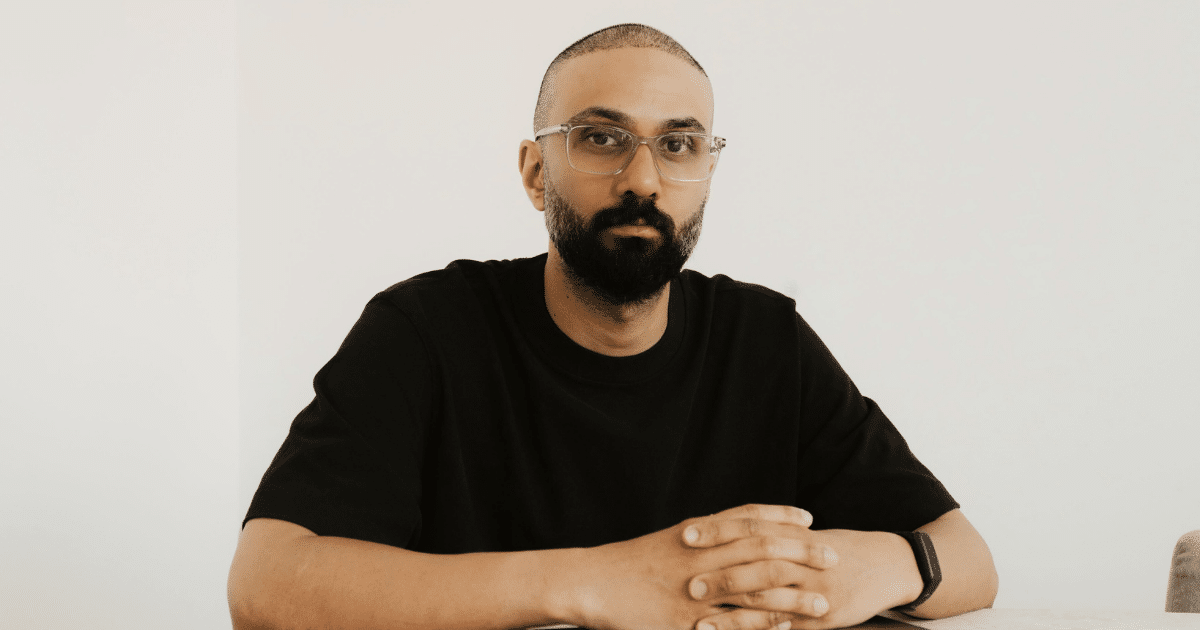
Saad Aslam has spent nearly a decade operating inside the creator economy, long before it became a mainstream business category. Today, he serves as Chief Growth Officer at U.S. & UK-based Genflow and co-founder and Managing Partner of GCA (Genflow Creators Agency), the talent management arm within the broader Genflow ecosystem.
Saad works across creator advocacy, growth strategy, and long-term career building. Rather than focusing narrowly on brand deals or short-term monetization, his remit centers on what he describes as “building infrastructure that supports long-term growth and success” for creators ranging from emerging storytellers to global media figures.
As creators increasingly resemble media companies and consumer brands in their own right, Saad believes the traditional agency model built primarily around commissions and deal flow is proving insufficient. He offers Genflow’s multi-division structure and GCA’s positioning within it as an example of how talent representation is meeting those new demands.
From Early Brand Experiments to Audience-First Thinking
Saad traces his entry into the creator economy to a formative experience more than seven years ago, when he worked with a high-profile athlete looking to launch a physical product for an existing audience. What struck him was not the mechanics of product development, but the reversal of the traditional business model.
“This wasn’t a brand trying to find customers,” Saad says. “The audience already existed. There was trust, there was familiarity, there was a genuine relationship in place.” Instead of guessing at demand, the process began with listening, understanding what an engaged community wanted, and building around that insight.
The experience cemented what Saad now refers to as an “audience-first approach,” one that has since become foundational to Genflow’s broader strategy. It also convinced him that creators were a fundamentally different type of entrepreneur whose influence, when properly supported, could translate into lasting businesses rather than one-off revenue spikes.
Genflow as an Ecosystem, Not a Single-Line Business
Founded more than eight years ago, Genflow was designed from the outset to operate beyond the boundaries of traditional influencer marketing. Under its umbrella, the company develops and scales creator-led brands, often through co-ownership structures that align creators with long-term equity rather than purely transactional income.
Saad describes Genflow today as “an ecosystem that is designed to support creators at every single stage,” spanning content strategy, partnerships, brand building, and eventually business ownership. While the company has expanded into multiple tracks over time, that ecosystem mindset was present early on, driven by founder Shan Hanif’s belief that creators would eventually become “media companies of tomorrow.”
Within that structure, GCA plays a distinct but complementary role.
Why GCA Exists
GCA was formally launched five years ago after Saad identified an imbalance in how different types of talent were supported. Traditional athletes and entertainment figures, he observed at the time, often had deep teams focused on long-term planning and career architecture. Creators, by contrast, were frequently managed on a deal-by-deal basis.
“What I realized is that influencers deserved the same attention as high-profile A-listers,” Saad says. “They’re creating content every single day, talking to a community every single day. They needed the same level of infrastructure around them, and it didn’t really exist.”
GCA was built to address that gap. Structurally, it operates as a conventional talent management agency, handling representation, partnerships, and negotiation, but its internal approach emphasizes strategy, planning, and sustained growth over volume.
At a high level, Saad explains the distinction simply: GCA serves as the “right-hand team” for creators, guiding them through opportunities and decisions, while Genflow’s brand-building arm engages when a creator is ready to launch or scale a product or business of their own. The two sides remain deliberately separate, allowing each to focus on its core expertise while benefiting from shared insight.
Why Deal Execution Is No Longer Enough
As creators’ reach and influence increasingly rival traditional media outlets, Saad argues that management itself must change. “That level of influence is going to require far more than just deal execution,” he says. “It requires strategic direction, content architecture, and decision-making built around the long term.”
At GCA, management is framed less as transactional representation and more as operational partnership. Saad describes the agency’s role as “almost operators of the careers of creators,” responsible not just for securing opportunities, but for shaping how those opportunities compound over time.
This includes platform diversification, content planning, and guidance on when to pursue (or walk away from) certain deals. “We are not a yes agency,” Saad says. “We tell the truth and do what’s right for the creator over a long period of time.”
Creator Advocacy as a Structural Practice
That emphasis on advocacy is most evident in how GCA approaches decision-making. Rather than optimizing for short-term revenue, Saad reveals that managers are encouraged to evaluate opportunities based on long-term impact, sometimes advising creators to wait months for a better-aligned partnership.
Advocacy also extends beyond business considerations. Saad is explicit about the importance of creator well-being, noting that burnout and mental health strain remain persistent challenges in the industry. “We’re a human-first business,” he says, describing how GCA works with creators on habits, routines, and personal sustainability alongside commercial strategy.
This holistic approach reflects Saad’s belief that creators are not just content producers, but individuals whose capacity to create depends on stability, trust, and support.
One Size Does Not Fit All
GCA’s roster spans creators at vastly different levels, from early-stage storytellers to large-scale personalities with millions of followers. Saad insists that success cannot be defined by a single outcome or growth trajectory.
“We recognize clearly that success is not one thing,” he says. “Everyone is assessed at where they are, and then we build around that accordingly.”
That flexibility shapes how resources are allocated internally. GCA intentionally limits the number of creators each manager represents, prioritizing depth of engagement over scale. “That ratio matters,” Saad says. “If it’s too big, that’s not really management. That’s more sales.”
How Brands Are Changing and Where Collaboration Is Heading
From the brand side, Saad sees encouraging signs of maturation. While early influencer marketing often relied on rigid briefs and transactional campaigns, he notes a growing willingness among brands to collaborate more closely with creators and their representatives.
“The future is collaboration,” he says. “Understanding the creator, their audience, the demographic, and building together.”
He also points to longer-term partnerships, ambassadorships, and In Real Life experiences as areas of growing opportunity, reflecting a shift away from one-off activations toward sustained alignment between creators and brands.
The Agency Model, Reimagined
Saad believes agencies must continue expanding their scope as creators’ ambitions broaden. Podcasting, publishing, acting, streaming, and business ownership, he argues, are now realistic career paths for top creators, and management teams must be equipped to support that complexity.
“Creators are businesses in their own right,” he says. “They’re media empires in their own right. That shift requires management to bring more than just endorsements.”
For Genflow and GCA, the goal is not to force every creator down the same path, but to know “when to push, when to protect, and when to unlock the next level.”
A Maturing Industry and a Long-Term View
After years of advocating for the creator economy’s legitimacy, Saad shares that the most exciting part of his work today is seeing that vision realized. He highlights how traditional businesses are hiring creator-economy consultants, platforms are investing heavily in creator tools, and creators themselves are being taken seriously as economic actors.
Still, he remains focused on the fundamentals. “We want to represent creators who care deeply about content,” he says. “People who understand that content isn’t just output. It’s influence, responsibility, and connection.”
The industry continues to professionalize, and Saad’s approach offers a throughline: sustainable creator careers are built not through volume or speed, but through thoughtful infrastructure, honest advocacy, and long-term alignment.
“There is an audience for everyone,” he says. “That audience will find you if you put out content that speaks to them.”
Subscribe to Our Newsletter
Check Out Our Podcast