




Agency
TopRank Marketing’s Lee Odden: Choose B2B Creators for Trust, Publish for AI Discovery, Stay Always-On

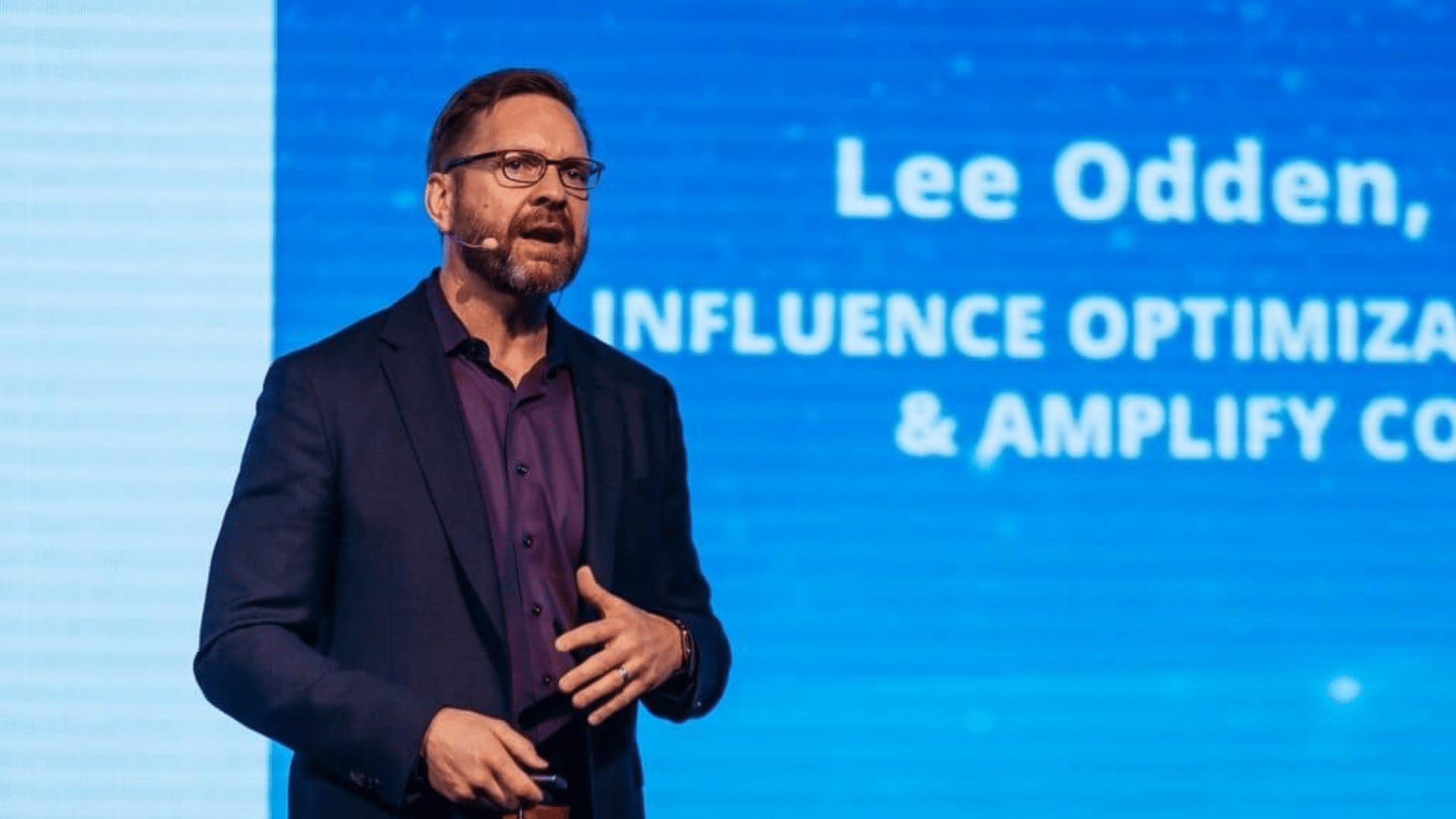
“There’s no visibility without credibility, without trust, without influence, says Lee Odden, CEO of TopRank Marketing. This perspective reflects his read of B2B discovery, where buyers and answer engines both lean on trusted third-party voices that brands have to keep close over time.
Lee’s agency, founded in 2001 and based in Minneapolis, sells B2B brands a “Best Answer Marketing” framework that integrates content, influence, search and social media so buyers find them wherever they look.
Influencers have been part of that architecture since around 2014, when TopRank secured contributors for Dell’s “TechPage One” program. The agency works with enterprise clients such as LinkedIn and Siemens, alongside mid-market companies like Sprinklr and Antea Group. Lee, who co-founded the firm, returned as full owner and CEO in 2025 after seeing an opportunity to grow the business with a talented team and an opening in the flood of AI-generated content. “AI can optimize, but the inspiration and ideation come from humans,” he says.
TopRank’s fifth “B2B Influencer & Creator Marketing Report,” a survey of 424 senior marketers fielded with Ascend2, shows how few brands have built that thinking into creator programs. While 86% rate AI visibility as at least moderately important, only 21% list it as a primary influencer program goal. Lee’s prescription starts with creator selection.

Trust Outweighs Reach When Buyers Decide
Picking a creator at TopRank begins with channels. An audience intelligence tool maps where a client’s ideal customer profile spends time online, and the agency matches an influencer archetype to each channel: a video creator for YouTube or an academic for newsletters.
According to Lee, many marketers oversimplify influencer selection. “People were using influencers like a blunt instrument, like a switch. You’re an influencer, or you’re not,” Lee says.
The buying stage decides how much reach matters. For awareness, TopRank might use a famous figure with a large audience. To build decision confidence before a purchase, a practitioner who speaks the buyer’s language is a better fit. “They might have 8,000 followers on LinkedIn. It doesn’t matter, because they are able to inspire trust with the right people,” he explains.
Buying committees also include passive influences such as finance, IT, and HR, so Lee argues programs need different creator types to influence different roles. For large enterprises, in his view, one deal a year from an influencer program could pay for an entire program. TopRank’s survey shows the same priority, with 46% of marketers selecting creators for trustworthiness against 30% for audience size. Follower count becomes one input among several, and AI answer engines are adding another.
AI Citations Now Enter Creator Deals
That second audience is harder to pay for. On how AI visibility might factor into creator compensation, Lee sees no clean way to compensate creators for AI citations that accrue after a contract ends, because the citations themselves are inconsistent. “We know from other research and our experiences that buyers are not going to get the exact same answers every single time,” he says.
A brand can pay for six months of reuse on its own channels because it controls those placements, Lee notes, but it cannot control AI answers. So TopRank moves the question to vetting. “Specifically, when we’re qualifying that influencer, we’re going to see if they’re being cited with the content that they’re already publishing,” he says. A higher citation rate on the prompts a client cares about gets factored into the deal.
According to TopRank’s survey, 48% of marketers who connect influence to AI search optimization see their brand cited in AI answers, compared with 26% of those who don’t. Citation history works as a credential priced at signing, since the brand cannot meter it afterward. What earns citations in the first place is largely a question of format.
Answer Engines Read the Transcript
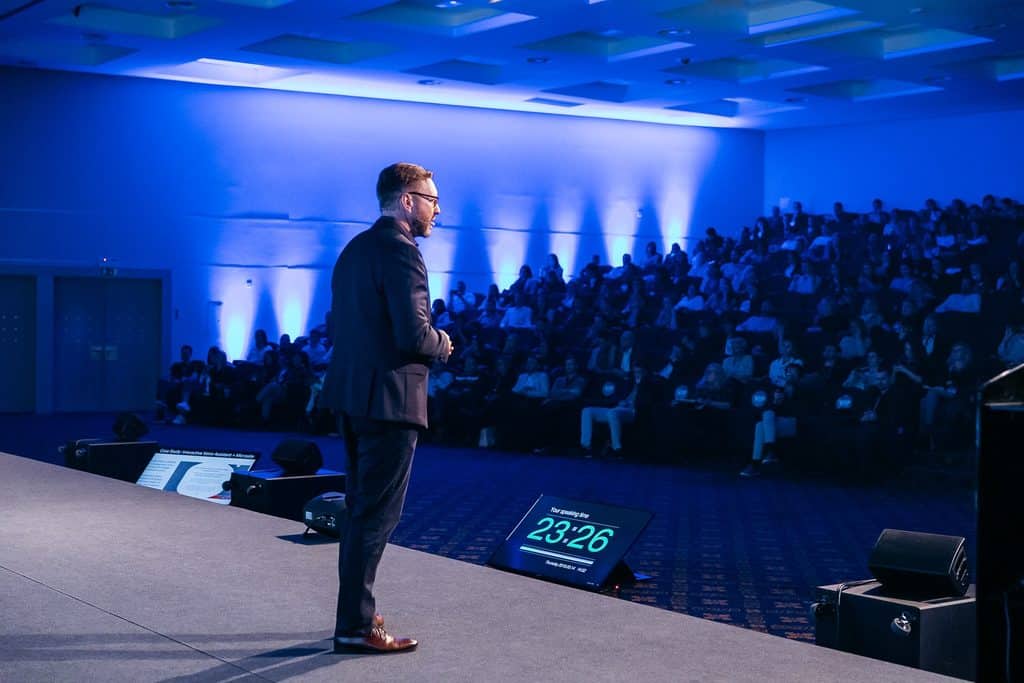
“Text is the name of the game as it relates to retrieval that’s in real time, but also for the learning models,” Lee says.
He calls the video podcast one of the most durable formats, mainly for the transcripts it produces. For his podcast, “Beyond B2B Marketing,” he publishes the full transcript as a blog post, then a second “AI version” article that opens with a TL;DR summary and lays out each question with the guest’s answer. Guest quotes go into a swipe file for reuse later, and Lee keeps every interview transcript in a Claude project to pull them on demand.
He runs the same playbook on his own agency. Lee attributes more than $3 million in pipeline this year to TopRank’s thought leadership, which he says has produced the vast majority of its inbound business. One recording, handled this way, keeps putting citable text into circulation, which is why Lee ties citations to duration.
Always-On Programs Compound Credibility
Duration is the finding Lee returns to most often. “When you’re engaging with a group of influencers over a long period of time, you’re creating a compounding effect,” he says. That longevity builds what he calls a “momentum of credibility,” which campaigns run here and there do not.
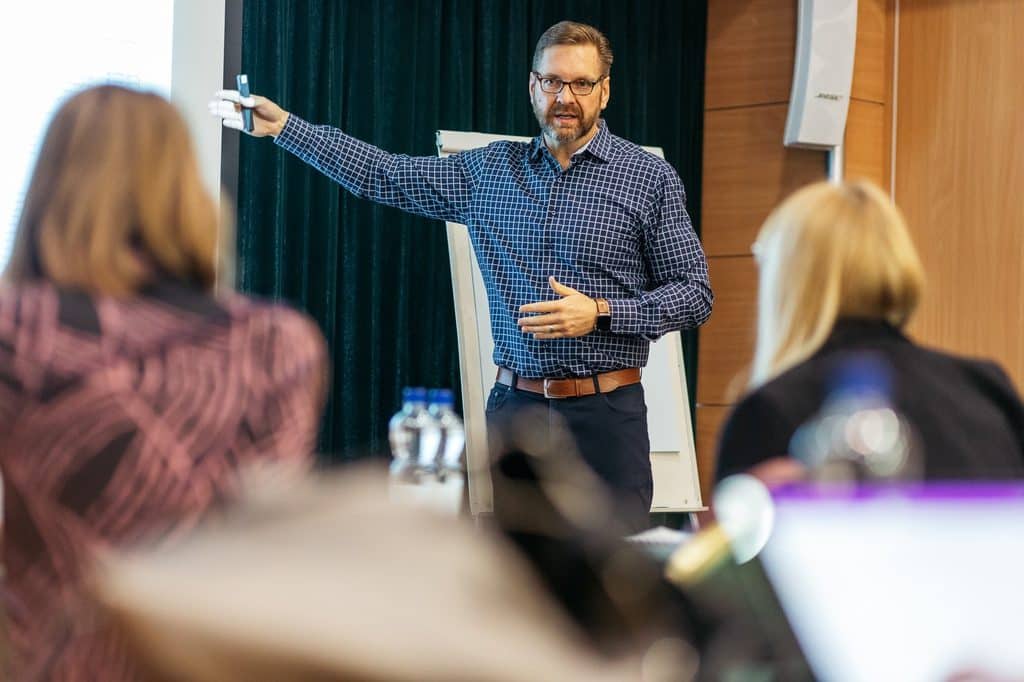
In TopRank’s survey, 72% of very effective programs run always-on engagement against 27% of all others, and 42% of always-on programs attribute revenue to influencer work against 24% of campaign-based ones. Lee says the link has held across all five reports.
He argues three B2B lessons carry over to those who run consumer brands: experiential content, a documented strategy, and an always-on program. Very effective programs are more than three times as likely as others to have a fully documented strategy, 73% against 22%. “If you’ve got a partnership with an influencer and their behavior and content and personality resonates with your audience, why make them go away?” he asks.
A continuous program still needs an owner inside the company.
The Head of Marketing Should Own AI Visibility
Lee heard the same question when companies argued over whether social media belonged to marketing, PR, or comms. AI touches every role similarly, so he would give the head of marketing responsibility for AI visibility and run execution as an integration effort. SEO teams are absorbing much of that work, he observes, because prompting is a search behavior.
“Companies need to stop running SEO separate from content, from social,” Lee says.
TopRank’s data puts AI search optimization at the widest integration spread between very effective programs and the rest, 49% against 27%. Only 37% of marketers have connected Influencer Marketing to AI search at all. “You’re going to get so much more value out of your influencer investment if it integrates with your SEO team and the AEO that they’re doing and your content and social team,” he says. Integration only matters, though, if creators agree to the work.
Creators Say Yes to Brands They Know
Agreement is one of the biggest problems Lee hears from new clients, who tried running programs alone or with another agency and could not get influencers to say yes, even offering a lot of money. “It’s a great time to be an influencer,” he says. As more agencies add B2B influence to their services, Lee argues, long-standing relationships with a community of influencers are a large advantage.
He learned the dynamic early. A themed e-book TopRank built from interviews with Content Marketing World speakers was mentioned by other speakers in their presentations at the conference. “Their investment in helping you make that content is going to inspire them to make it successful. Even more than if you paid them,” he says.
As a paid influencer for Adobe, Oracle and IBM, Lee also learned to watch whether brands share goals and measurement with creators or treat them “just as an output mechanism.”
Creator Communities Are Lee’s Next Bet
Lee expects community to play a growing role, on the view that everyone is influential about something. His best experiences as an influencer came when Adobe connected its influencers with each other, and he wants to build similar communities for clients, including people still coming up.
He also argues against delay. Training models carry a layer of history, he says, and TopRank’s years of research and blog posts already sit in it. “If we waited, we wouldn’t have that,” he says.
“If they care, they’ll share” is his shorthand, and community is how a brand creates that care. “If you work with a famous influencer, they’re your friend for the campaign. If you help someone become influential, they’re your friend for life,” Lee says.
The full “B2B Influencer & Creator Marketing Report” can be found here.
Subscribe to Our Newsletter
Check Out Our Podcast