



Tech
The Podcast Consultant Is Acquiring Its Way to Scale, and CEO Karl Hughes Has Already Mapped the Risks

Most business podcasts fail not because of poor production, but because brands quit. Karl Hughes is building a company around the ones that don’t, and now he is using acquisitions to do it faster.
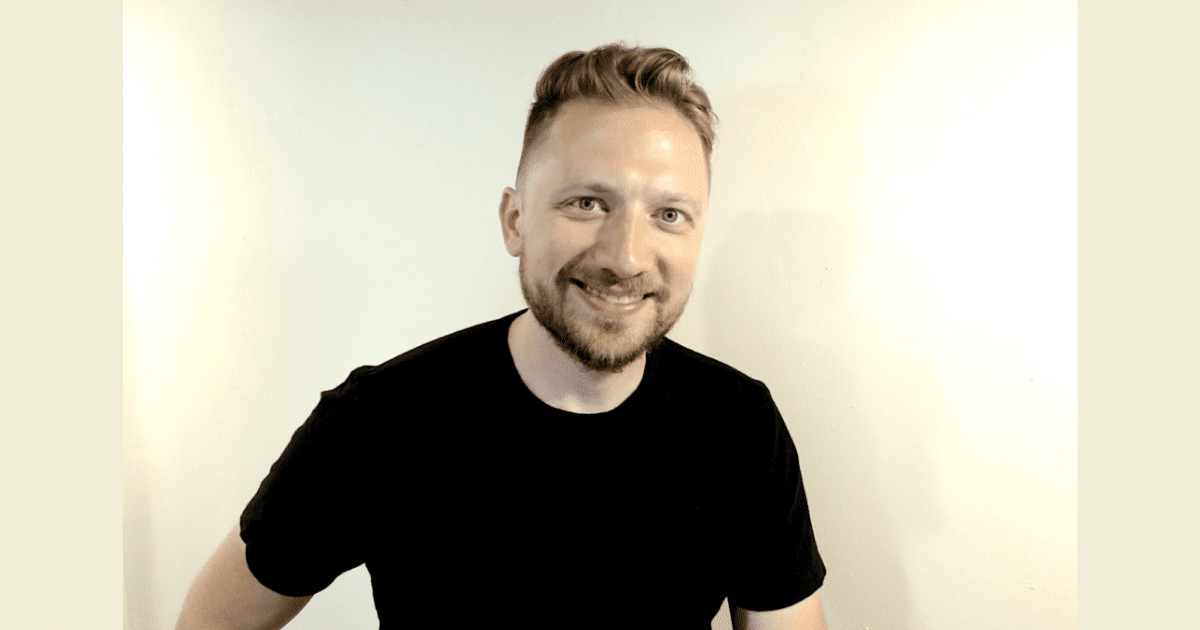
Karl is CEO of The Podcast Consultant, a Chicago-based podcast production agency he bought in 2023 with business partner Manuel Weiss. He did not arrive as a podcast professional. He came from software engineering, then built Draft.dev, a content agency serving developer tool companies, to $2.5 million in annual revenue before pivoting to audio. That background, Karl says, gave him something more useful than production credentials: the perspective of a business operator trying to figure out a medium while running something else entirely.
“I didn’t come into this as an experienced podcaster,” he says. “I think it’s important to know what your strengths are and what your limitations are.”
Since the acquisition, the company has grown to more than 24 audio engineers and editors, producing over 10,000 episodes for a client base that now exceeds 150 active shows, according to Karl. Clients include “Invest Like the Best,” “Capital Allocators,” “The Business Brew,” and “For Your Innovation” by ARK Invest. The focus is financial services, professional services, and higher education: sectors where long-form audio maps directly to business development outcomes.
This month, The Podcast Consultant announced its acquisition of Sundial Media, a boutique production firm founded in 2024 by Adam Hendricks and Pat Kicklighter. Sundial helped clients collectively surpass one million downloads in under two years. Adam, who previously served as VP of Operations at Resonate Recordings, has joined The Podcast Consultant in an operations leadership role. Karl says additional acquisitions are already in the pipeline.
A Portfolio Built on Tiered Need
The Sundial deal is the first public step of a consolidation strategy: acquiring founder-led production companies to build a platform capable of serving clients across a wide range of budgets and production requirements.
Karl’s core argument is that podcast production is bifurcating. A Fortune 500 company investing six figures in branded audio has entirely different requirements from a solo operator running a weekly interview show. A single service model cannot do both well.
“A small company that’s a business coach who wants to interview people in his world every week doesn’t need to spend $100,000 a year to have a very good, successful podcast,” Karl says.
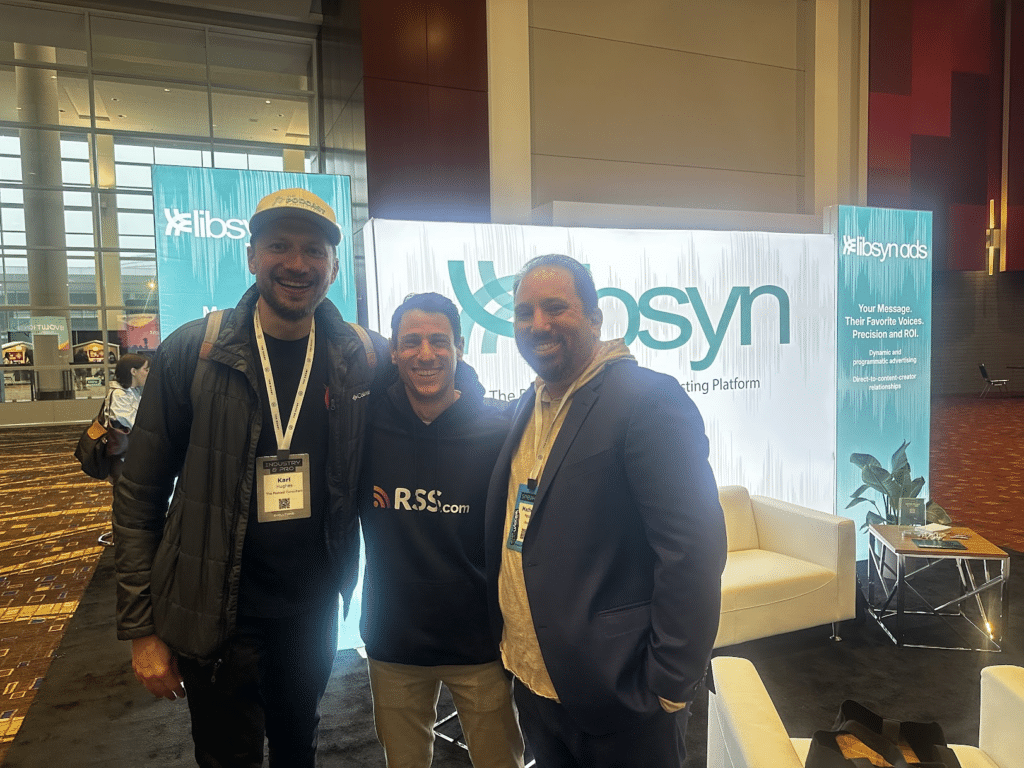
His solution is a portfolio of companies that share operational infrastructure while keeping distinct client-facing identities and pricing structures. Sundial’s founders bring two decades of production experience between them. Pat Kicklighter’s credits span work for Tenderfoot TV, Audiochuck, and productions for HGTV and TruTV, including “Culpable” and “To Live and Die in LA”. Adam carries chart-topping production credentials from Resonate Recordings. That accumulated knowledge, Karl says, is what he is really acquiring.
“The ability to bring them on and absorb some of that knowledge is huge,” he says.
Two Ways This Breaks
Karl identifies two failure modes for the model, and he raises both without prompting.
The first is pricing displacement. As production companies merge and standardize their cost structures, smaller clients who relied on boutique rates could find themselves priced out or underserved by a company that has grown past them.
“By merging these companies together, in some ways, we realize we’ve priced ourselves out of some portion of the market,” Karl says. “Now those people don’t have that reliable service provider they once had.”
The second risk is cultural. Founders who sell or merge their businesses into larger organizations often experience regret. Karl wants to build an environment where acquired operators can maintain their entrepreneurial edge inside a growing company. He admits he does not have the answer yet.
“If I do all this, I build this platform and all these companies are coming together, but then I fail to make it a sustainable place where they can thrive, that’s a big failure mode,” he says.
His response to both risks is transparency. When The Podcast Consultant acquires a company, the first priority is operational continuity. Process changes and pricing adjustments come later, with lead time and direct communication. When clients cannot afford the combined company’s service tiers, Karl says he refers them to freelancers rather than leaving them without options.
“If I can’t help them, I want to give them somewhere else where they can get the help they need, even if it’s not me,” he says.
The Year-One Insight Brands Keep Missing
The acquisition story is the news, but Karl’s most direct observation about the podcasting industry is more basic: brands overcommit and quit, and they almost always quit before the medium has had a chance to deliver.
The pattern repeats across the client base. A brand launches with eight episodes a month, ambitious guests, and polished production, then goes quiet by month four. Karl’s standard recommendation is to start with two internal episodes per month until the format actually feels sustainable.
“Somebody who’s never done a podcast before doesn’t really know what they’re into until they get in there,” he says. “Build a system that makes it sustainable for you.”
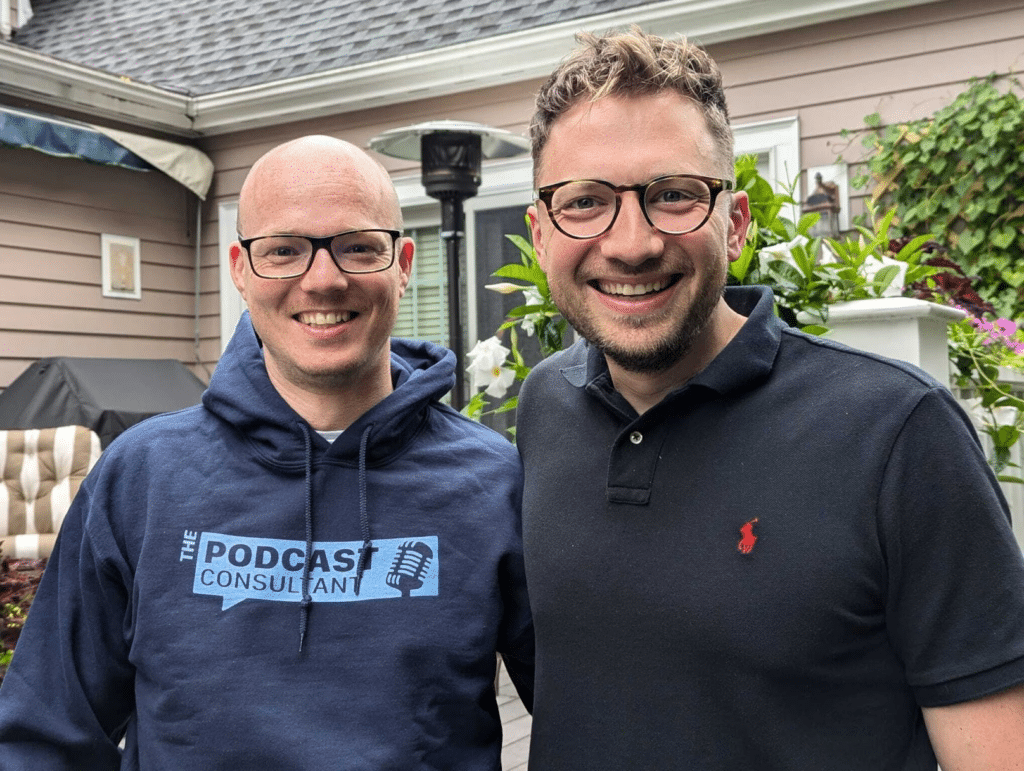
The deeper insight, and the one Karl says most brands consistently undervalue, is where the return on a business podcast actually lives in year one. Audience growth is slow regardless of production quality or episode cadence. But the people a brand invites onto its show as guests create something more immediate: relationships with potential customers, strategic partners, and industry figures who would not otherwise take a meeting.
“For most brands, they will get as much value in the first year from the people that they have on as guests as they do from their listeners,” Karl says. “Sitting down with someone for an hour and asking them a bunch of questions about themselves is a really good way to build a relationship.”
His advice: treat year one as relationship infrastructure. Turn attention to listener growth in year two.
Trust Becomes the Scarce Asset
Karl’s investment thesis, consistent across Draft.dev and The Podcast Consultant, is that trust compounds over time in ways other content formats cannot replicate. He sees AI confirming that thesis rather than threatening it.
As generated content floods the web at lower cost and higher volume, audience trust in what they consume degrades. Podcasting, in Karl’s view, is one of the formats where the human signal remains hardest to fabricate convincingly.
“AI is going to make some of the nuts and bolts and tactical stuff easier,” Karl says. “But you don’t build trust with a machine, you build trust with real people.”
That belief also shapes how The Podcast Consultant has expanded its services. Clients producing podcasts increasingly want social clips, YouTube channel management, and scheduling handled by the same team. Those additions drive revenue from existing relationships rather than new client acquisition, and they position the company at the intersection of audio and video as YouTube distribution becomes standard for most shows.
“Most shows should probably have a video option at this point,” Karl says, citing the discovery advantages YouTube offers over purely audio formats.
From 150 Shows to the Hundreds
Five years out, Karl’s goal is to serve hundreds, eventually thousands, of businesses across different production tiers. The specific number matters less to him than the underlying architecture.
“I want to help businesses build really high trust channels that they can use to build relationships with customers, partners, and audiences of all kinds,” Karl says.
Whether a roll-up model can sustain that kind of trust-focused, client-by-client production work at scale remains the open question. Karl is two acquisitions into a strategy still being field-tested, with more deals ahead. He knows where the tensions are. He does not yet know how they resolve.
“I’ll let you know in a couple of years,” he says.
Subscribe to Our Newsletter
Check Out Our Podcast