Streaming audiences are becoming more deliberate about when and how they watch content, gravitating toward larger screens, free platforms, and fandom-driven programming, according to new research published by Tubi, the Fox-owned ad-supported streaming service.
The findings come from “The Stream 2026,” the sixth annual installment of Tubi’s audience research series, conducted by The Harris Poll. The survey polled 2,500 U.S. adults aged 18 and older who stream video for at least one hour per week, and was fielded between November 24 and December 2, 2025.
Intentional Viewing Drives Attention to TV Screens
The report’s central finding is that viewers are increasingly treating streaming as a purposeful activity rather than passive background consumption. 55% of respondents report streaming TV or movies for one to three hours in one session, while 46% report streaming three or more hours in a single session, a 9% year-over-year increase.
Viewers are also gravitating toward television sets as a marker of intentional viewing. 51% of respondents say they stream on a television or larger screen, and 45% say they create a comfortable environment before watching. 42% watch with family, friends, or a partner.
That intentionality translates into measurable engagement. 90% of viewers say they are most engaged while streaming TV and movies, compared with 82% for live events and 79% for social media. On-demand streaming, where viewers choose what to watch and when, captures higher reported attention than channel-based streaming (78%) and cable or satellite viewing (71%). Among TV viewers, on-demand streaming drives a 27% higher attention rate than cable or satellite viewing, according to the report.
77% of respondents say they would rather watch content on demand than tune in to a scheduled program.
Subscription Fatigue Accelerates Shift to Ad-Supported Services
Economic pressure is reshaping how audiences allocate their entertainment budgets. 74% of respondents say they have canceled or would cancel a paid streaming subscription in response to a price increase. 67% say they have skipped watching a new show or movie after discovering it required a paid subscription.
Viewers cutting subscription spending are not eliminating entertainment budgets entirely. Among Gen Z respondents, 79% say they plan to redirect those savings toward small daily purchases such as coffee, snacks, or personal care items.
The shift is benefiting free, ad-supported streaming services. 82% of respondents say switching to a free streaming service would help them avoid rising costs. 76% say they would rather watch content on a free platform with ads than on a paid platform with ads, up 8% year over year.
Audiences are also showing greater tolerance for advertising in the free-streaming context. 84% of respondents, and 90% of Gen Z viewers specifically, say they view ads as a fair trade-off for accessing free content. 73% say they would rather watch ads while streaming and receive an extra coffee each month than pay full price for an ad-free service. Audiences accepting of ads during streaming rose 12% year over year, according to the report.
Ad relevance matters to viewers as well, with 78% saying ads feel more acceptable when they are relevant to their interests.
Fandoms Influence Platform Loyalty and Purchasing Behavior
The report identifies fandom as an increasingly significant factor in how viewers select platforms and respond to advertising. 68% of respondents say they feel seen when a streaming service helps them discover a new fandom or niche, and 73% say they feel seen when a streaming service suggests content from genres or creators they already follow.
Movies and TV shows ranked as the top sources of fandom among respondents, above music at 34% and sports teams at 30%. 65% of viewers say they feel part of a community based on the movies and shows they watch, up 15% year over year.
Platform loyalty follows fandom alignment. 74% of respondents say they are loyal to streaming services that support their fandoms. 67% say they are more likely to support brands when their fandoms are reflected in advertising, such as through a spokesperson or collaboration tied to a favorite show.
Fandom also carries direct commercial implications. 68% say being part of a fandom inspires them to try new products. Half of viewers report purchasing apparel tied to movies and shows they follow, while 37% subscribe to those shows, and 30% attend live events associated with that content.
Creator Content Gains Parity With Studio Programming
Viewer attitudes toward creator-produced content are shifting, particularly among younger audiences. 67% of respondents say digital creator content feels more original than most TV shows or movies. 63% say watching creator content feels no different from streaming a TV show. 56% say they consider creators to be celebrities comparable to Hollywood talent.
77% say they want access to creator content alongside movies and TV shows on one platform. 76% want more original content from independent or smaller creators, up 6% year over year, and 73% say they like watching smaller creators because it feels like direct support, up 10% year over year.
Nostalgia viewing also remains a powerful draw. 97% of respondents say they are interested in watching content released 10 or more years ago. 63% say the top reason for watching older content is simply that it is good, compared with 26% who select content primarily based on how new it is.
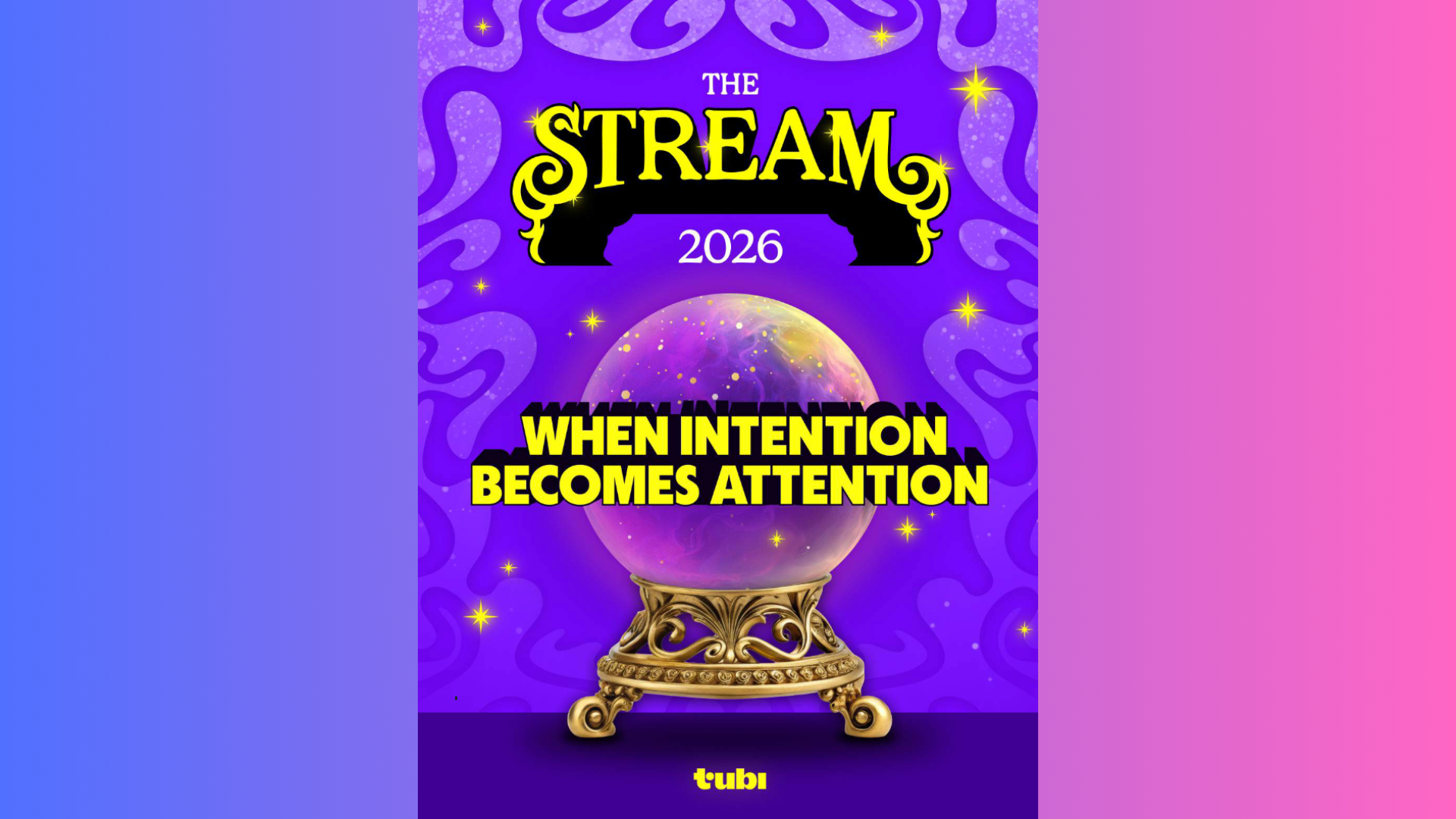
Image source: Tubi Follow this link for the full research
Dragomir is a Serbian freelance blog writer and translator. He is passionate about covering insightful stories and exploring topics such as influencer marketing, the creator economy, technology, business, and cyber fraud.














Streaming audiences are becoming more deliberate about when and how they watch content, gravitating toward larger screens, free platforms, and fandom-driven programming, according to new research published by Tubi, the Fox-owned ad-supported streaming service.
The findings come from “The Stream 2026,” the sixth annual installment of Tubi’s audience research series, conducted by The Harris Poll. The survey polled 2,500 U.S. adults aged 18 and older who stream video for at least one hour per week, and was fielded between November 24 and December 2, 2025.
Intentional Viewing Drives Attention to TV Screens
The report’s central finding is that viewers are increasingly treating streaming as a purposeful activity rather than passive background consumption. 55% of respondents report streaming TV or movies for one to three hours in one session, while 46% report streaming three or more hours in a single session, a 9% year-over-year increase.
Viewers are also gravitating toward television sets as a marker of intentional viewing. 51% of respondents say they stream on a television or larger screen, and 45% say they create a comfortable environment before watching. 42% watch with family, friends, or a partner.
That intentionality translates into measurable engagement. 90% of viewers say they are most engaged while streaming TV and movies, compared with 82% for live events and 79% for social media. On-demand streaming, where viewers choose what to watch and when, captures higher reported attention than channel-based streaming (78%) and cable or satellite viewing (71%). Among TV viewers, on-demand streaming drives a 27% higher attention rate than cable or satellite viewing, according to the report.
77% of respondents say they would rather watch content on demand than tune in to a scheduled program.
Subscription Fatigue Accelerates Shift to Ad-Supported Services
Economic pressure is reshaping how audiences allocate their entertainment budgets. 74% of respondents say they have canceled or would cancel a paid streaming subscription in response to a price increase. 67% say they have skipped watching a new show or movie after discovering it required a paid subscription.
Viewers cutting subscription spending are not eliminating entertainment budgets entirely. Among Gen Z respondents, 79% say they plan to redirect those savings toward small daily purchases such as coffee, snacks, or personal care items.
The shift is benefiting free, ad-supported streaming services. 82% of respondents say switching to a free streaming service would help them avoid rising costs. 76% say they would rather watch content on a free platform with ads than on a paid platform with ads, up 8% year over year.
Audiences are also showing greater tolerance for advertising in the free-streaming context. 84% of respondents, and 90% of Gen Z viewers specifically, say they view ads as a fair trade-off for accessing free content. 73% say they would rather watch ads while streaming and receive an extra coffee each month than pay full price for an ad-free service. Audiences accepting of ads during streaming rose 12% year over year, according to the report.
Ad relevance matters to viewers as well, with 78% saying ads feel more acceptable when they are relevant to their interests.
Fandoms Influence Platform Loyalty and Purchasing Behavior
The report identifies fandom as an increasingly significant factor in how viewers select platforms and respond to advertising. 68% of respondents say they feel seen when a streaming service helps them discover a new fandom or niche, and 73% say they feel seen when a streaming service suggests content from genres or creators they already follow.
Movies and TV shows ranked as the top sources of fandom among respondents, above music at 34% and sports teams at 30%. 65% of viewers say they feel part of a community based on the movies and shows they watch, up 15% year over year.
Platform loyalty follows fandom alignment. 74% of respondents say they are loyal to streaming services that support their fandoms. 67% say they are more likely to support brands when their fandoms are reflected in advertising, such as through a spokesperson or collaboration tied to a favorite show.
Fandom also carries direct commercial implications. 68% say being part of a fandom inspires them to try new products. Half of viewers report purchasing apparel tied to movies and shows they follow, while 37% subscribe to those shows, and 30% attend live events associated with that content.
Creator Content Gains Parity With Studio Programming
Viewer attitudes toward creator-produced content are shifting, particularly among younger audiences. 67% of respondents say digital creator content feels more original than most TV shows or movies. 63% say watching creator content feels no different from streaming a TV show. 56% say they consider creators to be celebrities comparable to Hollywood talent.
77% say they want access to creator content alongside movies and TV shows on one platform. 76% want more original content from independent or smaller creators, up 6% year over year, and 73% say they like watching smaller creators because it feels like direct support, up 10% year over year.
Nostalgia viewing also remains a powerful draw. 97% of respondents say they are interested in watching content released 10 or more years ago. 63% say the top reason for watching older content is simply that it is good, compared with 26% who select content primarily based on how new it is.
Image source: Tubi
Follow this link for the full research
Subscribe to Our Newsletter
Check Out Our Podcast