Brand-creator partnerships are moving faster than most marketing organizations can keep up. The brands still running one-off influencer campaigns are not just behind. They’re paying more to get less.
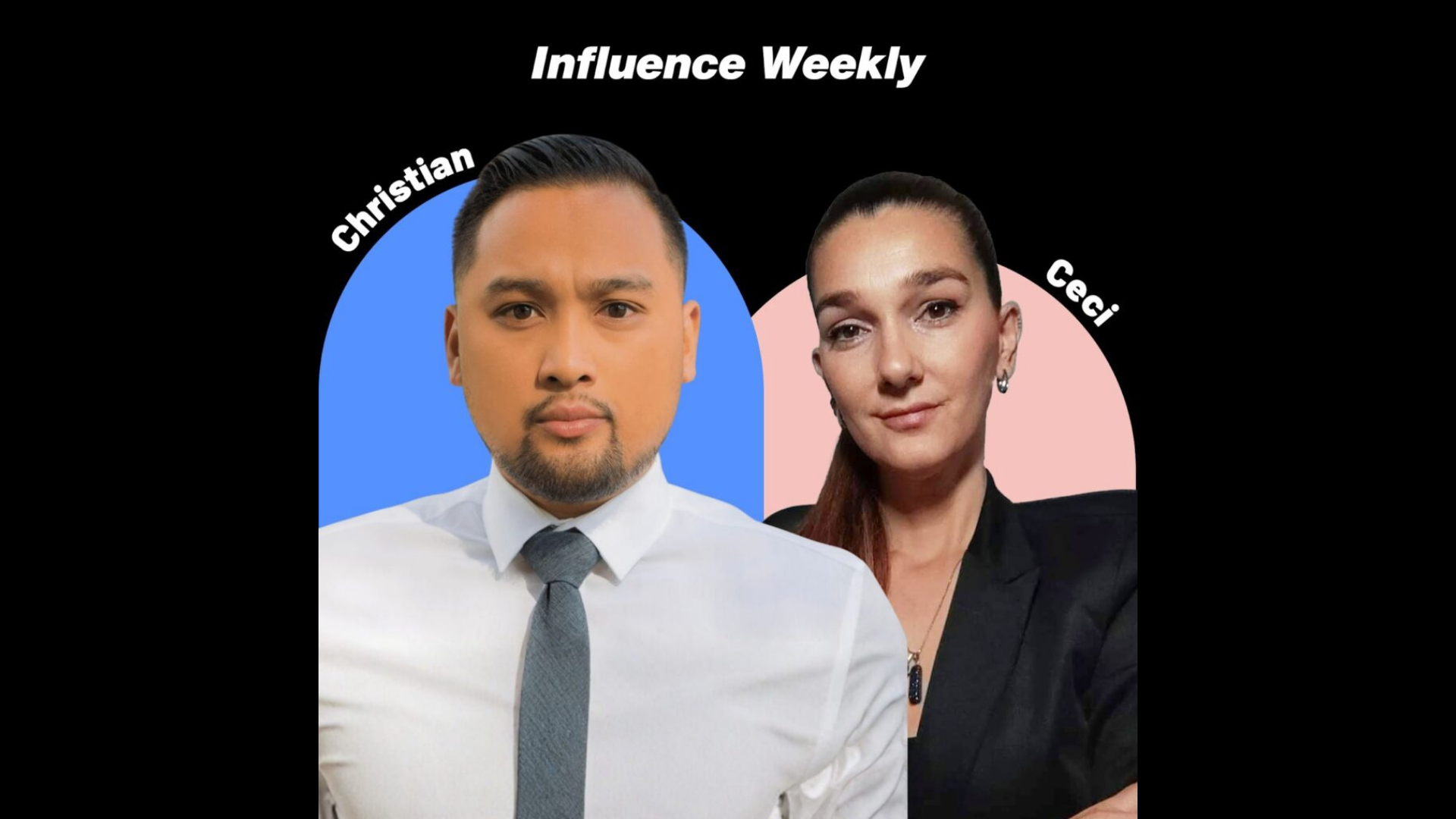
Christian Liquigan has spent 15 years watching this dynamic play out across the digital advertising stack. He was among the first enterprise sellers at TikTok during the pandemic, then moved to Captiv8 before joining Spotter earlier this year as Director of Brand Partnerships. At Spotter, he sits at what he describes as “the intersection of capital, data, and media,” helping creators scale into full production businesses while helping brands plug into those ecosystems in repeatable ways.
The conversation with Net Influencer’s Senior Editor, Ceci Carloni, covered why creators now function like networks, where scaled creator programs break down, and what CMOs should actually change first.
1. Creators Are Running Media Businesses. The Marketing Playbook Hasn’t Caught Up.
The industry framework is outdated.
“For a long time we’ve been trying to fit creators into a system that was traditionally built for media,” Christian said. But creators don’t operate like placements. They operate like publishers with production schedules, recurring formats, and programming logic.
The evidence is already in the numbers. YouTube is now a $40 billion ad platform, driven largely by creator content. “That’s when we really started to realize that this isn’t just influencer marketing anymore,” Christian said. “It really is this creator TV side of the business.”
The shift matters for how brands budget, plan, and measure. Treating a creator like an ad unit produces ad unit results.
2. Attention Isn’t Fragmented. It’s Distributed.
The common diagnosis of fragmented consumer attention misses the actual dynamic.
“Attention isn’t fragmented, it’s distributed,” Christian said. “Creators are the connective tissue across all of these platforms.” Consumers now use six to seven platforms per month on average, not because they’re scattered but because they’re following specific creators across surfaces.
That distinction changes the buying logic. Brands aren’t competing for attention on a platform. They’re competing for proximity to creators who carry audiences with them wherever they publish. The platform is no longer the primary unit of media strategy.
3. The Shift From One-Off Campaigns to Always-On Programming Is Already Happening
Episodic, always-on creator content is now the default for the creators who matter most.
“You’re no longer just buying a moment anymore,” Christian said. “You’re really becoming part of a content ecosystem that’s already in motion.” The most sophisticated creator partnerships have moved from campaign calendars to content calendars, from single briefs to recurring segments, from renting attention for a moment to, as Christian put it, “investing in attention over time.”
The practical implication: brands that keep operating on campaign logic are spending more per interaction than brands that have locked in longer commitments.
4. Most Brands Still Give Creators Too Little Trust and Too Many Approvals
The two biggest concerns Christian hears from brands are creative control and measurement. Both tend to create problems when misapplied.
On the creative side, “the big challenges I think a lot of brands have till this day are that they want the brand to be at the forefront of the creator’s content,” Christian said. That instinct produces content that performs worse. Creators know their audiences. The brands that win are the ones that integrate into a creator’s existing narrative rather than forcing a new one.
The operational failure mode follows from the trust failure. “There might be too many approvals. Maybe the brand or the agency wants a lot of creative control.” At scale, those friction points compound. Running one campaign with one creator is manageable. Running 10 campaigns with 50 creators under a broken approval process is not.
5. Scaled Creator Programs Break at Infrastructure, Not Strategy
The breakdown point for brands trying to scale creator programs is almost always operational.
“You need standardized contracts, whether it be MSAs or different addenda,” Christian said. “You need faster approval workflows, you need better data visibility and measurement frameworks.” Without those systems, what works at a small scale collapses under its own weight.
The strategic question gets answered before the operational question in most organizations. That sequencing is backwards. Infrastructure determines how large a creator program can actually get, not the sophistication of the brief.
6. The Conversation Brands Should Be Having But Aren’t: Creator Councils
Christian is direct about the conversation he wishes brands would start.
“I’d love to have deeper discussions about how you essentially have a creator council,” he said. “An in-house council, like different creators, almost as advisors or ambassadors.” The framing matters. Most brands still use creators transactionally, two or three engagements and done. A creator council model asks a different question: which five to ten creators share our brand voice, and how do we build with them consistently?
The cost argument is also practical. “One of the most common themes we hear from brands is that creating brand-specific assets on social media just takes a lot of resources, a lot of time, a lot of money,” Christian said. Creators who function as embedded partners solve that problem at scale.
7. The Endgame Is Fewer Creators, Deeper Integrations, and Performance-Based Deals
Christian’s projection for how creator partnerships evolve over the next few years is specific.
“Content becomes more episodic and franchise-driven,” he said. Brands will invest in recurring formats, series, and content verticals rather than single videos. The creator roster will contract as relationships deepen. “The model won’t just be how do I work with 100 to 200 creators at scale. It’s how I work with maybe 10 to 20 different creators, but more consistently.”
Deal structures will shift to match. Rather than campaign-based buying, Christian describes a model that functions like upfronts: asking who the 5 to 10 creators are we want to build with over the next 12 to 24 months, then aligning incentives to outcomes through performance-based terms.
According to Christian, the brands that make that pivot early won’t just spend more efficiently. They’ll own creator relationships; their competitors will have to overpay to access later.
Listen to the full conversation on “The Big Three” podcast.
Jonathan is a South African content creator, photographer and videographer with 25 years of experience in journalism and print media design. He is interested in new developments in AI content creation and covers a broad spectrum of topics within the creator economy.













Brand-creator partnerships are moving faster than most marketing organizations can keep up. The brands still running one-off influencer campaigns are not just behind. They’re paying more to get less.
Christian Liquigan has spent 15 years watching this dynamic play out across the digital advertising stack. He was among the first enterprise sellers at TikTok during the pandemic, then moved to Captiv8 before joining Spotter earlier this year as Director of Brand Partnerships. At Spotter, he sits at what he describes as “the intersection of capital, data, and media,” helping creators scale into full production businesses while helping brands plug into those ecosystems in repeatable ways.
The conversation with Net Influencer’s Senior Editor, Ceci Carloni, covered why creators now function like networks, where scaled creator programs break down, and what CMOs should actually change first.
1. Creators Are Running Media Businesses. The Marketing Playbook Hasn’t Caught Up.
The industry framework is outdated.
“For a long time we’ve been trying to fit creators into a system that was traditionally built for media,” Christian said. But creators don’t operate like placements. They operate like publishers with production schedules, recurring formats, and programming logic.
The evidence is already in the numbers. YouTube is now a $40 billion ad platform, driven largely by creator content. “That’s when we really started to realize that this isn’t just influencer marketing anymore,” Christian said. “It really is this creator TV side of the business.”
The shift matters for how brands budget, plan, and measure. Treating a creator like an ad unit produces ad unit results.
2. Attention Isn’t Fragmented. It’s Distributed.
The common diagnosis of fragmented consumer attention misses the actual dynamic.
“Attention isn’t fragmented, it’s distributed,” Christian said. “Creators are the connective tissue across all of these platforms.” Consumers now use six to seven platforms per month on average, not because they’re scattered but because they’re following specific creators across surfaces.
That distinction changes the buying logic. Brands aren’t competing for attention on a platform. They’re competing for proximity to creators who carry audiences with them wherever they publish. The platform is no longer the primary unit of media strategy.
3. The Shift From One-Off Campaigns to Always-On Programming Is Already Happening
Episodic, always-on creator content is now the default for the creators who matter most.
“You’re no longer just buying a moment anymore,” Christian said. “You’re really becoming part of a content ecosystem that’s already in motion.” The most sophisticated creator partnerships have moved from campaign calendars to content calendars, from single briefs to recurring segments, from renting attention for a moment to, as Christian put it, “investing in attention over time.”
The practical implication: brands that keep operating on campaign logic are spending more per interaction than brands that have locked in longer commitments.
4. Most Brands Still Give Creators Too Little Trust and Too Many Approvals
The two biggest concerns Christian hears from brands are creative control and measurement. Both tend to create problems when misapplied.
On the creative side, “the big challenges I think a lot of brands have till this day are that they want the brand to be at the forefront of the creator’s content,” Christian said. That instinct produces content that performs worse. Creators know their audiences. The brands that win are the ones that integrate into a creator’s existing narrative rather than forcing a new one.
The operational failure mode follows from the trust failure. “There might be too many approvals. Maybe the brand or the agency wants a lot of creative control.” At scale, those friction points compound. Running one campaign with one creator is manageable. Running 10 campaigns with 50 creators under a broken approval process is not.
5. Scaled Creator Programs Break at Infrastructure, Not Strategy
The breakdown point for brands trying to scale creator programs is almost always operational.
“You need standardized contracts, whether it be MSAs or different addenda,” Christian said. “You need faster approval workflows, you need better data visibility and measurement frameworks.” Without those systems, what works at a small scale collapses under its own weight.
The strategic question gets answered before the operational question in most organizations. That sequencing is backwards. Infrastructure determines how large a creator program can actually get, not the sophistication of the brief.
6. The Conversation Brands Should Be Having But Aren’t: Creator Councils
Christian is direct about the conversation he wishes brands would start.
“I’d love to have deeper discussions about how you essentially have a creator council,” he said. “An in-house council, like different creators, almost as advisors or ambassadors.” The framing matters. Most brands still use creators transactionally, two or three engagements and done. A creator council model asks a different question: which five to ten creators share our brand voice, and how do we build with them consistently?
The cost argument is also practical. “One of the most common themes we hear from brands is that creating brand-specific assets on social media just takes a lot of resources, a lot of time, a lot of money,” Christian said. Creators who function as embedded partners solve that problem at scale.
7. The Endgame Is Fewer Creators, Deeper Integrations, and Performance-Based Deals
Christian’s projection for how creator partnerships evolve over the next few years is specific.
“Content becomes more episodic and franchise-driven,” he said. Brands will invest in recurring formats, series, and content verticals rather than single videos. The creator roster will contract as relationships deepen. “The model won’t just be how do I work with 100 to 200 creators at scale. It’s how I work with maybe 10 to 20 different creators, but more consistently.”
Deal structures will shift to match. Rather than campaign-based buying, Christian describes a model that functions like upfronts: asking who the 5 to 10 creators are we want to build with over the next 12 to 24 months, then aligning incentives to outcomes through performance-based terms.
According to Christian, the brands that make that pivot early won’t just spend more efficiently. They’ll own creator relationships; their competitors will have to overpay to access later.
Listen to the full conversation on “The Big Three” podcast.
Subscribe to Our Newsletter
Check Out Our Podcast