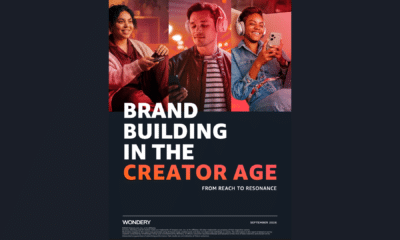
Marketing agency Influencer has released a framework positioning creator-led thinking as an operational system for modern brand marketing, emphasizing human connection over content volume as the primary driver of commercial effectiveness.
The “Thinking like a Creator” framework, detailed in a research document, outlines three interconnected layers: principles that establish foundational mindsets, practices that define operational behaviors, and tools that enable execution at scale. The system addresses what the agency identifies as a structural gap between traditional brand planning cycles and the real-time pace of cultural conversation.
Audience Behavior Drives Framework Development
The framework builds on behavioral data indicating significant shifts in consumer consumption patterns. Research cited in the document shows people now encounter between 6,000 and 10,000 marketing messages daily, compared to 500 in the 1970s, according to Forbes data from 2023.
This saturation creates filtering behavior where audiences dismiss content perceived as irrelevant or purely transactional. The framework identifies three primary behavioral shifts: the saturation effect, where volume no longer correlates with attention; the participation instinct, where audiences expect to engage rather than observe; and the belonging imperative, where connection supersedes content consumption.
Consumer data supports the emphasis on connection. Sprout Social research from 2024 found 72% of consumers report increased loyalty when feeling connected to a brand. Kantar research from 2024 shows 70% of global consumers demonstrate greater loyalty to brands that “act like people, not companies.”
The commercial implications of this shift appear substantial. Accenture data from 2022 estimates a global trust deficit costs businesses over $2.5 trillion annually. Edelman Trust Barometer research from 2023 found 68% of corporates report losing business opportunities due to perceived inauthenticity. A 2021 Kantar BrandZ analysis suggests that brands prioritizing short-term efficiency over authentic connection face the potential for long-term value loss of $3.5 trillion.
Five Core Principles Establish Creator Mindset
The framework establishes five principles as foundational to creator-led thinking. The first, audience and algorithmic instinct, positions understanding of both community interests and platform mechanics as primary. Data from the 2024 Social Media Trends Report shows creator content achieves 12 times higher engagement and 14 times higher effectiveness than brand-generated content.
Agility constitutes the second principle, emphasizing the speed of response to cultural moments. The framework positions this not as chaos, but as structured flexibility, allowing brands to participate in conversations while culturally relevant rather than after momentum has passed.
Intuition represents the third principle, defined as a skill built through cultural listening and empathy, rather than an innate quality. The framework positions intuition as complementary to data rather than opposed to it.
Risk-taking forms the fourth principle. The document notes creators test content, experience failures, and iterate publicly, with audiences accepting this vulnerability as authentic. The framework contrasts this with traditional brand processes that often structure key performance indicators to discourage experimentation.
The fifth principle, creating with humanity, positions emotional connection as primary. Research from 2025 Social Media Statistics cited in the document shows 62% of audiences report lower trust in AI-generated content, indicating continued preference for human-created material.
Operational Practices Translate Principles to Execution
The framework defines five practices that operationalize the principles.
Creator partnerships emphasize long-term collaboration over transactional campaigns. While the Influencer Creator Perspectives Report (from an unspecified year) shows that 72% of creators prefer long-term partnerships, only 54% currently maintain them. Research from the 2024-25 Influencer Marketing Reports indicates that 63% of brands now prefer sustained partnerships, with those involving creators in strategic planning showing higher engagement and authenticity.
Native expression, the second practice, requires content designed for platform-specific behavior rather than adapted from other formats. The framework distinguishes between format adaptation and contextual fit, noting that platforms shape not just how people express themselves but why they engage.
Community storytelling, the third practice, positions creators as cultural translators who understand audience language, humor, and references. The framework emphasizes the briefing process as central to this practice, arguing that effective briefs enable creator autonomy while maintaining brand alignment.
Iterative creativity forms the fourth practice, positioning content as continuous experimentation rather than fixed campaigns. The framework describes this as training creative instincts through immediate feedback loops of engagement, comments, and shares.
The fifth practice, community-led storytelling, shifts brands from broadcasting to embedding within existing creator communities. Data from Creator Economy 2025 research shows 88 percent of people actively engage in niche online communities, where shared interests and micro-influencers drive deeper trust and engagement than broad-reach campaigns.
Technology Infrastructure Enables Scale
The framework positions technology as infrastructure supporting human creativity rather than replacing it. The document outlines several tool categories enabling creator-led marketing at scale.
Cultural Sprints, as described by Brian Pham, VP of Strategy and Creative for North America at Influencer, combine data signals from platforms like GWI with contextual analysis from trend reports and native platform research. Social listening tools like Pulsar then quantify momentum by analyzing conversation growth, community drivers, and velocity.
“Build a Cultural Sprint routine. Pick one data signal. Add context from 2-3 sources. Spend 30 minutes on actual platforms – read comments, watch content, feel the vibe. Then connect the dots and brief your team on what it means,” Pham stated in the document.
Creative testing tools like Brainsuite enable pre-launch optimization through AI trained on human behavioral data. The document describes how these tools generate ACE Scores analyzing six drivers: Attention, Branding, Processing Ease, Strategic Fit, Emotional Engagement, and Persuasion. Abi Fisher, Group Director of Client Services for EMEA (Europe, the Middle East, and Africa) at Influencer, recommends retrospective analysis of underperforming content to identify patterns before applying insights to new briefs.
Content remixing workflows allow separation of creator authenticity from brand requirements. Tom Cooper-Smith, VP of Creative Operations for EMEA at Influencer, describes processes where creators produce content for their audiences while teams create remixed versions optimized for paid performance with tighter brand guidelines and direct calls to action.
Influencer’s proprietary platform, Waves, automates operational workflows including briefs, contracts, content submissions, feedback, payments, and performance tracking. Wesley Kirschner, Global Operations Director at Influencer, positions this automation as enabling teams to focus on strategic work rather than administrative tasks.
Case Studies Demonstrate Framework Application
The document presents five case studies illustrating framework implementation across different brand objectives.
Shark Beauty partnered with creator activations at a Sabrina Carpenter tour stop, positioning the brand within existing fan culture around the performer’s signature hairstyle. The campaign used Cultural Sprints and Waves automation to enable real-time content creation and publishing during the event.
H&M implemented the framework across six markets for a loyalty program launch, using native expression and iterative creativity to create market-specific content while maintaining program consistency. The campaign employed Waves for collaboration and AI-powered insights for real-time optimization.
Nike’s “Style By” program repositioned the brand from sport to fashion through long-term creator partnerships with streetwear credibility. The program used Waves for creator management, audience insight engines for community identification, and Cultural Sprints for trend tracking.
Monzo’s “Book of Money” campaign translated financial concepts through creator storytelling, featuring 12 creators who shared personal money mindsets. The campaign employed Waves for collaboration and cultural intelligence tools to identify trending finance conversations.
Viator’s “Beyond the Click” travel campaign across 34 creators used Element Human technology to measure emotional signals, including attention, feeling, and recall, demonstrating how authenticity drives connection while tracking performance.
Performance Data Shows Memory Impact
Data from Influencer’s partnership with Element Human shows creator-led campaigns achieve 16% higher brand recall on Instagram and 20% higher recall on TikTok compared to industry benchmarks. The research indicates these campaigns create 50% stronger long-term memory associations.
The framework positions memory metrics as distinct from engagement metrics, arguing that while engagement shows what people watched, memory indicates what influences future purchase decisions. Ben Jeffries, CEO of Influencer, framed the framework’s purpose: “Culture outruns campaigns. The brands leading today aren’t louder – they’re faster, more human, and creator-minded. This framework is built to help you start ‘Thinking like a Creator’ – and move at the speed of culture.”
Kim Larson, Global Head of Creators at YouTube, provided context on the shift from influence to impact: “We’ve seen influence evolve into something far more meaningful – impact. YouTube Creators today aren’t just amplifying messages, they’re shaping culture and driving change. When brands collaborate with them authentically, they move from communication to connection – transforming influence into long-term brand and community impact.”
Image credits: Influencer The full report is available here
Cecilia Carloni, Interview Manager at Influence Weekly and writer for NetInfluencer. Coming from beautiful Argentina, Ceci has spent years chatting with big names in the influencer world, making friends and learning insider info along the way. When she’s not deep in interviews or writing, she's enjoying life with her two daughters. Ceci’s stories give a peek behind the curtain of influencer life, sharing the real and interesting tales from her many conversations with movers and shakers in the space.




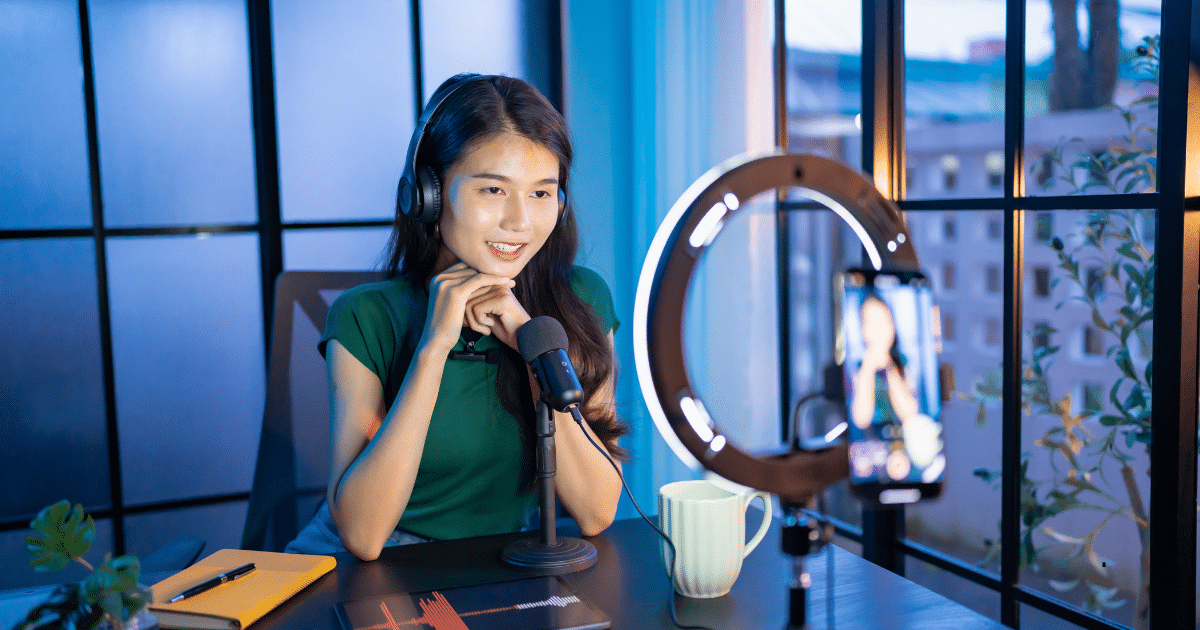







Marketing agency Influencer has released a framework positioning creator-led thinking as an operational system for modern brand marketing, emphasizing human connection over content volume as the primary driver of commercial effectiveness.
The “Thinking like a Creator” framework, detailed in a research document, outlines three interconnected layers: principles that establish foundational mindsets, practices that define operational behaviors, and tools that enable execution at scale. The system addresses what the agency identifies as a structural gap between traditional brand planning cycles and the real-time pace of cultural conversation.
Audience Behavior Drives Framework Development
The framework builds on behavioral data indicating significant shifts in consumer consumption patterns. Research cited in the document shows people now encounter between 6,000 and 10,000 marketing messages daily, compared to 500 in the 1970s, according to Forbes data from 2023.
This saturation creates filtering behavior where audiences dismiss content perceived as irrelevant or purely transactional. The framework identifies three primary behavioral shifts: the saturation effect, where volume no longer correlates with attention; the participation instinct, where audiences expect to engage rather than observe; and the belonging imperative, where connection supersedes content consumption.
Consumer data supports the emphasis on connection. Sprout Social research from 2024 found 72% of consumers report increased loyalty when feeling connected to a brand. Kantar research from 2024 shows 70% of global consumers demonstrate greater loyalty to brands that “act like people, not companies.”
The commercial implications of this shift appear substantial. Accenture data from 2022 estimates a global trust deficit costs businesses over $2.5 trillion annually. Edelman Trust Barometer research from 2023 found 68% of corporates report losing business opportunities due to perceived inauthenticity. A 2021 Kantar BrandZ analysis suggests that brands prioritizing short-term efficiency over authentic connection face the potential for long-term value loss of $3.5 trillion.
Five Core Principles Establish Creator Mindset
The framework establishes five principles as foundational to creator-led thinking. The first, audience and algorithmic instinct, positions understanding of both community interests and platform mechanics as primary. Data from the 2024 Social Media Trends Report shows creator content achieves 12 times higher engagement and 14 times higher effectiveness than brand-generated content.
Agility constitutes the second principle, emphasizing the speed of response to cultural moments. The framework positions this not as chaos, but as structured flexibility, allowing brands to participate in conversations while culturally relevant rather than after momentum has passed.
Intuition represents the third principle, defined as a skill built through cultural listening and empathy, rather than an innate quality. The framework positions intuition as complementary to data rather than opposed to it.
Risk-taking forms the fourth principle. The document notes creators test content, experience failures, and iterate publicly, with audiences accepting this vulnerability as authentic. The framework contrasts this with traditional brand processes that often structure key performance indicators to discourage experimentation.
The fifth principle, creating with humanity, positions emotional connection as primary. Research from 2025 Social Media Statistics cited in the document shows 62% of audiences report lower trust in AI-generated content, indicating continued preference for human-created material.
Operational Practices Translate Principles to Execution
The framework defines five practices that operationalize the principles.
Creator partnerships emphasize long-term collaboration over transactional campaigns. While the Influencer Creator Perspectives Report (from an unspecified year) shows that 72% of creators prefer long-term partnerships, only 54% currently maintain them. Research from the 2024-25 Influencer Marketing Reports indicates that 63% of brands now prefer sustained partnerships, with those involving creators in strategic planning showing higher engagement and authenticity.
Native expression, the second practice, requires content designed for platform-specific behavior rather than adapted from other formats. The framework distinguishes between format adaptation and contextual fit, noting that platforms shape not just how people express themselves but why they engage.
Community storytelling, the third practice, positions creators as cultural translators who understand audience language, humor, and references. The framework emphasizes the briefing process as central to this practice, arguing that effective briefs enable creator autonomy while maintaining brand alignment.
Iterative creativity forms the fourth practice, positioning content as continuous experimentation rather than fixed campaigns. The framework describes this as training creative instincts through immediate feedback loops of engagement, comments, and shares.
The fifth practice, community-led storytelling, shifts brands from broadcasting to embedding within existing creator communities. Data from Creator Economy 2025 research shows 88 percent of people actively engage in niche online communities, where shared interests and micro-influencers drive deeper trust and engagement than broad-reach campaigns.
Technology Infrastructure Enables Scale
The framework positions technology as infrastructure supporting human creativity rather than replacing it. The document outlines several tool categories enabling creator-led marketing at scale.
Cultural Sprints, as described by Brian Pham, VP of Strategy and Creative for North America at Influencer, combine data signals from platforms like GWI with contextual analysis from trend reports and native platform research. Social listening tools like Pulsar then quantify momentum by analyzing conversation growth, community drivers, and velocity.
“Build a Cultural Sprint routine. Pick one data signal. Add context from 2-3 sources. Spend 30 minutes on actual platforms – read comments, watch content, feel the vibe. Then connect the dots and brief your team on what it means,” Pham stated in the document.
Creative testing tools like Brainsuite enable pre-launch optimization through AI trained on human behavioral data. The document describes how these tools generate ACE Scores analyzing six drivers: Attention, Branding, Processing Ease, Strategic Fit, Emotional Engagement, and Persuasion. Abi Fisher, Group Director of Client Services for EMEA (Europe, the Middle East, and Africa) at Influencer, recommends retrospective analysis of underperforming content to identify patterns before applying insights to new briefs.
Content remixing workflows allow separation of creator authenticity from brand requirements. Tom Cooper-Smith, VP of Creative Operations for EMEA at Influencer, describes processes where creators produce content for their audiences while teams create remixed versions optimized for paid performance with tighter brand guidelines and direct calls to action.
Influencer’s proprietary platform, Waves, automates operational workflows including briefs, contracts, content submissions, feedback, payments, and performance tracking. Wesley Kirschner, Global Operations Director at Influencer, positions this automation as enabling teams to focus on strategic work rather than administrative tasks.
Case Studies Demonstrate Framework Application
The document presents five case studies illustrating framework implementation across different brand objectives.
Shark Beauty partnered with creator activations at a Sabrina Carpenter tour stop, positioning the brand within existing fan culture around the performer’s signature hairstyle. The campaign used Cultural Sprints and Waves automation to enable real-time content creation and publishing during the event.
H&M implemented the framework across six markets for a loyalty program launch, using native expression and iterative creativity to create market-specific content while maintaining program consistency. The campaign employed Waves for collaboration and AI-powered insights for real-time optimization.
Nike’s “Style By” program repositioned the brand from sport to fashion through long-term creator partnerships with streetwear credibility. The program used Waves for creator management, audience insight engines for community identification, and Cultural Sprints for trend tracking.
Monzo’s “Book of Money” campaign translated financial concepts through creator storytelling, featuring 12 creators who shared personal money mindsets. The campaign employed Waves for collaboration and cultural intelligence tools to identify trending finance conversations.
Viator’s “Beyond the Click” travel campaign across 34 creators used Element Human technology to measure emotional signals, including attention, feeling, and recall, demonstrating how authenticity drives connection while tracking performance.
Performance Data Shows Memory Impact
Data from Influencer’s partnership with Element Human shows creator-led campaigns achieve 16% higher brand recall on Instagram and 20% higher recall on TikTok compared to industry benchmarks. The research indicates these campaigns create 50% stronger long-term memory associations.
The framework positions memory metrics as distinct from engagement metrics, arguing that while engagement shows what people watched, memory indicates what influences future purchase decisions. Ben Jeffries, CEO of Influencer, framed the framework’s purpose: “Culture outruns campaigns. The brands leading today aren’t louder – they’re faster, more human, and creator-minded. This framework is built to help you start ‘Thinking like a Creator’ – and move at the speed of culture.”
Kim Larson, Global Head of Creators at YouTube, provided context on the shift from influence to impact: “We’ve seen influence evolve into something far more meaningful – impact. YouTube Creators today aren’t just amplifying messages, they’re shaping culture and driving change. When brands collaborate with them authentically, they move from communication to connection – transforming influence into long-term brand and community impact.”
Image credits: Influencer
The full report is available here
Subscribe to Our Newsletter
Check Out Our Podcast