





Influencer
How Simone Sharice Is Executing a Beauty-to-Wellness Pivot Platform by Platform

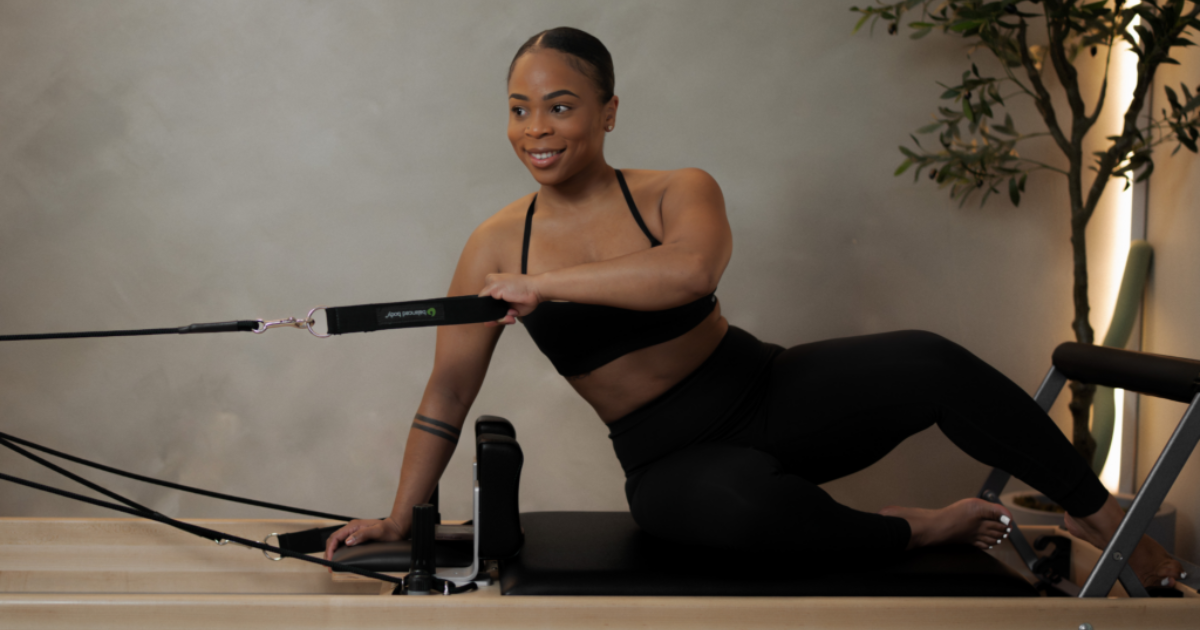
The moment that changed Simone Sharice’s creator career happened not in front of a camera, but on a Pilates mat, during a difficult period in her life.
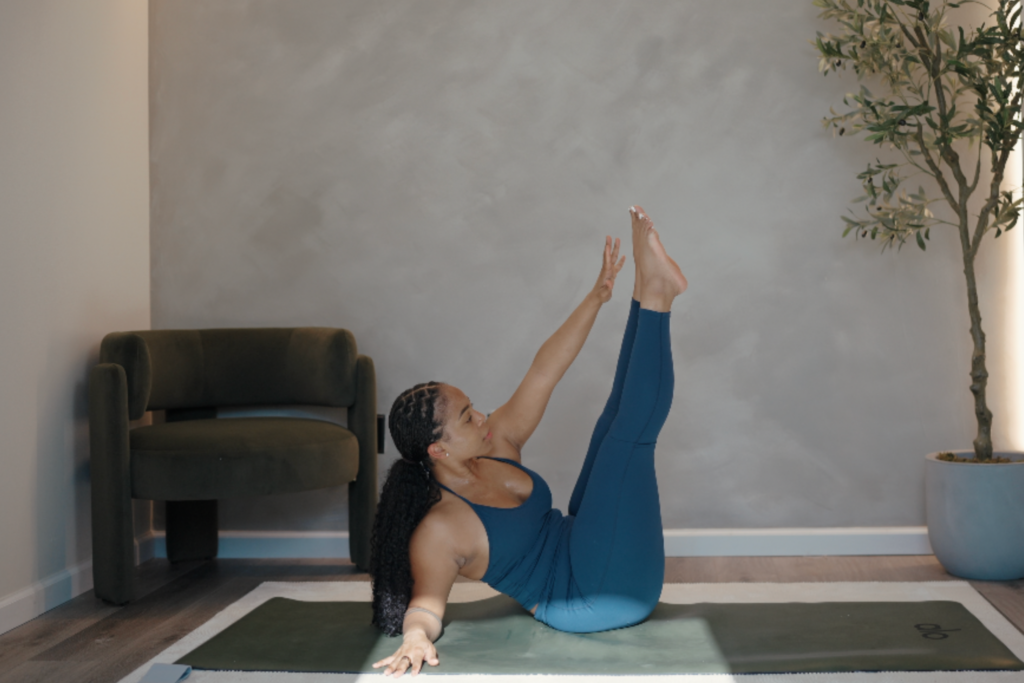
“The only place where I felt seen and had very positive thoughts was when I would do Pilates,” she says. That realization would cost her a notable portion of the audience she spent years building, but she made the call anyway.
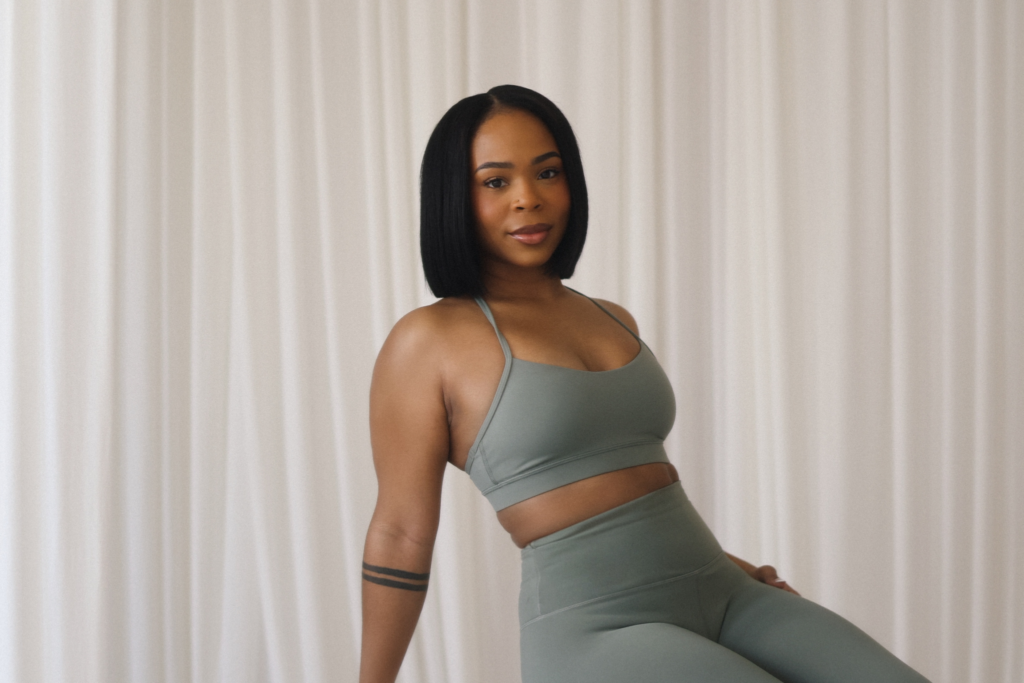
Simone is an Atlanta-based creator, certified Pilates instructor, and founder of Sundai Olive Pilates, a wellness platform she expanded into a Pilates studio earlier this year. Before any of that, she was the creator whose DIY hair content was generating millions of views on YouTube, teaching women how to replicate salon-quality results at home. The premise was clear and the execution sharper: look your best on the smallest possible budget, and do it yourself.
The pivot, she says, has been hard. “It’s still a very rocky road,” she says. “There are some days where the audience has just not caught on, and there are some days where it has completely caught on.”
Her transition from beauty to wellness represents one of the most difficult maneuvers a creator can attempt. The mechanics of how she is executing it, platform by platform and brand deal by brand deal, contain lessons the industry rarely makes explicit.
The Budget Beauty Formula That Built a Following
Simone’s original value proposition was built around a specific and underserved problem. Fresh out of college, maintaining the beauty standards she cared about was expensive. Her solution was to learn everything herself. “I felt like 90% of my beauty, my hairstyles were all DIY,” she says.
The goal was to make that knowledge available to women in similar positions, whether mothers, students, or anyone navigating appearance costs on a tight budget. What drove the growth was not only the subject matter but her willingness to go further than competing creators. She noticed there were always steps that others blurred or skipped. “I toyed with actually providing that information,” she says, “and that’s where the growth came from.”
The formula worked. It built a foundation on YouTube and expanded across Instagram, Facebook, and TikTok. It also anchored her identity to a category she would eventually outgrow.
What Turning 30 Broke Open
The impetus for the pivot was not market research. It was personal. Her mother’s mental illness had made movement an anchor in that household, and Simone found Pilates during a period when she needed one herself. What she encountered in the studio expanded her understanding of what the wellness space was not saying.
“There needs to be more women who are aware of what Pilates provides outside of just the vanity reasons,” she says.
She did not frame the transition as abandoning beauty. She reframed it as an extension. “Beauty will always be a part of that wellness umbrella,” she says. Keeping her original content alive on her channels while the new identity built traction protected her brand partnerships through the transition. No partners exited. “I kept the large umbrella of hair and beauty still alive and present on my page,” she says.
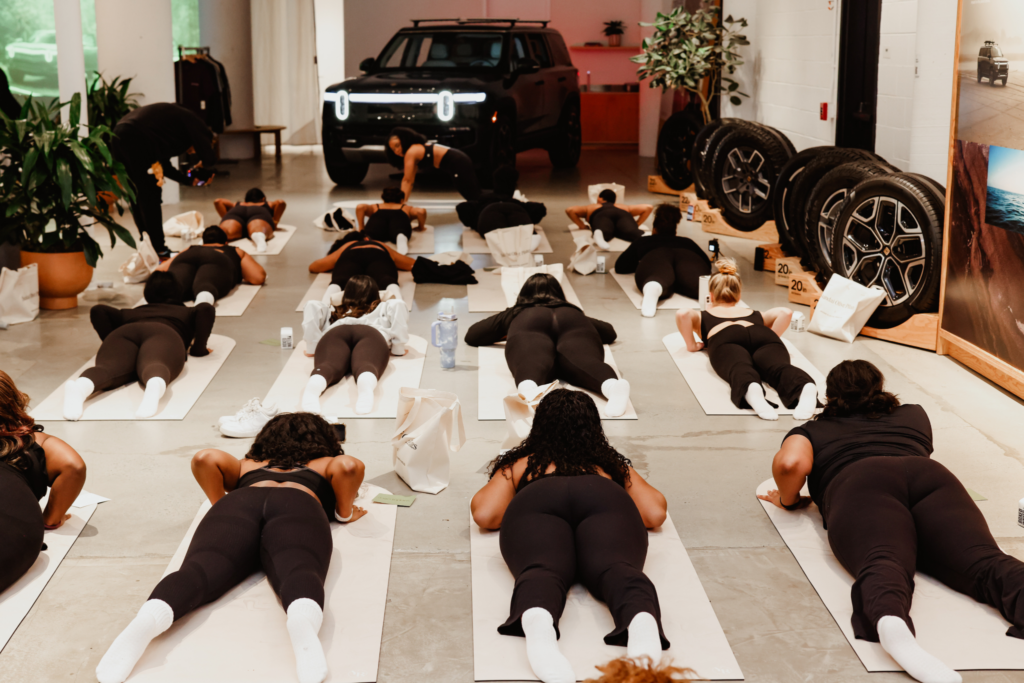
The Sundai Olive studio occupies a space she shares with her aunt, a therapist, and the overlap is intentional: Simone centers her Pilates practice on nervous system regulation, which puts the two disciplines in direct alignment. Clients move between practitioners in the same office.
Three Platforms, Three Different Reinventions
A category pivot is not one decision. It is a different negotiation on every platform.
YouTube, where Simone’s original hair content lives intact, remains the hardest to move. “It’s all hair on there,” she says. “It’s harder to pivot that.” She describes the channel as a work in progress and simultaneously as the foundation for everything she has built: “There was so much that started there. When I think about how I create titles and how I navigate and how I record and which cameras I’m using, it all started from YouTube.”
TikTok has been the most receptive to the new content identity. Her approach there is intentionally stripped back. “TikTok likes when you just get on there and talk,” she says. Raw, unedited five-minute workout videos are now among her best-performing content, a direct reversal of every instinct toward production polish.
Instagram sits at the opposite pole: polished content, clean angles, high editing quality. She describes the two platforms as operating under entirely opposing logics, and she produces for both simultaneously.
The most counterintuitive thing Simone has learned about audience growth: reverse psychology works. “People really love to see what they’re doing wrong,” she says. A title like “10 Reasons Why I Hate Pilates” draws in beginners who might scroll past a conventional tutorial, because it addresses anxiety rather than aspiration. Converting that audience into paying clients requires a different mode entirely: “Being as raw as possible and just getting on camera,” she says, whether through Stories or TikTok comment replies.
The distinction between content that grows an audience and content that turns an audience into customers is, she argues, one of the most underdiscussed mechanics in the Creator Economy.
What Brands Get Wrong Mid-Pivot
Brand deals form the backbone of Simone’s revenue, managed through a clear process. Her manager from Neon Rose Agency handles inbound inquiries, negotiates deliverables and compensation, and brings proposals to Simone for sign-off. Once she approves, she develops the concept, submits it for approval, and receives a go-live date. The structure is clean. The friction, she says, often originates in the brief itself.
“What brands get wrong is the briefs,” she says. “They try to script things in a way, even when they give little to no script, it still has some kind of CTA that’s very unnatural to a lot of creators.” The result is content that registers as hollow. “The customer is like, ‘What is this robot?’”
Her criteria for accepting any partnership are categorical. If she does not personally use and believe in the product, the conversation does not progress. “I will say no, really quick,” she says. Supplement brands face a particularly high filter.
There is a larger structural misalignment she identifies in how brands evaluate creators mid-transition. Audience metrics dip during a category pivot precisely when trust transfer between the old and new identity is being built. Brands that read that dip as a risk signal misread the moment.
“Recognizing that there has been a pivot that’s still taking place versus just going based on maybe three amazing pieces of content that I’ve made recently,” she says, would change how partnership value is assessed. “There’s still that audience that’s still catching up, but then there’s the other half that’s already there.”
Saves Over Likes, and What Comes After
As the business has shifted, so has what Simone measures. Likes and views, the metrics that defined her beauty content years, now matter less than saves. “I know my information that I’m providing you with is resonating with you,” she says. “You’re actually learning something.”
She also tracks how content routes to her own website. “I’m still having ownership of my audience instead of rented space on socials,” she says.
The mental cost of building in public has been considerable. “There are days you’re constantly having mood swings,” she says. “Even though you’re not chasing validation, you still want to be validated that something is working.”
Simone is candid about what the Creator Economy typically leaves out of its success narratives: the phase between the old audience and the new one, which she calls “failing in public,” and which she frames as the unavoidable condition of any genuine reinvention.
Her advice for navigating that phase is practical and precise. “Create more than you’re consuming,” she says. “When you’re watching all this stuff while you’re already in a vulnerable state, you’re subconsciously going to turn into somebody who you’re not because you’re looking at what’s working for somebody else versus what you truly enjoy.”
The Case for Building Something You Own
The longer-term vision Simone describes positions social platforms as infrastructure rather than a destination. Sundai Olive, a combination studio, online platform, and consultation practice, is the current proof of concept. Her top two affiliate programs, Amazon and LTK, continue generating income from older YouTube content she has not recently promoted. “I’m fortunate enough to still be able to get paid every month from something that I’m not promoting,” she says.
For creators considering a similar move, her framework is direct: track saves, build toward a website, and do not stop during the stretch when nothing seems to be working. The middle phase, Simone says, is where most people give up.
“There is a lifespan on social media,” she says, “but there is more longevity [in] growing something that you genuinely curated and created.”
Subscribe to Our Newsletter
Check Out Our Podcast