

Platform
Inside BIGO LIVE’s Case That IRL Creator Events Are Retention Infrastructure, Not PR

What does an in-person event do for a creator that no virtual format can replicate?
For Eric Kim, Senior Director of Operations at BIGO LIVE’s North American business, that’s not a rhetorical question. It’s the operational premise behind a creator retention model that most of the industry hasn’t built.
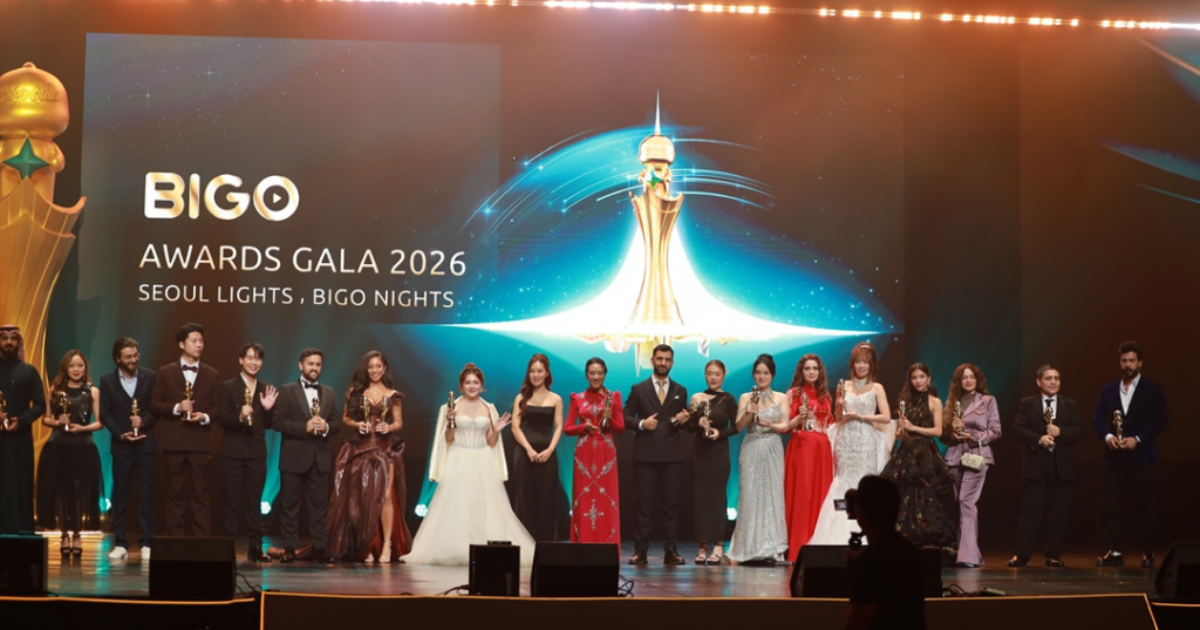
The BIGO Gala in Seoul this past January drew more than 1,200 streamers, agencies, and fans from five continents to KBS Hall in Yeouido. Nearly 200 creators were recognized, with winners selected not solely on raw reach but on the depth and authenticity of their community relationships.
Eric’s view of what that gathering actually accomplishes, and why no digital tool can replicate it, sits at the center of how BIGO LIVE thinks about creator investment.
“When a creator attends these in-person events, they are inside the event,” he says. “They shake hands with people they would not have networked with online. They take photos with fans. They see creators from other countries. These things can just never really be captured by a virtual moment.”
What Most Platforms Got Wrong About Real-Time Connection
Before joining BIGO in 2019, Eric spent six years running TM Wireless, one of the largest T-Mobile retail operations in California. That experience shaped an operating philosophy he still applies: moving people at scale requires systems, not strategy decks.

“If you want to move the hearts of a group of people, you’re really not going to do that through strategy or PowerPoint decks,” he says. “You do it through building great systems which help enforce great habits. You provide coaching and accountability along the way.”
When Eric joined BIGO, livestreaming as a creator monetization model was largely foreign to North American audiences. What drew him wasn’t another social format. It was something he saw as structurally different from how most platforms worked.
“So much of the internet was about this promise that you’re going to be able to engage with whoever you want around the world,” he says. “But in reality, a lot of platforms are two people not online at the same time, kind of sharing a coexistence by looking at the same material. What I loved about livestreaming is everybody who was hanging out was online right now.”
The Agency System: A Business Within the Business
BIGO’s creator infrastructure operates through a layer most outsiders are unaware of: a network of third-party agencies that recruit, onboard, and develop broadcasters on the platform’s behalf. Eric describes this as “a business within a business,” built on the recognition that the platform’s strongest creators often possessed skills that exceeded content creation itself.
“Great creators didn’t just have a great story to tell,” he says. “They had experience, they had confidence. Some of them are born leaders or have tremendous business acumen. What they could do was something far better than what we could do, which is rally people around their brand of content creation.”
Agency partners develop their own creator communities under BIGO’s broader infrastructure. For Eric, the model also addresses what he sees as a structural vulnerability in livestreaming: isolation. “Livestreaming from your room can be exciting and safe, but it can also sometimes feel isolating,” he says. “We found that if you have colleagues, people you can put a face and a soul behind what you’re doing, it creates this shared moment.”
When Events Became Impossible to Abandon
BIGO’s investment in large-scale in-person events grew out of a specific realization made as pandemic-era restrictions lifted. Creators who had sustained entire communities through screens were ready to experience the scale of what they’d built. The first events started as tests. They became structural quickly.
“It amplified from event after event, and at a certain point it sort of became impossible to consider not doing them,” Eric says.
The behavioral shift he observed wasn’t primarily financial. It was emotional, and it was measurable. Some of BIGO’s highest-performing creators arrived at galas not fully grasping what their engagement numbers meant in human terms. The event provided that calibration.

“There are some creators who the statistics need to let them know they’re one of the biggest streamers in the world, but they go to the event and they see the folks asking them for a photo or wanting to build a connection, and they’re suddenly realizing, ‘Oh my God, I didn’t know that my numbers on my profile page actually mean this in the real world,’” Eric says.
The consequences extended beyond the event itself. BIGO broadcast winners from the Seoul gala on billboards across the city, taking the recognition from a 1,200-person auditorium into public space. “It’s a much more compelling story than, hey, you should try livestreaming, you might be able to make a living off of it,” Eric says. “It’s, ‘Hey, you should try livestreaming, you might become the person that you’ve always wanted yourself to be.’”
What Physical Does That Virtual Cannot Build
The distinction Eric draws between virtual and in-person events is precise. “A virtual event or a virtual occasion creates attendance and access,” he says. “What makes physical events stand out is that they build memory.”
That memory functions differently depending on where a creator sits in their career. For newer streamers, the gala represents validation from a platform that has otherwise been an abstraction: a screen, a leaderboard, a notification. For established creators, it’s a marketplace of unexpected connections, cross-border relationships, and business conversations that wouldn’t have started in a chat window.
Production quality also carries signal value, Eric argues. “Lights, the red carpet, the pomp and circumstance. I think these things can just never really be captured by a virtual moment.”
For creators accustomed to measuring their work against engagement dashboards, that production signals something the data cannot: the platform believes the work is real.
Recognition Designed to Shift Creator Behavior
The Seoul gala honored nearly 200 creators and agencies, but the selection criteria reflected a deliberate philosophy. Rather than optimizing for follower counts alone, BIGO’s recognition framework weights the depth and consistency of community relationships.
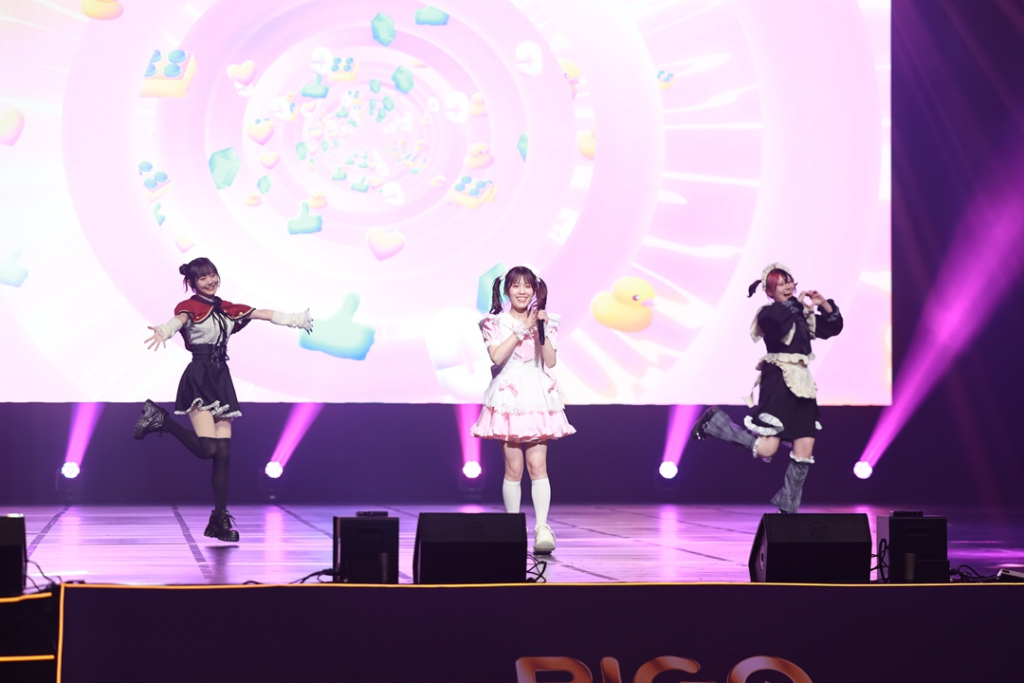
Eric frames this as a counter to how most social platforms define success. “No person can go to another person and say I have a richer life because I have more relationships than you,” he says. “What we hope is that everybody comes away feeling they’re being rewarded for the strength of their relationships, the depth, the authenticity, the consistency.”
He argues this shifts behavior at the platform level. Creators who know recognition favors relationship quality over raw reach begin engaging differently. “Every username that pops up might be my next best friend,” Eric says. “You notice the person who might just be shy based on the way you see their behavior, but they show up every day.”
One case that shaped his thinking: a creator known on the platform as “TracTrac” swept consecutive gala cycles, then channeled that recognition into something broader. During severe flooding in Vietnam in 2025, Eric says, she used her platform resources and reach to lead aid efforts on the ground. “She wasn’t just thinking about looking great and winning awards,” he says. “She found a way to become more gracious and do more. It was that feeling of: we recognized the right person.”
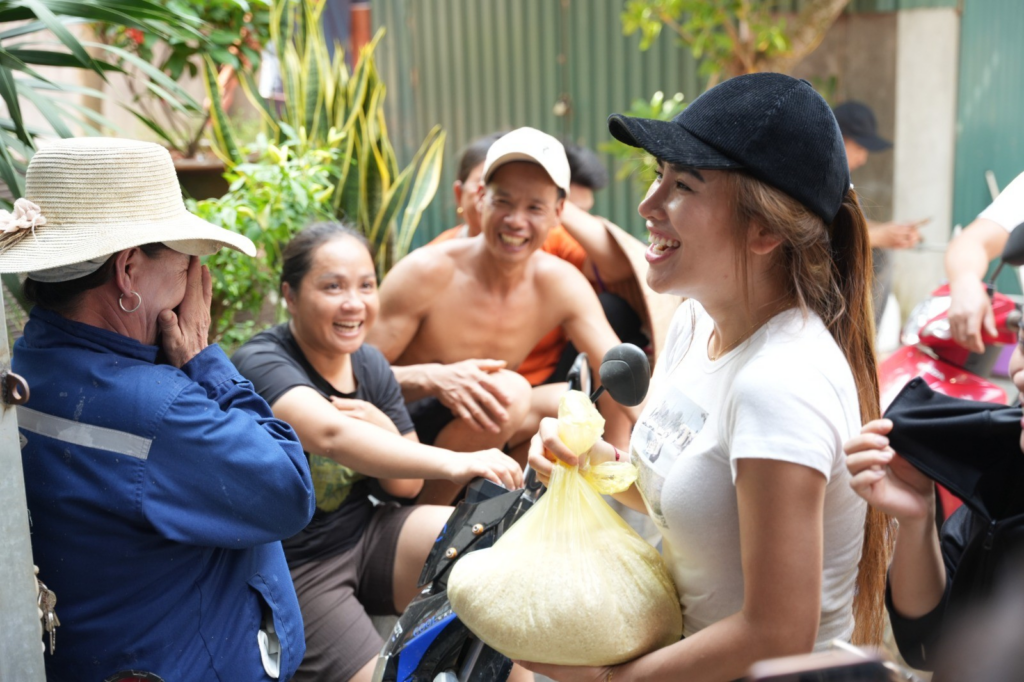
Photo: TracTrac aid effort in Vietnam
The Industry Still Confuses Spending With Infrastructure
Eric’s broader critique extends well beyond events. Most platforms and brands, in his view, still approach creator relationships as a transaction: pay for posts, fund campaigns, compensate appearances. That model, he argues, produces short-term results and shallow commitment.
“I would say we need to shift that conversation from pricing and spending to investing in infrastructure for creators,” Eric says. “What platforms, corporations, and brands can do that is maybe even bigger than money is providing systems that allow creators to grow.”
The same logic applies to how Western brands engage with global live-streaming platforms. BIGO operates across more than 150 countries with a user base the company reports at 700 million, yet most Western marketing budgets still flow through short-video and influencer-post frameworks that don’t account for livestreaming’s gifting economies or cross-border fan communities.
“Live creator economies, especially global ones like ours, are definitely being underappreciated,” Eric says. “Not understanding something or not being familiar with something does not mean that it’s less culturally important. It just means it’s a blind spot.”
A Platform Builds Careers, Not Celebrities
Seven years into building BIGO’s North American creator operations, Eric measures the work against a straightforward standard. The platform’s internal mission statement, as he describes it, is uncomplicated: help people make friends and make money.
“Not every creator should feel value because they’ve reached 10 million followers,” he says. “It’s really more amazing that they have a loyal community that’s consistent, that understands them, that works on a platform that supports them and admires them.”
For the industry beyond BIGO, that distinction carries weight. Platforms built around transactions produce short-term returns. Platforms that invest in systems, in recognition structures, and in moments that outlast any algorithm are working on something harder to replicate.
“I like to think we’re here helping people build careers,” Eric says. “As long as you can pay the bills, you can keep doing what you love to do. That’s what makes BIGO really special.”
Subscribe to Our Newsletter
Check Out Our Podcast