
Strategy
Beyond The Game: How Greg Hoffman And Ben Lee Are Turning Athletes Into CEOs Of Their Own Identity

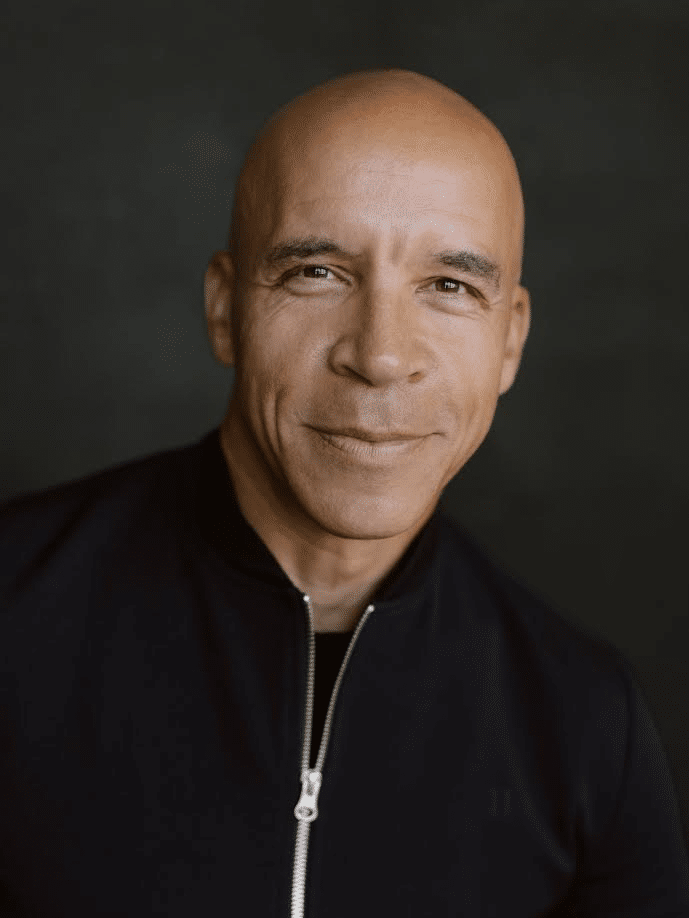
The Business of Creativity and former Nike CMO Greg Hoffman have teamed up to reimagine how athletes build their personal brands. Their joint venture, “Beyond Your Limits,” is a seven-week program designed to help athletes define their identity, shape their narrative, and extend their influence beyond competition.
“Today’s athletes are asking bigger questions,” Greg says. “What do I stand for? What legacy am I creating?”

The program offers a structure for answering those questions through storytelling, identity design, and community building; skills that have become essential in a creator-driven sports economy.
From Nike to Next-Gen Brand Building
Over a 27-year career at Nike, Greg helped define the emotional power of sport through campaigns like “Risk Everything” and “Find your Greatness.” At the company’s creative core, he learned how narrative and design could transform performance into purpose.
Now, as founder of The Modern Arena, Greg advises global brands and teaches creative leadership to athletes, companies, and universities. “At my core, I’m a teacher,” he says. “Throughout my years at Nike, I saw myself as a coach who helps teams use creativity to stir emotion in people and build business growth from that connection.”
His latest classroom is digital. “Beyond Your Limits” draws directly from his Nike playbook, combining strategy with introspection. Each module guides athletes through stages such as defining their purpose, developing a storytelling framework, and designing a visual identity. The course is supplemented by video lessons, exercises, and real-world case studies.
Teaching Creativity in the Age of AI
Greg believes creativity is becoming the ultimate differentiator in an era where artificial intelligence and automation have leveled the playing field. “AI has brought everybody up to average,” he says. “Creativity is arguably the last advantage that businesses and leaders might have.”
For him, creative leadership isn’t limited to designers or marketers – it’s a skill any athlete or entrepreneur can cultivate. “There are learned habits and practices that any of us can focus on,” he says. “It’s about building a culture of creativity within an organization, small or large, that rises above the noise.”
Ben Lee, co-founder and CEO of The Business of Creativity, echoes that belief. Before launching the company with advertising legend Sir John Hegarty in 2022, Ben was a venture capitalist investing in early-stage consumer startups. His experience taught him that creativity, when paired with strategy, is a growth engine.
“At The Business of Creativity, we look for the best talent and distill their knowledge into seven or eight-week courses in specific creative disciplines,” Ben explains. “We’d followed Greg’s work for years. Once we joined the Whalar Group, the idea of helping athletes with storytelling and brand building just made sense. There was no one better to lead it.”
Designing a Brand Universe
The structure of “Beyond Your Limits” mirrors the process Greg once used to shape Nike’s global identity. It begins with an exercise most athletes overlook: defining who they are.
“The toughest question is the first one: ‘Who are you?’” Greg says. “Before you start designing logos or launching merch, you have to define your North Star: where you want to be ten years from now.”
From there, the program introduces core principles of brand positioning: understanding what makes each athlete distinct, identifying their storytelling pillars, and crafting content that builds movements rather than moments.
“A brand isn’t built by chance,” Greg adds. “It’s designed.”
Ben notes that the course isn’t centred on tactical tips, such as how often to post on TikTok. “Those tactics change with the algorithm,” he says. “We’re teaching timeless, best-in-class brand-building techniques that will see them through their careers.”
For many participants, the process of visualizing their brand will feel as meticulous as designing a product. Greg asks athletes to think like creative directors, choosing their brand colors, shaping the visual language of their identity, and holding even the smallest details to the highest standard.
Owning the Narrative
The partnership between Greg and Ben reflects a shift in sports marketing itself: athletes are no longer dependent on teams or sponsors to define their image. As personal branding becomes central to career longevity, “Beyond Your Limits” positions itself as a modern MBA for self-representation.
“Historically, the idea of an athlete as a brand was reserved for a few superstars with access to big partnerships,” Greg notes. “Today, any athlete can build a powerful, authentic brand, but most don’t know where to start.”
He wants athletes to go beyond highlight reels. “The stories that are remembered go beyond reporting the news,” he says. “The ones that endure reveal a deeper truth.” Greg cites Nike’s iconic Michael Jordan “Failure” commercial as an example: “He says he missed 9,000 shots and lost 300 games, but it’s through those failures that he succeeds. That’s the message that connects with people.”The course teaches athletes to “close the distance” between themselves and their audiences, turning admiration into empathy.
“The goal,” Greg adds, “is to make athletes feel more human. That humanity leads to a deeper emotional connection.”
Building Communities, Not Just Followings
Both Greg and Ben see “Beyond Your Limits” as an antidote to the short-termism of social media. “You’re not just chasing anonymous followers,” Greg says. “You’re building a community that believes in achieving your vision with you.”
Ben points to data that underscores the opportunity: “Of the top 10 athletes last year, over 50% of their revenue came off the field, from endorsements, investments, and other ventures. That’s what we’re equipping them for.”
The program also introduces the concept of “world-building,” teaching athletes to create an ecosystem of content and experiences from long-form storytelling on YouTube to shorter formats on TikTok.
“We want them to think more like CEOs or architects of their own brand,” Greg says. “Even if you’re a company of one, you’re still wearing many hats.”
Self-Expression
One of the course’s key lessons is that self-expression has no single template.
Greg encourages athletes to find a style that fits their personality, whether that’s through commentary, fashion, or behind-the-scenes glimpses of training. “There isn’t just one way,” he says. “Social media can make it feel like only the loudest voices succeed. But there’s room for everyone.”
Ben adds that the most compelling sports content often lies beyond the game itself. “When you think of why ‘Drive to Survive’ made Formula 1 explode in popularity, it wasn’t just the races,” he says. “It was the stories behind the people. That’s what draws audiences in.”
By reframing athletes as multifaceted creators, “Beyond Your Limits” also challenges traditional sports hierarchies. “They’re not just performing anymore,” Greg emphasizes. “They have cultural and societal influence like never before.”
From Pilot to Global Rollout
The team at The Business of Creativity has spent the past year developing the course and is now launching pilot programs with universities, professional clubs, and youth sports academies.
“We’ve tested it with a few early partners, and the response has been very positive,” Ben reveals. “Organizations are actively looking for ways to support their athletes with this kind of training.”
The seven-week program includes pre-recorded lessons, exercises, and reflection prompts. For team clients, there will be optional live Q&As with Greg.
“It’s not just another masterclass,” Greg says. “We wanted to create a program that’s contemporary, entertaining, and practical, but also a gateway to the next chapter, where athletes create ownership, unlock opportunity, and build longevity.”
Building Relevance That Lasts
Both leaders agree that the athletes who build enduring brands over the next decade will prioritize their authentic appeal over algorithms.
“It’s not about chasing a quick hit of virality,” Ben says. “Longevity comes from consistency and staying true to your own pillars.”
Greg highlights figures like Serena Williams, David Beckham, and Dwayne “The Rock” Johnson as examples of this long-term thinking. “They’ve created diverse worlds – products, content, investments – but it all comes back to what makes them uniquely themselves,” he says. “With the most powerful brands, perception and reality are very close.”
As “Beyond Your Limits” begins its rollout, both Greg and Ben see the initiative as a model for how education and creativity can merge within the creator economy.
As Greg puts it, “We’re not just helping athletes seize the moment. We’re helping them turn those moments into momentum, and ultimately into a business powered by the brand of you.”
Subscribe to Our Newsletter
Check Out Our Podcast