
Influencer
From Solo Dinners To Sold-Out Camps: Liv Schreiber Bets On In-Person Community In A Digital Economy

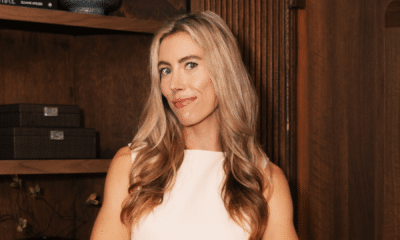
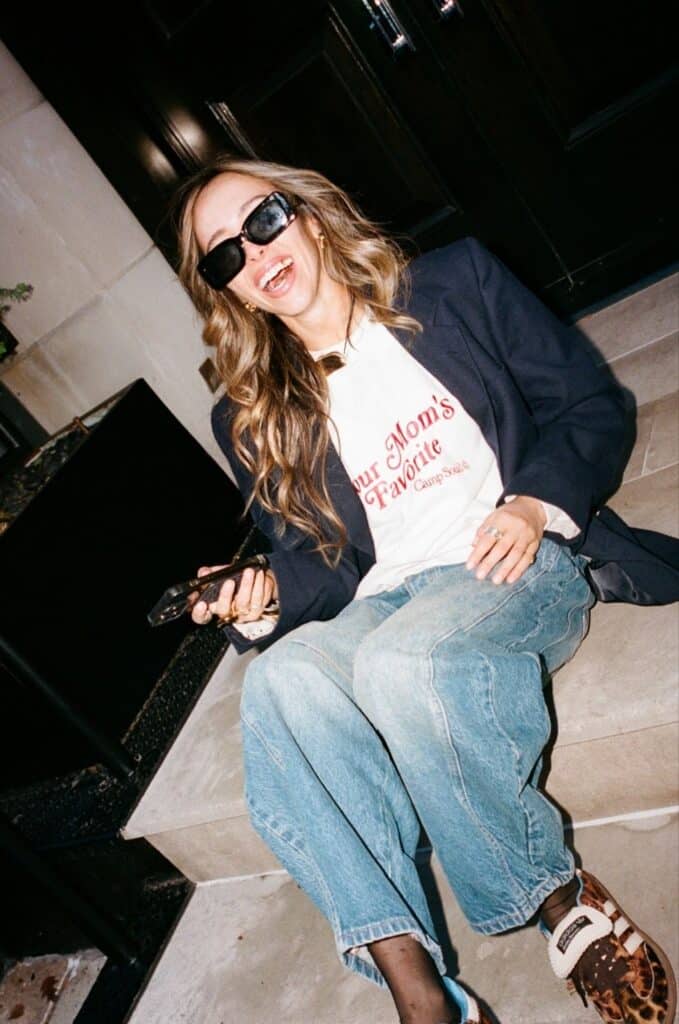
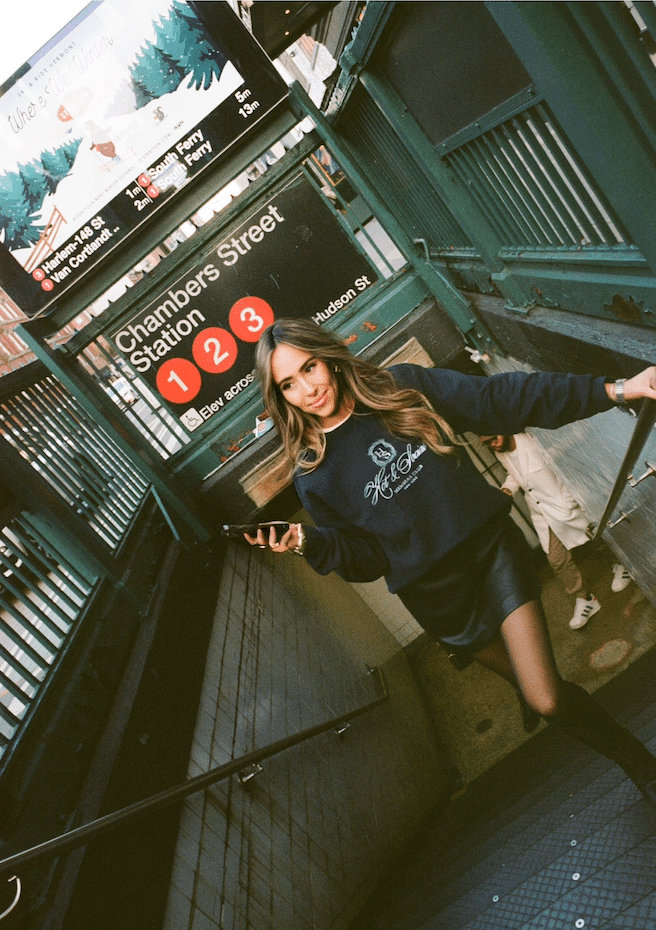
Liv Schreiber moved to New York City at 21 and did what many new arrivals do. She worked hard, filled her calendar, and tried to build a social life from scratch. What she did not expect was how isolating adulthood could feel once the built-in structures of school and college disappeared.
“I realized that it was really difficult to make new friends,” she says. At the time, Liv was working in real estate, not plotting a media-facing career or a community business. She began posting uplifting quotes and snippets from her daily life on Instagram and TikTok, primarily to feel better. The response surprised her. “People started asking me, ‘Where did you meet all these friends, and how can I make friends?’”
Those questions became the foundation for what would eventually grow into Camp Social and Hot & Social, two businesses riding the wave of in-person connection in the creator economy.
Creating the Thing She Needed
Liv describes herself as an “accidental influencer,” but the idea behind Hot & Social was straightforward. She wanted to create the environment she wished for when she first arrived in New York.
“I set out to create the thing I wish existed and invited everyone to come solo to a party,” she says. The rule was simple: everyone had to arrive alone. “That’s just because I was showing up solo. And it made everyone enter on the same playing field.”
The first event was ticketed. People paid to attend and showed up alone, and, as Liv puts it, “left as friends.” The experience convinced her that something larger was at work. “After that party I threw, I realized this could be something.”
At the time, the language of “community” had not yet become a marketing staple. “When I started, it was a little bit unique,” she says. “It was one of the first of its kind. And we still operate Hot & Social today.”
A Format That Hasn’t Changed
Despite its growth, Hot & Social has remained structurally consistent. Events still take place in New York City, often in bars or rented venues. Attendees still arrive solo. And the tone, Liv says, is largely unchanged.
“I just had two events with Hot & Social this week, and they look the same as they did three years ago,” she says. “Everyone comes solo. You walk in; everyone gives a compliment. People are smiling, and it’s just a really warm energy that’s indescribable.”
What surprised her most early on was not how people behaved, but how common the underlying feeling was. “People aren’t as alone as they feel they are,” she says. “One in three Americans is lonely. You’re not crazy if you want to make more friends or feel a little bit lonely in adulthood.”
As attendance grew, Liv resisted the urge to overhaul the experience. “Community hasn’t changed for humans in a long time,” she says. “We all just want to gather. Phones, technology, and social media are not a replacement for that.”
From Monthly Dinners to a Sleepaway Camp
Four years ago, Liv expanded her vision beyond city events. Camp Social is a three-day, two-night sleepaway camp for women, held in Pennsylvania, with two sessions each summer. Unlike Hot & Social, which primarily serves people in their 20s through 40s in New York, Camp Social attracts women of all ages from around the world.
“We have people who fly in from Egypt and Mexico City,” she says. “We’re very international.”
The structure is flexible. Campers choose their own schedules, selecting from activities that range from kayaking and reading by the lake to rock climbing, dance parties, and group games. “No matter what your personality is, there’s something for you,” Liv says.
Brands have become part of the experience, integrated into daily life rather than positioned as overt sponsorships. She lists recent partners without hesitation: Dunkin’ as a caffeine partner, LaCroix as a water sponsor, and Little Words Project and Bloom among upcoming activations.
“I’m always trying to integrate brands into what we do,” she says, framing sponsorships as additive rather than intrusive.
Designing for Connection at Scale
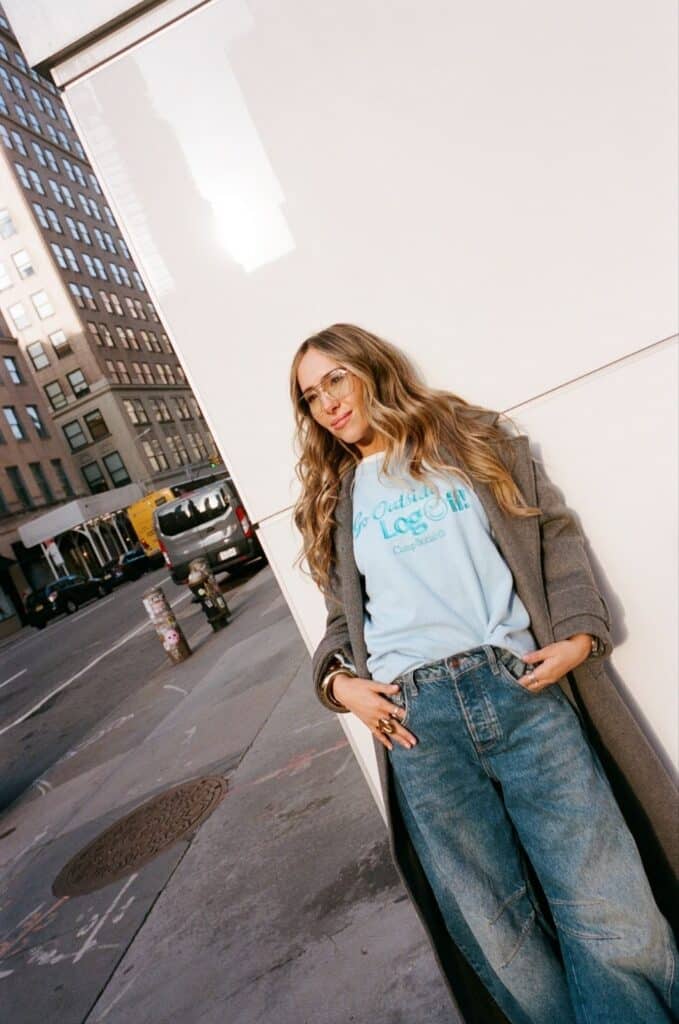
Running events for more than 400 campers at a time brings operational challenges. Liv’s answer to how she manages it is direct. “Have a great staff.”
When it comes to what makes staff effective, she emphasizes mindset over credentials. “Passion and expertise in the things that you don’t know,” she says. “No one knows everything.”
The experience itself is designed to lower social friction. Campers are grouped by age in bunks, and activities naturally cluster people around shared interests. “You’re going to gravitate toward people who love the same things you do,” she explains.
She sees a clear emotional arc across the weekend. “Day one, they’re a little more timid,” she says. “Every minute they spend at camp, you watch them become more relaxed and happier and calmer.”
Learning to Let Community Lead
Over time, Liv found herself unlearning one of the most persistent myths about friendship: that it has an expiration date. “There’s this idea that once you graduate college, that’s it,” she says. “Your time’s up.”
Her advice is reframing that assumption. “You haven’t met all the people who are going to love you,” she says, a phrase she returns to often. “You can make a friend any day, at any age.”
That mindset also shapes how she thinks about building community as a business. “Number one, it’s not about you,” she says. “It’s about people connecting with other people, and you’re just a source to help them do that.”
Consistency comes next, followed by humility. “The customer knows what’s best,” she says. “Listen to what they want. They’re your boss.”
Social Media as a Tool, Not a Destination
While her work centers on in-person connection, social media remains critical to growth. Liv credits testimonials and word-of-mouth as the most effective marketing tools. “People having a fun time at our events is what brings more people to the events,” she says.
Her own presence online plays a supporting role. “People like to see behind the scenes and the why from the founder,” she says. “They know my heart and why I do what I do.”
She is candid about how that presence developed. “I used to beg for one person to send me a message,” she says. “I used to ask myself questions in Q&A boxes when I first started.”
Now, she sees a cultural shift taking place. “We’ve tapped out of social media,” she says. “People are ready to talk again.” Still, she stops short of dismissing platforms entirely. “You can use social media as a tool to connect to people. That decision is yours.”
The Business of Community and Brand Demand
From a monetization perspective, Liv says little has surprised her. Brands, she argues, increasingly recognize that building authentic community is difficult and resource-intensive. “Building a community takes a lot of time and energy,” she says. “It’s a whole separate business.”
For brands, partnering with an existing community offers a way in. “They don’t have to perform and build their own,” she says. “They can tap into ours in a genuine way.”
Liv notes that demand has driven expansion rather than strategy decks. Hot & Social now runs monthly events in New York. Camp Social has doubled its summer sessions. She attributes the growing demand to both increased awareness and broader social conditions, with awareness playing the larger role. “There’s more emphasis on analog culture in 2026,” she says. “People want more.”
Stepping Into the Spotlight
As Camp Social has grown, Liv herself has become more visible. She has appeared on national television, including “The Tamron Hall Show,” ABC News, and Fox & Friends, and in outlets ranging from Elle to Business Insider.
“It’s refreshing to talk about something positive in the news,” she says. Despite the exposure, she insists it has not changed her role as a founder. “It hasn’t,” she says. “It’s my responsibility to be public-facing and available.”
What to Expect in 2026 and Beyond?
The calendar ahead is full. In February, Liv is hosting a women-only Galentine’s Cowgirl event at Desert Five in Brooklyn, designed for up to 200 attendees across a weekend of programming.
Looking three to five years ahead, Liv avoids grand predictions. “I’m really more focused on my attendees,” she says. “If I can make their lives better, then I’m happier.”
That focus also shapes how she sees success at the most basic level. When someone leaves one of her events, she hopes they feel “happy and reconnected with themselves and with other people,” and carry that sense forward.
“That they know they’re not alone,” she says.
Photo source: Heather Weiss (ICON PR)
Subscribe to Our Newsletter
Check Out Our Podcast