


Influencer
How Kelsi Davies Turns Paranormal Content Into A World Her Audience Calls Home


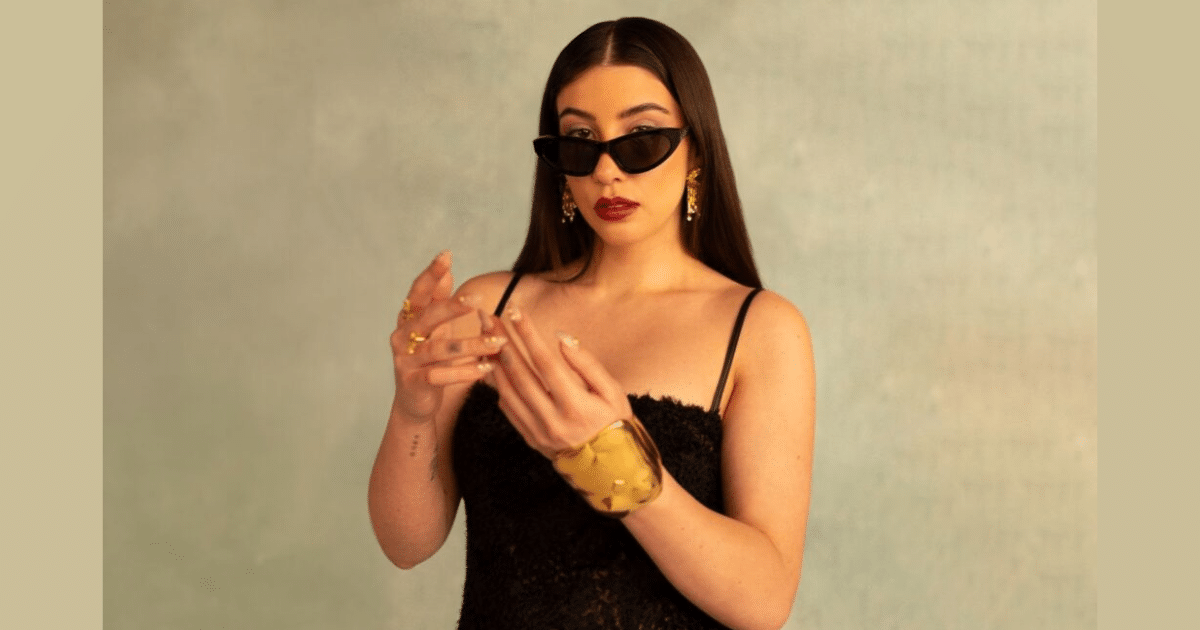
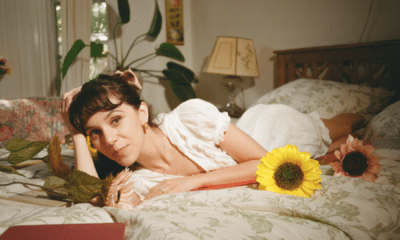
Kelsi Davies does not think of her audience as numbers. She thinks of them as people who see themselves in her work, people who have followed her paranormal storytelling not just for spectacle, but for recognition.
Before millions of viewers tuned in to her haunted investigations, character-driven horror skits, and conversations with spirits, Kelsi was a gymnastics coach, dance teacher, and choreographer, working daily with students and competitive teams. That early career shaped how she approaches content today: as performance, storytelling, and sustained creative labor, rather than disposable clips.
“I was a gymnastics coach and a dance teacher and choreographer,” Kelsi says. “I worked for Solid Hip Hop and taught kids dance, mainly hip hop and beginning break dancing.” The work gave her early comfort on camera and an instinct for rhythm, structure, and character, skills that would later translate naturally to short-form video.
Her ambitions initially pointed toward acting rather than digital media. “I always loved being in front of the camera,” she says. “I loved the entertainment space, and I wanted to be an actress.”
Social platforms entered the picture for practical reasons, as casting opportunities increasingly asked for audience reach alongside talent. “A lot of the jobs asked for your Instagram following, and I realized I needed to build mine too. Sometimes, talent alone is not enough in the industry.”
From Dance Content to a Defining Pivot
Kelsi’s earliest posts focused on dance and performance trends. “Those did okay,” she says.
The real shift came when she introduced something far more personal. “Then I got a haunted doll, and that video got a lot of views.” The doll, later known as Lola, became a recurring presence and narrative anchor. “People started wanting to follow along on that journey with her.”
For Kelsi, the paranormal was not a creative pivot designed for virality. It was a lived reality she had spent years keeping private. “As a child, I always had paranormal experiences, often in my dreams,” she says. Funerals, in particular, left a lasting impression. “When they were in the casket, I knew they were still there. Everyone was sobbing, and I knew without a doubt, they’re not gone.”
Sharing those experiences publicly marked a turning point. “I would tell people at school, and they would call me a liar or think I was crazy, so I kept it to myself for a long time,” she says. Posting about Lola and her spiritual journey changed that dynamic. “People told me they resonated with it. They said they had experienced the same things their whole lives.”
What emerged was not just a following, but a community built around recognition rather than shock. As that audience grew, Kelsi began to turn a deeply personal narrative into a scalable creator business, with production costs, revenue streams, and long-term creative ambitions.
When Scale Changes the Stakes
The moment Kelsi realized her work had reached a new level came with a milestone she still describes with disbelief. “When I hit a million followers on TikTok, I was like, ‘Wow, this is huge,’” she says. “I never thought I would have a million people following me on my journey.”
Scale brought responsibility. As viewers began projecting meaning onto her spiritual experiences, Kelsi became more deliberate about what she shared and how she framed it. “I really think about what I’m saying,” she explains. “I want to make sure it’s authentic, from the heart, and worth sharing.”
That awareness coincided with a shift in how she thought about her work as a brand. “In the last couple of years, I’ve really established my branding,” she says, pointing to consistent visual language, recognizable styling, and the growing presence of Lola as part of her identity.
She reveals that fans now show up to meet-and-greets mirroring her look, a sign that the aesthetic has become as meaningful as the stories themselves.
Building a Narrative World
Kelsi’s content went from documentation to narrative. She would use real spirits she encountered and create characters based on them. “I started becoming the spirits I would see,” she says. “I made them into characters, a little more exaggerated, but based on how I perceived them.”
Her interest in horror films pushed that transformation further. She began creating recurring personas, including a reimagined Tooth Fairy, and referencing films that shaped her taste. “People really liked that,” she says. “So I ran with it and made it into a series.”
This character-driven approach functions as strategy as much as expression. Rather than one-off viral moments, Kelsi builds episodic worlds that reward repeat viewing and long-term attention. The creative workload, however, is intense. “You’re the director, the writer, the producer, the editor,” she says. “I’m also the costume designer. I’m doing everything.”
That pace led to burnout. “I used to post way too much, and it burnt me out,” Kelsi says. Stepping back became necessary. “Creatively, I need time to recharge. If I don’t, my creative energy just stops.”
Lola and the Power of Ongoing Story
Lola remains one of the most recognizable elements of Kelsi’s universe. Unlike the genre’s typical depictions of haunted dolls as threatening, Lola is positioned as comforting. “People are used to really scary, negative experiences,” she says. “But Lola is more like a friendly Casper-type presence.”
The relationship is deeply integrated into her daily life. Kelsi recounts moments when others around her had similar paranormal experiences. “My cats see things when I do,” she says. “It validates me.”
These everyday details keep audiences invested. “My life is the storyline,” Kelsi explains. “My spiritual journey is.”
Monetizing Without Diluting the Story
As Kelsi’s productions became more ambitious, the costs increased. Travel, location rentals, equipment, and editing added up quickly. To sustain that work, she expanded into multiple revenue streams.
Merchandise was a natural extension. “I grew up drawing, so making my own sketchbook is really special,” she says. The line includes notebooks, apparel, and candles, many featuring original artwork created with commissioned artists. “It’s a little wink to younger me.”
She also co-created the mobile game “Kelsi Davies: Haunt Escape” with game developer Aaron Hibberd. The app places fans inside her narrative world. “You’re basically playing as me, helping spirits move on,” she explains. The first level is free, with paid expansions planned. “It’s a passion project,” she says, noting that revenue currently supports development rather than profit.
These additional income streams provide leverage. “If a partnership doesn’t align, I can say no,” Kelsi says. That flexibility became especially important after a difficult experience with previous management. “They told me I couldn’t get brand deals unless I changed my niche.”
She disagreed and walked away. With new representation, results shifted quickly. “They’ve quadrupled my revenue by pitching my niche properly,” she says. Brands began to see the value of integrating into her narrative rather than flattening it. “Marketing is storytelling now,” Kelsi adds. “That’s how you keep people watching.”
Understanding the Audience Behind the Numbers
One of Kelsi’s most important lessons came from reassessing who her audience actually was. “I thought they were just hardcore paranormal fans,” she says. Over time, data and conversations revealed something broader. “A lot of them are artists and creatives like me.”
That realization reshaped her community-building approach. Meet-and-greets, subscriber investigations, group chats, and direct feedback loops became central. “These are real people,” she says. “They’re not numbers.”
She also studies performance closely. “I look at analytics and see what people are watching,” Kelsi explains. Interactive formats, subtitles, and clear narrative arcs consistently perform well. “Anything that increases watch time helps,” she says. “If people leave after two seconds, you have to change something.”
Healthy controversy, she notes, can also drive engagement. “People either believe in the paranormal, or they don’t,” she says. “That conversation keeps them involved.”
What’s Next?
While Kelsi continues to expand her creator business, her long-term ambition remains acting. She attends weekly classes, auditions regularly, and plans to produce short horror films for YouTube. “That’s my dream,” she says.
For 2026, her priorities center on boundaries and sustainability. “I’m focusing on my business, my community, and my mental health,” she says. “If I’m not okay, the whole business isn’t okay.”
For creators watching her journey, her advice is simple. “Don’t copy people,” Kelsi says. “Try different things and see what resonates.”
The lesson she returns to most often is resilience. “Not everyone has your best interest at heart,” she says. “Protect yourself, keep your circle small, and don’t give up no matter what happens.”
Photo credits: Julie Goldstone
Studio: Hype Studios
Subscribe to Our Newsletter
Check Out Our Podcast