Video podcasts and micro-series combined create new monetization opportunities as audiences shift from passive consumption to community-driven engagement, Deloitte predicts.
The podcasting industry is entering a period of structural change that favors creators who build engaged communities rather than relying solely on downloads, according to Deloitte’s “2026 Technology, Media and Telecommunications Predictions.”
Deloitte estimates that global podcast and vodcast advertising revenues will reach approximately $5 billion in 2026, representing nearly 20% year-over-year growth. The firm attributes this expansion to changes in how audiences consume long-form content, particularly the growing role of video podcasts, which combine audio storytelling with visual engagement and social distribution.
The report suggests that these shifts are enabling creators to develop podcast properties that resemble entertainment franchises, with multiple formats, consistent release schedules, and ongoing audience interaction, rather than standalone episodes.
Video Alters Podcast Economics
Deloitte reports that 27% of U.S. consumers watched vodcasts weekly as of fall 2025, with adoption led by Gen Z and millennial audiences. According to the firm, consumers who watch vodcasts consume roughly 1.5 times more content than those who only listen to audio podcasts, expanding inventory for advertising and sponsorship.
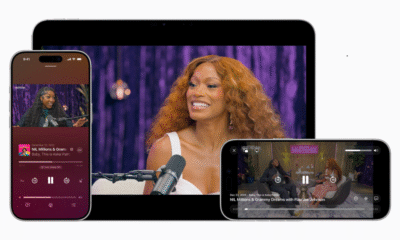
Deloitte notes that podcasting is increasingly becoming a video-first medium, with platforms such as YouTube playing a central role in that shift. YouTube has reported reaching one billion monthly viewers for video podcasts, underscoring how vodcasts are beginning to compete directly with traditional television and streaming platforms for audience attention.
The format’s ability to drive real-time engagement is also becoming more visible, with high-profile live vodcast events on YouTube drawing as many as 1.3 million concurrent viewers, highlighting the medium’s growing scale and cultural relevance.
The visual element also affects audience relationships. Deloitte cites research indicating that seeing hosts’ expressions, body language, and environments can strengthen perceived intimacy, which, in turn, may influence trust and advertising responsiveness. Roughly one-quarter of U.S. podcast listeners and viewers, and more than one-third of Gen Z and millennial consumers, reported frequently purchasing products advertised on podcasts.
Viewing behavior also differs from audio-only listening. Nearly half of podcast viewers watched on connected TVs as of 2024, according to Deloitte, positioning vodcasts alongside traditional streaming video for screen time. 44% of vodcast viewers reported never multitasking while watching, compared with 29% of audio-only listeners, suggesting greater focus.
Social Platforms Shape Discovery
Deloitte emphasizes the role of social platforms in driving podcast discovery. Short-form clips extracted from full episodes help creators reach audiences beyond traditional podcast directories, highlight shareable moments, and enable direct interaction with viewers.
The firm notes that video podcasts increasingly blend on-demand convenience with appointment-based viewing habits, particularly among younger audiences. These patterns appear to resonate in emerging markets, where younger populations and mobile-first consumption are accelerating adoption.
Spotify and other global platforms are investing in regionally relevant content through creator funding, licensing agreements, and original production. Deloitte also highlights the emergence of new podcast platforms in markets such as Lebanon, India, and Nigeria, many of which are partnering with global distributors to extend reach.
Micro-Series Expand Monetization Options
Alongside video podcasts, Deloitte points to rapid growth in serialized short-form video, or micro-series. The firm forecasts in-app revenue from micro-series content will more than double to $7.8 billion in 2026, up from an estimated $3.8 billion in 2025.
Micro-series are typically scripted, mobile-first video narratives released in short episodes. Deloitte suggests the format appeals to audiences seeking continuity and storytelling depth without the time commitment of long-form television, particularly in fragmented viewing environments.
While the U.S. accounted for roughly half of global micro-series revenue in 2025, Deloitte expects its share to decline to 40% as international markets improve monetization. In a March 2025 Digital Media Trends survey, 30% of Gen Z and millennial respondents reported familiarity with micro-series, with nearly half saying they were watching more of the format than a year earlier.
Independent creators are increasingly organizing into studio-like operations, using data and artificial intelligence to shorten production cycles and distribute content across platforms. Deloitte notes that AI tools can reduce production costs, speed localization, and help creators scale output across regions.
A Franchise-Oriented Playbook
Deloitte’s analysis suggests that some creators are adopting strategies commonly associated with entertainment franchises. These include interconnected content universes, recurring segments or characters, and consistent release schedules designed to encourage habitual viewing.
AI-enabled production tools allow creators to maintain higher output and production value with smaller teams. Capabilities such as automated subtitling, dubbing, voice cloning, and B-roll generation can also support global distribution across languages and markets.
Community engagement plays a central role in this model. Deloitte highlights practices such as incorporating audience feedback, hosting behind-the-scenes streams, and maintaining steady publishing schedules to reinforce appointment viewing. Cross-promotion, merchandise, and extensions of intellectual property provide additional revenue streams beyond advertising.
Creators are also using performance data to test storylines and formats. Metrics such as completion rates, episodes watched per user, and content-specific return on investment help inform programming decisions and resource allocation.
Implications for Brands
For brand marketers, Deloitte identifies both opportunity and complexity. Video podcasts allow for visual integrations, product placement, and logo visibility that are not possible in audio-only formats. More focused viewer attention may also support stronger recall and conversion.
The firm suggests brands may benefit from longer-term partnerships with creators developing franchise-like properties, rather than one-off sponsorships. These relationships can enable deeper integration into content and community narratives.
Global expansion introduces additional potential. AI-driven translation and dubbing tools lower barriers to distributing branded content across languages, although measurement and attribution remain challenging as audiences fragment across platforms.
Discoverability also continues to pose limitations. Unlike algorithm-driven social feeds, podcast ecosystems often rely on active search or recommendations, requiring additional distribution strategies.
The Takeaway
Deloitte concludes that the podcast market’s evolution is likely to favor creators who combine video, serialization, social distribution, and community engagement. Rather than focusing exclusively on individual episodes, successful podcast operators may increasingly build broader content ecosystems.
For brands, the shift may require reevaluating traditional sponsorship models in favor of partnerships aligned with creator-led communities. As video podcasts and micro-series continue to converge, Deloitte suggests independent creators with franchise-building capabilities may increasingly compete with established media studios for attention, advertising, and audience loyalty.
Image credits: Deloitte The full report is available here
Dragomir is a Serbian freelance blog writer and translator. He is passionate about covering insightful stories and exploring topics such as influencer marketing, the creator economy, technology, business, and cyber fraud.






















Video podcasts and micro-series combined create new monetization opportunities as audiences shift from passive consumption to community-driven engagement, Deloitte predicts.
The podcasting industry is entering a period of structural change that favors creators who build engaged communities rather than relying solely on downloads, according to Deloitte’s “2026 Technology, Media and Telecommunications Predictions.”
Deloitte estimates that global podcast and vodcast advertising revenues will reach approximately $5 billion in 2026, representing nearly 20% year-over-year growth. The firm attributes this expansion to changes in how audiences consume long-form content, particularly the growing role of video podcasts, which combine audio storytelling with visual engagement and social distribution.
The report suggests that these shifts are enabling creators to develop podcast properties that resemble entertainment franchises, with multiple formats, consistent release schedules, and ongoing audience interaction, rather than standalone episodes.
Video Alters Podcast Economics
Deloitte reports that 27% of U.S. consumers watched vodcasts weekly as of fall 2025, with adoption led by Gen Z and millennial audiences. According to the firm, consumers who watch vodcasts consume roughly 1.5 times more content than those who only listen to audio podcasts, expanding inventory for advertising and sponsorship.
Deloitte notes that podcasting is increasingly becoming a video-first medium, with platforms such as YouTube playing a central role in that shift. YouTube has reported reaching one billion monthly viewers for video podcasts, underscoring how vodcasts are beginning to compete directly with traditional television and streaming platforms for audience attention.
The format’s ability to drive real-time engagement is also becoming more visible, with high-profile live vodcast events on YouTube drawing as many as 1.3 million concurrent viewers, highlighting the medium’s growing scale and cultural relevance.
The visual element also affects audience relationships. Deloitte cites research indicating that seeing hosts’ expressions, body language, and environments can strengthen perceived intimacy, which, in turn, may influence trust and advertising responsiveness. Roughly one-quarter of U.S. podcast listeners and viewers, and more than one-third of Gen Z and millennial consumers, reported frequently purchasing products advertised on podcasts.
Viewing behavior also differs from audio-only listening. Nearly half of podcast viewers watched on connected TVs as of 2024, according to Deloitte, positioning vodcasts alongside traditional streaming video for screen time. 44% of vodcast viewers reported never multitasking while watching, compared with 29% of audio-only listeners, suggesting greater focus.
Social Platforms Shape Discovery
Deloitte emphasizes the role of social platforms in driving podcast discovery. Short-form clips extracted from full episodes help creators reach audiences beyond traditional podcast directories, highlight shareable moments, and enable direct interaction with viewers.
The firm notes that video podcasts increasingly blend on-demand convenience with appointment-based viewing habits, particularly among younger audiences. These patterns appear to resonate in emerging markets, where younger populations and mobile-first consumption are accelerating adoption.
Spotify and other global platforms are investing in regionally relevant content through creator funding, licensing agreements, and original production. Deloitte also highlights the emergence of new podcast platforms in markets such as Lebanon, India, and Nigeria, many of which are partnering with global distributors to extend reach.
Micro-Series Expand Monetization Options
Alongside video podcasts, Deloitte points to rapid growth in serialized short-form video, or micro-series. The firm forecasts in-app revenue from micro-series content will more than double to $7.8 billion in 2026, up from an estimated $3.8 billion in 2025.
Micro-series are typically scripted, mobile-first video narratives released in short episodes. Deloitte suggests the format appeals to audiences seeking continuity and storytelling depth without the time commitment of long-form television, particularly in fragmented viewing environments.
While the U.S. accounted for roughly half of global micro-series revenue in 2025, Deloitte expects its share to decline to 40% as international markets improve monetization. In a March 2025 Digital Media Trends survey, 30% of Gen Z and millennial respondents reported familiarity with micro-series, with nearly half saying they were watching more of the format than a year earlier.
Independent creators are increasingly organizing into studio-like operations, using data and artificial intelligence to shorten production cycles and distribute content across platforms. Deloitte notes that AI tools can reduce production costs, speed localization, and help creators scale output across regions.
A Franchise-Oriented Playbook
Deloitte’s analysis suggests that some creators are adopting strategies commonly associated with entertainment franchises. These include interconnected content universes, recurring segments or characters, and consistent release schedules designed to encourage habitual viewing.
AI-enabled production tools allow creators to maintain higher output and production value with smaller teams. Capabilities such as automated subtitling, dubbing, voice cloning, and B-roll generation can also support global distribution across languages and markets.
Community engagement plays a central role in this model. Deloitte highlights practices such as incorporating audience feedback, hosting behind-the-scenes streams, and maintaining steady publishing schedules to reinforce appointment viewing. Cross-promotion, merchandise, and extensions of intellectual property provide additional revenue streams beyond advertising.
Creators are also using performance data to test storylines and formats. Metrics such as completion rates, episodes watched per user, and content-specific return on investment help inform programming decisions and resource allocation.
Implications for Brands
For brand marketers, Deloitte identifies both opportunity and complexity. Video podcasts allow for visual integrations, product placement, and logo visibility that are not possible in audio-only formats. More focused viewer attention may also support stronger recall and conversion.
The firm suggests brands may benefit from longer-term partnerships with creators developing franchise-like properties, rather than one-off sponsorships. These relationships can enable deeper integration into content and community narratives.
Global expansion introduces additional potential. AI-driven translation and dubbing tools lower barriers to distributing branded content across languages, although measurement and attribution remain challenging as audiences fragment across platforms.
Discoverability also continues to pose limitations. Unlike algorithm-driven social feeds, podcast ecosystems often rely on active search or recommendations, requiring additional distribution strategies.
The Takeaway
Deloitte concludes that the podcast market’s evolution is likely to favor creators who combine video, serialization, social distribution, and community engagement. Rather than focusing exclusively on individual episodes, successful podcast operators may increasingly build broader content ecosystems.
For brands, the shift may require reevaluating traditional sponsorship models in favor of partnerships aligned with creator-led communities. As video podcasts and micro-series continue to converge, Deloitte suggests independent creators with franchise-building capabilities may increasingly compete with established media studios for attention, advertising, and audience loyalty.
Image credits: Deloitte
The full report is available here