





Agency
Darlington Social’s Chloe Sappern and Lydia Berry on Why Celebrity Social Needs Creator-Speed Content

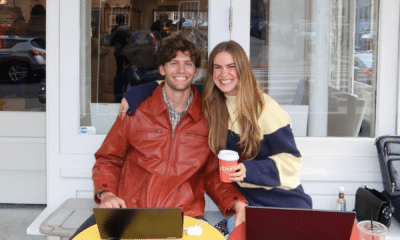
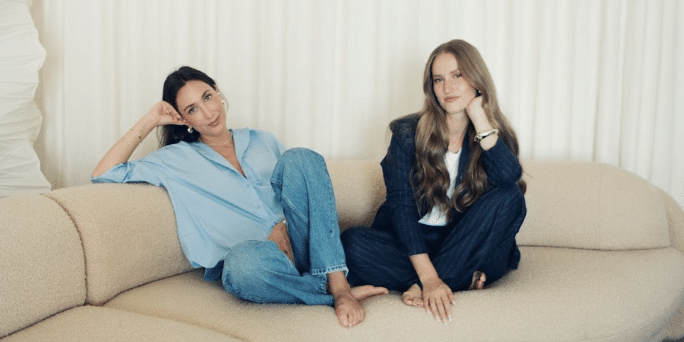
Darlington Social co-founders Chloe Sappern and Lydia Berry build their agency on the premise that celebrities now have to show up online like creators without being turned into influencers. A brand can spend six figures on a scripted, glossy Instagram Reel for one of those stars, and Lydia has watched behind-the-scenes outtakes from the same commercial set outperform it.
“Over the past five years, audiences have become so much smarter, and they’ve been inundated with so much more content and more ads and more noise,” Lydia says. “No longer is a celebrity posting with a gummy bear package engaging.”
Chloe ties the shift to TikTok’s rise during COVID, when celebrity feeds moved from photos to video. “Video content takes a different kind of skill set,” she says. The two came at it from different sides. Chloe worked in branded programming and Influencer Marketing at ViacomCBS. Lydia led social and creative at Dear Media, a podcast network of about 70 shows whose hosts needed help promoting their podcasts on their own accounts.
That help already existed for brands, which have long hired agencies to run their Instagram and TikTok calendars, Lydia says. Individuals with large followings had not adopted the habit. The two launched Darlington in 2024 with one founder in New York and one in Los Angeles because, Chloe says, their clients’ projects, press tours and homes were split between the coasts. The co-founders still shoot, edit, and run strategy on client accounts themselves.
Phone Footage Outperforms the Glossy Finish
Much of that shooting happens on an iPhone. Chloe says the team rarely carries laptops. Footage from its other cameras goes onto the phone through an SD card reader.
“We always say content should feel kind of like a FaceTime call,” Lydia says. A pricier camera, she argues, does not guarantee more engagement.
Chloe applies the same logic to editorial work. “You see a lot of times the behind-the-scenes from a magazine shoot or from a movie production is what’s actually performing better than the actual end result,” she says. The finished image, she adds, is something a fan can Google or buy a magazine for.
The team filmed a client’s press tour and the moments before and after her red carpet walks, and Lydia says those posts were picked up by E! News and Entertainment Tonight. “Traditionally it takes a publicist to place a story in an ET or an E! News,” she says. In her account, a behind-the-scenes clip did work that once required a publicist’s pitch, and it did that work almost immediately.
A Three-Day Trend Cycle Sets the Deadline
That immediacy is the baseline the agency plans around. “We see the trend cycle as an every three days moment. If you don’t get on that in three days, it’s gone,” Lydia says.
Chloe describes a race to be first to market at red carpets and fashion shows. “Making sure that we can turn around things that evening or within 24 hours is so critical,” she says. Lydia credits the phone, because footage can be edited and uploaded on the spot.
At ViacomCBS, Lydia says, Chloe saw campaigns take a year to produce TikToks that a small team could film, produce and edit the same day. Against a three-day window, a production calendar measured in months misses the trend.
Some brands already move that fast. Lydia points to Summer Fridays, which she says got a partnership within days while actress Sarah Pidgeon was everywhere during Ryan Murphy’s “Love Story.” Chloe adds Rhode and Rare Beauty as brands “moving at the speed of culture.” When a brand puts its product in a celebrity’s hands with no strategy behind it, “the audience can tell,” Lydia says.
HEADSHOTS
Rigid Briefs Make Sponsored Posts Read as Ads
That audience test shapes how Darlington handles brand deals, even though it does not negotiate them. “We’re not ever trying to compete with the managers and the agents. We’re partnering with them,” Chloe says. Once a deal closes, Darlington handles execution, from the brief to brand approvals and analytics.
Lydia’s method is to tie the deliverable to something the audience already knows the client for, such as a movie role. She also wants the post to be “in on the joke” that it is paid. Fit is the test. “Why are you trying to sell me hair things when your hair’s in a ponytail every single time I see you?” she says.
When a brief cuts against what performs on a client’s page, the team goes back to the brand with recommendations based on past posts. Chloe says the campaigns that struggle carry rules such as showing the product within the first three seconds or using its full name. “The more barriers to entry that they have in the brief are going to make it harder for that content to resonate with an audience,” she says.
Her advice to brands is to trust the talent’s team and creative vision. “You can’t copy-paste that onto social,” Lydia says of commercial best practices.
Celebrity Accounts Post Less and Stay Aspirational
How a client shows up is also where Darlington separates celebrities from influencers. “We say at Darlington, we’re not in the business of building influencers,” Chloe says. “That’s a totally different strategy going from 0 to 1 than going from 1 to 100.”
Lydia says consistency is often mistaken for posting three times a day, which suits someone growing a small audience. “I don’t need to see the celebrity’s face on my Instagram every single day,” Lydia says. For a celebrity with 22 million followers, she adds, new followers are never the primary goal.
Discovery still matters. TikTok opens on the For You page, and many Instagram users go straight to Reels, Chloe notes, so a celebrity’s video often reaches people who do not follow them. The team reviews every post through the eyes of someone who has never heard of the person, she says. Reaching those strangers only helps if they stay, and that is where the founders part ways with the view count.
Darlington Weighs Sentiment Alongside Its Billion Views
Darlington’s pitch cites more than a billion organic views, but Chloe calls views only part of the picture. “Someone could go viral for a billion views for all the wrong reasons,” she says. The team checks comment quality, real people versus bots, and organic press pickup. By that standard, reach shows how far a post traveled, and sentiment shows whether it portrayed the client the way they wanted.
“Our goal is consistent high views. It’s not just one video that has 30 million views,” Lydia says. With viral videos on For You feeds every day, she argues, one hit no longer puts a person on the map the way it once did on YouTube.
Likes and comments are “one piece of a puzzle,” in Lydia’s words. “The Darlington Index,” the founders’ framework for assessing an account, weighs the mix of branded and organic posts, the client’s tone and sense of humor, and the formats followers are used to. Chloe says two celebrities with similar followings can perform very differently because their audiences differ in gender, age, and why they followed in the first place.
Social Takes a Permanent Seat on Celebrity Teams
A celebrity’s team used to mean a publicist, manager, agent, stylist, and glam team. “Now I think social is going to be a non-negotiable,” Chloe says, pointing to press tours, production budgets and rollout plans.
Lydia sees traditional and social celebrity already overlapping, and drawing resistance. She cites a Reel from the CFDA Awards showing creators such as Nara Smith beside traditional celebrities, and viewers asking what they were doing there.
In the founders’ telling, the phone and the looser brief do the same job, lowering what both call barriers to entry. Chloe sees legacy publishers slowed by approvals and red tape, and Lydia expects studios to adapt or fall behind. “I’m curious to see which ones do adapt and catch up with the speed and remove some of the red tape,” she says.
Subscribe to Our Newsletter
Check Out Our Podcast