



Agency
Brands Should Hire Creators for Brand Fit First, Then Give Them Room to Shape the Work

For TELUS’s Black Friday 2025 YouTube Shorts campaign, creator marketplace #paid matched the brand with creators who were already customers. The videos delivered a 9.5% relative lift in ad recall against a 6.6% telecom and tech benchmark, according to #paid. Roger Figueiredo, the company’s Chief Marketing Officer, argues that whether a creator already uses and likes a brand should come before audience size when deciding who to hire.
Audience size, views, and demographics became the default criteria because they mirror how marketers have long bought media. “That’s how they’ve purchased media, that’s how the media plans are built, and that’s what’s presented,” Roger says. As creator marketing matures, he argues, marketers are learning the channel needs its own planning approach.
That approach is what #paid sells. The company, which runs hubs in Toronto and New York, builds creator marketing infrastructure for brands around what Roger calls “natural creator brand affinity,” whether a program involves five creators or 5,000. “Creator marketing has had a trust problem, and we try to solve that trust problem with our infrastructure,” he says.
Trust runs through Roger’s view of marketing more broadly. He joined #paid as CMO in October 2023 after more than four years as VP Marketing, and he previously ran demand generation at Shutterstock and Flashstock. He has also served on Ad Standards’ Influencer Marketing Steering Committee since 2019. “Marketing has largely stayed the same because human beings are the same,” he argues.
Fit Starts With Creators Who Already Use the Product
At #paid, that principle starts with a screen for whether a creator likes the brand, has used it, and can speak about it naturally. “If they don’t, we don’t pair them together because that’s going to produce bad content,” Roger says. For example, audiences notice when a creator who uses one internet provider suddenly promotes another.
The main tool in the screening process is what the company calls a hand-raise, in which creators send the brand a short pitch explaining why they fit. In an example Roger walks through, a creator might write that they think they’re a fit because they have used the same internet provider for several years and keep 15 devices connected for work. A brand reading that pitch sees a creator who can speak about the service naturally and has likely already done so on their own channel.
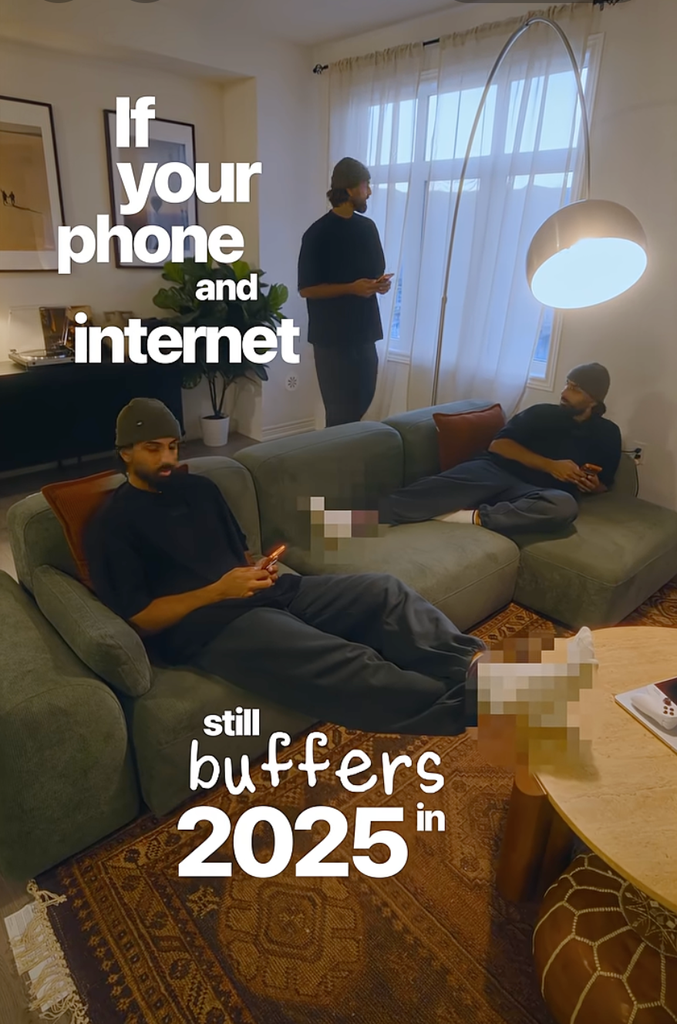
The pitches also screen creators out. Some reply that they switched providers for one reason or another. That response feeds #paid’s system so they are not shortlisted as a potential fit. “For TELUS, it was important to find existing TELUS users who like the service and want to talk about the service. That’s the most important thing,” Roger says.
Amid the rise of AI, Roger acknowledges that a creator could use tech to fake a pitch. But a creator who fakes fit, he notes, loses trust with the brand, their agencies, and partners like #paid. The creator’s hand-raise turns fit from a brand’s guess into a claim the creator makes, which #paid then checks.
A Famous Name Does Not Override a Poor Match
Prioritizing fit can put the brands at odds with their own creator preferences. In his earlier years at the company, Roger saw brands push for a well-known creator they were, as he puts it, “emotionally” attached to. “If the desired creator that you have isn’t the best for that objective, then we’ll explain that to you and work on finding the right creators,” he says.
Follower count still plays a role in that test. “It’s not as big as it used to be, for sure,” Roger says. He describes it as an indicator of a creator’s ability to connect with audiences, but labels it as one data point among many others. “It’s not irrelevant, but it’s not ultimate either.”
The cost of a poor match shows up in public. He recounts a story from outside #paid in which a creator who drove a “gas guzzler” partnered with an automaker on a more environmentally friendly vehicle, and followers flooded the comments pointing to the hypocrisy. “Every creator has a brand, a personal ethos and things they believe in and their own values,” Roger says.
That logic holds as budgets grow, and Roger argues that the right partners and tools let brands get fit and reach together. “If you don’t have good creator brand fit, your program cannot be successful. You’ll just deteriorate your audience trust,” he warns. Once the right creators are chosen, the brief decides how much room they get.
Guardrails Give Creators Room to Work
In Roger’s early days at #paid, brand briefs often read like something a company might hand a creative studio. Customers have adapted since, and in Roger’s experience, the programs that work best spell out what is mandatory and what is unacceptable, then leave the rest to the creator. “Within that framework, the creator can produce excellent work because they now have creative freedom,” he says.
“‘Tell me what I can and can’t do right from the beginning. Don’t let me find out at the end,’” Roger says creators tell him.
Both extremes cause damage. An overly prescriptive brief stifles creativity, while a thin one leads to reshoots when content comes back with something the brand never ruled out. #paid reviews briefs and shows brands where to loosen and where to stay tight, which matters for its many clients in regulated categories that need, Roger says, a different level of safety than other consumer products.
The guardrail model moves the brand’s job from writing content to defining limits. #paid’s “Co-Creator Program” goes a step further and brings creators in before the brief exists.
Co-Creation Puts Creators in the Planning Room
#paid launched the “Co-Creator Program” in June 2025 to involve creators from ideation onward. “Creators know what content is going to hit,” Roger says. “When you bring them into the planning process, they’re able to offer guidance on the brief.”
Roger has led a session with 10 to 15 creators, while other sessions have involved two creators, taken place virtually, or lasted a full day in person. “What we see consistently is that creators are used as creative strategists,” he explains. A brief can be final the same day or within a couple of days.
Handing over that control comes easier once brands trust the partner, in Roger’s experience. Participants come through the same fit filter and hand-raise as any #paid campaign, so the creators shaping the brief are already vetted for their affinity with the brand. He credits smooth sessions to clear agendas and expected outputs on both sides.
What a co-created program aims at still depends on the metric the brand brings to the table.
Ad Recall Answers Only Part of the CFO’s Question
Brands typically arrive at #paid with a product launch, a new flavor or a tentpole moment and a KPI attached, according to Roger, and the program is built from that metric. Objectives range from ad recall and brand lift to sales lift and test drives, and they shift for the same brand across the year. For a test-drive goal, content might show a vehicle’s interior and features, with creative, format, and platform adjusted to fit.
That range frames what a result like TELUS’s shows. “Ad recall is very powerful, but it tells you whether people remember your ad,” Roger says. A CFO, he notes, will want to know how much revenue a campaign drove. “Ad recall is one metric, but it doesn’t answer the rest of the questions a CFO might have related to revenue or sales.”
By his own rule that every marketing activity must tie back to critical business objectives, recall establishes that the ads were remembered. Brands that need a sales answer have to set that metric at the start.
Brands Should Take Creators Beyond the Feed
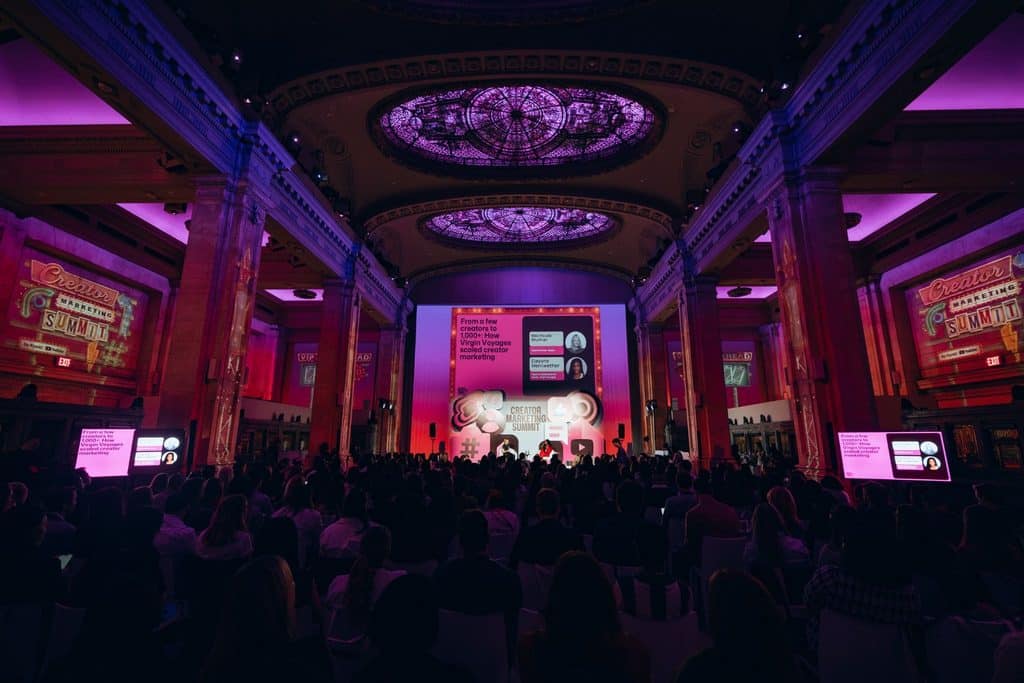
Looking ahead, Roger wants brands to carry that same trust beyond paid posts by bringing creators to company events, consumer events and conferences, and collaborating with them on products, moments that still end up in the feed. “They have the ability to turn a simple six-hour event into something that the internet is talking about,” he says.
Each practice he describes, from guardrail briefs to co-creation sessions, gives creators more control once fit is established.
A decade from now, Roger hopes brands will have concluded that creators can be trusted with their creative. “I want #paid to be the place that fosters that trust, that brokers that trust between both,” he says.
Subscribe to Our Newsletter
Check Out Our Podcast