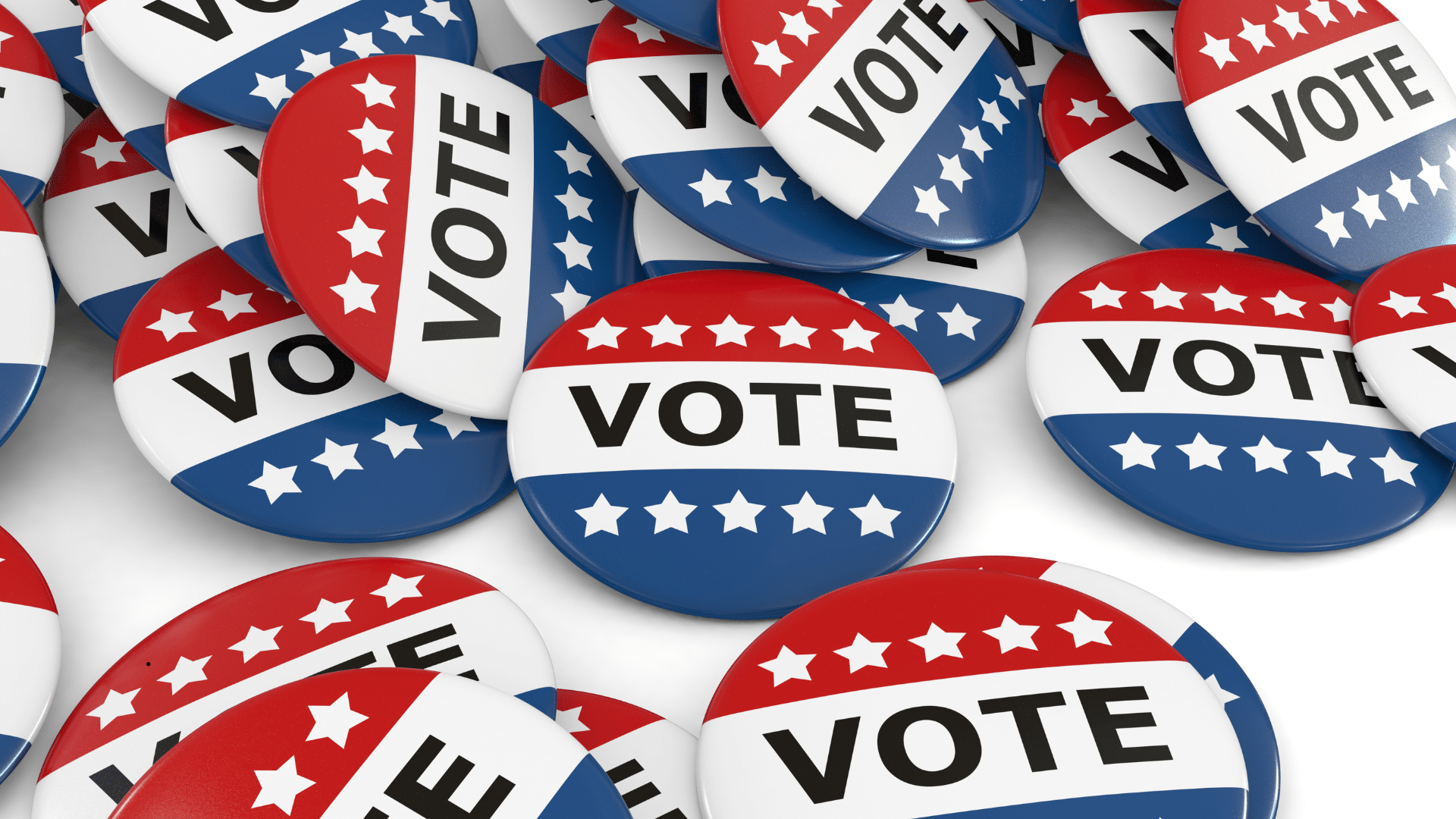
Chicago Alderman Matt Martin has introduced a proposal that would require political committees and the influencers they pay to disclose those payments in social media posts, with fines for both parties if they fail to comply. As reported by NBC Chicago, the measure responds to a practice already underway in the city: political campaigns, including the Chicago Teachers Union and Mayor Brandon Johnson’s reelection effort, have paid social media influencers to post supportive content without directly disclosing the arrangements.
“Our ordinance would place the burden on both the committee and the influencer, and impose fines on both for violations,” said Alisa Kaplan, executive director of Reform for Illinois, which is pushing for the ordinance. A Johnson campaign official told NBC Chicago the campaign has been in contact with roughly 100 influencers but is paying only four. Illinois campaign disclosure law does not currently require influencers to disclose whether they were paid for political content.
The proposal follows a dispute between Chicago donor Michael Sacks and Good Influence, a company representing social media influencers. Sacks sent the firm a cease-and-desist letter alleging that influencers it represents spread false claims tying him to the 2013 closure of 50 Chicago Public Schools under former Mayor Rahm Emanuel. Good Influence said it considers the matter closed and denied liability.
A Pattern Beyond Chicago
Martin’s proposal arrives as disclosure requirements for paid political influencer content tighten at both the state and federal level. California Governor Gavin Newsom signed AB1130 on September 19, adding criminal and civil liability provisions to the state’s existing disclosure law under the Political Reform Act of 1974. Assemblymember Marc Berman, who introduced the bill, said the growing use of influencers has “changed the way candidates communicate with voters.” California political influencer Kaitlyn Hennessey, who said she helped advocate for the state’s rules, described the disclosure standard: “You have to say here in California, this post was paid for by, you know, Steyer for Governor with the committee ID, so it’s very specific.”
At the federal level, Rep. Mark Takano introduced the Promoting Authenticity with Influencer Disclaimers Act in June, which would amend the Federal Election Campaign Act of 1971 to require disclosure of committee-paid influencer content nationwide. Texas became the first state to adopt a comparable rule in June 2024, requiring influencers to disclose political payments exceeding $100.
Not every campaign named in the Chicago dispute has adopted disclosure voluntarily. Some creators have, including Instagram account “Becky in Chicago,” whose post of an interview with Johnson carries the line “This is a paid partnership with Brandon Johnson for Chicago.” Spokespeople for Common Ground Collective and Gov. JB Pritzker’s campaign told NBC Chicago that neither pays political influencers for content.
Dragomir is a Serbian freelance blog writer and translator. He is passionate about covering insightful stories and exploring topics such as influencer marketing, the creator economy, technology, business, and cyber fraud.













Chicago Alderman Matt Martin has introduced a proposal that would require political committees and the influencers they pay to disclose those payments in social media posts, with fines for both parties if they fail to comply. As reported by NBC Chicago, the measure responds to a practice already underway in the city: political campaigns, including the Chicago Teachers Union and Mayor Brandon Johnson’s reelection effort, have paid social media influencers to post supportive content without directly disclosing the arrangements.
“Our ordinance would place the burden on both the committee and the influencer, and impose fines on both for violations,” said Alisa Kaplan, executive director of Reform for Illinois, which is pushing for the ordinance. A Johnson campaign official told NBC Chicago the campaign has been in contact with roughly 100 influencers but is paying only four. Illinois campaign disclosure law does not currently require influencers to disclose whether they were paid for political content.
The proposal follows a dispute between Chicago donor Michael Sacks and Good Influence, a company representing social media influencers. Sacks sent the firm a cease-and-desist letter alleging that influencers it represents spread false claims tying him to the 2013 closure of 50 Chicago Public Schools under former Mayor Rahm Emanuel. Good Influence said it considers the matter closed and denied liability.
A Pattern Beyond Chicago
Martin’s proposal arrives as disclosure requirements for paid political influencer content tighten at both the state and federal level. California Governor Gavin Newsom signed AB1130 on September 19, adding criminal and civil liability provisions to the state’s existing disclosure law under the Political Reform Act of 1974. Assemblymember Marc Berman, who introduced the bill, said the growing use of influencers has “changed the way candidates communicate with voters.” California political influencer Kaitlyn Hennessey, who said she helped advocate for the state’s rules, described the disclosure standard: “You have to say here in California, this post was paid for by, you know, Steyer for Governor with the committee ID, so it’s very specific.”
At the federal level, Rep. Mark Takano introduced the Promoting Authenticity with Influencer Disclaimers Act in June, which would amend the Federal Election Campaign Act of 1971 to require disclosure of committee-paid influencer content nationwide. Texas became the first state to adopt a comparable rule in June 2024, requiring influencers to disclose political payments exceeding $100.
Not every campaign named in the Chicago dispute has adopted disclosure voluntarily. Some creators have, including Instagram account “Becky in Chicago,” whose post of an interview with Johnson carries the line “This is a paid partnership with Brandon Johnson for Chicago.” Spokespeople for Common Ground Collective and Gov. JB Pritzker’s campaign told NBC Chicago that neither pays political influencers for content.
Subscribe to Our Newsletter
Check Out Our Podcast