





Agency
Because AI Is Making Content Cheaper, JUMPINGGOOSE Sees Culture as the Creator Premium

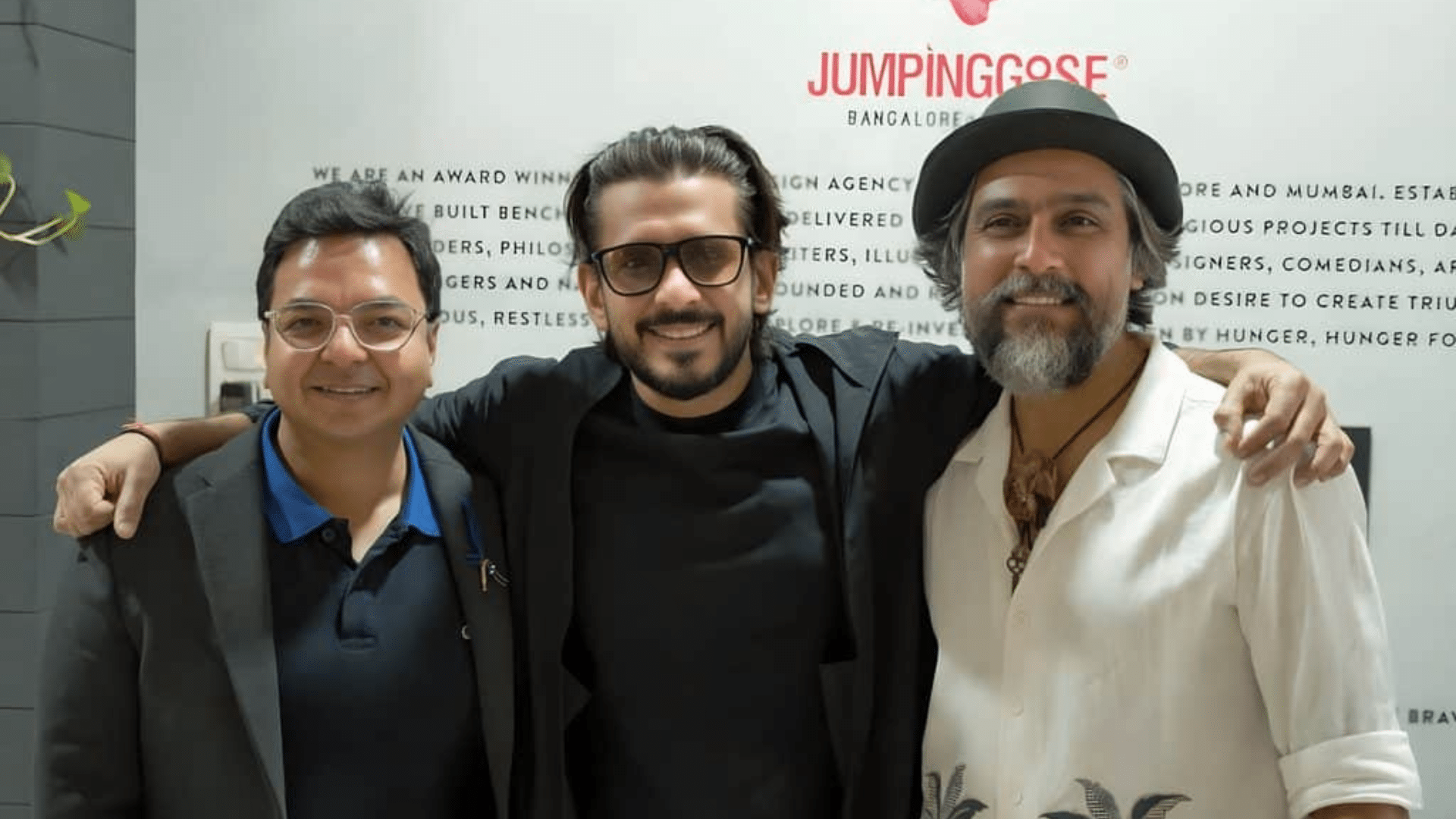
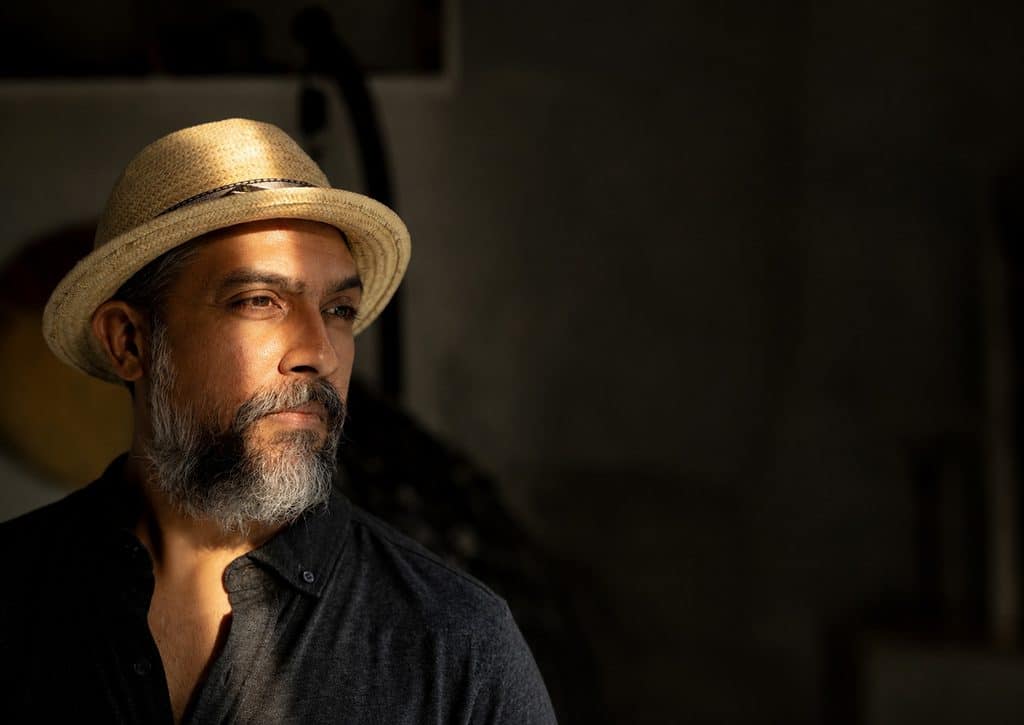
Piyush Bhandari, co-founder of Bengaluru-based brand strategy firm JUMPINGGOOSE, is asking a question the Creator Economy has not settled: if AI can generate a polished script or a beautiful image, what exactly will a creator be paid for?
Cultural intelligence is where he lands specifically. “If everyone can produce, what exactly are we going to value?” Piyush says. “I think we will value judgment, taste, intent, and cultural intelligence.” The premium in creator marketing, he argues, will shift from content creation to cultural creation over the next two years as AI continues to compress the cost of producing polished output.
That argument is also the commercial logic of JUMPINGGOOSE, co-founded with Tuhin Roy in 2011. The firm serves consumer lifestyle brands through six specialized divisions, from brand transformation advisory and identity design to marketing communication, content production, and retail design. Nearly all of its growth over 15 years has come through referrals, according to Piyush.
In creator marketing, JUMPINGGOOSE develops campaign concepts and creator criteria before partnering with influencer and talent management agencies to source creators. The firm uses a proprietary process called “OLAAi” to guide every new brand engagement, covering five stages: observe, listen, adopt, adapt and innovate. The firm’s stated ambition for brands is to make them “more relevant to people, culturally, creatively and commercially.” “We bring in the narrative,” Piyush says, “and then we connect.”
‘Freedom Within Framework’ Governs Creator Campaigns
JUMPINGGOOSE starts every creator campaign by mapping a brand’s archetype against the persona and content style of potential creators. “We match up the archetype with the persona of the creator,” Piyush explains, “and then, based on that, we shortlist the creators who could best fit for a certain kind of campaign.” The matching process, however, is only the starting point.
“We really don’t believe in over-scripting content,” he says. “Creators should be given a lot of lung space to come up with their own perspectives.”
The firm calls this “Freedom Within Framework.” A campaign brief establishes strategic direction and objectives but stops short of dictating execution. “If it’s very scripted, it just becomes like an endorsement deal,” Piyush says. Over-direction, in his view, eliminates the credibility that makes creator content commercially valuable.
For Breakbounce’s #BeHeard Movember campaign, JUMPINGGOOSE built a narrative around men’s health and expression that gave creators room to draw their own communities into the conversation rather than scripting them as product representatives. For campaigns including Munchilicious and Fancode, the firm evaluated which creators genuinely belonged in the brand’s story before narrowing its shortlist. The firm says it measures success in terms of conversation, participation, and whether the brand entered a wider cultural story, metrics Piyush groups under “amplification beyond the paid creator post.”
India’s Creator Market Does Not Collapse Into a Single Strategy
Creator selection in India cannot be resolved by follower count alone, according to Piyush. “India is a complex phenomenon. One country, many diverse worlds,” he says. The country’s audience layers run from metropolitan centers to what JUMPINGGOOSE calls tier five markets, each with its own language, consumption patterns, and creator dynamics. “You can’t take a metro-city influencer, shrink the media plan, and expect the same strategy to work,” he says.
In lower-tier markets, JUMPINGGOOSE looks for creators with local trust, language fluency, and genuine community relationships. The selection criteria go beyond demographics. “We look at language, humour, rituals, aspirations and regional consumption behaviour,” Piyush says. A creator with 30,000 highly engaged followers in a specific geography can deliver more commercial value, he argues, than a national creator with a million followers who lacks cultural familiarity there.
The firm calls this hyperlocalisation, and Piyush draws a distinction from simple translation. “It’s making the campaign feel like it was born and raised there,” he says. Westside’s #WomenWeLove Women’s Day campaign, for example, selected women whose personal stories genuinely connected with the campaign idea rather than those with the broadest national reach.
AI Is Redefining What a Creator Premium Means
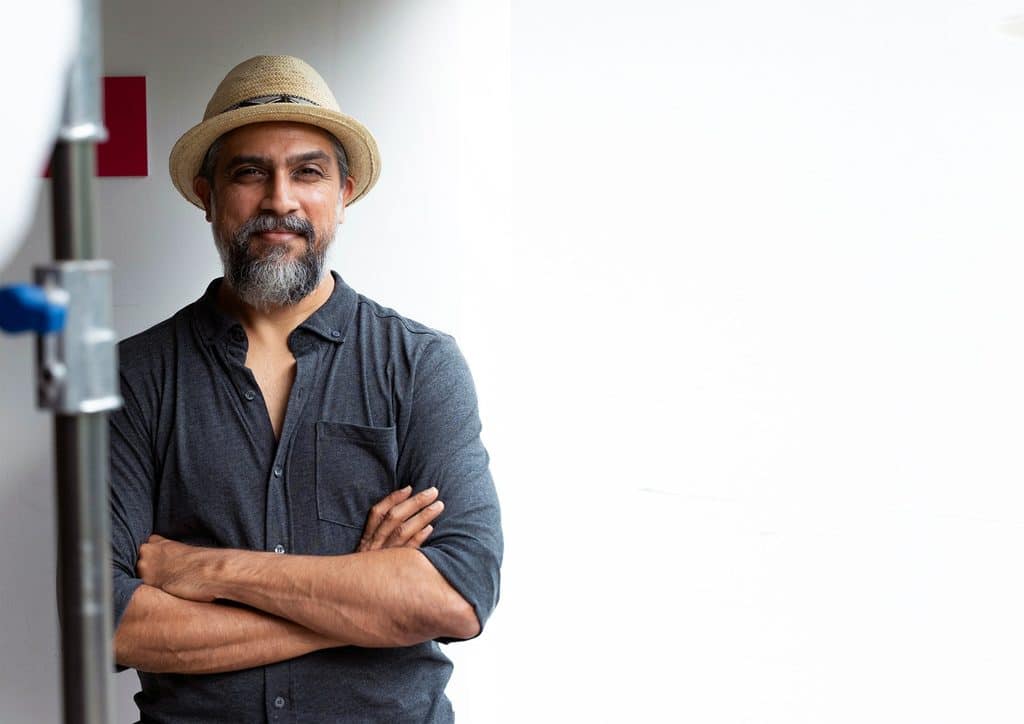
JUMPINGGOOSE sees AI’s impact on the Creator Economy as structural rather than temporary. “Anyone can generate a beautiful image, write a script or produce a polished video now,” Piyush says. “What remains difficult is having a point of view, lived experience, cultural intuition, credibility and the ability to make people feel something.”
Creators who command pricing power over the next two years won’t necessarily be the most prolific, he argues. They’ll be the most credible, and they’ll know when to put the tools aside. “When everyone has a magic wand,” Piyush says, “the differentiator isn’t the wand. It’s knowing what to create with it.”
The same logic applies to creators building their own brands. “Creators already have something most brands spend years trying to build,” Piyush says, “a community that trusts them and pays attention to them.” Treating that community as a distribution channel, he argues, squanders the asset. The more important question, in his view, is what that community actually needs.
His advice to creators entering brand ownership is compact: “Invest. Immerse. Build.”
A Subscription Model Built on a Decade of Trust
JUMPINGGOOSE asks clients to pay 100% upfront for engagements of three to six months, a structure Piyush describes as a hybrid between a project and a retainer, designed for markets he calls volatile and ambiguous. “Before we could move into a subscription model,” he says, “it took us almost about a decade to build that credibility.”
The arrangement is framed as mutually beneficial. Brands avoid the legal and administrative complexity of 12-month retainer commitments in a volatile market. JUMPINGGOOSE gains cash flow stability and exits the invoice-chasing cycle common in agency work. “Legacy brands, corporates and startups choose to say, ‘Despite the fact the bill is growing, we will still go ahead because we believe that you are the guys who will stay till the last and help us deliver this,’” Piyush notes.
The firm’s billing philosophy follows the same logic. Piyush describes JUMPINGGOOSE’s pricing as based on “mind hours” rather than “man hours,” anchoring its value to strategic judgment rather than execution volume. For creators working through JUMPINGGOOSE campaigns, payment terms typically run three to 15 days after content approval.
JUMPINGGOOSE Targets Luxury Brands While Betting on What AI Cannot Generate
JUMPINGGOOSE is targeting what Piyush calls a 3.0 phase, aimed at ultra-premium and bridge-to-luxury brand clients, expanding digital marketplace Pixemix, and a parallel venture in Workademy, launched in April 2026.
The underlying argument has not shifted since the firm incorporated on India’s Independence Day in 2011. “The world doesn’t need more agencies and more creative agencies,” Piyush says. “What the world definitely needs is braver thinking partners.”
“Do brave things,” he concludes. “Playing safe has never moved anything anywhere.”
Subscribe to Our Newsletter
Check Out Our Podcast