
Influencer
Streamer Asmongold Says He Turned Down $20M in Gambling Sponsorships

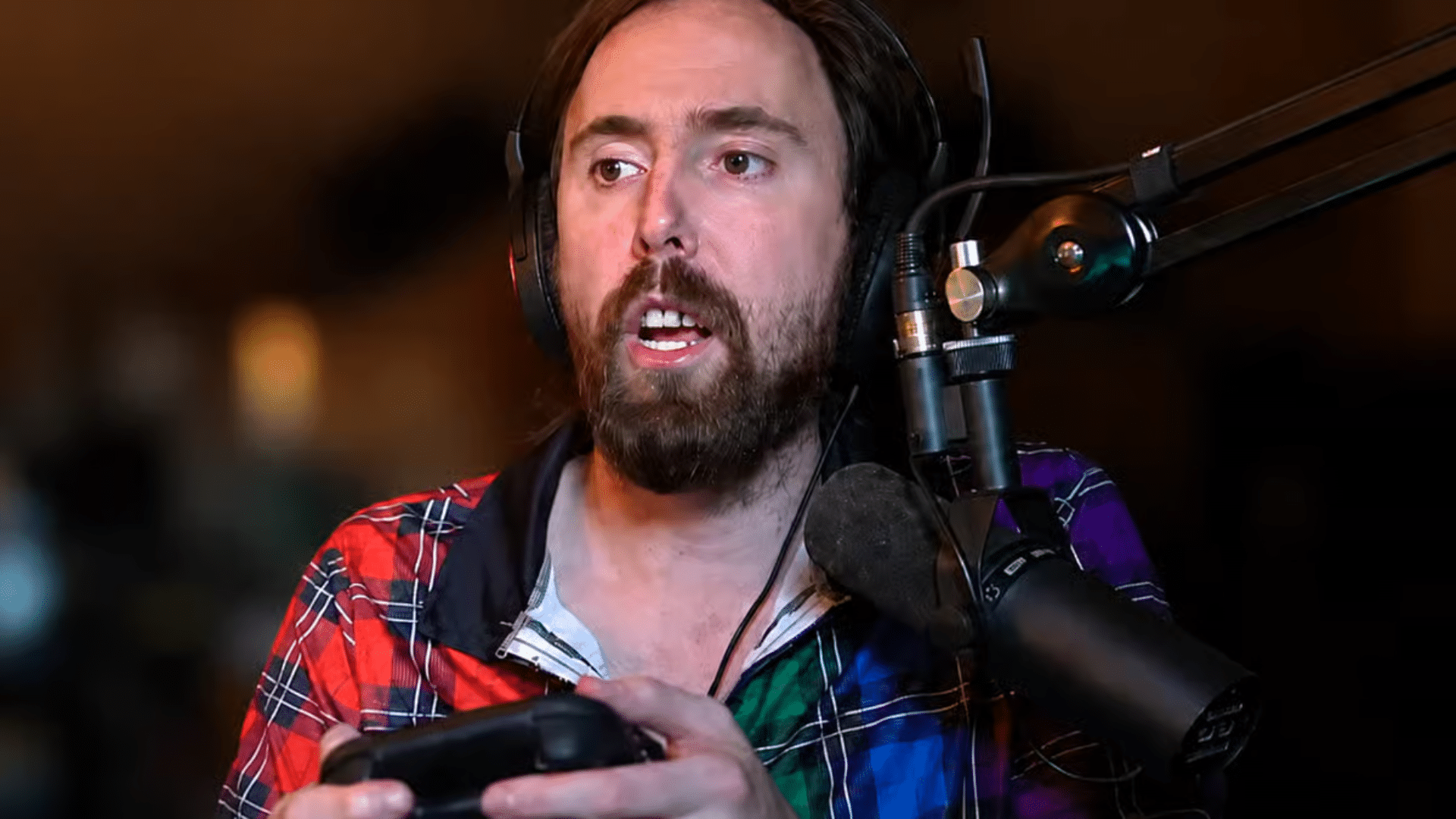
Asmongold said on stream that he has rejected gambling sponsorship offers worth more than $20 million, telling viewers he does not need the money and does not like gambling, according to Dexerto.
“I have received $20-plus million offers to do gambling sponsorships. Back in, like, 2021-2022, dude, they were throwing tens of millions of dollars at people,” Asmongold said. “I didn’t do it, I don’t like gambling. ‘Stupid not to take it.’ I didn’t want to. I didn’t want to do it. Why would I do something that I don’t want to do? Like, I’m already rich. Like, why would I ever do something that I don’t want to do?”
Asmongold, who streams on Kick, said gambling sponsors evaluate “conversion rates” for streamers, selecting partners they believe can drive revenue through viewers who lose bets. He has previously criticized Twitch streamers who run gambling ads without betting themselves, telling audiences that “gambling is here, and it’s here to stay.”
The comments come as gambling sponsorships have become increasingly prominent in live streaming since the period Asmongold described. Stake alone appeared in 6,600 stream titles across Twitch and Kick in January 2026, accounting for 60% of all iGaming brand mentions on those platforms, according to a recent Stream Hatchet report. Kick’s top iGaming creators that month generated tens of millions of hours of watch time: Trainwreckstv led with 15.6 million hours, followed by Classybeef at 13.9 million and ROSHTEIN at 12.6 million. Stream Hatchet tied Stake’s dominance to its structural ties with Kick, which was co-founded by the brand’s backers.
The rise has also led to regulatory scrutiny of influencer-led gambling promotion. Brazil’s Senate Sports Committee has approved legislation barring influencers from promoting betting products, and South Africa’s National Gambling Board has proposed similar restrictions over concerns about youth exposure. In the UK, the charity GambleAware has called for temporary restrictions on gambling content marketing, citing research that found 87% of children aged 13-17 reported encountering gambling content online, with Twitch, Kick, and YouTube named as central to that exposure.
Subscribe to Our Newsletter
Check Out Our Podcast