
Strategy
Advertising Week New York Moves Creator Programming From Conversation to Commerce

Advertising Week New York is moving creators from the conference agenda to the deal table. The 2026 edition is introducing live creator-brand matchmaking, appointing a Chief Creator Officer, and aiming to generate $100 million in new creator-brand business across four days.
The shift reflects a change in how the event’s organizers see creators’ role in marketing. Ruth Mortimer, Global President of Advertising Week, describes creators as both creative partners and distribution channels, making the event a potential meeting point for brands with budgets and creators looking for partnerships.
“Creators are interesting because they both function as creative agencies in some ways, where they’re making the work, and distribution channels,” Ruth says. “We really wanted to formalize that and give creators a place they could do business.”
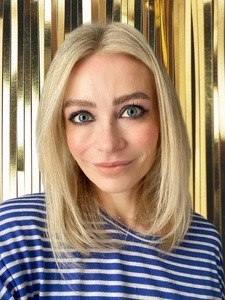
Advertising Week New York has maintained a dedicated creator track for more than five years, but the 2026 edition moves some of that activity beyond the stage. Dhar Mann, the event’s inaugural Chief Creator Officer, is overseeing programming alongside a commercial effort to connect brands and creators during the event itself. “He is going to be asking brands to commit their budget,” Ruth says. “We are facilitating brands and creators meeting each other live during the show.”
That approach gives the creator programming a more explicit business objective, while also reflecting a broader question for Advertising Week: How long can creators remain a distinct category before becoming part of mainstream marketing programming?
Creators Came to Do Business First. Advertising Week Followed
The decision to build a commercial structure into the creator track came from watching how creators were already using the event. “The last couple of years, we noticed more and more creators coming as attendees,” Ruth says. “We started noticing that creators were coming along to try and do business with brands themselves.”
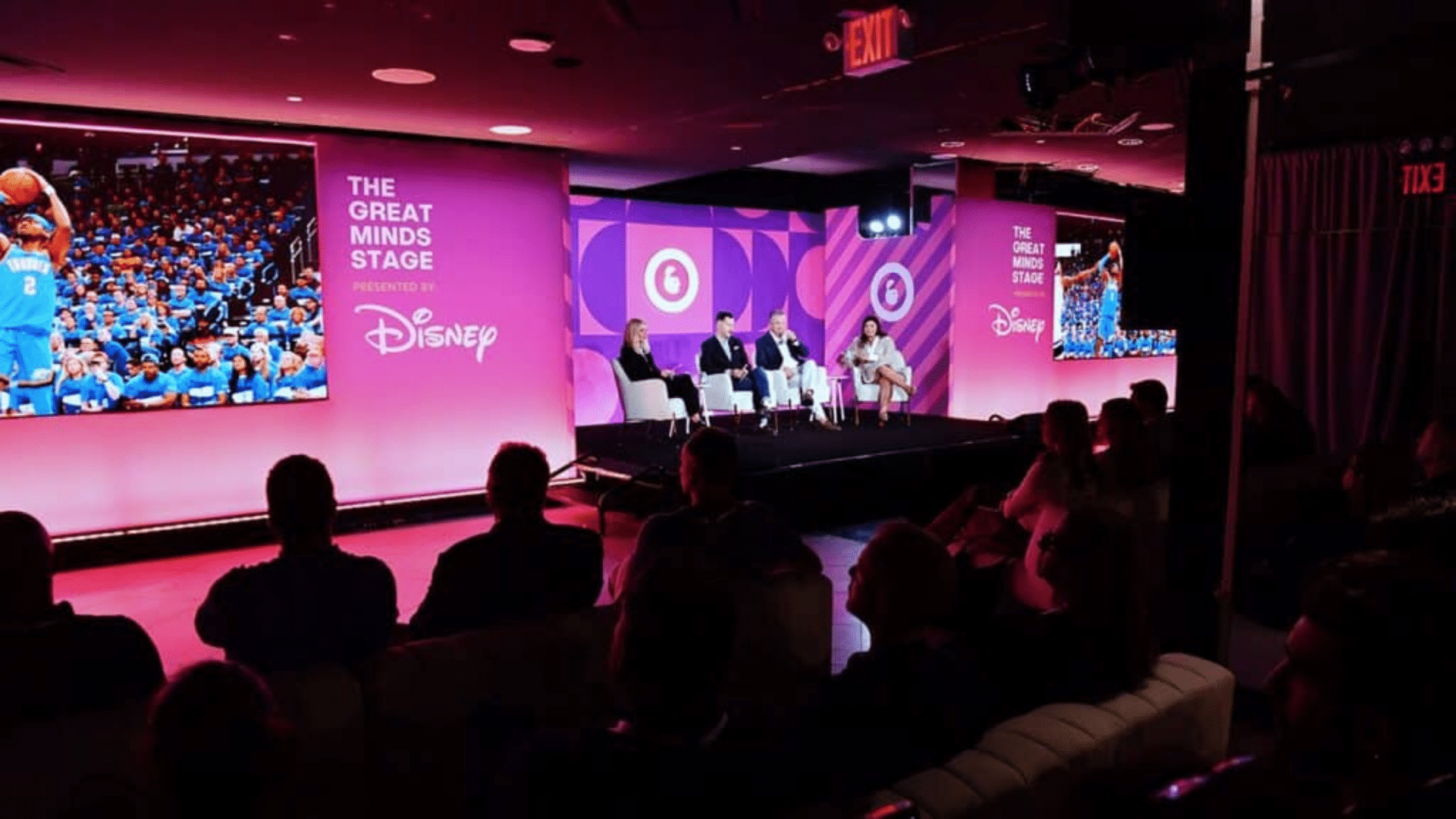
Dhar Mann’s activities run across two parallel tracks. On the content side, he leads creator karaoke, a curated dinner, and additional programming throughout the week. On the commercial side, the centerpiece is the “$100 Million Creator Challenge”: 30-minute sessions on the “Great Minds” stage, pairing leading creators with brand CMOs to generate live business outcomes. Ruth distinguishes between two distinct modes within that commercial effort.
“One is a softer approach, which is relationship building, getting people in the right rooms together,” she explains. “And one is genuinely matchmaking and setting up business deals.”
What the Creator Sessions Actually Cover
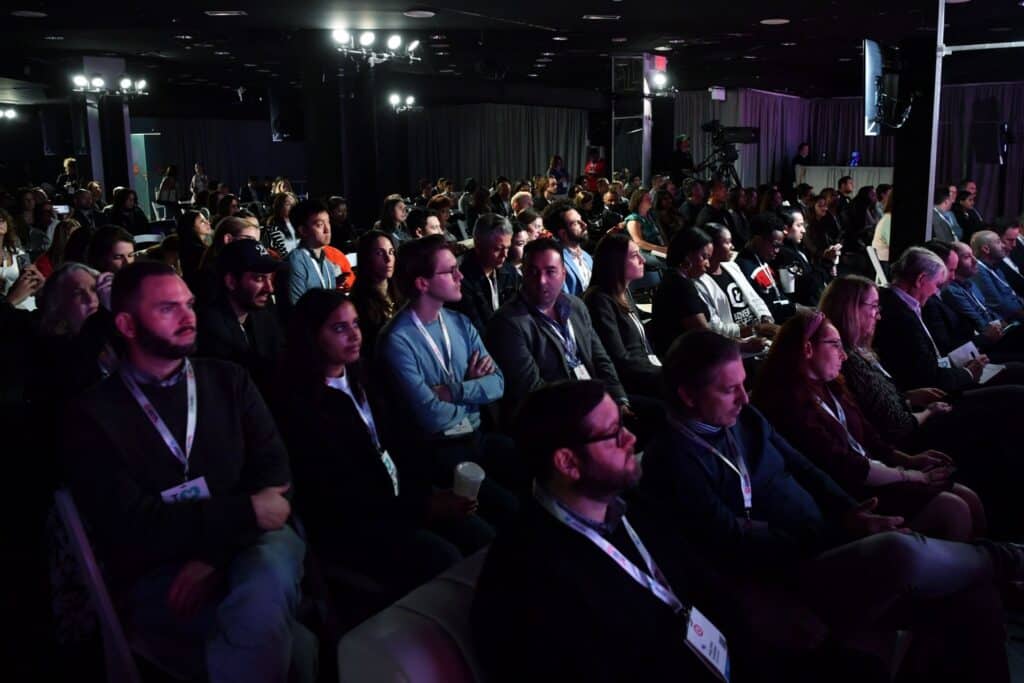
One session in the week’s creator lineup opens a question many panels have skirted: whether building a C-suite role around a creator delivers something that buying individual posts cannot. Creator Jordan the Stallion and Blenders Eyewear CEO Jack Gray discuss what it looks like operationally when a brand installs a creator’s instincts into senior leadership rather than contracting for content placements by the post.
A second panel confronts creator economy economics directly. With brands spending more than $30 billion annually on Influencer Marketing, executives from Reach Agency, CreatorIQ, and Campaign US examine creator rates, agency models, performance expectations, and the measurement frameworks that have remained inconsistent across the industry.
Across multiple sessions, the week surfaces a longer-range question: how creators move from platform virality to enterprise-scale entertainment. A panel featuring Smosh, Critical Role, Mythical Entertainment, and The Try Guys examines the creator studio format as a durable media model. The story behind “11 to Midnight,” a creator-led production that traveled from TikTok choreography to an Off-Broadway run, anchors a separate session on branded IP. Both connect to an underlying question of whether creators are better served building original IP independently or partnering with established companies for resources and distribution.
When the Creator Track Stops Being a Track
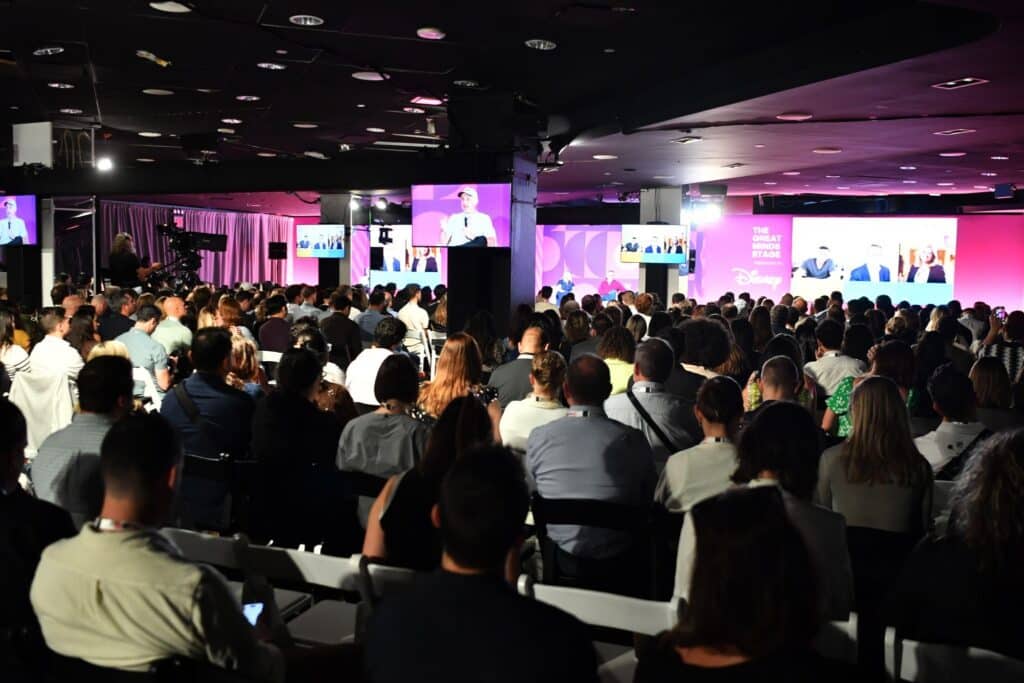
The dedicated creator track, by Ruth’s own projection, has a built-in expiration date. She places it within a pattern that has repeated across the event’s two-decade history.
“These days you wouldn’t have a track called Internet or mobile,” she says. “But you do still have AI and creator. And I’m sure one day those things will just be standard, but then there will be new tracks.”
That integration is already underway at Advertising Week New York. Creator content now appears inside advertising campaign sessions, streaming discussions, and branded content programming, not only in the dedicated creator space.
“Creators are already just part of marketing in general,” Ruth says. “So I think we already have lots of content about creators that is in lots of other tracks too.”
Healthcare, Sport, and a Live Campaign Shoot
Healthcare and pharma represent the largest non-creator expansion in this year’s edition. Ruth frames the sector as one cutting across every other category at the event. GLP-1 drugs are affecting how CPG brands formulate products, how fashion companies plan supply chains and sizing, and how pharmaceutical marketers are beginning to test expert creator partnerships to reach audiences that traditional advertising channels have not been able to reach.
Sport anchors the second expansion, centered on the return of the Playmaker Awards, which focus on the intersection of brands, creators, and sports. First introduced in 2025 and expanded for this year’s edition, the awards recognize individuals and organizations reshaping how sports properties and commercial partners interact.
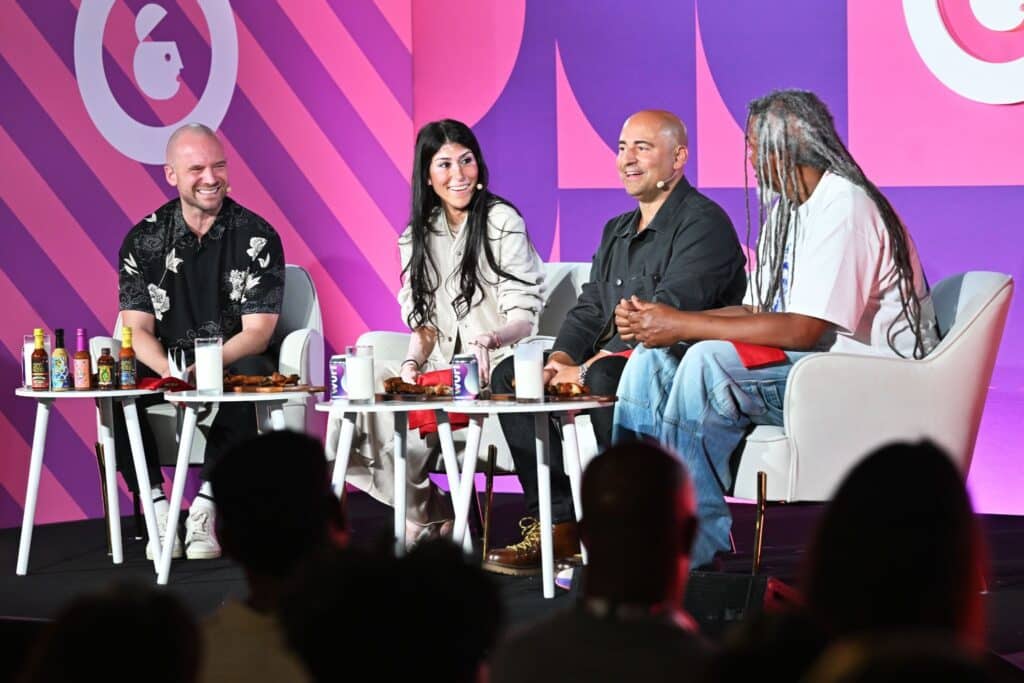
The most unconventional session is “Flavor Flav,” where Flav solicits pitches from smaller brands and selects one to shoot a live campaign for at the event.
“For a lucky brand, he’s going to choose them based on their pitch, and he will shoot a campaign for them live at Advertising Week,” Ruth says. The format follows last year’s collaboration with Kevin Bacon, who produced pro bono films for nonprofits during the event. Both reflect what Ruth describes as going “further than just an event,” producing an outcome that would not exist without Advertising Week as the venue.
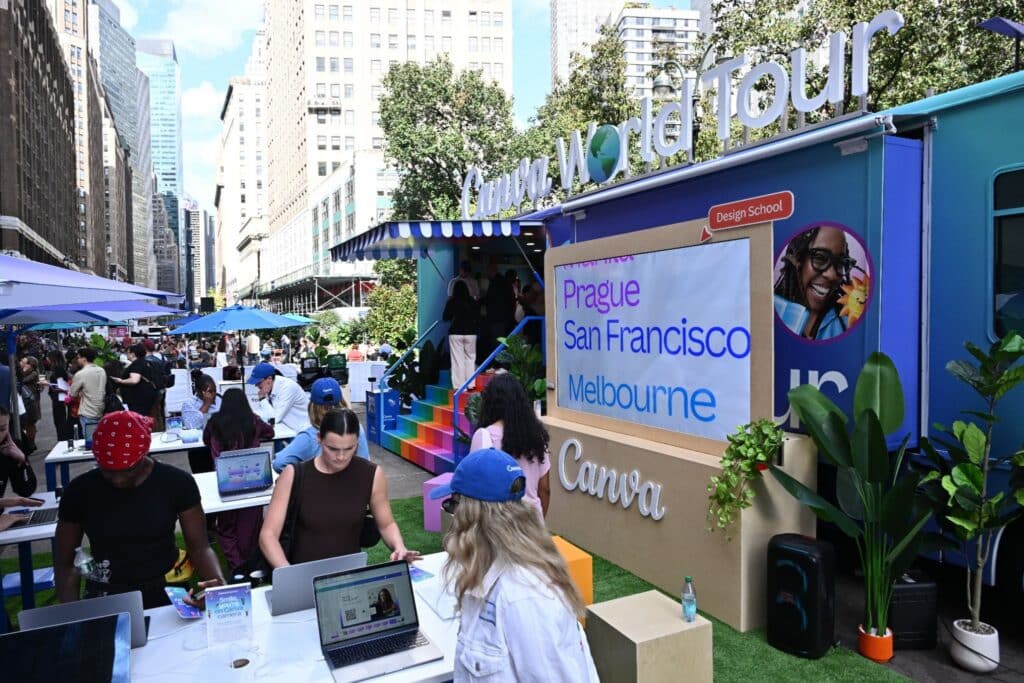
What In-Person Events Offer That Nothing Else Does
Remote and hybrid work has changed how frequently colleagues share physical space, and Ruth argues that shift has made in-person industry gatherings more consequential, not less.
“Events have become moments you get to experience in person in such a big way,” she says. “They fill, even more so than ever before, a void in people’s working lives. They present something different.”
Her measure of success for this year’s edition is stated in three questions. Did attendees find the programming useful and valuable? Did they meet the people they wanted to meet? Did partners find the business they came for? The answers to those questions, she says, determine whether the event has earned a return visit.
“My dream is that Advertising Week is always right for the time it’s in,” Ruth says, “even if it’s not the same as it was a decade ago.”
Advertising Week New York 2026 runs from October 5 to 8, 2026, at THE PENN DISTRICT, New York
Subscribe to Our Newsletter
Check Out Our Podcast