





Influencer
The Boomer Mom Character She Built for Therapy Is Now a Comedy and Drama Creator Business

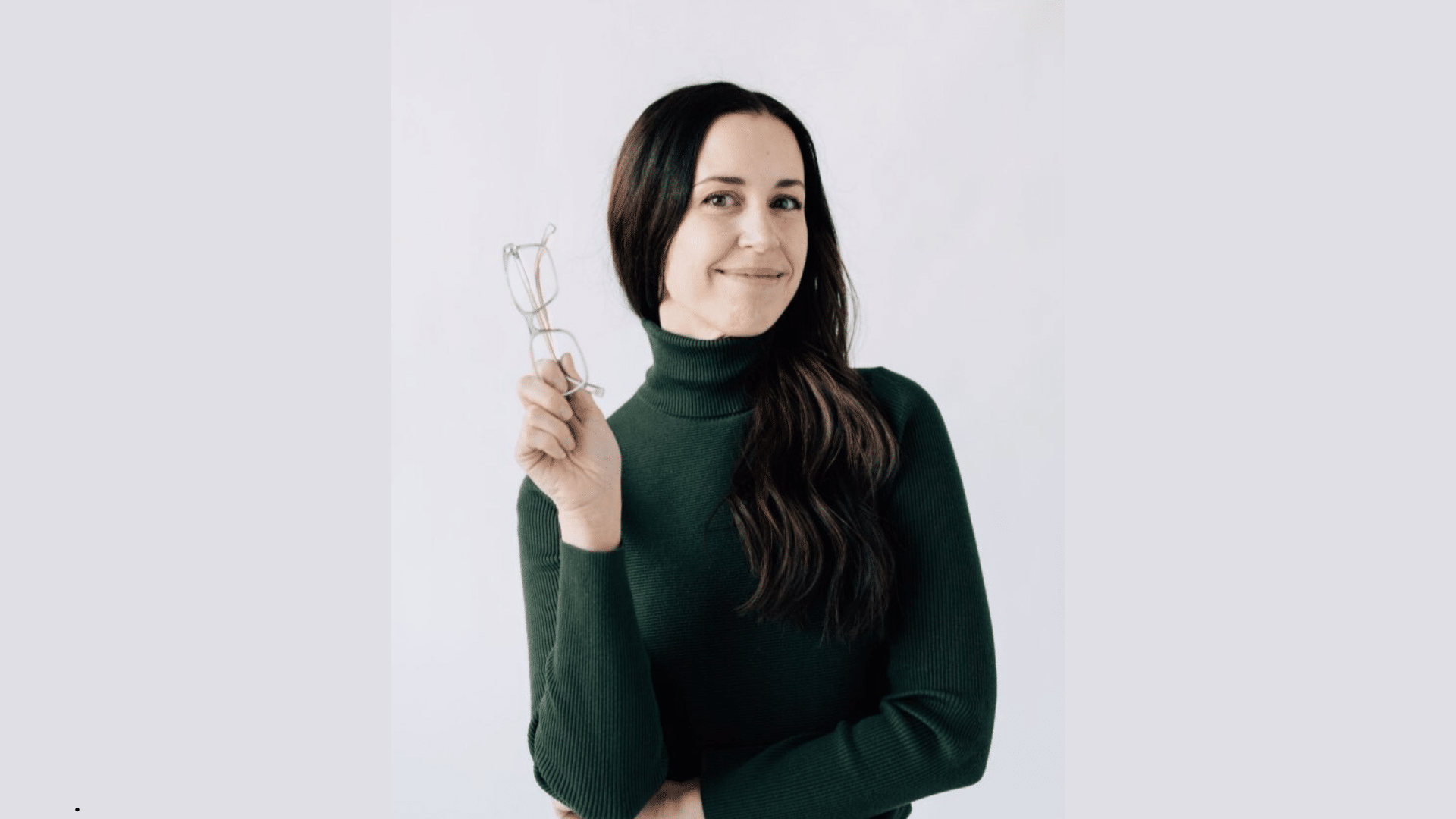
When Kristen Knutson became a mother, she started writing to process it, not in a journal but in character. A boomer mom who means well and can’t stop. A millennial caught between her toddler and her aging parents. Two characters who became a content business.
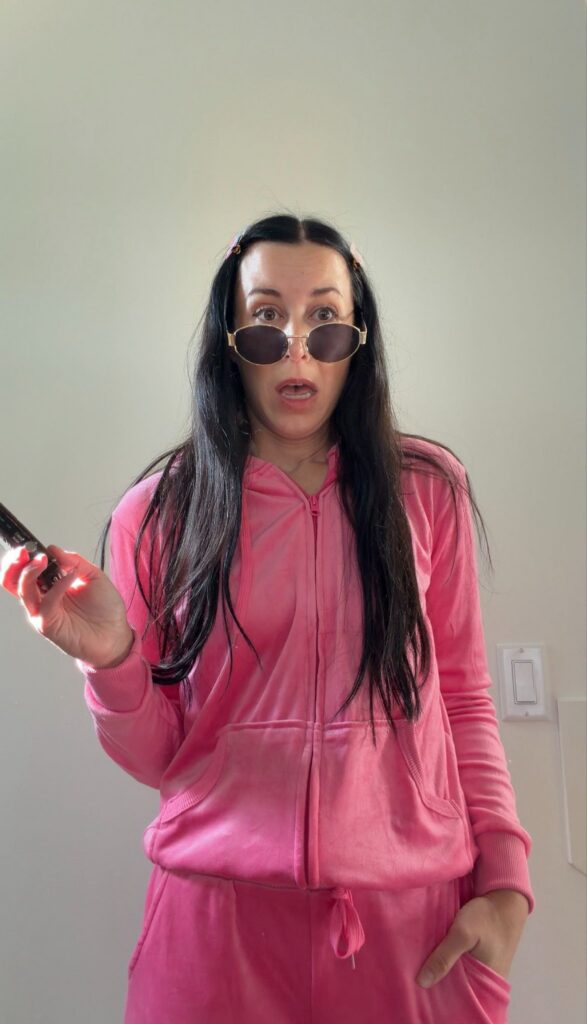
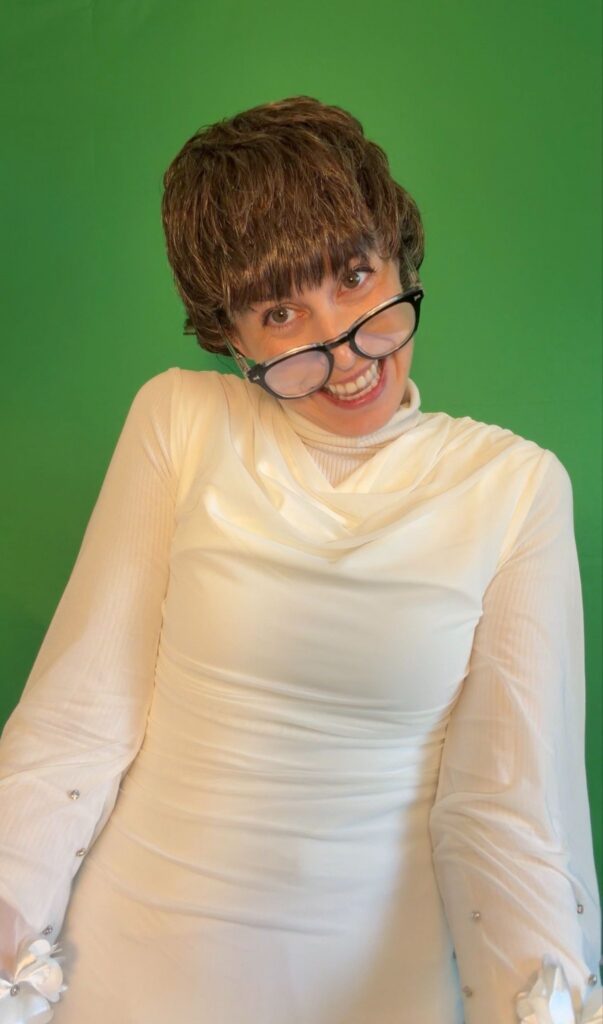
Running the account @callmekristenmarie across TikTok, Instagram, Facebook, and YouTube, Kristen writes and performs a roster of what she calls characters who “feel like your family.” The most well-known is Deb, a chaotic, lovable boomer mom built from real people in Kristen’s life and the stories followers send to her DMs. Alongside Deb is Kayla, a millennial mom navigating the sandwich generation, raising young children while managing aging parents. Her storyline runs through a scripted drama series called “The Kayla Files.”
Between the comedy skits and the serialized drama, Kristen operates as a solo showrunner, writing, performing, and sequencing multiple characters across two distinct formats. The thread connecting them, she says, is simpler than the structure suggests. “I want people to feel seen when they watch my videos,” she says.
The Boomer Mom Who Started as Therapy
Kristen began creating the characters shortly after she became a parent herself. They were shaped by the friction between her millennial parenting approach and her own boomer mom’s, the disorientation of new parenthood, and the ways relationships shift when a baby arrives. She framed it as comedy because comedy was the language available. “A lot of that was just therapy for me,” she says. “It was a way to get a lot of the things that I was experiencing in my life out into the world.”
Deb emerged from that friction and the character immediately connected with audiences. “When I first started creating Deb, people immediately recognized her,” Kristen recalls. “They were like, ‘This is my mom.’” What drove the early resonance, she says, was the contrast: her millennial parenting style set against the boomer mom approach she grew up with.
For Deb, Kristen draws on real people in her life, behavioral patterns, and the stories followers submit by DM. Followers write regularly about people in their own lives who match the character’s patterns, and she folds those characteristics back into the character. “I feel like Deb is a composite of a lot of different people,” she says.
Where the Comedy Ends, the Drama Begins
A 60-second skit is designed to stand alone. It gets a viewer’s attention, delivers its point, and releases. “The Kayla Files” exists because Kristen wanted to show what that format leaves out.
“Families are complex,” she says. “We have a lot of drama in our own families. We have a lot of comedy in our own families. So I like to show both.” The series has expanded over the past year and now runs to around ten distinct characters with separate personalities and roles within an ongoing plot.
Serialized storytelling requires a different kind of discipline. “Everything has to be maintained and remain consistent,” she says. Viewers who return for an ongoing story are returning because they’re invested, and that investment must be earned across episodes, not just in the first one. “You want people to be invested in the characters, their growth, the drama, and the twists and turns.”
Writing Serialized Stories Six Episodes at a Time
“The Kayla Files” doesn’t materialize episode by episode. Kristen works from a structural outline extending through the beginning of next year, mapping major story beats in advance. The actual texture, the specific drama, the character revelations, only comes into focus when she sits down to write each series in full, typically six to ten episodes at a stretch.
“A lot of the juicy stuff doesn’t really come out until I sit down and really write the script for every character,” she says. The outline provides architecture and the writing sessions produce a story. The distinction matters to Kristen because she isn’t improvising within a loose frame but is discovering detail within a planned structure.
YouTube has sharpened that discipline. “YouTube is a much more loyal audience who wants to see the longer-form content,” she says. “I think YouTube has helped me grow a lot more as a creator because it’s helped me think more about how to create long-form.” The platform’s audience expects continuity and accumulation, expectations that have raised the craft standard she holds herself to across “The Kayla Files.”
Keeping Deb Honest When the Brand Brief Is Not
Brand integration within character-driven comedy can be a puzzle. A pharmaceutical campaign comes with compliance language that no boomer mom on a sitcom would use. Regulated health products require specific terms. Kristen has worked out how to absorb those constraints without breaking character.
“I’ve always tried to stay completely authentic to the characters,” she says. “What would the characters say?” When a partnership requires a verbal disclosure within a skit, which she describes as “breaking the fourth wall,” the character acknowledges it and moves on. The disclosure becomes part of the skit rather than a rupture in it. Her own test remains consistent: “I always use myself as the litmus test. Is this funny or is it not? Is there a relatable factor to this?”
Her income runs roughly 60% from brand deals and 40% from platform payouts. Rates adjust by deal category and season, with Q4 commanding the highest fees. She declines brands she’s unfamiliar with or wouldn’t use herself, and favors longer-term partnerships over single campaigns. “You really get to know the people and the brands a lot better,” she says. Audience trust and creative consistency are, in her practice, the same asset.
Social Media Is Competing With Television, and Creators Know It
The word Kristen returns to is perception. She sees a consistent misread in how character-driven comedy creators are understood by brands, by audiences, and by an industry that still defaults to influencer as its primary category.
The default assumption about influencers, she argues, is transactional. Someone who wants you to buy something. She finds the category insufficient for the work she does. “There’s a lot more art to it for a lot of people,” she says. “We want to be taken more seriously as comedians, as actors, as writers, as showrunners.”
The industry’s own framing is shifting. “I don’t think we really thought about social media as something that would compete with what we watch on our TVs until, I would say, the last one to two years,” she says. “It’s not just influencers, the way that we’ve traditionally thought about them, but it’s actual artists, it’s actors, it’s comedians.”
Kristen is managed by Odyssey Entertainment Group, whose “Odyssey Originals” program she sees as a move toward bridging the perception gap between creator work and television. The remaining distance, in her view, is largely a delivery question. “Sometimes, it’s just the difference of what screen you’re watching it on,” she says.
The Bigger Screen These Characters Could Fill
The extension is already underway. “Deb’s Bakery,” a YouTube series built around the boomer mom character, is in development and expanding to include guest creators and performers. “The Kayla Files” has generated a steady stream of comments from viewers comparing it to the after-school soap operas they grew up watching.
Kristen is thinking about what both properties could become at a different scale, such as a television show or a book, or how they could evolve through higher production and a longer format. “I think it could be a lot of what I’m creating today in its own universe or just elevated with higher production,” she says. The audience appetite is there in ways it wasn’t a few years ago. “People are more patient, and they’re willing to stick with you if you have good writing and good acting,” she says. “I don’t know if an audience would have been as receptive even like two, three years ago to the longer form content.”
The ambition stays tethered to the purpose that started it: postpartum, processing, a way to put something real into the world through fictional people.
“I want people to feel less alone,” Kristen says. “Sometimes they can laugh at their lives, and sometimes they can realize that whatever they’re experiencing with a family member in their life, they’re not necessarily doing it alone.”
Subscribe to Our Newsletter
Check Out Our Podcast