







Agency
The Human Standard: Why People Have Influence Treats Creators Like Partners, Not Deliverables

Influencer marketing agency People Have Influence has built a business that treats creators as valued partners rather than content deliverables. Founded in 2018, the South African agency serves global and local brands seeking creator partnerships, executing customized influencer campaigns for clients such as Adidas, L’Oréal, Zara, and British American Tobacco.
“At the end of the day, they’re people, not robots. They should be treated like people,” says Philippa “Phi” McCann Davies, founder and CEO of People Have Influence.
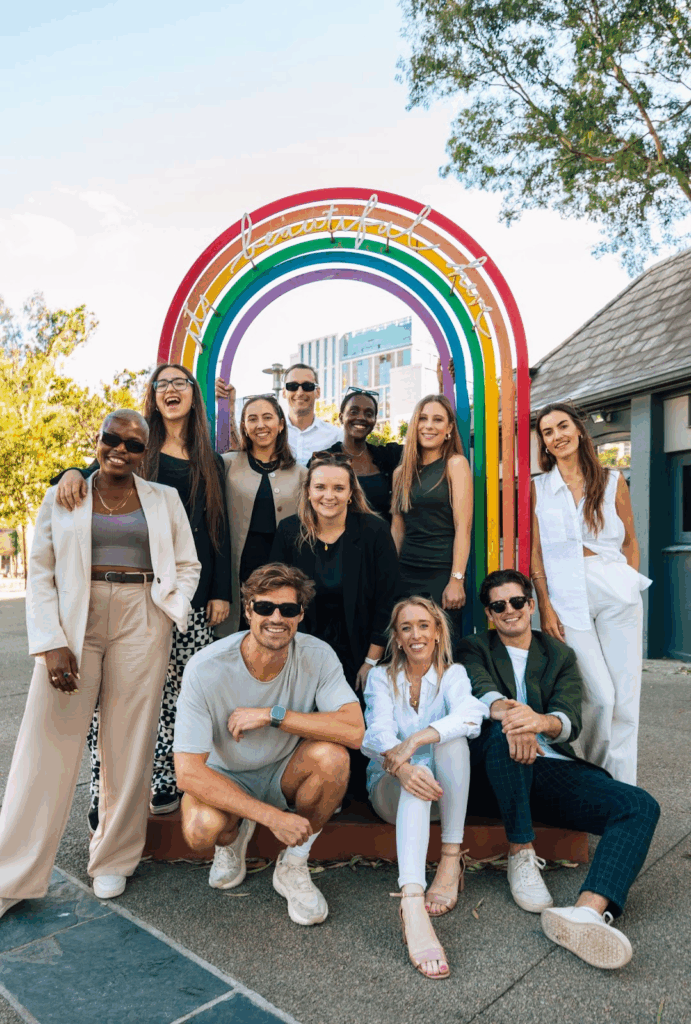
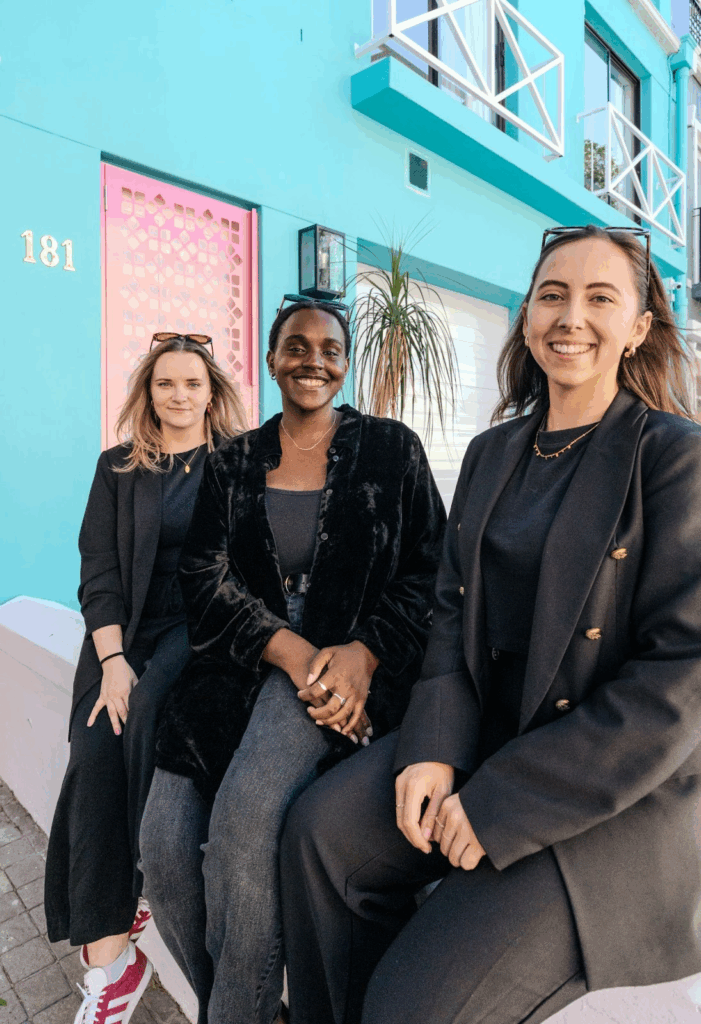


Images: People Have Influence Team Members
Her company emerged to connect brands with the right creators through a human-centric approach rather than algorithmic matching. “We live in a world of recommendations,” she explains. “Would you rather listen to a friend or family member, or a traditional advert saying ‘buy me’?”
Phi’s journey into influencer marketing began during her university years at the University of Cape Town, where she studied media and writing, sociology, psychology, and dance. While still a student, she was scouted by Smirnoff to distribute product samples at parties and identify influential individuals who could help spread the word about a new product.
They were launching a new vodka Red Bull in a can, Philippa recalls. “Instead of traditional media, they said, ‘We’re going to work with people.'”
As Philippa shares, the campaign was a success, emptying the retailer’s stock. For her, this experience was transformative. “That was strictly the power of word of mouth,” she says. “It proved we trust peer recommendations more than traditional adverts.”
After university and experiences working at word-of-mouth marketing agencies, Philippa identified a significant opportunity while working on a campaign for Jameson whiskey. The team needed to curate a guest list of 500 whiskey drinkers for an event, but lacked an efficient way to identify and reach the right people.
“I remember asking, ‘Is there not someone we can phone and say we’re looking for X amount of people between these ages, in this area, who do X on weekends?'” Philippa recalls. “And they said, ‘No, Philippa, this doesn’t exist.'”
This realization became her lightbulb moment for founding People Have Influence.
The Problem with Transactional Influencer Marketing
According to Philippa, today’s creator economy is filled with platforms and tools promising to streamline influencer marketing through automation. While offering efficiency, she argues that these approaches often reduce creators to interchangeable content producers, stripping away the human element that makes genuine influence effective.
“The space is flooded with platforms that automate influencer marketing and pride themselves on going live with a few clicks,” Philippa observes. “Isn’t that taking the people out of the industry, making it more transactional?”
This shift toward automation has created widespread issues in the creator space, including delayed payments, broken promises, and a lack of mutual respect among brands, agencies, and creators.
“I’m aware of how some creators are treated; paid three months later, promised things that never happen,” Philippa says.
The Accountability Model
At the heart of People Have Influence’s approach is what Philippa calls a “three-way responsibility triangle” that redefines how brands, agencies, and creators interact.
For brands, Philippa explains, “You have a responsibility to give creative freedom with respect, while also setting guardrails.” Brands must choose partners who genuinely represent their values, as “every touch point an agency has with influencers or suppliers on your behalf is essentially an extension of your voice.”
Agencies hold perhaps the most critical responsibility in this triangle. “As an agency, we must be the brand’s extension and also a guide for every creator we work with,” Philippa says. This means treating creators with respect, providing feedback and training, and building relationships rather than engaging in transactional exchanges.
For creators, the responsibility involves sincerity and selectivity. “As an influencer, it’s important to work with brands that resonate with your personal brand, not just accept every brief for the money,” Philippa explains.
The synergy created when all three parties fulfill their responsibilities leads to what Philippa describes as “a recipe for success” and also “love and fun at the same time.”
Breaking Industry Norms
People Have Influence’s business model challenges conventional industry practices in two ways, both prioritizing creator welfare over traditional agency profits.
First, they eliminated exclusivity requirements. Early in her business, Philippa was building personal brands for a diverse range of creators – including dancers, mothers, makeup artists, and DJs – but found that brands often wanted multiple people in the same category. “When I was trying to get them deals, brands would say, ‘I love him or her. Now, can you find me 20 more?'” she recalls.
This insight led to her first pivotal decision: “I decided not to have anyone exclusive to me.” By removing exclusivity requirements, creators could work with multiple agencies and maximize their income potential, even if it meant less control for People Have Influence.
The second decision was even more radical: eliminating commissions from creators entirely. “I never wanted to take one rand from any creator. Not even 1%,” Philippa states firmly. Instead of taking a cut from creators’ earnings, the agency charges brands directly for their strategic services, ensuring creators receive their full rates transparently.
Philippa notes that these decisions initially raised skepticism. “People said, ‘Phi, you’re never going to make money. How are you going to do this?'” she recalls. Seven years later, her approach has resulted in long-term client relationships and a business sustained entirely through word-of-mouth referrals.
Custom Metrics for Meaningful Impact
People Have Influence’s approach to measuring success reflects their customized, human-centric philosophy. Rather than applying one-size-fits-all metrics or chasing vanity numbers, Philippa tailors measurement strategies to each client’s specific objectives.
“If the objective is reach, our KPIs are impressions,” she explains. “If it’s engagement, we build a strategy for that. If it’s website clicks, we build a campaign for clicks.”
Instead of relying on paid promotion, the agency is committed to organic reach. “We pride ourselves on organic campaigns. We’re not putting money behind posts,” Philippa says. “All of our results are organic, because we pick creators with high engagement rates.”
Major brands that started with one-off campaigns have remained with People Have Influence for three to four years and counting. As Philippa says, “To this day, I have not spent one rand on marketing. Everything we do is word of mouth.”
Creator Feedback: A Continuous Improvement Loop
“After every campaign, we request feedback from all our creators, whether it involves 250 influencers for a Shein campaign or 600 for Zara,” Philippa explains. “It is so important to understand brand & creator feedback in order to constantly evolve. Asking ‘What did you enjoy? What didn’t you enjoy? How can we improve?’ And then we implement that feedback so we can continuously get better.”
She believes that this commitment to improvement creates a virtuous cycle where creators feel valued and heard, increasing their enthusiasm for future collaborations. The impact is visible in the quality of content produced, as Philippa notes. “You can see the difference in the output and quality of the content.”
The feedback process also reveals the deeper value creators place on respectful partnerships. Beyond campaign metrics, creators express appreciation for being treated as individuals with creative agency, rather than being viewed as interchangeable content producers. According to Philippa, this translates to creators who “want to go over and above, and not because they need to or because they have to, but because they want to.”

Brand: Shein
Campaign: JHB POPUp Event
P.H.I. Role: Lead Influencer Agency
Technology as Enhancement, Not Replacement
While People Have Influence emphasizes human connection, they don’t reject technology outright. Instead, they view digital tools as means to enhance human relationships rather than replace them.
“What would you do if you had 50% of your time back every day?” Philippa asks. “If AI or tools handle admin, you either end up working more, or you use that time to think and connect.”
For People Have Influence, the answer is clear. Technology should create space for meaningful human interaction, not eliminate it. “Our goal is to use tools for process optimization, but never take away from the people,” Philippa says.
This extends to how they conduct business, even in a remote work environment. “We are a camera-on policy agency,” Philippa notes. “Even if you’re working from home or on a call with 20 others with cameras off, People Have Influence will always have cameras on.”
Full Circle for Human Connection
As the creator economy continues to grow, Philippa envisions a future where there’s a shift back toward genuine human connection. Despite the current emphasis on automation and scale, she believes meaningful relationships will ultimately matter most.
“In the future, the gold will be human connection and organic content,” she predicts. “People will realize they need to pay more for organic instead of purely transactional.”
This vision guides her current focus on nurturing her team and creating an environment that fosters creativity and connection. “For me, the remainder of this year is about people and our place,” she says. “People, meaning my team: upskilling and growing them is my number-one focus. Team culture, connecting as individuals, making sure we’re the strongest, most motivated, and inspired team possible.”
She’s also developing a new venture aimed at “inspiring, empowering, guiding, teaching, and uplifting the creator economy and the creative space,” though specific details remain under wraps.
A Trademark Philosophy
The human-centered approach at People Have Influence reflects Philippa’s personal philosophy, summed up in her guiding mantra: Your smile is your logo, your personality is your business card, and the way you make someone feel is your trademark.
This was instilled by her mother, whom Philippa describes as “the most influential person in my life.” She recalls a pivotal conversation: “I said, ‘I don’t know what I want to be when I grow up.’ She said, ‘You can be anything as long as you give it your best.'”
For Philippa, this commitment to excellence, combined with deep respect for people, forms the foundation of both her personal life and business approach. “Every person you meet, whether a stranger, in passing, on an airplane, over email, or on a digital call – there’s a reason and a purpose for that meeting,” she says.“Amid the rise of automation and efficiency in the digital space, People Have Influence stands apart by viewing creators not as deliverables, but as valued partners,” Philippa concludes.
Subscribe to Our Newsletter
Check Out Our Podcast