



Influencer
Why Brielle Asero’s Blunt Take On Work, Burnout, And Early Adulthood Resonated Across TikTok

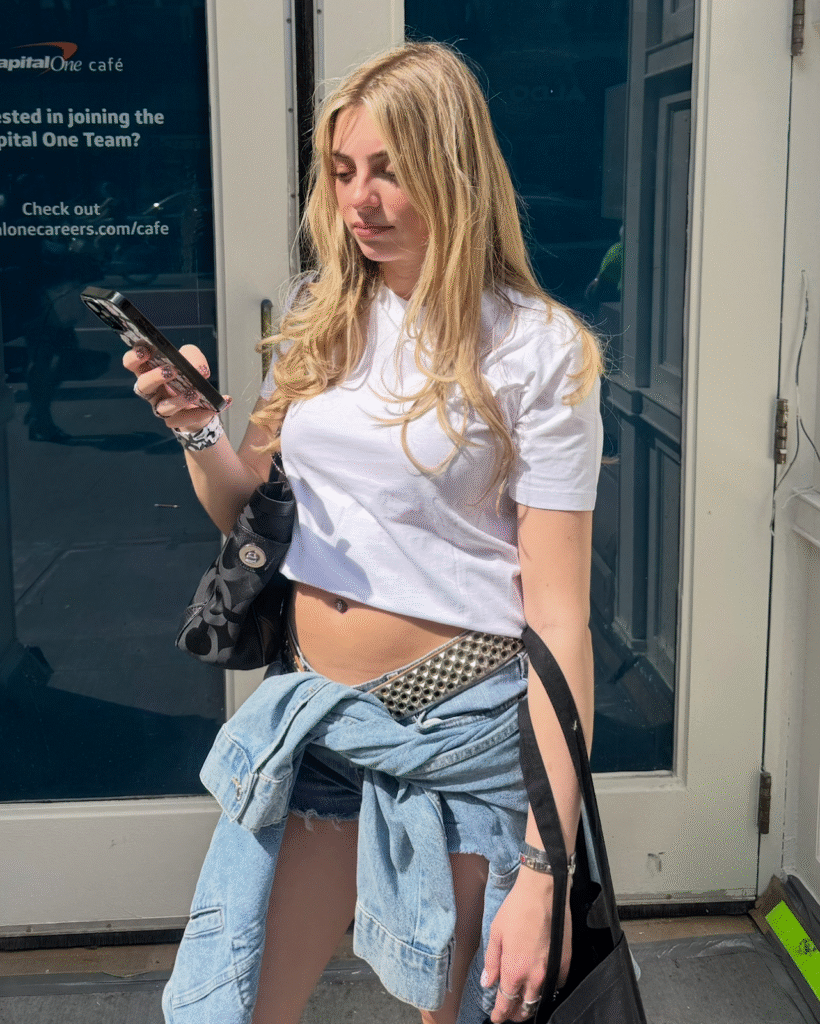
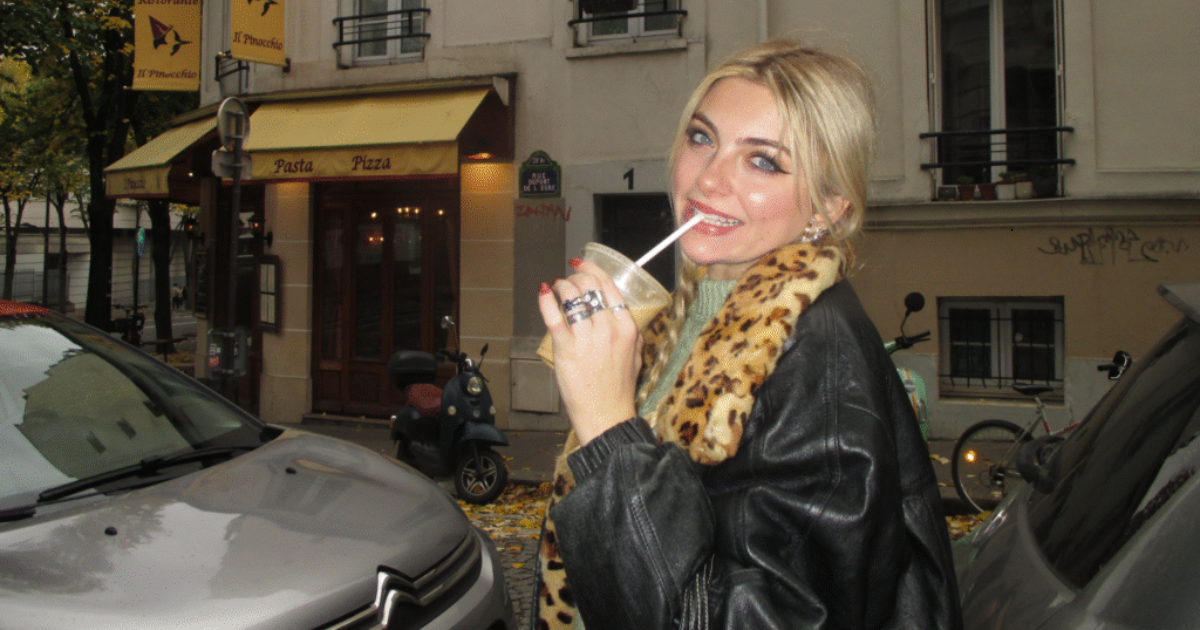
Brielle Asero gained her following by saying the quiet part out loud.
At a moment when post-college optimism was colliding with long commutes, low pay, and rising burnout, her blunt, direct-to-camera TikToks captured a feeling many young professionals struggled to articulate.
“I was really unhappy,” she says. “I had a two‑hour commute, and I wasn’t getting paid well at all. I started recording my life and talking about how post‑grad had been for me. I thought it would just be my friends seeing it, but it kind of blew up.”
After graduating from the University of South Carolina and relocating to New York in 2023, Brielle began posting honest videos about post-grad life, work culture, and the emotional whiplash of early adulthood. The content was conversational and unscripted, but it struck a nerve. One early video garnered around 100,000 followers, sparking a broader conversation about productivity, burnout, and generational expectations around work.
That early traction set the foundation for a creator-led business built on clarity and consistency, rather than polish. Today, Brielle operates across TikTok, Instagram, and YouTube, monetizing primarily through brand partnerships while maintaining a highly engaged audience drawn to her unfiltered delivery and conversational tone.
Early Exposure to the Internet
Brielle’s comfort with the camera predates TikTok by more than a decade. She began uploading videos to YouTube around the age of 10, documenting her life and experimenting with early forms of online storytelling.
“I’ve always loved YouTube,” she says. “I was obsessed with social media since it first came out. I was constantly recording everything, taking pictures of everything.”
She stepped back from posting during high school, but never lost interest in content creation. While studying marketing at the Darla Moore School of Business, she continued to closely monitor social media, paying attention to trends and platform dynamics even when she was not actively publishing.
That background became useful when TikTok re‑entered her life years later.
“I had a TikTok account since 2019 and posted a few things that always did pretty well,” she says. “I just never really talked on my phone.”
The shift came after graduation, when isolation and uncertainty pushed her to start sharing openly.
The Video That Changed Everything
Brielle’s early TikToks centered on post‑graduation disillusionment. She spoke plainly about long commutes, low pay, and the disconnect between cultural expectations and lived reality. The response, she adds, was immediate and polarized.
“All the comments were like, ‘Yeah, this is really rough,’” she says. “People were giving encouragement and explaining how hard it is for college grads right now.”
The conversation escalated beyond personal experience and into structural critique. Commenters debated work culture in the United States, productivity myths, and generational burnout. Brielle leaned into the discussion, backing up her perspective with data and comparisons to other countries.
“It wasn’t meant to be super serious,” she says. “But it got serious. I started bringing up statistics and facts. It turned into a whole debate.”
The video, which garnered roughly 100,000 new followers, established her voice as articulating shared frustrations that many viewers felt but had not expressed publicly.
“People kept saying, ‘You just put exactly what I was thinking into words,’” she says.
Building an Audience Through Candor
Rather than pivot away from vulnerability as her audience grew, Brielle doubled down on it. Her strategy, she says, was simple.
“People follow me because they want me to say exactly what I’m thinking,” she says. “They don’t want me to sugarcoat things.”
She approached TikTok as a one‑sided FaceTime call, speaking directly to the viewer without polish or scripting. The tone felt personal, even when addressing trending topics or cultural debates. “My strategy was just to connect and be super vulnerable,” she says. “Talk to them like they’re in my life.”
She believes that approach helped fuel reposts and organic distribution. While views fluctuated, comments remained strong, which Brielle views as a more meaningful signal of success.
“Even if my views are lower, but my comments are higher, I take that as a win,” she says. “That means people care enough to engage.”
Platform Roles and Audience Differences
As her presence expanded beyond TikTok, Brielle became deliberate about how each platform fit into her ecosystem.
She clarifies that TikTok remains her primary distribution and monetization channel. “I can post whatever I want, and it’ll hit an audience that needs to hear it,” she says.
Instagram took longer to gain traction. She only began focusing on it seriously in early 2025, after identifying which formats performed best. “Talking videos don’t really do well on Instagram Reels,” she says. “The short, punchy clips do.”
YouTube occupies a different role. While she posts Shorts consistently, long‑form video is a growing priority for 2026. “YouTube lets me really delve into my thoughts more articulately,” she says. “And the audience is the nicest by far.”
She has also experimented with podcast‑style episodes cross‑posted to Spotify, testing whether her conversational style translates to longer formats.
Volume, Consistency, and Creative Discipline
Brielle publishes at a pace few creators sustain long‑term. On most days, she posts at least two to three times.
“I try to post three times a day,” she says. “Sometimes it’s more.”
Ideas live in an ongoing notes file on her phone, populated whenever she encounters a thought, trend, or moment worth responding to. More produced content, like New York lifestyle videos, is scheduled intentionally.
“When I want something more edited, I’ll set aside a day to film,” she says. “But most of it is just part of my daily life now.”
She classifies her content into three loose pillars: direct‑to‑camera commentary, lifestyle or vlog‑style updates, and short‑form clips designed for fast engagement.
Learning What Not to Share
The same openness that helped Brielle build trust also introduced risk. Over time, she learned to draw clearer boundaries around her personal life.
“There are things I wish I never said online,” she says. “People remember everything.”
One early experience crystallized the danger. After she mentioned where she worked, someone contacted her employer to complain about her online behavior. “That was the moment where I was like, you do not need to know anything about what I’m doing,” she says. “That was really creepy.”
Since then, she has been selective about which details she shares, especially around work, relationships, and politics.
“You have to be careful with what you say,” she says. “People will bring it back up years later.”
Monetization After the Creator Fund
Brielle initially relied on TikTok’s “Creator Rewards Program,” which she says paid well when she first joined. That revenue has since declined.
“The money is just not the same at all,” she says. “Nobody really makes money off the creator fund anymore.”
Today, most of her income comes from paid brand partnerships, with Greenlight Group management handling outreach and negotiations.
“I’m very specific about the brands I work with,” she says. “They have to align with me.” She notes that follower count alone does not determine earning power.
“Brands pay a lot of money to creators with 70,000 to 300,000 followers,” she says. “You don’t need a million.”
Mental Health, Comparison, and Sustainability
The most difficult adjustment, Brielle says, has been managing comparison and emotional volatility.
“Trying not to determine your worth off a video not doing well was really hard,” she says.
To counter that, she consumes less content and focuses on creating. “I try to create more than I consume,” she says. “Otherwise you start copying things that aren’t you.”
When engagement dips, she treats it as a testing period, experimenting with formats outside her usual style before returning to a proven talking‑video format.
In the near future, Brielle plans to expand long‑form content and lean further into lifestyle, hobbies, and community‑building. “I want people to see my page as the light at the end of the tunnel,” she says. “I’m really happy in my life right now.”
She also hopes to build something tangible beyond social platforms, whether a brand, series, or project rooted in creativity and impact. “I want to own something that’s more meaningful than just numbers on a screen,” she says. “I don’t know exactly what it is yet.”
For now, her focus remains on growth, experimentation, and consistency.
“My goal for 2026 is all the things,” she says. “Just ramp it up and do everything.”
Subscribe to Our Newsletter
Check Out Our Podcast