






Talent Collectives
Why Brands Are Starting to Bet on IRL Creator Moments

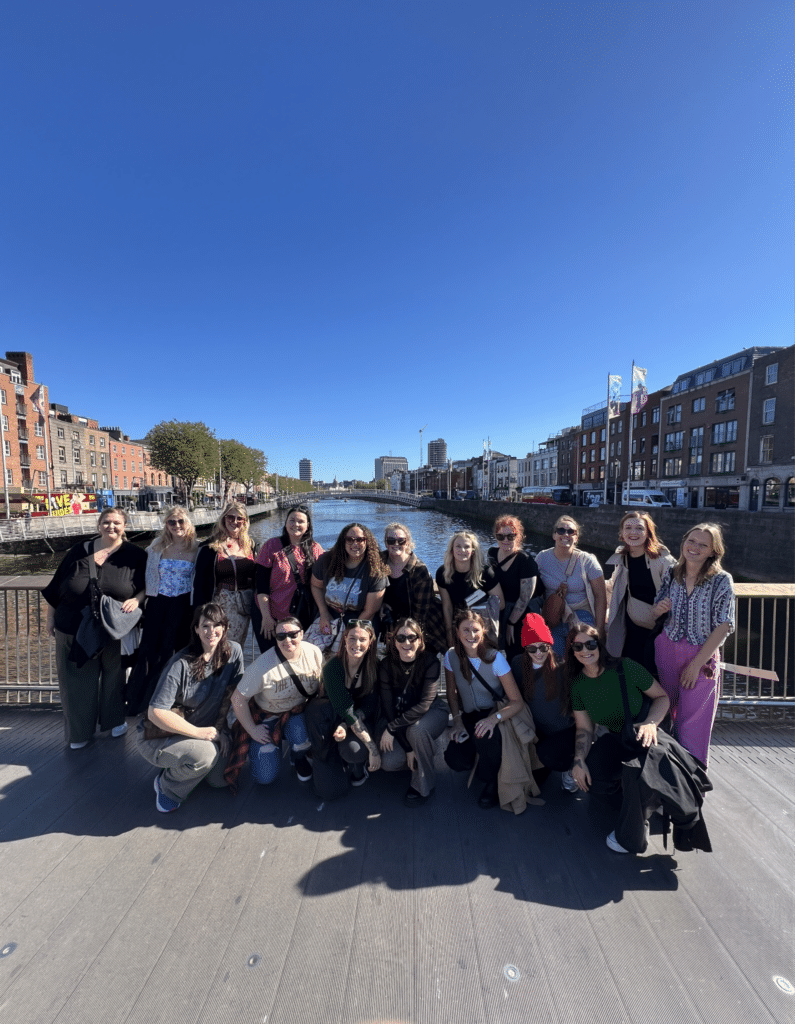
A travel company built a trip around Kristen and Maddie’s (@krisandmads) book club and sold every seat in six minutes. A second week opened to handle the waitlist, which sold out in four days. That is what happens when a brand gets invited into a room that already exists, instead of buying its way into a feed.
Georgia Farquharson, founder of talent management agency FARQ, has a specific mechanic in mind when she talks about where brand budgets are heading next. Instead of paying a creator to post about a product, a brand sponsors that creator’s supper club.
“We’re all very aware that we’re constantly being sold to now,” she says. “From that supper club, we’re going to get so much content, not just from the one creator, but from all of the people who are also attending.”
None of those attendees were paid to be there, which is exactly why it works, according to Georgia. “It’s people who genuinely care about the person,” she says, “and therefore it’s coming across that they care about the product and the brand.”
The Travel Trip Is the Same Bet at a Bigger Scale
Kristen and Maddie’s sellout works on the same logic, at a bigger scale. Around 30,000 Instagram followers and fewer than 100,000 on TikTok did not sell that trip. It was their book club, a paid Patreon community the travel company could never have reached by buying ads. “Do those followers feel such kinship with the creator that they would want to go on vacation with them?” Kristen and Maddie ask.

In their case, the booking numbers answered before any survey could. It is exactly the kind of return Georgia says brands should be chasing, not the follower count on the platform, but the community underneath it that no media plan can build.
Kristen and Maddie think brands are underpricing something else about these moments: timing. “People will show up to an event because of seasonality, in a way,” they say. “It’s on their minds right now, and they’re ready to make decisions right now.” A guest list, in their view, predicts intent better than a follower count ever did, and no brand dashboard currently accounts for that.
The Money Is Already Moving This Way
Brand budgets suggest Georgia is reading the market correctly. Global spending on experiential marketing grew 8.3% to nearly $139 billion in 2025, according to the research firm PQ Media.
Creator-specific activity is moving even faster within that budget. Influencer Marketing company Linqia recorded a 67% year-over-year jump in IRL creator activations last year, and seven in ten marketers surveyed by the ANA say brands should be investing more in physical, in-person touchpoints, not fewer. Face-to-face contact appears to earn that spending back: 77% of people say they trust a brand more after meeting it in person, according to Freeman’s trend research.
On the audience side, there is interest as well. Kai Cenat’s Streamer University drew more than a million applicants for around 120 spots in its first season, and its broadcasts generated more than 26 million hours watched. Brands are starting to treat that kind of pull as inventory, not just entertainment.
Synthetic Content Is Making Real Rooms More Valuable
Georgia’s explanation for the timing leans partly on artificial intelligence. As AI-generated content and synthetic creators multiply, she argues, audiences are losing certainty about who is real online, and an in-person event does not have that problem.
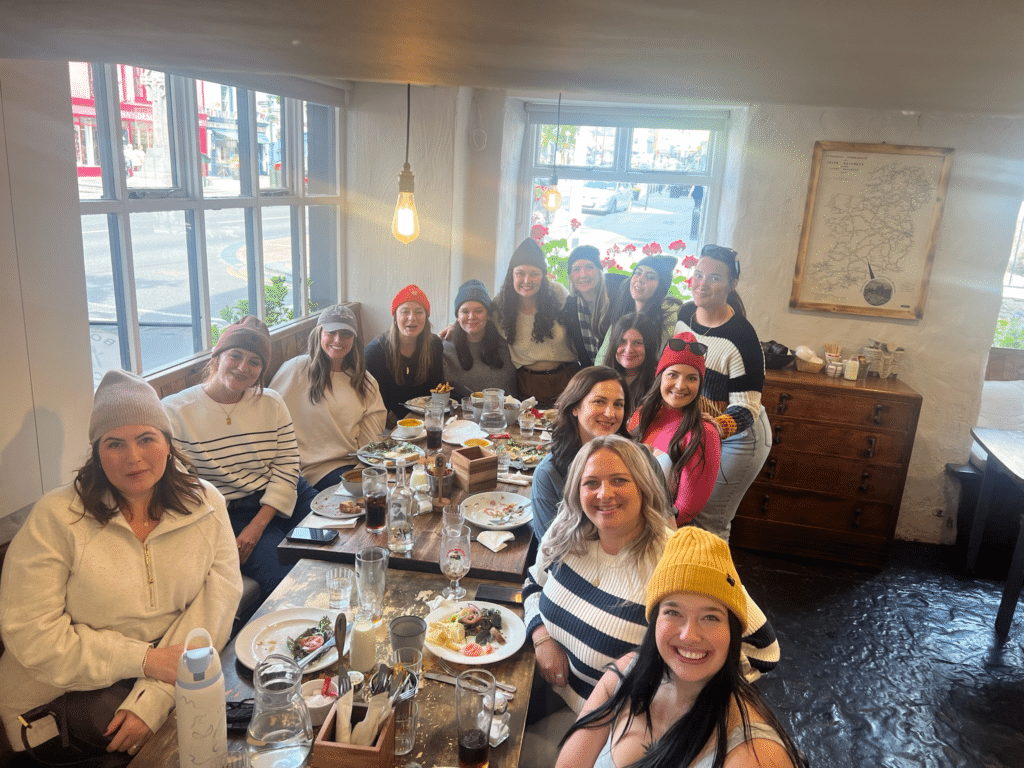
A synthetic creator can post a caption. It cannot fill a room. “You’re like, okay, I can see them; I can feel them. They are real people,” she says.
Consumer survey data points in the same direction. Preference for AI-generated content over content made by human creators fell from 60% in 2023 to 26% in 2025, according to the agency Billion Dollar Boy.
The Opportunity Won’t Stay This Open
Kristen and Maddie expect the underlying supply to tighten. They see more creators deliberately building smaller, harder-to-reach communities rather than bigger ones, modeled on their own Patreon book club, which charges around $12 a month for fewer posts and tighter access. “A little bit more exclusive,” they say of where things are heading.
That is the window brands are being invited into right now, before it closes further. Georgia is not rushing to formalize how any of it gets measured. “I think it’s an untapped space,” she says. “I kind of like that it’s a little bit of a secret place that not many people have tapped into.”
Photo credit: Kris & Mads
Subscribe to Our Newsletter
Check Out Our Podcast