Podcast listenership in the United States has reached a record high, with 167 million Americans, 58% of people aged 12 and older, tuning in monthly, according to Edison Research. Weekly consumption stands at 45%, representing roughly 130 million people.
Yet despite the medium’s growth, podcasting has long struggled to find a clear home inside brand and agency structures. It sits uneasily between social, media buying, PR, and content teams, often inheriting ownership by default rather than design.
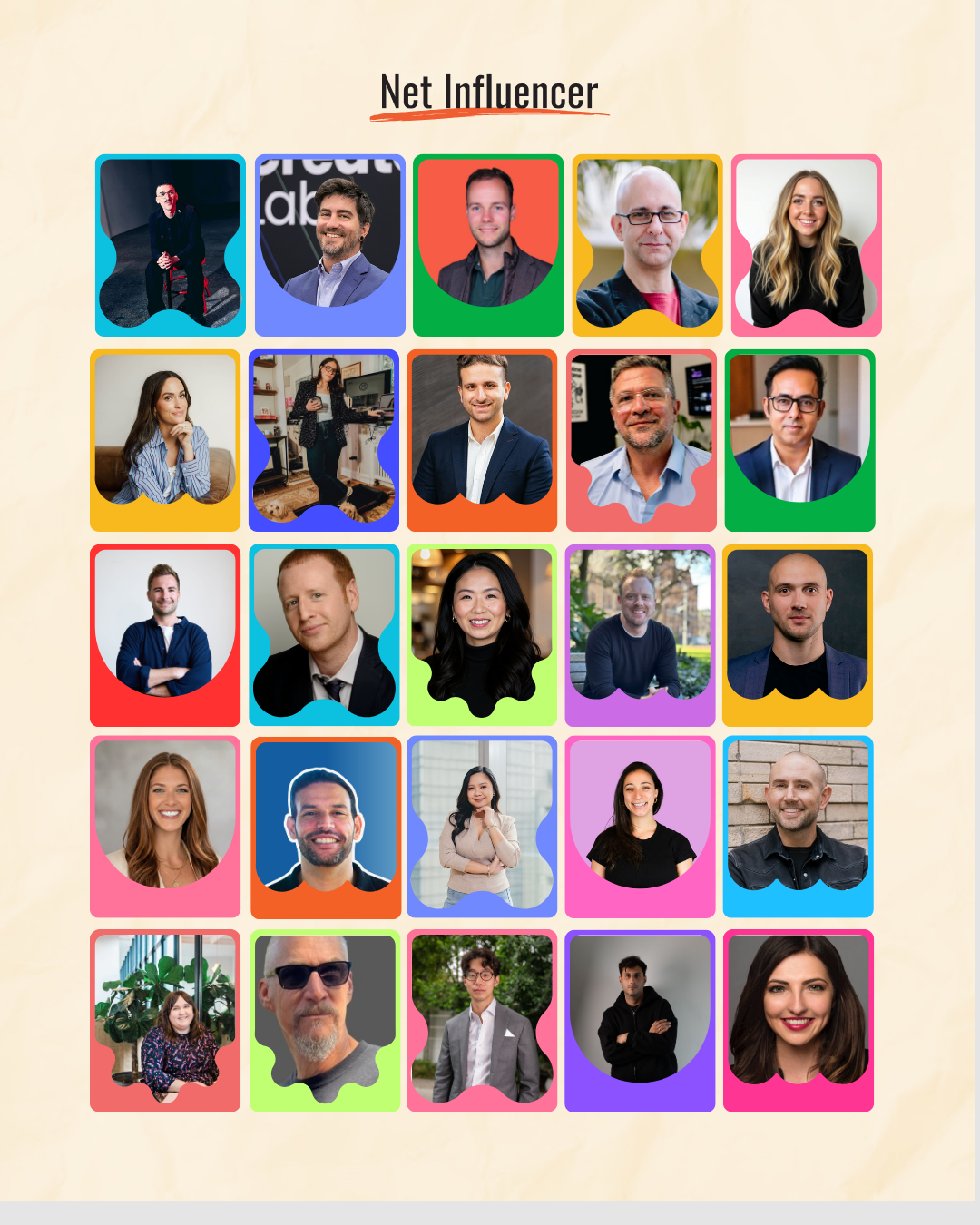
As podcast and creator budgets expand, we asked 25 industry professionals a pointed question: Who actually owns this channel today, and what does poor organizational design cost brands in speed, creative quality, and results?
Nobody owns it. And if that sounds familiar, it should. This is the exact same mess Influencer Marketing was in ten years ago. Back then, influencers were too creator-driven for media, too commercial for PR, too bespoke for social. Everyone dabbled. Nobody owned. Briefs got watered down, results looked flattering on a deck and invisible in culture.
Sound familiar?
Podcasting is in that same awkward adolescence now. Long-form, host-led, trust-based, and it punishes anyone trying to shortcut it. Media treats podcasts like inventory. Social tries to cut it into Reels. PR treats it like earned coverage it can’t quite measure. Speed dies. Creative quality dies. Results suffer.
The lesson from influencer? It only started working when brands stopped asking which existing team should absorb it and started building dedicated capability around the thing itself. Podcasting needs the same. Not a slice of media, social or PR. Someone who can hold an editorial point of view across a season, not a campaign cycle.
If your org can’t own podcasting end-to-end, that’s not a podcasting problem. It’s your structure showing its age.
After five seasons of The Influence Factor, now in the top 1% of podcasts globally, I can tell you the org problem is real. But honestly, the org problem isn’t even the biggest issue.
The channel itself is hard to sell internally.
Yes, B2C podcasts can reach millions. True Crime, comedy, news, those categories have massive audiences and real scale. But most brands aren’t playing in that space. They’re in B2B, where a “successful” podcast might get 80 plays per episode, the audience is hyper-niche, and the metrics are almost entirely top of funnel with murky attribution.
The ROI case is genuinely difficult to make. Integration into broader campaign work is clunky. And growth is brutal. I know this firsthand after five seasons. Building a loyal podcast audience is one of the slowest, most humbling things in marketing, which is exactly why the podcasting graveyard is full of shows that launched with a press release and vanished after 10 episodes.
That said, 80 highly targeted listens from the right decision-makers can still move something. The problem is most brands go in expecting scale and exit when they don’t find it.
So the honest answer on ownership: unless you have a two to three-year runway, a dedicated editorial owner, and genuinely calibrated expectations, podcast advertising as a media buy is a smarter place to start than launching your own show.
Build the audience trust without building the machine.
Podcasting doesn’t fit any existing team because it isn’t one thing. It’s a media buy, a creator relationship, a narrative format, and a brand asset at once. So it gets split four ways and owned by nobody. Briefs get diluted in translation, host reads end up sounding like banner ads read aloud, and in-house shows launch with no distribution plan because nobody owns the full P&L.
In most orgs today, ownership lands wherever the loudest internal advocate sits. Sometimes that’s a senior marketer with real conviction. More often it’s a junior PM stitching vendors together between meetings. Neither setup scales.
The cost shows up in three places. Speed, because every decision needs three stakeholders to agree on something outside their remit. Creative quality, because audio gets treated like a repurposing exercise instead of original IP. Results, because attribution takes the blame when the real problem is a channel run by committee.
The brands pulling ahead have stopped debating where podcasting lives. One owner, cross-functional mandate, full budget authority across paid, organic, and owned.
With a branded podcast one of the biggest issues is expectations. I worked with a major golf club manufacturer that had over six million Facebook followers, but when they looked at their podcast it “only” had 45,000 downloads per episode and they thought it was a failure. However, the reality was their podcast was in the top 1% of podcasts. Social media followers are significantly different than listeners on a podcast. Anyone can click once and say they are a follower, but with podcasting, the listeners are making a conscious decision to come back for each episode.
The companies I have seen succeed did not talk about their own products or if they did it was just brief mentions. What they focused on was the industries they served and provided entertaining and educational content for those audiences. Podcast listeners are selecting which content to listen to, it is not a stumble-upon or algorithm-driven medium. Word-of-mouth is far more important than any other form of marketing for a podcast. As such the team that should own the branded podcast is the team that best knows your industry and is willing not to make it a sales pitch.
Podcast sits in an awkward spot because it is not really a channel. It behaves more like a product, and most marketing organizations are not built to own products. It asks for narrative instincts, media fluency, and real creator relationships at the same time, and no single function was built to hold all three.
So ownership today is usually fragmented across brand, media, and partnerships teams, or simply inherited rather than intentionally designed. Whoever was in the room when the first show launched, or the first ad was bought, often keeps it, even when the medium has outgrown the function holding it.
The cost shows up as budgets grow. Timelines stretch because work moves through multiple teams. Creative gets diluted as each group shapes it toward its own priorities. Measurement reflects what teams already know how to track, not what the medium is actually doing in terms of trust, attention, and repeat exposure.
The brands making real progress are building dedicated functions that own both storytelling and distribution, with other teams contributing through clear guardrails rather than shared ownership.
Podcasting isn’t lacking a home – it’s often placed in the wrong one. In-house, I ran podcast programming within the Influencer Marketing team (at Seed and Thrive Market), and it worked because the skill set is the same: evaluating personal brands, understanding audience trust, and translating that into performance.
Influencer marketers already know how to brief for authenticity because they’re doing it every day. Turning that into a podcast ad read or partnership is a natural extension.
Where brands run into issues is when podcasting sits purely in media or PR. You get good distribution or good storytelling – but rarely both. When influencer teams own it, you get alignment across creator selection, narrative, and performance from the start. And honestly, the cost of poor org design is dilution. The message gets flattened, the creator fit is off, and the content never reaches its full potential because the people closest to audience trust weren’t driving it.
Podcasting doesn’t have an owner inside most brand org structures but often has rotating custodians. The way podcasts show up on social media for corporate inherits it because the clips live on feeds. Their media ecosystem inherits it because there’s a line item, PR inherits it because the guest has a name and ultimately every team is adjacent to it, but none of them are accountable for it. At the end of the day, that’s an org design failure, and it shows up in the work.
Social teams compress a 60-minute conversation into a 15-second clip and wonder why engagement is flat. Media teams buy reach through boosting (not that that is a new idea), treating a niche business show like a Spotify Top 50 ad slot, PR chases prestige guests instead of relevance, and audiences feel the mismatch in the first 30 seconds. The cost is speed, creative quality, and results … in that order. Decisions need three approvals from teams that weren’t built to move at podcast cadence. Creative suffers because no single team has the narrative muscle, the creator fluency, and the distribution playbook sitting in the same room and then everyone wonders why the results suffer because the KPI conversations are not acting the same way as other forms of media.
Podcasting is not a placement channel; it’s a relationship channel for everyone involved. It belongs closest to the team that already understands creator partnerships, long-form narrative, and earned trust – which, for most brands, means standing up a dedicated creator function with authority to own it end to end. The smartest brands stopped asking whose job this is (Vanguard, SoFi, etc.). They started asking who’s accountable for the outcome.
As podcast and creator budgets grow, the idea of a single “owner” of the channel is becoming outdated, especially for creator-led shows. Podcast ownership today isn’t about a single team, it’s about structure. For traditional audio podcasts, networks still play an important role in monetizing and filling ad inventory efficiently, but creator-driven video podcasts operate very differently. Their value extends far beyond the feed, living across YouTube, TikTok, Instagram, and more. This growth and monetization require coordination across multiple teams. When that system isn’t aligned, brands feel it, deals move slower, creative becomes fragmented, and campaigns underdeliver.
Instead of unlocking the full ecosystem, brands often default to a standard ad read and miss the larger opportunity for integrated storytelling. The teams that outperform don’t treat podcasts as a silo; they position them as one piece of a broader content and commercial strategy. In that model, ownership isn’t about where the channel sits, it’s about having the right cross-functional structure in place to fully realize both the creator’s influence and the show’s potential.
Nobody owns podcasting at most brands because most brands are still trying to assign it to a team instead of a person. The channel doesn’t want a manager. It wants a host.
The companies getting this right aren’t running it out of social or PR. They’re building it around someone who already has distribution, a point of view, and the credibility to book the guests a brand account never could. Everything else, the production, the clips, the promo, organizes itself around that person. Without them, you get a show that sounds like it was greenlit in a Monday standup, because it was.
Podcasting doesn’t have a clear owner because brands are still organized around functions, while creators operate as a single unit. A creator launching a podcast isn’t thinking “this is social” or “this is paid.” They create, distribute, engage, and monetize as one cohesive strategy that is rooted in a deep understanding of their audience. They’re constantly in conversation with that audience, so they know what will resonate in real time. Fragmented teams don’t understand audiences as well as creators, and that’s why creator-led podcasts outperform.
The cost of the traditional structure is speed and effectiveness. You have one team producing, another distributing, another measuring, and no one with a complete view of the audience. That leads to slower execution and missed monetization opportunities.
The shift is toward collapsing those functions. The creator becomes both the content engine and the distribution layer, with a direct relationship to the audience. The brands that win won’t be the ones asking “who owns podcasting?” They’ll be the ones working with creators who already do.
Podcasting has struggled to find a natural home because it doesn’t fit neatly into how most organizations are structured. It combines the narrative depth of PR, the audience dynamics of social, and the accountability of paid media, which is why you often see it fragmented across teams with no single point of accountability. That fragmentation comes at a cost: slower decision-making, diluted creative, and inconsistent results.
That’s a problem, because I believe podcasting is one of the most powerful channels available when used correctly. The trust between listeners and their favourite hosts is unrivalled – in many cases, audiences spend more time with podcast voices each week than they do with close friends or even family. That creates a depth of attention and influence that most other channels simply can’t match.
But it’s frequently miscast as a short-term performance channel, when its real strength lies in brand building. The brands seeing the most success are clear on its role. They define ownership, align teams, and set realistic expectations around outcomes and measurement looking beyond short-term trackable sales to long-term impact. When structured properly, podcasting becomes a uniquely effective way to build meaningful, lasting connections with audiences.
Podcasting is an incredible business when you get it right, but it has more than its fair share of challenges. Nearly 5 million podcasts technically exist, but less than 10% of those are meaningfully active and only the top 1% of podcasters actually make a living at it. Further, with it being a heavy lift to carefully monitor and/or edit this primarily unscripted genre, many of the biggest pop-culture scandals of late have come from folks saying or doing something inappropriate on a podcast and it makes the final edit.
Podcasts, though, can be incredibly fulfilling creatively; can be wildly meter-moving to the point of influencing consumer and voter behavior; they are typically fast and low cost production-wise; and with the pricing model being heavily CPM-based, it’s less of a “black box” on what to pay as an advertiser and/or how much you might make as a creator.
As a brand, your best bet is to allocate budget on shows with a meaningful track record, strong listenership, and brand-friendliness. As a creator, it’s a great opportunity to call the shots and be meaningfully creative with minimal cost, but like anything, success is not a guarantee.
Podcasting has always been the orphan channel of brand marketing. So it ends up in everyone’s meeting agenda and no one’s budget. That organizational ambiguity has real costs – slower decision making, diluted creative, and missed cultural moments that competitors are capturing in real time.
The brands winning in podcast didn’t solve the org design problem first – they embraced a creator-first philosophy first. When you trust the creator to own the narrative, the channel finds its home naturally. The org chart question becomes secondary to the creator relationship question.
Podcast is the only channel that simultaneously drives awareness, builds genuine brand affinity, and converts, often in a single episode. That’s because the best podcast advertising (especially video podcasts) doesn’t feel like advertising. It feels like a trusted creator voice connecting with and promoting something they actually believe in.
As these budgets grow, the brands that pull ahead will be the ones who stopped trying to fit podcasting into an existing org structure and started building creator-led, creator-minded functions from the ground up – AND cross-functionally.
The struggle to find a “home” for podcasting is a symptom of agencies trying to force a creator-led medium into legacy workflows. A media buyer wants a 15-second spot, a creative agency wants to script the content, and PR seeks an “earned” mention. These agencies are trying to own the channel, but the reality is that creators own the channel and consumers own its success.
To succeed, podcasting must be viewed as a pillar within a broader Ecosystem of Influence. The goal is to integrate a brand into the multiple media touchpoints a creator already owns e.g., vlogs, social, and audio, rather than treating the podcast as a standalone broadcast interruption.
Poor org design costs brands their most valuable asset: authenticity. When podcasting is treated like a traditional media placement, the result is a rigid, forced integration that feels like an ad rather than a recommendation from a voice the audience trusts. Brands (and their agency partners) must stop asking where podcasting fits in their existing plans and ways of working and instead ask how their structure can support the channel. Only then can they move from “interruption” to becoming a trusted part of the conversation.
Podcasting often lacks clear ownership because it sits between functions – but that’s exactly why it needs a single accountable lead. Not a CEO or a shared committee, but a small, focused team led by a producer or a host-producer who owns the outcome end-to-end: content, guests, narrative, and performance.
Poor org design slows everything down. When podcasts are treated as a side task for social, PR, or comms teams, execution becomes inconsistent, creative quality drops, and results suffer. It’s a heavy, narrative-driven format that requires dedicated thinking, not leftover capacity.
The fix is clarity and realism. Assign one owner, build a small team around them, and allocate a budget for testing and learning. Benchmark against your own progress, not competitors with years of a head start.
Brands that win treat podcasting as a media product – with strong pre-production, clear positioning, and consistent iteration – not as an add-on channel.
Podcasting still sits across paid, social, PR, and content, but no single team truly owns it, which is why leading brands are consolidating it under a centralized creator/growth function that owns both narrative and distribution end-to-end. Misaligned team structures add weeks to launch timelines, fragment storytelling into one-offs, and create a major attribution gap where podcast influence isn’t tied back to conversion or LTV. The fix is to stand up a unified podcast and creator system, one team, shared KPIs, and integrated measurement across paid, owned, and earned, so narrative and performance live in the same loop. If you can’t measure it, you can’t scale it, and right now, most brands can’t do either.
The org confusion exists because most see podcasting as an expensive, logistically heavy in-person production requiring a big team, expensive gear, a decorated studio, and 2-hour runtimes. This is survivorship bias driven by the biggest shows out there, making this channel look like a bigger lift than it should be for most brands and creators.
Running a high-quality podcast has been commoditized. A professional remote show, recorded, edited, clipped, and distributed across every major network, is achievable on a fraction of what people assume. Modern AI tools and workflows can now handle the bulk of what once required a comparatively dense production pipeline.
You need the right team, tools, and lean processes. A single 30-60 minute remote chat generates dozens of posts across platforms, and offsets weeks of content treadmill pressure, which is one of creators’ biggest pain points, without fancy edits, scripts, equipment, or big budgets.
The cost of poor org design isn’t just about speed or quality. Brands’ content, in general, almost always feels institutional, over-engineered, and sterilized. Creators should own podcasts because, unlike brands, they can naturally infuse their unique personality and authenticity, and cultivate the trust that attracts, retains, and converts audiences.
I’ve been exploring the podcasting space since 2014 (first as a host, now as producer). I can say that I’ve seen how it has evolved from niche to emerging, yet still structurally “under-owned.”
In many organizations, I’ve observed that it’s usually passed across different teams, slowing down the execution and weakening the narrative.
From experience, podcasting needs a clear owner, someone accountable end-to-end.
I’ve always believed that podcasting is “intentional media.” Done right, it becomes a powerful long-term platform for genuine community building and engagement.
There’s no clean owner for podcasting because it sits across content, media, PR, and talent … so forcing it into one team is usually where things break. The best orgs assign a clear lead but treat it as cross-functional, with real collaboration across distribution, creative, and communications. Poor organizational design here slows everything down and leads to safe, forgettable shows instead of something people actually choose to listen to.
Poor and underresourced content is pervasive, whether in written, video, or podcast form, and most of it stems from the same root cause.
Creating good content requires excellent writing, production, talent, editing, and distribution. If you want to excel at a podcast or any content, for that matter, you need to think like a media company.
Focusing on storytelling and writing meaningful content that entertains and engages the audience, editing that captivates and keeps attention, and meaningful distribution with support from social and clipping are all critical to running a professional podcast.
If you want to launch a podcast in 2026, I would ask: Are you ready to build a media company within your organization to create a good podcast?
Many organizations I have worked with underestimate everything that goes into making a successful podcast. Social and PR are there to guide and promote the podcast but the development should be owned by a creative team. The issue I see when it’s handed to marketing is that there is very little risk when it comes to content and it can then start to feel like an advert. In my opinion, the times it’s worked best is when people have hired in podcast-specific expertise.
I see this as the same mental exercise as seeing that there are both influencers and creators. They can be the same, but often there are folks who are just amazing at reaching people and growing an audience (influencers), and those who are 1000% about the content (and that happens to create a following/audience … creators). Podcasts are the same. It’s a story, it’s content, and some social teams can handle that, and some can’t, and for that, I see “content” teams being built in both agencies as well as brand marketing teams. Content is everything, so don’t worry about the medium (audio, video, static, IRL). There’s no wrong answer, just what fits for your culture; but no matter what, make sure you have it, and if you don’t, BUILD it immediately.
For a brand, conducting podcasts helps with two things: they build tremendous brand value, such that people have heard of your brand and have a positive impression of it, and they’re extremely helpful for building relationships with the guests you interview – which may lead to other partnership opportunities.
They’re not necessarily good for direct conversion, however.
Podcasting still doesn’t have a real “owner” inside most organizations and that’s the core problem. In most brands it gets split in a really unnatural way. Marketing might fund it, PR might approve it, social might distribute it, and media might try to measure it. But no one is fully accountable for making it actually work as a channel.
So what happens is it becomes a side project instead of a growth engine.
The brands that are doing it well usually have one of two setups. Either it sits under content or brand marketing with one clear owner who treats it like a product, not a campaign. Or it sits with partnerships when it’s mostly about buying into existing podcasts. The moment too many teams touch it, speed dies and the creative gets watered down.
The cost of bad structure is very real. Episodes take too long to approve, guests feel inconsistent messaging, and opportunities get missed because no one is empowered to just make decisions quickly. Podcasting is a medium that relies on timing and personality. If you over process it, it loses both.
At its best, podcasting works when one person or one small team owns the story from start to finish and everyone else supports it instead of controlling it.
Podcasting has outgrown the way most organizations are structured. It needs strong creative and smart distribution working together, but it’s usually split across teams that don’t operate in sync, leaving no one actually accountable for the end-to-end performance. That’s where things break. Timelines slow down, creative gets diluted, and brands invest without seeing the full return.
Dragomir is a Serbian freelance blog writer and translator. He is passionate about covering insightful stories and exploring topics such as influencer marketing, the creator economy, technology, business, and cyber fraud.












Podcast listenership in the United States has reached a record high, with 167 million Americans, 58% of people aged 12 and older, tuning in monthly, according to Edison Research. Weekly consumption stands at 45%, representing roughly 130 million people.
Yet despite the medium’s growth, podcasting has long struggled to find a clear home inside brand and agency structures. It sits uneasily between social, media buying, PR, and content teams, often inheriting ownership by default rather than design.
As podcast and creator budgets expand, we asked 25 industry professionals a pointed question: Who actually owns this channel today, and what does poor organizational design cost brands in speed, creative quality, and results?
Marcus Willis, CEO, Kill Boring Dead
Nobody owns it. And if that sounds familiar, it should. This is the exact same mess Influencer Marketing was in ten years ago. Back then, influencers were too creator-driven for media, too commercial for PR, too bespoke for social. Everyone dabbled. Nobody owned. Briefs got watered down, results looked flattering on a deck and invisible in culture.
Sound familiar?
Podcasting is in that same awkward adolescence now. Long-form, host-led, trust-based, and it punishes anyone trying to shortcut it. Media treats podcasts like inventory. Social tries to cut it into Reels. PR treats it like earned coverage it can’t quite measure. Speed dies. Creative quality dies. Results suffer.
The lesson from influencer? It only started working when brands stopped asking which existing team should absorb it and started building dedicated capability around the thing itself. Podcasting needs the same. Not a slice of media, social or PR. Someone who can hold an editorial point of view across a season, not a campaign cycle.
If your org can’t own podcasting end-to-end, that’s not a podcasting problem. It’s your structure showing its age.
Alessandro Bogliari, CEO, The Influencer Marketing Factory
After five seasons of The Influence Factor, now in the top 1% of podcasts globally, I can tell you the org problem is real. But honestly, the org problem isn’t even the biggest issue.
The channel itself is hard to sell internally.
Yes, B2C podcasts can reach millions. True Crime, comedy, news, those categories have massive audiences and real scale. But most brands aren’t playing in that space. They’re in B2B, where a “successful” podcast might get 80 plays per episode, the audience is hyper-niche, and the metrics are almost entirely top of funnel with murky attribution.
The ROI case is genuinely difficult to make. Integration into broader campaign work is clunky. And growth is brutal. I know this firsthand after five seasons. Building a loyal podcast audience is one of the slowest, most humbling things in marketing, which is exactly why the podcasting graveyard is full of shows that launched with a press release and vanished after 10 episodes.
That said, 80 highly targeted listens from the right decision-makers can still move something. The problem is most brands go in expecting scale and exit when they don’t find it.
So the honest answer on ownership: unless you have a two to three-year runway, a dedicated editorial owner, and genuinely calibrated expectations, podcast advertising as a media buy is a smarter place to start than launching your own show.
Build the audience trust without building the machine.
Tobias Hoss, Senior Advisor, TopFan
Podcasting doesn’t fit any existing team because it isn’t one thing. It’s a media buy, a creator relationship, a narrative format, and a brand asset at once. So it gets split four ways and owned by nobody. Briefs get diluted in translation, host reads end up sounding like banner ads read aloud, and in-house shows launch with no distribution plan because nobody owns the full P&L.
In most orgs today, ownership lands wherever the loudest internal advocate sits. Sometimes that’s a senior marketer with real conviction. More often it’s a junior PM stitching vendors together between meetings. Neither setup scales.
The cost shows up in three places. Speed, because every decision needs three stakeholders to agree on something outside their remit. Creative quality, because audio gets treated like a repurposing exercise instead of original IP. Results, because attribution takes the blame when the real problem is a channel run by committee.
The brands pulling ahead have stopped debating where podcasting lives. One owner, cross-functional mandate, full budget authority across paid, organic, and owned.
Rob Walch, VP Podcast Relations, DAX US / Captivate
With a branded podcast one of the biggest issues is expectations. I worked with a major golf club manufacturer that had over six million Facebook followers, but when they looked at their podcast it “only” had 45,000 downloads per episode and they thought it was a failure. However, the reality was their podcast was in the top 1% of podcasts. Social media followers are significantly different than listeners on a podcast. Anyone can click once and say they are a follower, but with podcasting, the listeners are making a conscious decision to come back for each episode.
The companies I have seen succeed did not talk about their own products or if they did it was just brief mentions. What they focused on was the industries they served and provided entertaining and educational content for those audiences. Podcast listeners are selecting which content to listen to, it is not a stumble-upon or algorithm-driven medium. Word-of-mouth is far more important than any other form of marketing for a podcast. As such the team that should own the branded podcast is the team that best knows your industry and is willing not to make it a sales pitch.
Lakin Raybuck, Talent Manager, Shine Talent Group
Podcast sits in an awkward spot because it is not really a channel. It behaves more like a product, and most marketing organizations are not built to own products. It asks for narrative instincts, media fluency, and real creator relationships at the same time, and no single function was built to hold all three.
So ownership today is usually fragmented across brand, media, and partnerships teams, or simply inherited rather than intentionally designed. Whoever was in the room when the first show launched, or the first ad was bought, often keeps it, even when the medium has outgrown the function holding it.
The cost shows up as budgets grow. Timelines stretch because work moves through multiple teams. Creative gets diluted as each group shapes it toward its own priorities. Measurement reflects what teams already know how to track, not what the medium is actually doing in terms of trust, attention, and repeat exposure.
The brands making real progress are building dedicated functions that own both storytelling and distribution, with other teams contributing through clear guardrails rather than shared ownership.
Lily Comba, Founder & CEO, Superbloom
Podcasting isn’t lacking a home – it’s often placed in the wrong one. In-house, I ran podcast programming within the Influencer Marketing team (at Seed and Thrive Market), and it worked because the skill set is the same: evaluating personal brands, understanding audience trust, and translating that into performance.
Influencer marketers already know how to brief for authenticity because they’re doing it every day. Turning that into a podcast ad read or partnership is a natural extension.
Where brands run into issues is when podcasting sits purely in media or PR. You get good distribution or good storytelling – but rarely both. When influencer teams own it, you get alignment across creator selection, narrative, and performance from the start. And honestly, the cost of poor org design is dilution. The message gets flattened, the creator fit is off, and the content never reaches its full potential because the people closest to audience trust weren’t driving it.
Gigi Robinson, Host of Creator Etiquette™, Hosts of Influence
Podcasting doesn’t have an owner inside most brand org structures but often has rotating custodians. The way podcasts show up on social media for corporate inherits it because the clips live on feeds. Their media ecosystem inherits it because there’s a line item, PR inherits it because the guest has a name and ultimately every team is adjacent to it, but none of them are accountable for it. At the end of the day, that’s an org design failure, and it shows up in the work.
Social teams compress a 60-minute conversation into a 15-second clip and wonder why engagement is flat. Media teams buy reach through boosting (not that that is a new idea), treating a niche business show like a Spotify Top 50 ad slot, PR chases prestige guests instead of relevance, and audiences feel the mismatch in the first 30 seconds. The cost is speed, creative quality, and results … in that order. Decisions need three approvals from teams that weren’t built to move at podcast cadence. Creative suffers because no single team has the narrative muscle, the creator fluency, and the distribution playbook sitting in the same room and then everyone wonders why the results suffer because the KPI conversations are not acting the same way as other forms of media.
Podcasting is not a placement channel; it’s a relationship channel for everyone involved. It belongs closest to the team that already understands creator partnerships, long-form narrative, and earned trust – which, for most brands, means standing up a dedicated creator function with authority to own it end to end. The smartest brands stopped asking whose job this is (Vanguard, SoFi, etc.). They started asking who’s accountable for the outcome.
Cameron Ajdari, Co-Founder & CEO, Currents Management
As podcast and creator budgets grow, the idea of a single “owner” of the channel is becoming outdated, especially for creator-led shows. Podcast ownership today isn’t about a single team, it’s about structure. For traditional audio podcasts, networks still play an important role in monetizing and filling ad inventory efficiently, but creator-driven video podcasts operate very differently. Their value extends far beyond the feed, living across YouTube, TikTok, Instagram, and more. This growth and monetization require coordination across multiple teams. When that system isn’t aligned, brands feel it, deals move slower, creative becomes fragmented, and campaigns underdeliver.
Instead of unlocking the full ecosystem, brands often default to a standard ad read and miss the larger opportunity for integrated storytelling. The teams that outperform don’t treat podcasts as a silo; they position them as one piece of a broader content and commercial strategy. In that model, ownership isn’t about where the channel sits, it’s about having the right cross-functional structure in place to fully realize both the creator’s influence and the show’s potential.
Ryan Estes, Co-Founder, Kitcaster by Moburst
Nobody owns podcasting at most brands because most brands are still trying to assign it to a team instead of a person. The channel doesn’t want a manager. It wants a host.
The companies getting this right aren’t running it out of social or PR. They’re building it around someone who already has distribution, a point of view, and the credibility to book the guests a brand account never could. Everything else, the production, the clips, the promo, organizes itself around that person. Without them, you get a show that sounds like it was greenlit in a Monday standup, because it was.
Gautam Goswami, CEO, POP.STORE
Podcasting doesn’t have a clear owner because brands are still organized around functions, while creators operate as a single unit. A creator launching a podcast isn’t thinking “this is social” or “this is paid.” They create, distribute, engage, and monetize as one cohesive strategy that is rooted in a deep understanding of their audience. They’re constantly in conversation with that audience, so they know what will resonate in real time. Fragmented teams don’t understand audiences as well as creators, and that’s why creator-led podcasts outperform.
The cost of the traditional structure is speed and effectiveness. You have one team producing, another distributing, another measuring, and no one with a complete view of the audience. That leads to slower execution and missed monetization opportunities.
The shift is toward collapsing those functions. The creator becomes both the content engine and the distribution layer, with a direct relationship to the audience. The brands that win won’t be the ones asking “who owns podcasting?” They’ll be the ones working with creators who already do.
Ben Lee, CEO, The Business of Creativity
Podcasting has struggled to find a natural home because it doesn’t fit neatly into how most organizations are structured. It combines the narrative depth of PR, the audience dynamics of social, and the accountability of paid media, which is why you often see it fragmented across teams with no single point of accountability. That fragmentation comes at a cost: slower decision-making, diluted creative, and inconsistent results.
That’s a problem, because I believe podcasting is one of the most powerful channels available when used correctly. The trust between listeners and their favourite hosts is unrivalled – in many cases, audiences spend more time with podcast voices each week than they do with close friends or even family. That creates a depth of attention and influence that most other channels simply can’t match.
But it’s frequently miscast as a short-term performance channel, when its real strength lies in brand building. The brands seeing the most success are clear on its role. They define ownership, align teams, and set realistic expectations around outcomes and measurement looking beyond short-term trackable sales to long-term impact. When structured properly, podcasting becomes a uniquely effective way to build meaningful, lasting connections with audiences.
Alec Shankman, Founder & CEO, HeartRock Partners
Podcasting is an incredible business when you get it right, but it has more than its fair share of challenges. Nearly 5 million podcasts technically exist, but less than 10% of those are meaningfully active and only the top 1% of podcasters actually make a living at it. Further, with it being a heavy lift to carefully monitor and/or edit this primarily unscripted genre, many of the biggest pop-culture scandals of late have come from folks saying or doing something inappropriate on a podcast and it makes the final edit.
Podcasts, though, can be incredibly fulfilling creatively; can be wildly meter-moving to the point of influencing consumer and voter behavior; they are typically fast and low cost production-wise; and with the pricing model being heavily CPM-based, it’s less of a “black box” on what to pay as an advertiser and/or how much you might make as a creator.
As a brand, your best bet is to allocate budget on shows with a meaningful track record, strong listenership, and brand-friendliness. As a creator, it’s a great opportunity to call the shots and be meaningfully creative with minimal cost, but like anything, success is not a guarantee.
Amy Choi, Creator Marketing Thought Leader & Expert, ACE NYC
Podcasting has always been the orphan channel of brand marketing. So it ends up in everyone’s meeting agenda and no one’s budget. That organizational ambiguity has real costs – slower decision making, diluted creative, and missed cultural moments that competitors are capturing in real time.
The brands winning in podcast didn’t solve the org design problem first – they embraced a creator-first philosophy first. When you trust the creator to own the narrative, the channel finds its home naturally. The org chart question becomes secondary to the creator relationship question.
Podcast is the only channel that simultaneously drives awareness, builds genuine brand affinity, and converts, often in a single episode. That’s because the best podcast advertising (especially video podcasts) doesn’t feel like advertising. It feels like a trusted creator voice connecting with and promoting something they actually believe in.
As these budgets grow, the brands that pull ahead will be the ones who stopped trying to fit podcasting into an existing org structure and started building creator-led, creator-minded functions from the ground up – AND cross-functionally.
Bryce Coombe, Managing Director, Hypetap
The struggle to find a “home” for podcasting is a symptom of agencies trying to force a creator-led medium into legacy workflows. A media buyer wants a 15-second spot, a creative agency wants to script the content, and PR seeks an “earned” mention. These agencies are trying to own the channel, but the reality is that creators own the channel and consumers own its success.
To succeed, podcasting must be viewed as a pillar within a broader Ecosystem of Influence. The goal is to integrate a brand into the multiple media touchpoints a creator already owns e.g., vlogs, social, and audio, rather than treating the podcast as a standalone broadcast interruption.
Poor org design costs brands their most valuable asset: authenticity. When podcasting is treated like a traditional media placement, the result is a rigid, forced integration that feels like an ad rather than a recommendation from a voice the audience trusts. Brands (and their agency partners) must stop asking where podcasting fits in their existing plans and ways of working and instead ask how their structure can support the channel. Only then can they move from “interruption” to becoming a trusted part of the conversation.
Andrii Salii, YouTube Strategist, Andrii Salii Content
Podcasting often lacks clear ownership because it sits between functions – but that’s exactly why it needs a single accountable lead. Not a CEO or a shared committee, but a small, focused team led by a producer or a host-producer who owns the outcome end-to-end: content, guests, narrative, and performance.
Poor org design slows everything down. When podcasts are treated as a side task for social, PR, or comms teams, execution becomes inconsistent, creative quality drops, and results suffer. It’s a heavy, narrative-driven format that requires dedicated thinking, not leftover capacity.
The fix is clarity and realism. Assign one owner, build a small team around them, and allocate a budget for testing and learning. Benchmark against your own progress, not competitors with years of a head start.
Brands that win treat podcasting as a media product – with strong pre-production, clear positioning, and consistent iteration – not as an add-on channel.
Sophia Trunzo, CRO & Co-Founder, Loopholes AI
Podcasting still sits across paid, social, PR, and content, but no single team truly owns it, which is why leading brands are consolidating it under a centralized creator/growth function that owns both narrative and distribution end-to-end. Misaligned team structures add weeks to launch timelines, fragment storytelling into one-offs, and create a major attribution gap where podcast influence isn’t tied back to conversion or LTV. The fix is to stand up a unified podcast and creator system, one team, shared KPIs, and integrated measurement across paid, owned, and earned, so narrative and performance live in the same loop. If you can’t measure it, you can’t scale it, and right now, most brands can’t do either.
Daniel Caldas, Founder, Caldas Ecom
The org confusion exists because most see podcasting as an expensive, logistically heavy in-person production requiring a big team, expensive gear, a decorated studio, and 2-hour runtimes. This is survivorship bias driven by the biggest shows out there, making this channel look like a bigger lift than it should be for most brands and creators.
Running a high-quality podcast has been commoditized. A professional remote show, recorded, edited, clipped, and distributed across every major network, is achievable on a fraction of what people assume. Modern AI tools and workflows can now handle the bulk of what once required a comparatively dense production pipeline.
You need the right team, tools, and lean processes. A single 30-60 minute remote chat generates dozens of posts across platforms, and offsets weeks of content treadmill pressure, which is one of creators’ biggest pain points, without fancy edits, scripts, equipment, or big budgets.
The cost of poor org design isn’t just about speed or quality. Brands’ content, in general, almost always feels institutional, over-engineered, and sterilized. Creators should own podcasts because, unlike brands, they can naturally infuse their unique personality and authenticity, and cultivate the trust that attracts, retains, and converts audiences.
Ace Gapuz, CEO, Blogapalooza Inc.
I’ve been exploring the podcasting space since 2014 (first as a host, now as producer). I can say that I’ve seen how it has evolved from niche to emerging, yet still structurally “under-owned.”
In many organizations, I’ve observed that it’s usually passed across different teams, slowing down the execution and weakening the narrative.
From experience, podcasting needs a clear owner, someone accountable end-to-end.
I’ve always believed that podcasting is “intentional media.” Done right, it becomes a powerful long-term platform for genuine community building and engagement.
Arielle Nissenblatt, Founder, EarBuds Podcast Collective
There’s no clean owner for podcasting because it sits across content, media, PR, and talent … so forcing it into one team is usually where things break. The best orgs assign a clear lead but treat it as cross-functional, with real collaboration across distribution, creative, and communications. Poor organizational design here slows everything down and leads to safe, forgettable shows instead of something people actually choose to listen to.
Scott Sutton, CEO, Later
Poor and underresourced content is pervasive, whether in written, video, or podcast form, and most of it stems from the same root cause.
Creating good content requires excellent writing, production, talent, editing, and distribution. If you want to excel at a podcast or any content, for that matter, you need to think like a media company.
Focusing on storytelling and writing meaningful content that entertains and engages the audience, editing that captivates and keeps attention, and meaningful distribution with support from social and clipping are all critical to running a professional podcast.
If you want to launch a podcast in 2026, I would ask: Are you ready to build a media company within your organization to create a good podcast?
Fiona Fraser, Director, POW PR LTD
Many organizations I have worked with underestimate everything that goes into making a successful podcast. Social and PR are there to guide and promote the podcast but the development should be owned by a creative team. The issue I see when it’s handed to marketing is that there is very little risk when it comes to content and it can then start to feel like an advert. In my opinion, the times it’s worked best is when people have hired in podcast-specific expertise.
Keith Pape, CEO, YellowPike Media
I see this as the same mental exercise as seeing that there are both influencers and creators. They can be the same, but often there are folks who are just amazing at reaching people and growing an audience (influencers), and those who are 1000% about the content (and that happens to create a following/audience … creators). Podcasts are the same. It’s a story, it’s content, and some social teams can handle that, and some can’t, and for that, I see “content” teams being built in both agencies as well as brand marketing teams. Content is everything, so don’t worry about the medium (audio, video, static, IRL). There’s no wrong answer, just what fits for your culture; but no matter what, make sure you have it, and if you don’t, BUILD it immediately.
Eric Wei, Co-Founder, Karat Financial
For a brand, conducting podcasts helps with two things: they build tremendous brand value, such that people have heard of your brand and have a positive impression of it, and they’re extremely helpful for building relationships with the guests you interview – which may lead to other partnership opportunities.
They’re not necessarily good for direct conversion, however.
Ritik Karanwal, Influencer Talent Manager, Clicks Talent
Podcasting still doesn’t have a real “owner” inside most organizations and that’s the core problem. In most brands it gets split in a really unnatural way. Marketing might fund it, PR might approve it, social might distribute it, and media might try to measure it. But no one is fully accountable for making it actually work as a channel.
So what happens is it becomes a side project instead of a growth engine.
The brands that are doing it well usually have one of two setups. Either it sits under content or brand marketing with one clear owner who treats it like a product, not a campaign. Or it sits with partnerships when it’s mostly about buying into existing podcasts. The moment too many teams touch it, speed dies and the creative gets watered down.
The cost of bad structure is very real. Episodes take too long to approve, guests feel inconsistent messaging, and opportunities get missed because no one is empowered to just make decisions quickly. Podcasting is a medium that relies on timing and personality. If you over process it, it loses both.
At its best, podcasting works when one person or one small team owns the story from start to finish and everyone else supports it instead of controlling it.
Moorea Mongelli, Head of Podcasting, Underscore Talent
Podcasting has outgrown the way most organizations are structured. It needs strong creative and smart distribution working together, but it’s usually split across teams that don’t operate in sync, leaving no one actually accountable for the end-to-end performance. That’s where things break. Timelines slow down, creative gets diluted, and brands invest without seeing the full return.
Subscribe to Our Newsletter
Check Out Our Podcast