



Influencer
Tag Williams On Shifting From Viral Dance To Real-Life Storytelling

For Tag Williams, longevity in the creator economy didn’t start with a strategy. It started with a problem: family and friends couldn’t see him and his siblings in their dance group’s YouTube videos.
More than a decade ago, long before “creator” was a job title, Tag convinced his brothers and sister to film a short dance clip at Christmas so relatives could finally see their moves. It was the first video they ever made. It went viral. The next one did too.
“I started content creation on Christmas of 2014,” Tag says. “On Vine. I just dated myself right there.”
At the time, Tag wasn’t chasing an online career. He had just graduated from UC Santa Barbara with a degree in biopsychology and planned to go into medicine. To pay the bills, he was juggling work as an Uber driver, bartender, and ride operator at a Six Flags amusement park. Social media was an experiment, not an exit plan.
But the attention changed how he thought about possibility. Raised as a trained dancer on a competitive hip-hop team, Tag was already wired as an entertainer. “We were dancers growing up,” he says. “That was kind of pre-creator, pre-influencers.”
What followed wasn’t instant success, but a slow realization that attention could turn into income. Music artists began reaching out, offering a few hundred dollars for dance videos promoting new releases. The money was modest, but the signal was clear. Something was forming.
“Maybe I’ll go down this road and see where it goes,” Tag remembers thinking. “If it doesn’t work out, I can go back to grad school.”
Eleven years later, he’s still going, but with a very different understanding of what makes a creator career last.
Learning the Business by Doing It
Unlike many creators who outsource business decisions early, Tag spent years managing his own career. As the eldest sibling, he naturally took on a leadership role within what would become “The Williams Fam,” a viral dance collective that eventually gained international recognition, including appearances on “NBC World Of Dance.”
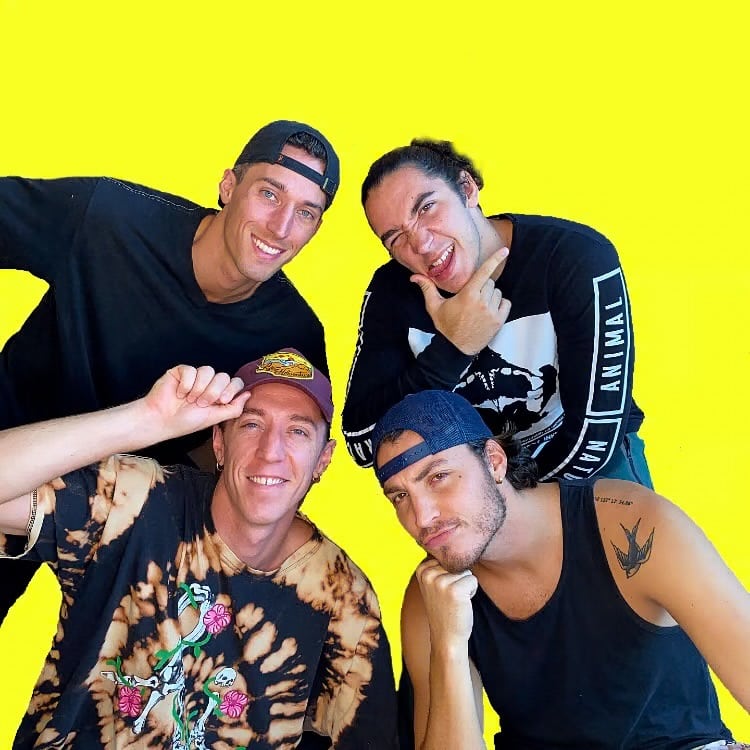
“I was the manager, and I organized everything,” Tag says. “For the first six or seven years, I managed it and did all the negotiations and contracts.”
He approached that responsibility analytically, leaning on self-education rather than formal mentorship. “I read books on negotiation and tried to figure things out as we went,” he says. “But mostly, I learned by doing.”
That hands-on experience proved essential as early monetization opportunities emerged in unconventional ways. Before brand deals were standard, music artists began paying for dance videos to promote new songs.
“They’d be like, ‘Can I pay you guys to make a video to my song?’” Tag recalls. “We were like, ‘Four of us, $100 each to make a dance? Cool.’”
By 2018, the collective had built enough momentum to move to Los Angeles and commit full-time to social media. “From 2018 till now, we’ve been full-time digital creators and haven’t had to have any other jobs,” he says.
Why Lifestyle Content Changed Everything
As the Williams siblings grew older, so did their priorities. Engagements, marriages, and long-term planning began to reshape what Tag wanted from his career.
“I just got married in October. My brother’s engaged,” he says. “As we’re growing up, our lives are changing, and I think that’s important to document.”
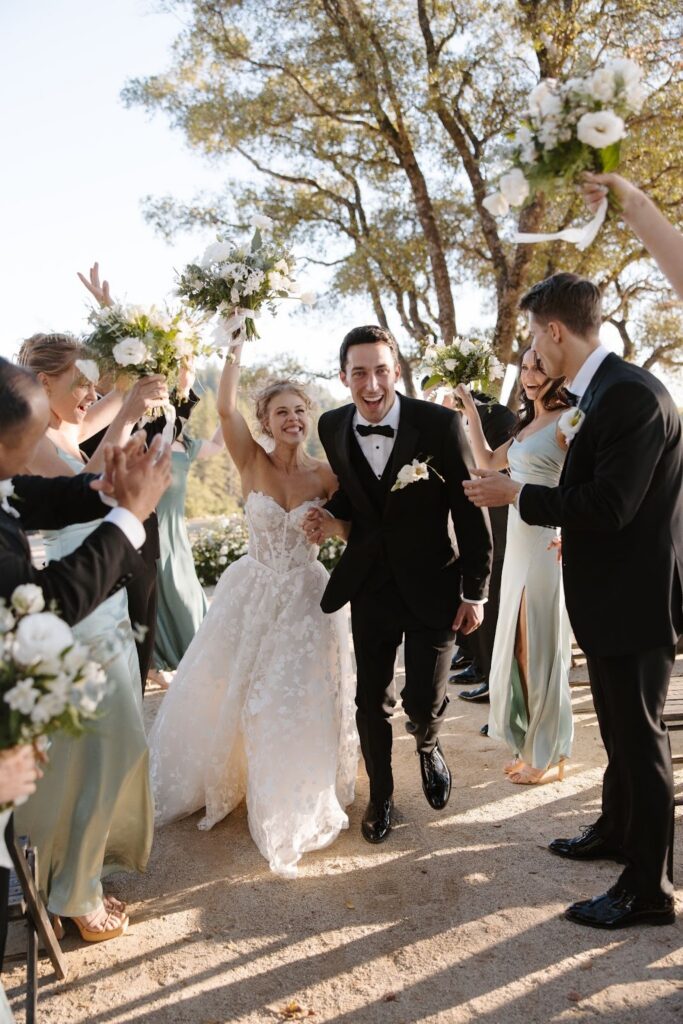
Photo credit: Josh and Mare Knighten (@byjoshandmare)
That personal shift coincided with a professional one. Tag’s management team, Odyssey Entertainment Group, gave him blunt advice about the limits of dance-only content. “They told me lifestyle content gets more brand deals than dancing content,” he says.
Tag decided to commit fully rather than test the waters halfway. “We were like, ‘Okay, no dancing. Only lifestyle for a year,’” he says. “To see what happens when we go all in.”
The goal was not abstract. “Part of the reason for diving into lifestyle content was to pay for our wedding,” he says. “Straight up.”
Six months into that shift, brand deals began arriving. Three months out from the wedding, momentum accelerated. “We really started to hit our stride like a month before the wedding,” he says.
The experiment worked. More importantly, it taught Tag something fundamental about creator sustainability.
“If you’re going to do something, you have to fully commit,” he says. “If you half-try, it’s not going to work.”
Experimentation as a Growth Strategy
Tag’s career is defined by genre switching, not as reinvention for novelty’s sake, but as structured experimentation. Before pivoting into couple content, he tested a DJ project from scratch, posting daily for a month.
“Somewhere around day 25, we had a video that got like 25 million views,” he says. “It shot us up to 100,000 followers.”
That experience reinforced a framework he now applies across platforms: repetition, pattern recognition, and exploitation of what works. “At the core of starting anything new, you have to get a lot of reps in,” he says. “You post a bunch of videos, see what works, see what doesn’t.”
He is equally candid about failure. “When you try something new, you’re going to be bad at it,” Tag says. “You’ve got to be okay with being bad.”
For established creators, he notes that such discomfort can be amplified. “You’re used to getting hundreds of thousands of views,” he says. “Then something flops, and it messes with your head.”
Tag adds that starting new accounts helped remove that pressure. “This page has no followers. It doesn’t matter,” he explains. “I can experiment every single day.”
Platform Strategy and Revenue Stability
While TikTok remains a creative testing ground, Tag takes a pragmatic view of monetization across platforms.
“Facebook monetizes views now and pays actually pretty good,” he says. “If you’re not on Facebook Reels, you need to start posting your stuff there.”
He contrasts that with YouTube Shorts, which requires scale before revenue kicks in. “You need to get 10 million views in a three-month window,” he notes.
For Tag, view-based monetization is not about maximizing upside, but reducing anxiety.
“If you get your views to the level where they can pay your bills, brand deals become extra,” he says. “You’re not as reliant on them.”
That financial baseline, he argues, is essential for long-term mental health in a volatile industry. “That anxiety of, ‘I got brand deals this month, I didn’t last month,’ it’s real,” he says.
Turning Real Life Into Content Without Losing It
Building a career around relationships is something Tag has navigated repeatedly, first with his brothers, then with creative partners, and now with his wife, Sam.

Tag and his wife, Sam
“Watching our relationship is interesting and fun,” he says. “People want to follow that journey.”
The challenge is balance. “It’s important to turn off your social media brain and live in the real world,” Tag explains.
He describes deliberately filming content quickly, then stepping away. “We get the shot, then clock out,” he says. “If you don’t, you’re never really not working.”
That boundary, he believes, is what allows creativity to recharge rather than burn out.
The Next Phase of the Creator Economy
Williams argues the next phase of the creator economy will reward originality over repetition.
“Everything became copying trends,” he says. “I think it’s going to shift back into having to be original again.”
He also emphasizes scale thinking. “Most of your success will come from like one video per six months or even per year,” he says. “Those videos make your whole career.”
That reality shapes how he approaches content today. “We ask ourselves, ‘What would a 20-million-view video look like?’ Or ‘Instead of following a trend, how could we start our own trend?’” he says. “When you think big, it changes how you create content. You are forced to think outside the box and create more original content.”
What’s Next?
Tag’s next chapter includes international travel, a honeymoon, and plans to start a family. Professionally, his focus remains steady. “Lifestyle gives you a wider range of things to do,” he says. “The creator economy is always evolving, and we never know where the content will take us next.”
For a creator who entered the space before it had a name, Tag’s philosophy is refreshingly unsentimental and deeply practical.
“Never stop learning,” he concludes. “Lean into what you know works. When it stops working, then create something new.”
Photo source: Odyssey Entertainment Group
Subscribe to Our Newsletter
Check Out Our Podcast