




Strategy
From Influencers To Solopreneurs: Menlo Ventures Bets On The Next Phase Of The Creator Economy

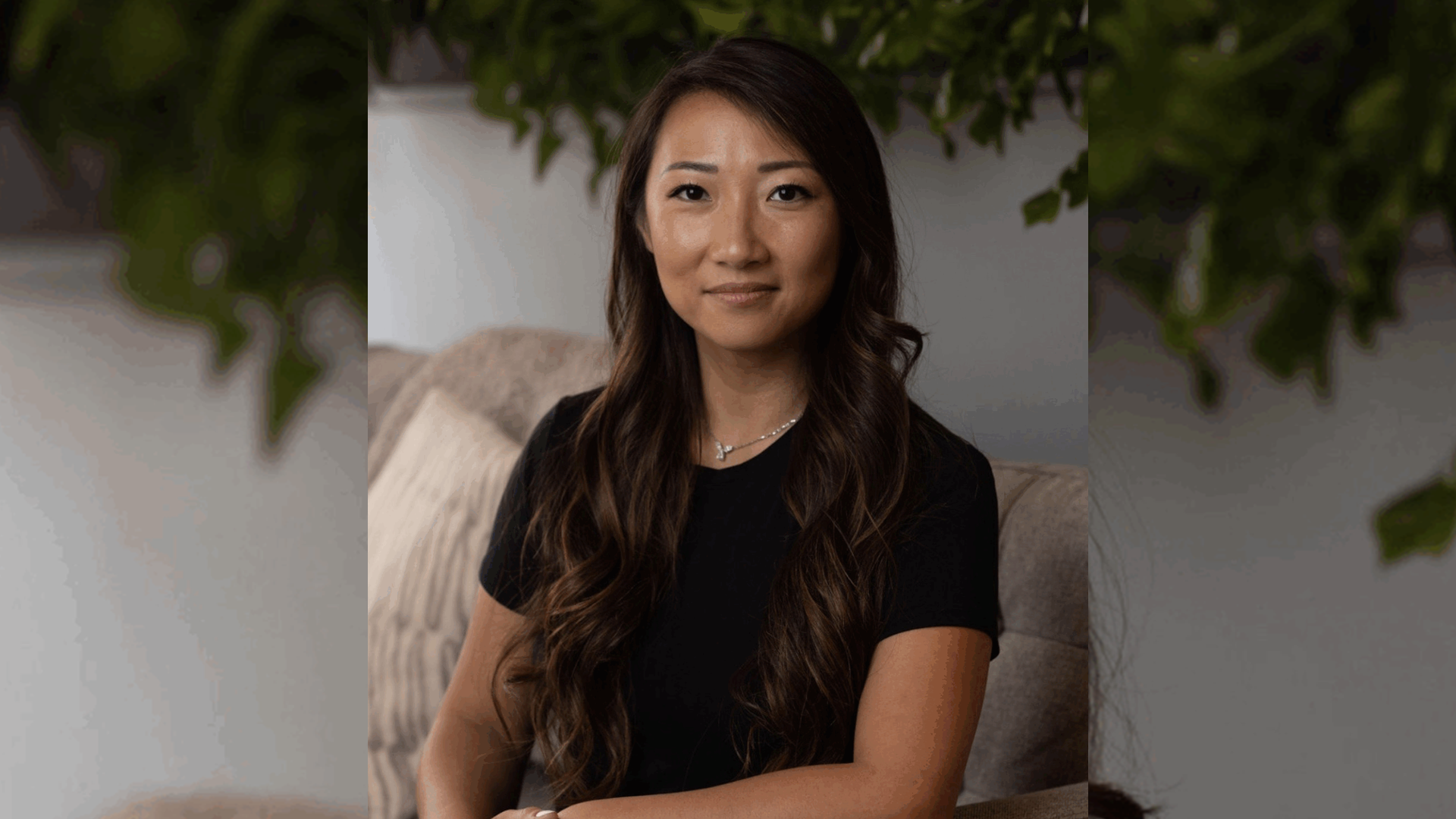
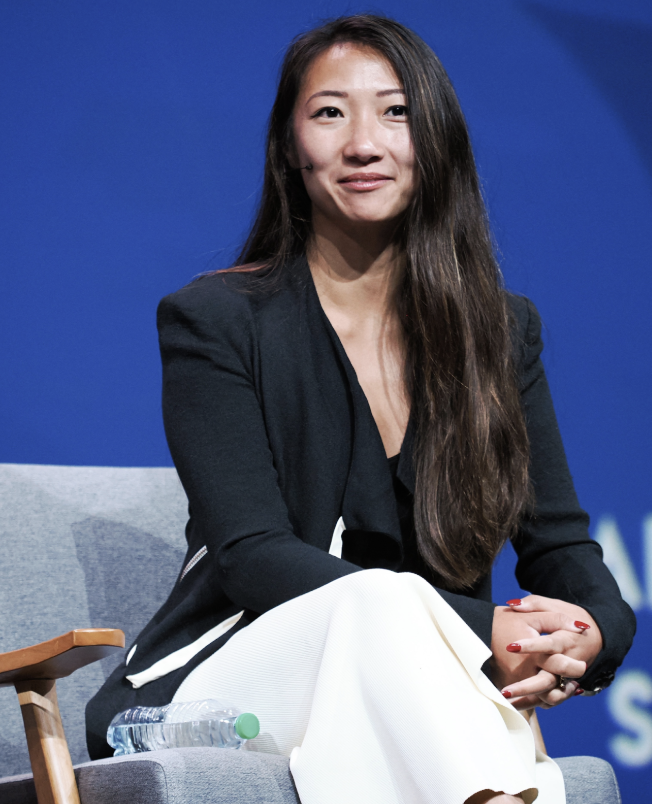
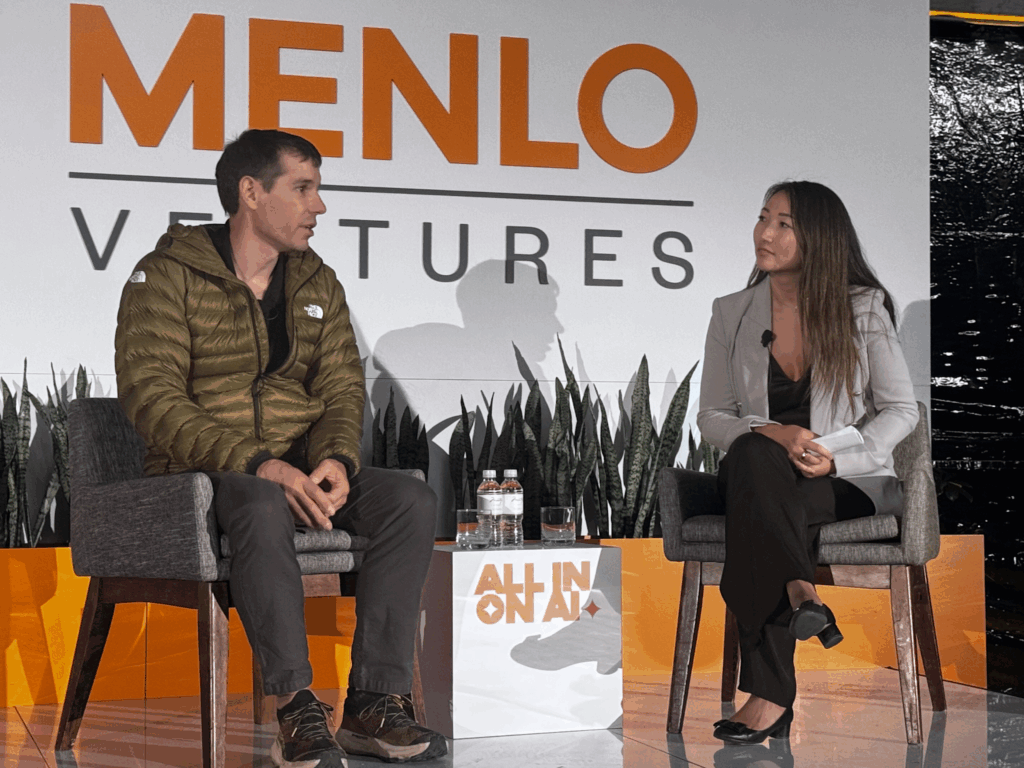
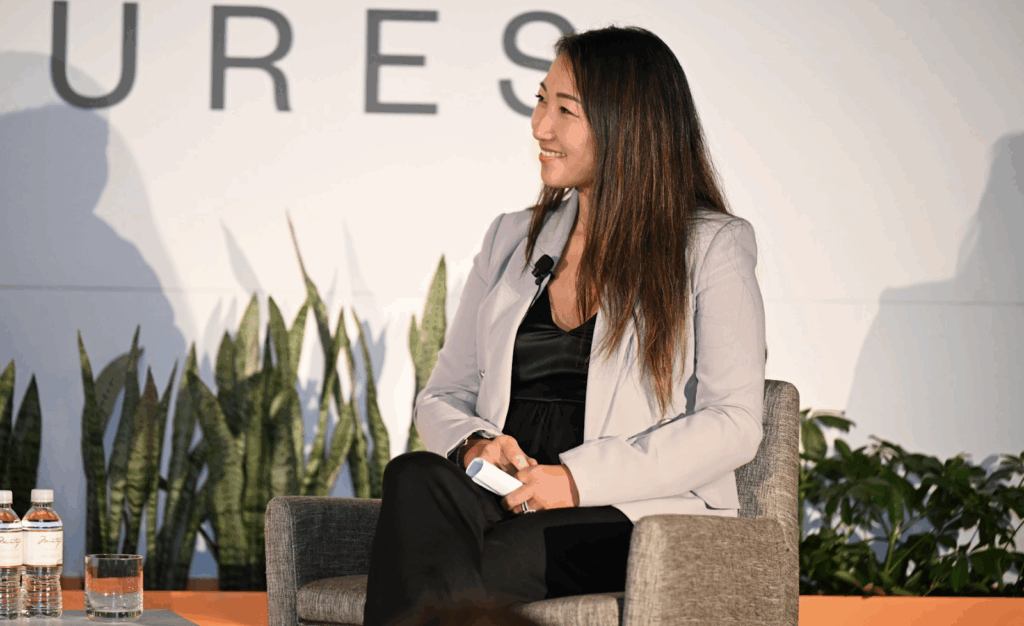
Amy Wu Martin, Partner at Menlo Ventures, is championing a reconceptualization of the creator economy that extends far beyond traditional influencer marketing. As lead for consumer, commerce, and AI application investments at the $6 billion fund, Amy sees the creator economy as a broader system where individuals are building businesses on their own terms.
“When I think of the creator economy, I think of individuals becoming self-made entrepreneurs and employers with much lower barriers now,” Amy explains. “People take multiple jobs, build an audience, and then use that to influence what others do, buy, or how they live.”
Menlo Ventures is currently operating from its 16th fund with approximately $1.4 billion under management. The firm’s strategic investments in companies like ShopMy, Higgsfield AI, and Flora reflect a deliberate focus on infrastructure rather than directly backing individual creators.
The Solopreneur Redefinition
Rather than focusing exclusively on influencers with large followings who monetize through brand partnerships, Amy sees a key transformation in how individuals approach work in the digital economy.
“I don’t see them as different anymore,” Amy notes about the distinction between creators and consumers. “Creators was a label when the space was more niche. I don’t think they see themselves that way anymore. They see themselves as solopreneurs. ‘I’m not working for a big corporation. I’m working for myself.'”
This shift is particularly evident among younger generations who have grown up in a digital-first world. “Gen Z is more comfortable than ever living a public life on TikTok and other platforms,” Amy observes. “It’s filtered, but they use that audience to generate a livelihood.”
The implications of this change extend beyond terminology. As Amy explains, “Some people aren’t relying on influence to sell products; they’re building their own businesses too.” This broader definition encompasses everyone, from traditional influencers to independent service providers who use digital platforms to find clients and establish their businesses.
Why VCs Can’t Directly Back Creators
This solopreneur perspective clarifies why venture capital (VC) firms, such as Menlo, rarely invest directly in creators themselves, focusing instead on the platforms and tools that enable creator success.
“Most of these businesses are lifestyle businesses built for cash flow,” Amy says. “To invest as a VC, you need to see paths to a multi-billion-dollar exit. You can’t get that with just a couple of people running solo.”
This doesn’t mean these creator-built businesses are inferior – quite the opposite, according to Amy. “They’re great businesses,” she emphasizes. “It just doesn’t make sense to grow them with VC dollars.”
Instead, Menlo invests in the infrastructure layer that enables these solopreneurs to build their businesses more effectively, as reflected in its portfolio.
Investing in Creator Infrastructure
Menlo’s creator economy investments focus on companies that deliver immediate, tangible value to solopreneurs. ShopMy, a Series B investment in the programmatic influencer marketing space, exemplifies this approach.
“ShopMy is an income generator,” Amy explains, highlighting why creators readily adopt the platform. With more than 200,000 creators on their platform, ShopMy connects brands with creators more efficiently than traditional one-to-one partnerships.
This programmatic approach transforms influencer marketing from a passive to an active channel. “Affiliate marketing used to be passive. You couldn’t just put in another $10 and expect results because the influencer was pushing the product,” Amy says. “Now in programmatic influencer marketing, the brand says, ‘Here’s a $5 million budget,’ and ShopMy delivers new users with a CAC (Customer Acquisition Cost) target like Meta does.”
Higgsfield AI, another Menlo investment, addresses creators’ content production needs through AI-powered video editing and generation tools. Founded by a technical team formerly from Snap, Higgsfield AI enables creators to produce higher-quality content more efficiently.
“Going forward, creators want to spend more time being creative and delivering value to their audience,” Amy explains. “AI helps them multiply their time and effort. That’s the most important job to be done.”
The common thread across these investments is exceptional technical talent who deeply understand their customer’ needs. “The founder is the most important thing we invest in,” Amy says. “No matter what category.”
The Platform Opportunity Gap
Despite billions invested in creator tools, Amy identifies a significant untapped opportunity: the absence of a complete platform that serves solopreneurs’ diverse business needs.
“There’s an opportunity for a Shopify-like platform for the creator economy,” she explains. This opportunity has emerged as the creator economy has expanded beyond the traditional power law distribution, where top creators captured nearly all revenue.
“The influencer segment is still growing. ShopMy has 200,000 creators on their platform, and that number keeps rising,” Amy says. The broadening of creator business models has created space for platform solutions.
“Shopify powered the explosion of SMB brands with an all-in-one solution for inventory management and CMS. Now there’s room for a Shopify-like platform for solopreneurs.”
This platform would differ from Shopify’s current offerings, which focus primarily on commerce. “That might be Shopify, but they’re still tailored for commerce businesses versus pure digital ones,” Amy says.
The Critical Importance of ROI for Creators
Amy’s experiences investing in the creator space have yielded important insights about what makes creator-focused startups successful. Above all, she stresses, they must deliver clear, measurable value.
“The biggest lesson is that creators are extremely price sensitive,” Amy says. “They won’t add costs unless the ROI is tangible.”
According to her, this explains why many creator-focused startups have failed despite significant investment. “There’s a graveyard of vendors – accounting platforms, operating tools, messaging platforms – that didn’t deliver enough value, so they died.”
Amy adds that successful creator economy companies solve a high-value problem. “Creators don’t like to spend money on value-add costs,” she says. “They need to see ROI, and the number one driver is usually more income.”
AI Acceleration
The solopreneur shift is being accelerated by AI technologies that allow individual creators to accomplish tasks previously requiring entire teams, according to Amy. Menlo’s consumer research, surveying more than 5,000 consumers, revealed that creators are quickly adopting AI tools to enhance their productivity.
“ChatGPT and generalized LLMs are dominating because creators use them for daily tasks like emails and research. They add leverage to their time,” Amy explains.
Beyond general-purpose AI tools, specialized vertical solutions are emerging to serve creators’ specific needs. “We’ll see more vertical AI tools in the next few years to help people become more productive and get more out of their time.”
The key to successful AI tools for creators, Amy says, is delivering exceptional value: “Consumer businesses must improve life by an order of magnitude – 10x cheaper, faster, better.”
The Programmatic Transformation
Looking toward the future, Amy sees the creator economy changing from one-off influencer collaborations into programmatic, scalable campaigns.
“Programmatic influencer marketing is a new category. We think it’s going to be huge,” she predicts. She believes this approach enables brands to collaborate with thousands of creators simultaneously, rather than managing individual relationships.
“Today, marketers spend 80% or more of their paid acquisition budgets on Meta. They’re desperate to diversify,” Amy explains. This change could significantly transform the creator economy. “I’m betting on the transition to algorithmic. Without it, the market is capped,” Amy says. “Algorithmic influencer marketing will grow the market a hundredfold.”
As the creator economy shifts from influencer-dominated to solopreneur-driven, Menlo Ventures is positioning itself at the infrastructure layer, backing the technical founders who are building tools, platforms, and AI solutions that will power the next generation of digital entrepreneurs.
For entrepreneurs building in this space, Amy emphasizes the importance of demonstrating clear value. “They need to articulate tangible ROI for their customer base,” she advises.
Beyond specific verticals, Amy sees the creator economy expanding well beyond traditional influencer marketing. “I see it as broader,” she says. “‘Creators’ was a label for a niche space. Now they see themselves as solopreneurs.”
Image credit: Menlo Ventures