
Influencer
From Creator to Strategist: How Libby Amber Shayo Helps Brands Understand the Creator Economy

Brands entering the Creator Economy often underestimate how quickly social media moves. According to Libby Amber Shayo, hesitation can cost companies the moment they are trying to capture.
“I almost feel like brands should hire someone evergreen and someone for current moments,” she says. “Sometimes current moments go by so quickly.”
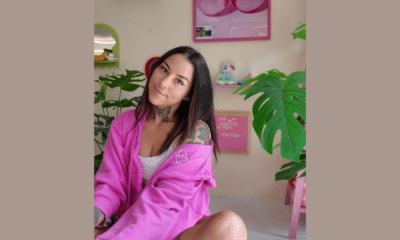
Libby has seen that tension from multiple angles. The New York-based strategist has worked as a TikTok creator, agency operator, brand consultant, and content producer. Today, she runs Libby Amber Shayo Creative LLC, where she advises creators and brands on social media strategy while continuing to produce content herself.
That hybrid background shapes her perspective on the Creator Economy. Having worked both inside campaigns and in front of the camera, Libby says many of the industry’s biggest challenges stem from misunderstandings of how creators work and how social platforms behave.
“Every creator is different. Every niche is different,” she says. “You really have to understand the full picture.”
A Creator Background That Informs Strategy
Libby’s path into the Creator Economy began during the pandemic. She had originally planned to pursue acting after earning a theater performance degree. But when COVID-19 disrupted the entertainment industry, she turned to social media as a creative outlet.
Her first TikTok video went live on March 28, 2020.
“One of my videos pretending to be my Jewish mother freaking out about COVID during Passover [Jewish holiday] went viral,” Libby recalls. “That was my moment where I thought, okay, maybe this is a real thing.”
The comedic persona resonated with audiences, helping Libby build an online presence centered on humor, storytelling, and cultural identity. Her early work included collaborations with Jewish organizations and community groups that wanted to reach younger audiences through social media.
At the same time, she began working in social media marketing roles, first in-house and later at agencies. That experience exposed her to the operational side of brand campaigns. “I was pitching ideas, going to events, and executing content,” she says. “I realized I loved the strategy side of social media.”
Her agency work included TikTok content for major consumer brands, giving her direct insight into how companies approach creator partnerships.
Turning Creator Knowledge Into Consulting
In March 2025, Libby launched Libby Amber Shayo Creative LLC, bringing together several areas of her work under a single entity.
“I couldn’t just be a full-time creator,” she explains. “I also wanted to help creators and brands.”
Through the business, she offers services including social media strategy consulting, behind-the-scenes event content, creator coaching, and social media audits. Her consulting work often focuses on creators who want to professionalize their content businesses.
“A lot of them have never worked with a social media strategist before,” she says. “They are in a niche but don’t understand their content pillars or where to focus.”
Libby also helps creators build media kits, refine outreach messages, and structure their brand partnerships more strategically.
For brands, the conversations often revolve around a different set of challenges.

Why Brands Struggle With Creator Partnerships
One of the most common problems Libby sees is speed. Social platforms operate on quick trend cycles, while brand decision-making often involves multiple layers of approval.
“Sometimes, brands get stuck on details, but if something is trending, either we jump on it, or we don’t. It has to happen now,” she says, adding that those delays can cause brands to miss cultural moments that drive engagement on platforms like TikTok.
Another obstacle is trust. Brands frequently worry about how creators will represent their products or messaging. “They’re trying to figure out how to trust creators,” Libby explains. “Legal teams are involved, and there are brand safety concerns.”
For Libby, the solution lies in collaboration rather than control. Creators understand their audiences and know how to integrate products in ways that feel natural.
“You have to let creators work their magic in a way that makes sense for their audience,” she says.
The Rise of Creators Inside Brands
Libby has also observed a growing shift in how companies structure their social teams. Increasingly, brands are hiring creators directly into in-house roles rather than relying exclusively on external partnerships.
Her own career reflects that transition. “I was a creator first, and brands hired me as a creator while I was still posting,” she says.
For companies, the advantage is that creators bring hands-on experience with platform culture, content production, and audience engagement.
But the arrangement also introduces new dynamics in corporate environments. “The idea of following your boss on social media wasn’t really a thing before this industry,” Libby says.
In a creator-driven workplace, employees may also be public personalities, blending personal brands with corporate responsibilities.
What Creators Still Get Wrong
Libby’s consulting work also gives her a close look at the challenges creators face as they try to grow their platforms.
One of the biggest mistakes she sees is hesitation. “A lot of creators say, ‘I don’t know what to post,’ and then they stop posting,” she says. “Going dark is actually worse.”
Consistency, she argues, matters more than perfection. Social media rewards experimentation and iteration, especially as competition increases across platforms.
Another key factor is the hook. While early TikTok videos could take several seconds to build momentum, today’s audiences make decisions almost instantly. “You really have to capture attention in the first two seconds,” she says.
Why Strategy Improved Her Own Campaigns
Libby says her work as a strategist has also improved her performance as a creator.
Early in her career, brand partnerships often involved multiple rounds of revisions and unclear expectations. Today, she approaches campaigns with a more structured process. “Now, I send scripts and get them approved before filming,” she says.
Once the script is approved, revisions become easier to manage, and production moves more efficiently. Libby explains that the process helps both sides avoid misunderstandings and keeps campaigns on schedule. “The more details you give a brand, the happier they are,” she says.
Libby also emphasizes reliability as an overlooked factor in creator partnerships. In her view, delivering content early and communicating clearly can make a significant difference in how brands evaluate collaborators.
Expanding Into Event and Wedding Content
Another emerging part of Libby’s business came from a personal experience: planning her own wedding.
As she documented the process across social platforms, she realized there was demand for social-first content coverage at events. “I had TikTok trends written in my notes app,” she says. “By the time I was on my honeymoon, everything was already posted.”
That experience led her to begin offering behind-the-scenes event coverage, capturing social-ready video and photos while clients focus on the event itself.
For Libby, the format reflects a broader shift in how people experience milestones. “Not everyone has the ability to capture all of those moments themselves,” she says.
Predictions and Reflections
As the Creator Economy grows, Libby believes new technologies will shape how content is produced but will not replace creators themselves.
“I’m excited to see how creators use AI to build content in a smarter way,” she says, adding that tools may streamline editing or administrative work, but the connection between creators and audiences remains central.
Reflecting on her own journey, Libby says the foundation of her career still comes back to the same principle that drove her first viral videos.
“I’m really grateful that I started by sharing my Jewish pride and using that to leverage my humor,” she says. “That being the forefront of everything I do has really led to the success I’ve had.”
Subscribe to Our Newsletter
Check Out Our Podcast