


Influencer
How Amanda Graves Built a Creator Business Around Her Tattoo Studio

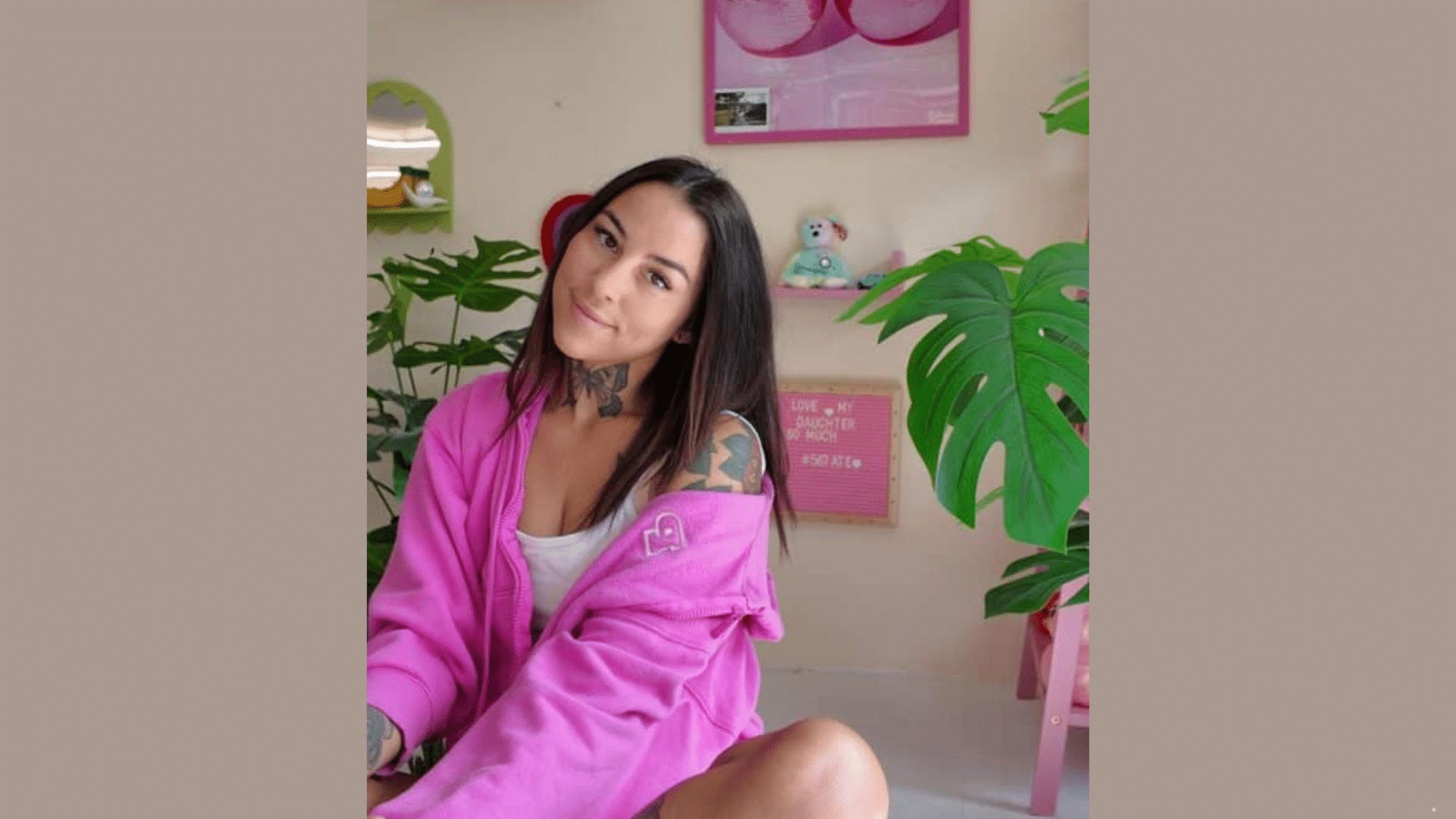
Amanda Graves built an audience by showing people how she tattoos. That audience eventually began flying across the country to sit in her chair, while the same content business opened up revenue through YouTube and brand partnerships.
Amanda is the owner of Dark Arts Tattoo Studio in Whiteford, Maryland, a competitive cheer coach, and a content creator with more than 1.6 million TikTok followers and 354,000 on Instagram. Her days stretch from morning dog walks to late-night returns from a cheer gym in New Jersey. Content happens in the margins, mostly with Meadow, her daughter, who co-stars across the YouTube channel.
What built Amanda’s reputation as a tattooist is a signature technique she developed, working out how to make ink appear to glitter on skin. Drawing on the realism approach common in fine-art tattooing, she layered colored dot work from dark to light until the effect shimmered.
The creator business running alongside the studio now earns primarily through YouTube and brand deals, with social commerce in early stages. “It’s busier now than it was when I was just posting tattoos,” she says. The platform and the physical business, she has found, operate as a single system.
The April That Put Dark Arts’ Future in Doubt
Dark Arts Tattoo Studio opened in January 2020. COVID arrived within weeks. April was, by Amanda’s account, the low point.
She questioned whether getting tattoos would even register as a priority once restrictions lifted. “I thought to myself, ‘If we get back to normal and they start opening up businesses, what’s going to even make people feel like they should get tattoos?’” she recalls. “That doesn’t seem like a priority.”
The opposite happened. When studios were permitted to reopen, clients came with stimulus checks, remote-work schedules, and months of accumulated intent. “It made up for all of that lost time,” she says. The lockdown had also created time to post on TikTok, and the videos started reaching audiences well beyond her local market. By the time Dark Arts reopened, an audience had already been built. “Everyone was, like, so excited to come see us,” she says.
A Glitter Technique, and the Flying-Distance Clients It Created
The glitter tattoo technique grew out of a specific technical problem: how to make ink appear to shimmer on skin.
Amanda approached it as a realism problem, using the same discipline tattooists apply to breaking down texture in reference work. She built dot work from dark shades toward light in the center. “Worst case scenario, it just looks like colored dots,” she says. “Best case scenario, it actually gives the illusion of it shimmering.” The second thing happened.
Inquiries outpaced what she could manage alone, and she hired a booking manager. One week, every client on her schedule had flown in. “I don’t think I tattooed anyone local for, like, a few straight months,” she says. A flying-distance clientele brings proportionate pressure: a client unlikely to return needs a tattoo that lands the first time perfectly.
Why Posting More Lifestyle Content Made the Tattoo Bookings Go Up
Mixing personal content with tattoo work was a risk Amanda considered carefully before acting on it.
“At first I was a little nervous,” she says. “If I start posting more personal stuff, what if people forget I’m a tattoo artist and they stop booking?”
The pattern that emerged reversed her assumption. As the follower count climbed, so did the bookings. Clients arrive having followed her for months, knowing her daughter’s cheer schedule and her personal habits. “They know my birthday,” Amanda says. “They’re like, ‘Oh, they bring a gift for my kid.’ It makes that experience better for them because they’re not just seeing me post a tattoo.”
The dynamic extended across platforms. An interview she filmed at Paramount with Ryan Ashley for the “Ink Master” aftershow “No More Ink” converted a wave of tattoo clients who had not found her through lifestyle content. “Tons of my clients now, they’ll mention it,” she says. “I never heard of you until that.”
TikTok Gets Anything. Instagram Gets the Brands.
Amanda’s platform strategy is differentiated by temperament and format, not by a unified content calendar.
TikTok operates with the least filtering. “I will put anything on TikTok, really,” she says. Dancing, humor, and casual clips perform there. On Instagram, she posts less frequently, prioritizes brand partnerships and tattoo work, and treats the audience as more intentional. YouTube, which she now shares with Meadow, mixes short clips with longer-form videos. Facebook has settled into a photo archive.
What connects all four is a common reflex: post, observe, adjust. “Sometimes, the algorithm changes, and I have to switch up what I do,” she says. “I’ll post something and then see how it does, and if it does great, I’ll do more of that.” Each platform gets its own read, independent of the others.
The Tattoo Industry’s Influencer Problem
Most of Amanda’s brand deals have nothing to do with tattooing. That is a condition of the industry she is in.
“A lot of the tattoo companies don’t really subscribe to influencers,” she says. “It’s definitely something I’m working to change because I feel like it would be very beneficial for these brands to do it, but they don’t work on that kind of basis.”
The result is a portfolio drawn from adjacent categories: apps, nail brands, makeup, and Neutrogena among them. “A lot of my content is lifestyle, and I just happen to also tattoo,” she says. Products that fit into a life involving cheer competitions, mom-and-daughter routines, and everyday moments integrate without requiring a tattoo-specific hook.
Her criteria for accepting a deal are three: the budget must justify the time, she must believe in the product, and content ideas must surface naturally. “If I can think of content right away and the ideas are flowing, I’m like, ‘Yep, let’s do it,’” she says. Audience impact and age appropriateness form a fourth filter applied regardless of rate.
The Revenue Question a Needle Can’t Fully Answer
Amanda’s social media income currently runs through YouTube and brand deals. Social commerce is in early development. She has experimented with affiliate platforms including LTK, ShopMy, and Amazon. “I’ve gotten into it, but I don’t think I’ve gotten quite the hang of it yet,” she says, adding that she expects it to grow alongside her audience.
Courses came up as a possibility. “I do everything by myself,” she says, “and I don’t ask for help or financial backing with anything I do.” A product line aimed at the tattoo market presents a different constraint because, as Amanda notes, the niche is too narrow to scale. Her most likely next move is something built around cheerleading, adding that she feels it encompasses their life.
She began working with a management agency approximately four months ago, adding structure to the brand deal side. The five-year view for the studio is steady rather than expansive: every artist booked months out, the shop at its current size, clients traveling for any artist in the building, not only for her. For the creator business, the goal is specific financial runway for the family she has been building since she was a teenager.
“I’ve been grinding since I was 17,” she says. “I want to create something so that when my daughter’s older, she doesn’t have to worry about anything. She could just do what she loves.”
Subscribe to Our Newsletter
Check Out Our Podcast