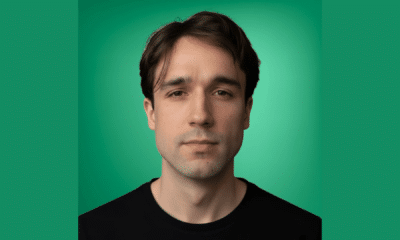







Influencer
How Asante Madrigal Went From Commenting on Celebrities to Asking Them Directly at the Clio Creator Awards
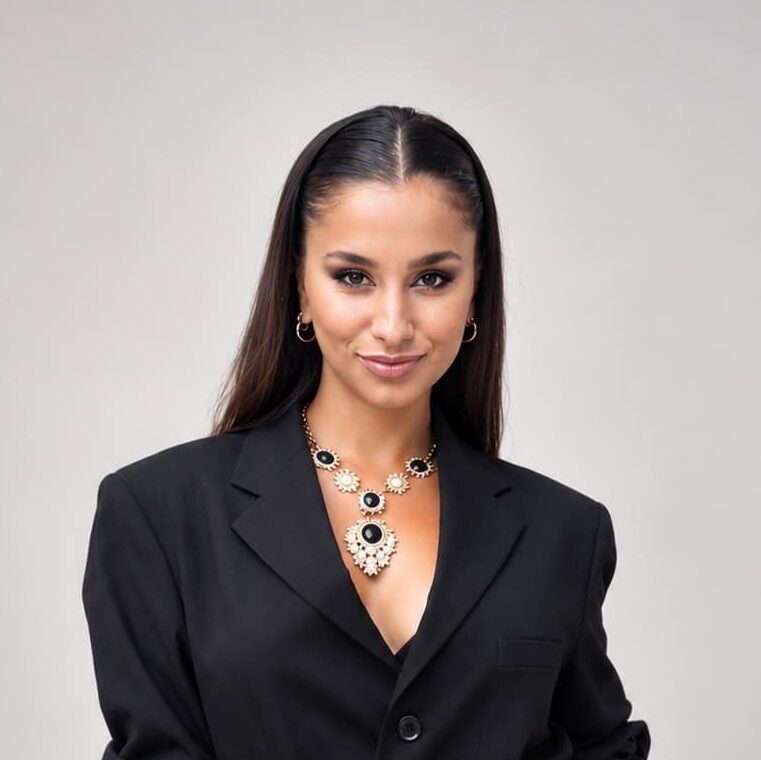
Asante Madrigal brought an orange frame to the red carpet of the first Clio Creator Awards, its contents hidden behind a small curtain. Underneath were printed thumbnails from the first big viral videos of 10 creators, and each one who stopped had to unveil their own early work on camera. For a host who built his audience commenting on celebrities from his phone, the frame turned commentary into conversation.
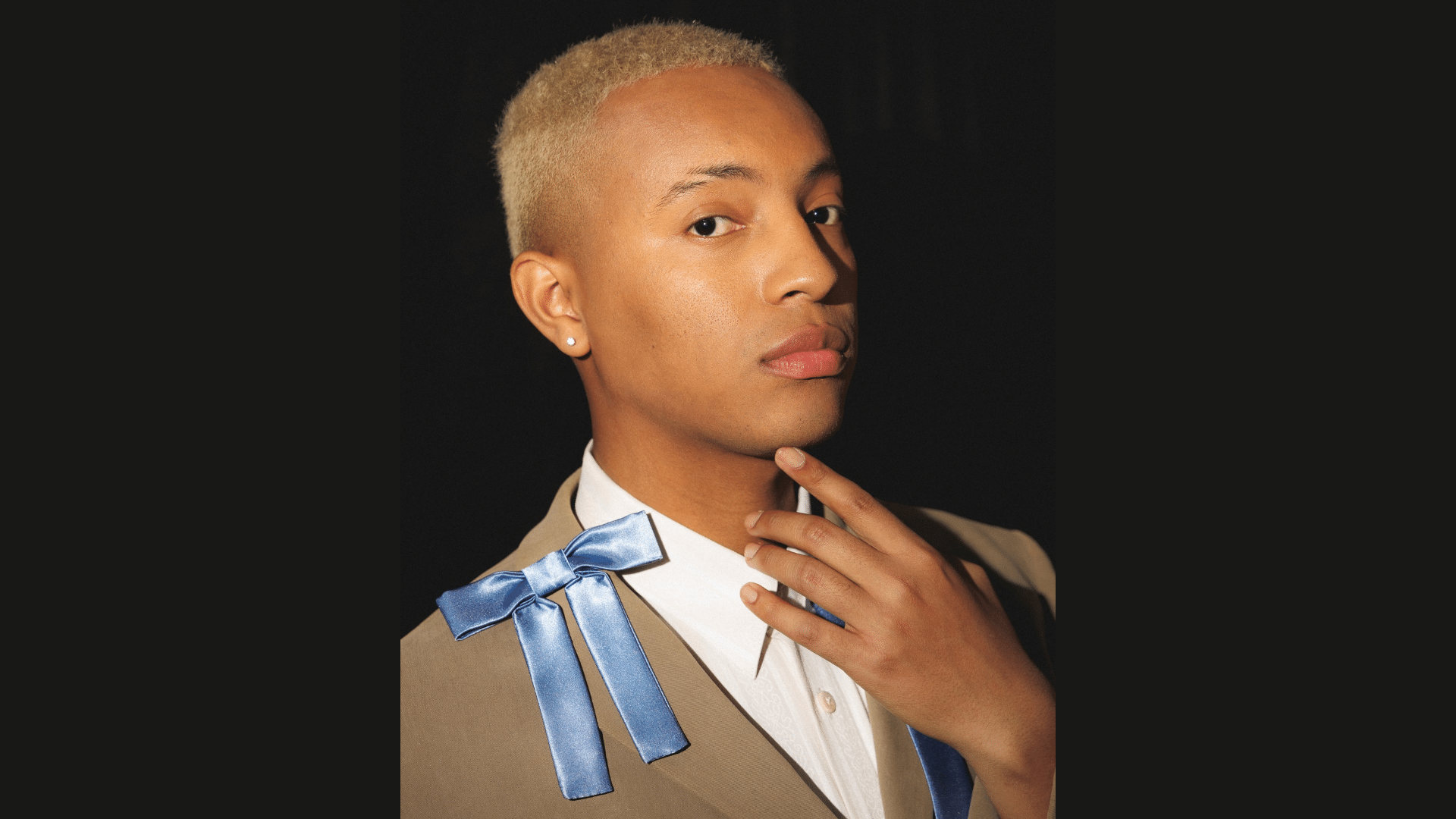
That conversation is now his job. At the November 18 ceremony at Hollywood’s Dolby Theatre, presented by YouTube, Asante served as the official social correspondent and was positioned as the first outlet creators reached. The entertainment host, who reaches more than 2 million followers across Instagram, TikTok, and YouTube, has also covered the Grammys and the Oscars, and MTV chose him as an official creator for the 2026 VMAs.
That proximity has reshaped how he covers people. “It’s really cool to be able to talk to the people that are making these headlines, and I’m able to humanize them a lot more,” Asante says.
The One-Year Trial That Became a Full-Time Career
Asante never planned on this career. He studied communications and journalism at San Diego State University with hopes of becoming a news anchor, and he posted on TikTok for fun. Then, in his senior year, the account started earning a little money, and he began driving to Los Angeles.
“I was like, ‘Oh wait, this could be something that I could do to pay for my college and have fun and meet other like-minded people,’” he recalls.
He gave himself a year to find out. “I always tell everyone I took a gap year to just try this for a year, and that year turned into doing it for six, seven years now full time,” he says. Until he tried, he didn’t think the work could pay as a job. As a member of Gen Z, he adds, he has always gotten his news from the internet.
Journalism school left him with a work ethic, which he traces to parents who both work in education. He still writes things down, keeps a set schedule, and does his research. The carpet was another matter. “Something that journalism school didn’t prepare me [for] was just talking to people on the carpet,” he says. “It’s something that you can read so much about, but you don’t know until you’re in person.”
Practice has narrowed that distance. He says he improves every time he works a carpet, and he no longer needs note cards the way he once did.
Meeting the People He Used to Talk About
Asante’s early commentary didn’t always account for its subjects. Some of the stories he covered weren’t brand-friendly, he says, and he would weigh in on the drama without thinking much about the person at the center of it. “I actually don’t ever talk about this, but I need to talk about this more,” he says.
Meeting many of those people changed that. “When celebrities or creators are watching your videos, it’s a lot different,” he says, adding that his whole vision of the work changed with it.
He is more careful about what he says now, though he still leads with his opinion. The difference is that he takes the question to the source. “Hey, I saw this. Is this true? What happened? What’s the story behind this?” he says, describing how he now handles a headline. It is the curiosity he credits to journalism school, aimed at the person in the story.
An Orange Frame and No Note Cards
His preparation for the Clios started like a reporter’s. Asante read up on the nominees and expected attendees and wrote both general and specific questions. He filmed a few scripted intros, but most of the night was unscripted, including every conversation that followed the frame’s reveal.
The frame was his first attempt at the format on a carpet. “I’m just glad YouTube and the Clio trusted me to try out a new format,” he says. The goal was to get past rehearsed responses. “I like a little bit of drama, but I also love someone being able just to open up and not give me PR answers,” he says.
He calls the result good tension, keeping a subject on their toes while drawing out a genuine reaction. Creators approached the curtain nervous about which picture he had chosen, he says, but played along because they knew him. His questions run niche by design, down to asking someone how they feel now about a meme from five years ago.
Creators also made more willing subjects than celebrities. At the Oscars or the VMAs, he says, celebrities sometimes arrive late or avoid interviews because so many outlets are competing for them. Creators, who are always in front of a camera, talk to almost everyone. “I think [what] was super special about the Clio is it felt a lot more intimate,” he says.
None of that makes the job calm. He makes the carpet look relaxed, he says, but it is crowded and chaotic, and the role requires knowing CEOs and CFOs as well as talent. Most of his conversations never make it on camera.
A Hollywood Stamp of Approval for Creators
The Clios were one of the first creator award shows Asante has attended, and the night reminded him of the Oscars or the Grammys. The creators he spoke with were struck that the ceremony took place in the theater where the Oscars happen, he says. In his view, they felt represented and taken seriously. “You kind of want that stamp of approval from Hollywood,” he says.
He reads the brand side as a work in progress. His impression is that many brands are still figuring out how to partner with creators, though they were happy with the campaigns they had run.
He singled out the creator behind the unsponsored Dr Pepper jingle, Romeo Bingham, who was named “Creator of the Year,” and the way brands rallied behind them. “I think it truly does change the way that brands see creators,” he says of the awards, describing creators as “people that have businesses and can also be creative.”
He wants the format repeated. “I think we need more of them,” he says.
Paying for Hyperfixating Out of His Own Pocket
Access has its own economics. In his first couple of years, Asante did a lot more unpaid work. With more experience and less time, he now prioritizes opportunities that pay or that he genuinely loves, and he will still go for free to something like a new Zendaya movie. “At the same time, this is a job,” he says.
His podcast, Hyperfixating with Asante, sits firmly in the second category. He says he has never been paid for an episode and has put a lot of his own money into the show without seeing it back. “I literally just do it for the love of the game,” he says.
Season two centers on scripted television, including one-on-one interviews with the new cast of Hollywood Arts, which he describes as the sequel to Victorious. He is proudest that the access comes without a brand in the middle. “There are no limits to what I can ask and what I can do,” he says.
He promises bigger guests and better questions. On the podcast, the questions are entirely his.
Building Toward a Stage of His Own
Asante’s ambitions for the 10th Clio Creator Awards sit on the other side of the carpet. A self-described optimist and big dreamer, he would love to host an award show, present at one or work on the production.
His advice to creators still covering these events from their phones is practical. Post about the events you want to be part of every time they happen, he says, and become an expert in your field. Then find other creators, whether in your city or online. “Having a community of people makes everything feel normal and fun,” he says.
That sense of community extends to who he hopes is watching. Through fashion, he wants people to wear what they want, masculine or feminine, makeup included. Through hosting, he wants kids from the communities he comes from to see a way in.
“It doesn’t matter what your background is, where you come from, specifically Black and Mexican kids and gay kids,” he says. “I hope they see me and they’re like, ‘Wow, I can do this too.’”
Subscribe to Our Newsletter
Check Out Our Podcast