Influencer
AI Educator Sabrina Ramonov on Why Targeted Content and Close-Knit Communities Outsell Viral Reach
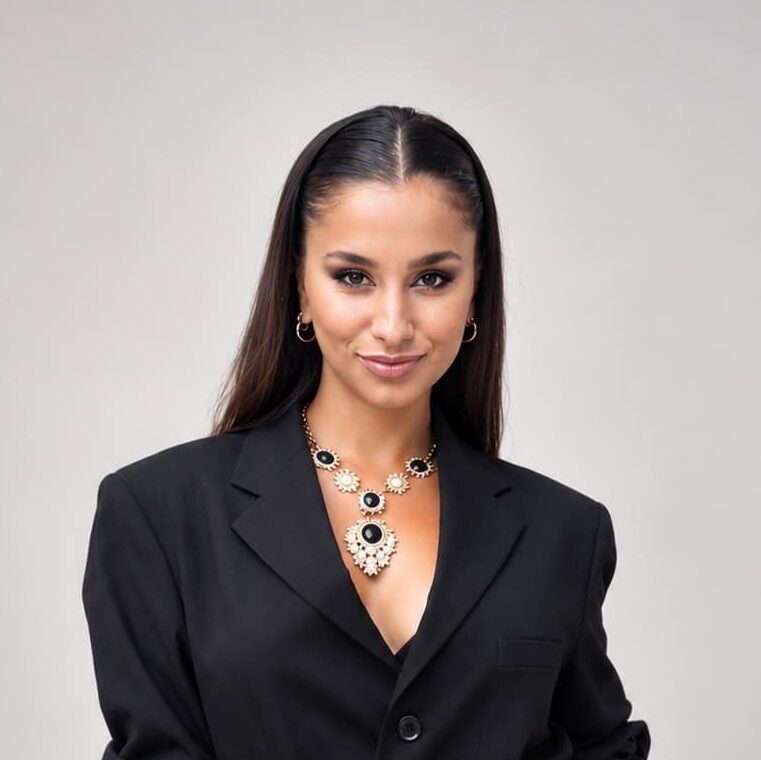
One of Sabrina Ramonov’s AI education videos drew 4 million views and sent no traffic to her software business. Videos that reach 50,000 to 100,000 views drive several thousand dollars a month in recurring revenue, she says, because they target a specific problem and draw on credibility she has built with viewers.
That split between reach and revenue is the lesson Sabrina says she missed when she started posting. “It is important for creators to understand, because at some point you probably want to build a sustainable business doing what you’re doing,” she says. Her own business is Blotato, a bootstrapped company she founded in November 2024 and runs from the Salt Lake City area.
Blotato lets creators and entrepreneurs schedule posts and run DM automations from inside AI agents such as ChatGPT and Claude. Sabrina, a computer science graduate who sold her first AI company, Qurious.io, to Pegasystems in 2021 for a little over $10 million, by her account, built it for her own content operation, which she runs across about 4 million followers, with outside help only on YouTube editing. Her AI education posts reach roughly 30 million people a month and are not monetized. She has also tested the split from the other side, as a buyer of creator marketing for Blotato.

The Best-Converting Partners Run Closed Communities
In the month before this interview, Sabrina spent about $100,000 on YouTube Influencer Marketing and, by her account, got a negative return on it. “The highest-ROI thing has always been my personal brand for my own app,” she says.
The creators who do convert for Blotato have moved a substantial share of their followers into a closed community off the platform, on Skool, Circle, Slack or Discord. “Those are the partners and influencers who are always highest converting in my experience for my app,” Sabrina says. She notes that Blotato is B2B software, so the pattern may differ for consumer products.
Larger creators are another matter. Sabrina describes most of their brand deals as “a cash grab” and says some AI companies are known to pay whatever creators ask in a race for mindshare. “They don’t have to care about your business at all,” she argues. In her accounting, follower counts set the price of a deal and community depth decides whether it sells. She sees that market from both sides, fielding pitches daily and buying sponsorships herself, while taking no sponsorship money.
Creator Revenue Should Survive a Lost Account
Turning down that money was a decision about incentives. “I didn’t want it to bias my content,” Sabrina says. Brand deals are sold on audience size, she explains, so creators feel pressure to keep delivering views or risk the deal not renewing, and some end up pushing brands they don’t believe in.
She acknowledges that a creator replacing a full-time income faces different math. “In my case, I had already sold an AI company and my mission was just to teach as many people as possible,” she says. For smaller creators who cannot refuse deals, her advice is to build a business the content feeds. “I feel like I’m kind of the new generation of content creators where we’re building businesses that are certainly fueled by our content but not dependent on it.”
Blotato is her version. “Even if I had zero followers tomorrow, my SaaS business would still be generating millions in revenue,” Sabrina says. The risk is concrete for her. YouTube once suspended her account for two weeks for what she says was no reason, and her Twitter account was taken down and never restored.
She now has more than 100,000 followers on at least five platforms and urges creators to spread out early, so losing one account does not sink the business. Supplying those platforms is the job of her production system.
Short Videos Should Send Viewers to Long Form
That system runs in two directions. Sabrina takes one long piece, such as a YouTube video or a newsletter, and uses AI to cut it into short posts for TikTok, Threads, LinkedIn, and other platforms. Each short post points back to the original, often through a DM automation that sends the link to anyone who comments a keyword.
“The most important thing is getting people back to your long form because that’s where people spend money,” she says. Her YouTube livestreams hold viewers for about 13 minutes on average, according to Sabrina, against roughly 20 seconds for a viral short.
The second flow runs the other way. Shorts that perform well become newsletters and long YouTube videos.
The loop has not required much time. Sabrina says she grew from zero to 2.5 million followers working one day a week and now works only weekends, still with no team beyond YouTube editing. The DM automations at the center of the loop are what Blotato was built to manage.
Blotato Moves Scheduling and DMs Into AI Agents
Sabrina runs hundreds of those keyword automations. She wanted to tell ChatGPT or Claude to post a TikTok video everywhere and draft a LinkedIn post without leaving the AI agent.
Blotato lets users create or update DM automations in bulk from the same chat. When she releases a new YouTube video, Sabrina says, the agent can repoint a button across hundreds of past automations in about two minutes. The tool also tracks clicks inside each automation and flags message copy that could convert better.
Her example is Sean, an early Blotato user who posts about home equity lines of credit, a niche she says few would expect to work on social media. According to Sabrina, he went from zero to 50,000 Instagram followers in about a year, has 45,000 on TikTok and gets hundreds of leads a month, using DM automations to move interested viewers into his CRM. “That’s the key step a lot of creators miss,” she says.
His view counts are modest, which is the point she draws from the case. “You don’t need millions of views here to build a sustainable business out of it,” Sabrina says. Sean’s numbers follow the same pattern as her own channel.
Posting Habits Come Before Automation
Sean had made false starts on social media before Blotato, according to Sabrina, and her advice was to use the tool to distribute everything and trust the process. “All the tools are here, but you have to get over your own fear, or whatever it is that’s holding you back from putting yourself out there,” she says.
“Don’t pay for any content creator tool until you’ve established the habit of putting yourself out there every day,” Sabrina says.
Automation can also cost a creator trust. Repurposed posts that read as slop tend to appear on the platforms a creator cares about least, such as a new Threads account. “If it just sounds like slop even when you’re repurposing it, then people just won’t value your content on that particular platform,” she warns.
Her own system began with limits. After spending three hours on a 30-second TikTok that nobody watched, she dropped makeup, scripts and most editing, and capped filming at about 20 minutes per video.
The Incentives Still Reward Views
Blotato’s direction rests on a bet Sabrina says could be wrong: that users want to run their content from inside an AI agent. Some may prefer a simple app that walks them through one task. “Even if I am wrong, there’s still a reasonable market of people like me who live in Codex or Claude Code or whatever it is,” she says.
Her influencer spend and Sean’s leads point the same way as her own channel, toward targeted content and close audiences, and she expects platforms to keep rewarding the opposite. “I feel like the incentive system for content is all wrong,” Sabrina says, because rage bait wins views while practical tutorials struggle against gaming and entertainment.
“I wish the algorithms would do good for society and actively push more educational content instead of just the hypiest clickbait rage bait just because it gets views,” she says.
Subscribe to Our Newsletter
Check Out Our Podcast