



Strategy
Creator Feature Films Call for a Different Brand Deal Than the 90-Second Integration
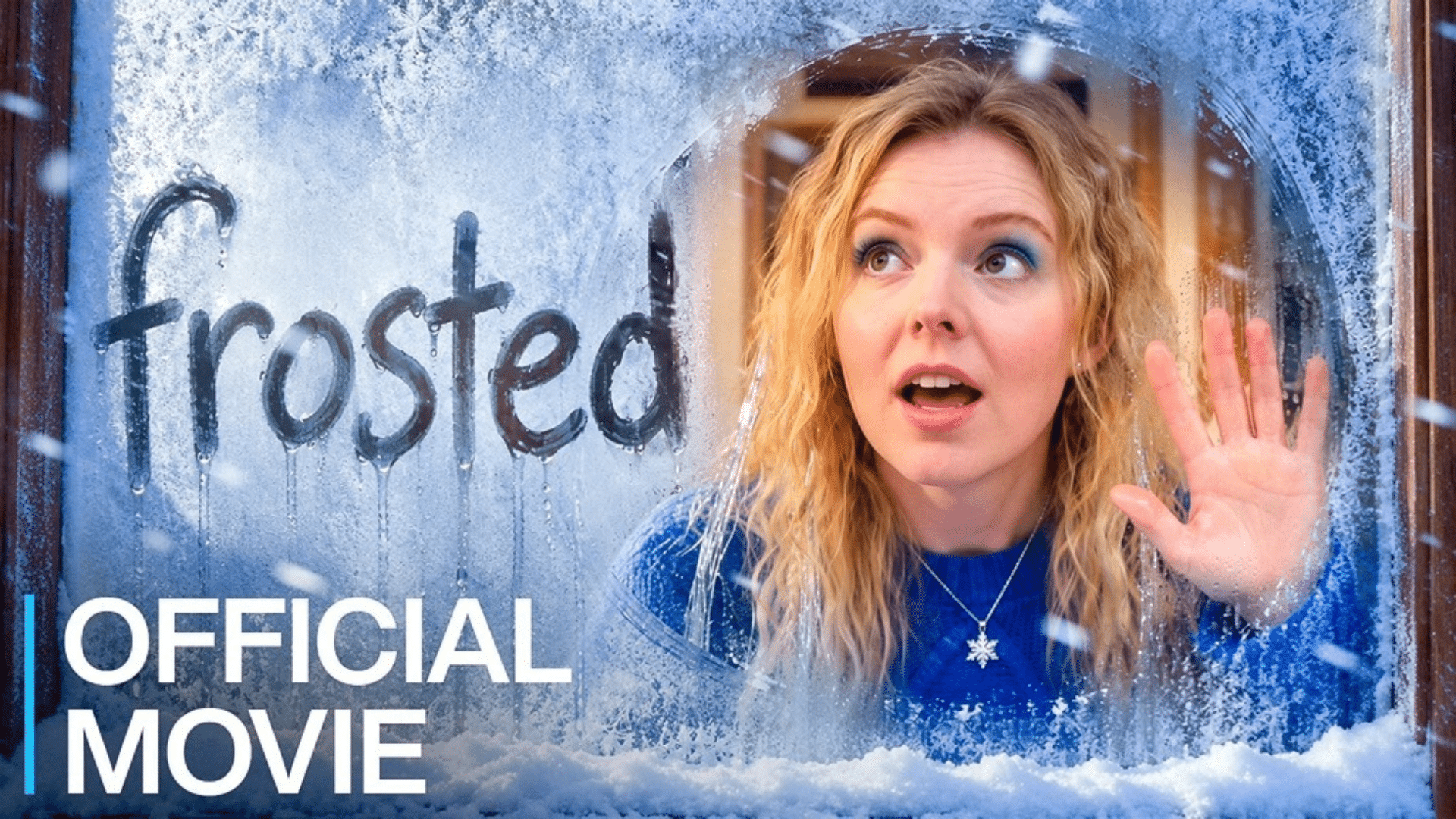
Epidemic Sound is the soundtracking partner on two creator-made films, Jessica Kaylee’s full-length Christmas movie “Frosted” and Grace Reiter’s “Twilight (But Better),” under deals built around press and behind-the-scenes content. Gracie Schram, who leads creator partnerships at the music company, says a film calls for a different deal from a standard sponsored integration, one that starts earlier, is judged on more than clicks, and includes licensing for theaters and streaming.
Epidemic’s music was already turning up in creator films without any deal attached, according to Gracie, so the company chose to support projects in production and help start new ones. “As I’m seeing more and more creators make films, either to be released on YouTube or in theaters, we are also proactively leaning in,” she says.
Gracie approaches that work from both sides of the table. She toured as a singer-songwriter from her mid-teens and worked out her own brand deals, including a Coca-Cola partnership that printed her lyrics on Coke bottles. “I’ve been the brand negotiating partnerships, and I’ve been the creator and the musician,” she says.
She brings that view to Epidemic, founded in Stockholm in 2009. The company owns the rights to all of its music and licenses it on plans running from an individual creator subscription to enterprise deals used by L’Oréal, F1 and the Olympics. Gracie argues that ownership suits creators whose work now moves beyond social platforms, because the music can travel to theaters or Netflix without stalling on rights.

Creator Audiences Are Showing Up in Theaters
Theaters made the case for Epidemic’s film push. Gracie points to “Two Sleepy People,” a Creator Camp film from creators who had partnered with Epidemic on several projects. It opened in a handful of theaters, expanded across the U.S. and, by her account, became the country’s number one indie film. “Creators really have audiences that will show up in person, in a theater,” she says.
Markiplier’s movie, in her reading, showed creators producing in less time and on smaller budgets while bringing in revenue. The Sidemen, an Epidemic partner, took a reality series from Instagram to YouTube and then on to Netflix as “Inside,” followed by “Outside.” Epidemic artist Katori Walker’s “Himothy” runs through all seven episodes of “Inside,” and Epidemic is the sole music sync partner for the full season of “Outside,” whose introduction features “Bongololo” by Epidemic artist Kouba featuring Tusabe, according to the company.
Music drives a film’s story, Gracie argues. “If you think of a lot of your favorite movies, they have a montage that’s usually without even any text or dialogue, but just music,” she says.
Both current partners came from inside Epidemic’s user base. Grace’s “The Hunger Games (But Better),” released about a year ago, used Epidemic tracks without the company’s involvement, and Jessica has used the library for years. What Epidemic now decides is which creators to back, and how early.
The Audience Decides the Partnership
That decision starts with who is watching. The first thing Gracie listens for in a pitch is the creator’s audience, ahead of the creative, because every creator needs music, but Epidemic serves a narrower group ready to invest in its own production. “If we’re talking about Epidemic to this audience, do they care?” she says.
Colin and Samir’s audience includes many aspiring creators, so a direct sign-up pitch fits. Ryan Trahan’s “Penny Series” ended every episode with an Epidemic track, yet a link-in-description push would make no sense for his viewers. “It’s kind of knowing that audience and then creating something that actually makes sense to promote,” Gracie explains.
She gives brands the same advice. “I think that first they should listen,” Gracie says. Cozy Earth, the pajama brand, ran a YouTube reality series with creators called “BedRot,” a format that in her view suits Cozy Earth and would make no sense for another brand. Her test for brands mirrors the one for creators: whether the partner already fits the content and its audience. For Jessica and Grace, it pointed to deals built around the films.
Film Deals Trade Licenses for Behind-the-Scenes Placement
Those deals combine bartered value with sponsorship money. Epidemic contributes its library, its license and music supervision, according to Gracie, and the creator talks about the company through PR, panels and events.
The paid placement sits in the making-of content. Both creators agreed to produce making-of videos on how they made their films, where sound design comes up anyway. “We’re in all the credits, but the true sponsorship piece is around the behind-the-scenes when you would organically already be talking about sound design,” Gracie says.
A standard deal looks different. For Cyber Week, Epidemic had more than 100 videos going live, most of them 90-second YouTube integrations pushing an offer and a link. The film partnerships add an in-person premiere, PR, an affiliate link in the behind-the-scenes video, film credits and Instagram placements.
They also take longer. Gracie met Jessica at Cannes Lions in June, and the deal came together in the fall while production was underway. With Grace, Epidemic joined before the film was finished. “These lead times are also longer because you’re making a whole film instead of just a YouTube video,” she says. The metrics change as well.
Clicks Are the Smallest Measure of a Film Deal
Sign-ups driven by the behind-the-scenes video are the clearest metric, and the least important to Gracie. “That’s the most black and white, but it’s also kind of the smallest piece of what I’m looking at,” she says. Her list runs to reach on the full film, comments about the music, any lift in streaming numbers from Jessica’s soundtrack call-outs, and PR association. This is one of the first projects Epidemic has joined this early, and the company is still learning what to measure, she notes.
The approach reflects a critique Gracie makes of brand programs. “Where a lot of companies still get it wrong is running creator partnerships just as a sales acquisition funnel,” she says. In her view, that misses more than half of the value: the halo effect of thought leadership and PR. “Ultimately, an influencer is powerful because they have influence.”
Some brands are moving toward arrangements that resemble celebrity endorsements. One creator Gracie met recently has a long-term Chevrolet partnership that puts the car in all their videos, and Dhar Mann’s partnerships with the NFL and Adobe run over long periods. She compares the model to Taylor Swift’s work with Target and calls the shift healthy.
Music builds that kind of association too. The Epidemic track that closed each “Penny Series” episode became a theme song, according to Gracie. “When people hear that song, they think of Ryan,” she says. The further that association travels, the more the rights behind it matter.
Every New Screen Needs Its Own License
Epidemic’s standard creator plan does not cover a theatrical release, Gracie explains, and over-the-top services such as Hulu, Amazon, and Netflix require different licensing from YouTube. For film partners, Epidemic typically builds what she calls an “Enterprise Light” license into the partnership.
Chart music is harder. A creator can use a Beyoncé song in a YouTube Short with no commercial partnership, Gracie says, but the clip runs into trouble once it is sponsored, and moving it to long-form YouTube blocks monetization. A commercial track from an artist like Beyoncé can have several owners across its publishing and master rights, she notes, which makes licensing compliance complex.
The complexity has reached the courts. Gracie points to Marriott, Crumbl and DSW, which have faced copyright lawsuits from major record companies seeking millions of dollars in damages, and argues that claiming misuse has become one of the labels’ biggest revenue streams. Brands now ask Epidemic to audit both their own content and their influencer content, in her account.
Music, in Gracie’s framing, now has two jobs. “Now it is both a strategic asset, like music has always been, but also a box that needs to be tracked,” she says.
Creators Are Building Studios for Longer Stories
That complexity grows as creator operations come to resemble studios. Gracie describes The Sidemen, Dhar Mann and “TBNR” as full-fledged production studios, and says Fox and Netflix are leaning in alongside VC and PE investors.
That shift moves more creator work into credits, premieres and streaming windows, where Epidemic’s film deals place the brand and where its licensing has to hold. Gracie expects to report on “Frosted” soon, and “Twilight (But Better)” is due February 18.
“I’m really excited for this next wave of creator films, both the creators and the stories and also the soundtrack,” she says.
Subscribe to Our Newsletter
Check Out Our Podcast