






Agency
Creator Deals Need a Reported Case Before Reaching the Budget Holder, Says CORQ’s Sara McCorquodale

The question brand teams often bring to CORQ is why. Why invite this creator to an event, and why pay that one to advertise a product? Sara McCorquodale’s London company answers with reporting, using a staff made up mostly of journalists to build the case for each creator a brand considers.
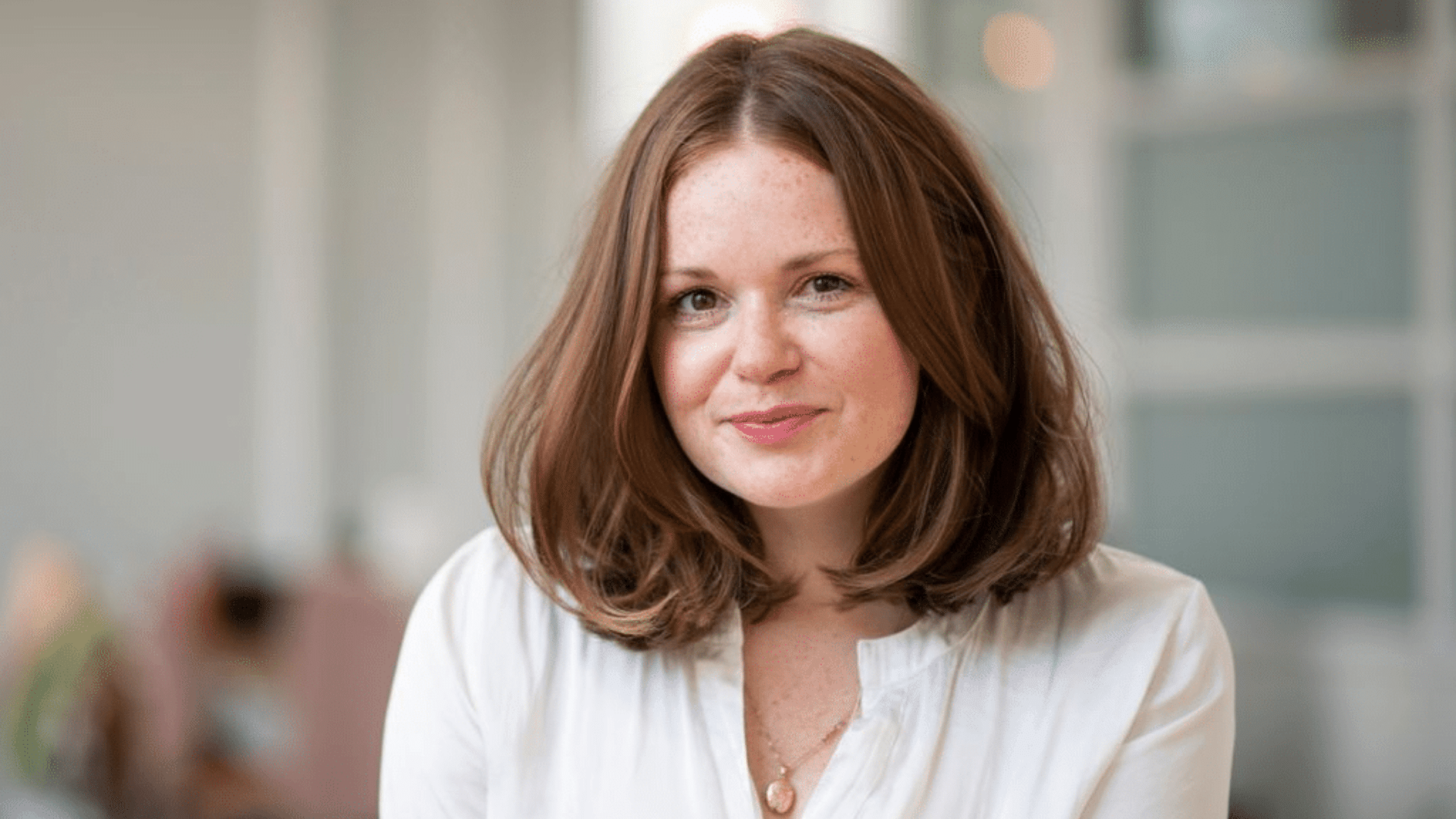
“We don’t represent talent, so we don’t make any money from talent. And that means that we can give our subscribers independent insights every day,” says Sara, the company’s founder and CEO, a former Tatler digital editor and author of “Influence: How Social Media Influencers Are Shaping Our Digital Future.” Founded in 2017, CORQ sells brands and agencies subscriptions to daily insights, reports and an in-house GPT, and runs a creative agency that brands retain to find and commission creators.
That independence serves a conviction Sara formed before CORQ existed. In 2016, managing social media for a global supermodel and an interior designer, she saw the designer’s followers ask questions while the model’s mostly left emojis. “Audience size doesn’t really translate to a quality of connection,” she says. Brands, in her account, kept hiring the same names through the same big talent agencies instead of looking wider.
Looking wider matters more now that brand jobs have expanded. Sara says people commissioning creators now handle PR, events, and casting across paid and earned media, and still need a director’s sign-off. “It’s so much easier to sell a creator into the budget holder if you can tell the story of who they are and what is going to be so special about this partnership,” she says.
Every Creator Pitch Needs an Internal Champion
Sara ties CORQ’s strongest client relationships to that sign-off stage. They have a lead contact inside the brand who manages stakeholders well, because creator work is still new to many senior people at big brands. “Bringing creators into a brand is an educational job; it is a creative job. You need so much diplomacy,” she says.
Without that person, the cost is time. “Sign-off takes so long. It takes so long to get content out and maybe by the time that you do, the content isn’t as relevant anymore,” Sara says. She advises brands working with any creator agency to hand the relationship to someone who cares about creators and can walk each stakeholder through the plan in five minutes.
A well-reported case only moves as fast as the person carrying it inside the company.
Unsponsored Content Shows What a Creator Offers
That case starts with what a creator publishes when no brand is paying. CORQ’s editors assess each creator on its platform for content quality and commercial viability, checking, Sara says, how much of the output is unsponsored and whether there is breathing space between ads for a new partner.
Ideation counts too. Sara points to a creator who ran a “warm breakfast club” recipe series through October. “I can see how so many brands could fit in here. There are multiple commercial opportunities here,” she says.
The same standard explains why CORQ keeps its database curated. Sara says it has turned down databases of millions of creators because many are unsuitable for partnerships and would skew its data. She is also wary of defaulting to macro names, whose challenge and trend formats she says deliver a big hit without longevity. “What does your funnel look like?” she asks.
Editorial output, in this model, is the evidence a brand team carries to its budget holder. It also shaped the campaign Sara singles out from the past year.
Virgin’s ‘Head of Yes’ Campaign Cast for Character
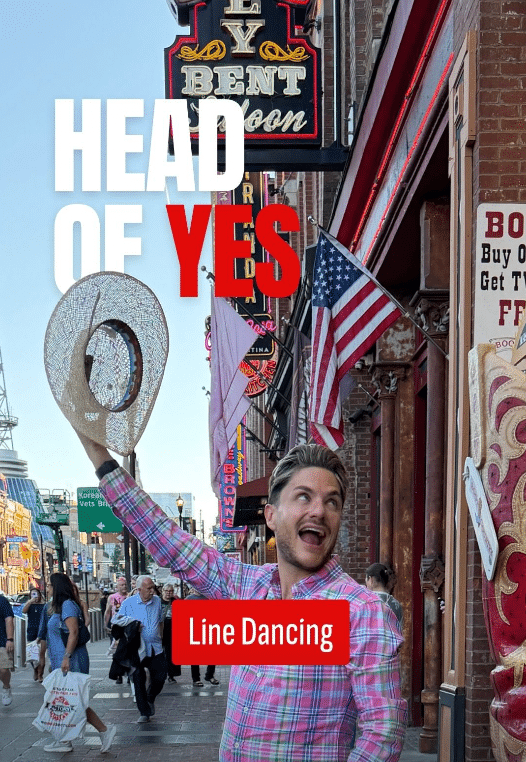
Virgin’s “Head of Yes” campaign offered one creator £50,000 to produce content from six life-changing experiences over six months. Virgin and CORQ ran the launch, which began around September 2025, casting about 12 influencers whose content visibly showed them as people who say yes to things.
According to Sara, the launch drew hundreds of applications, many posted as TikTok videos. An immersive day tested how creators worked under pressure and in a team before CORQ selected creator Chris Tomkins. Six months of production followed before the campaign concluded at the end of June.
Sara says the campaign drew 120.4 million in reach, 24.5 million views, 1.1 million engagements and reached a younger generation at a time when UK news about young people’s opportunities is almost entirely negative. “I think it was a very hopeful piece of work, and I think that was the best way to present the brand to this younger audience,” she says.
A younger audience, though, also limits what a brand can safely sell through a creator.
A Creator’s Past and Audience Carry the Risk
Audience age is one of the risks CORQ checks. Sara points to beauty, where she says most of the big conglomerates use CORQ’s products and where skincare interest among much younger consumers has grown since the pandemic. A creator over 30 discussing retinoid products with a mostly underage audience is her example. “For me, that is a huge risk for a brand because you’re selling a product that’s inappropriate for your audience,” she says.
Finance clients get a different check. Before pitching a creator to a bank, CORQ’s journalists check Companies House for signs of financial trouble, including whether the creator’s company has been struck off, since a self-styled financial expert may be running a loss-making business.
Due diligence on a creator discovery project used to take about a week, according to Sara. CORQ’s GPT, which draws on 10 years of its insights and live data, now returns results in under five minutes. If a creator criticized a brand four years ago, CORQ will find it, and if the brand still wants them, the team can angle around it, for example by having the creator clip the old video into the new one.
Each check is a reporting task, which is why Sara credits journalists on staff. Audience fit also governs a newer risk.
AI Work Has to Match the Audience
That risk is AI. Sara describes polarized creator audiences, with some creators producing proof-of-human formats while others, just as popular, explain how they use AI to be more productive. A brand promoting its own AI innovation, she says, has to place it with a creator whose audience will accept it.
Markets differ too. Sara says some accept AI influencers while others see generative content almost as a betrayal of the consumer, and some influential UK creators said this year they will never work with a brand that creates content using AI. She reads the backlash to SheerLuxe’s AI avatars the same way: an audience built on human creators would not bear the pivot. “Our version of progress is not anything that’s synthetic,” she says of the UK.
Brands advertising AI in some markets, she adds, must accept being cut off from some big talent. Creator-side use is unresolved. “I don’t think brands have policy on stuff like that right now,” Sara says of creators using ChatGPT for brief ideas or Adobe tools to enhance content.
Family Brands Are Losing Children Onscreen
Fear of deepfakes is one reason behind the shift Sara tells brands to plan around next year: parenting creators no longer showing their children online. She also links it to social media bans and greater reflection on children’s privacy, and says many creators have announced they deleted all content featuring their children.
The change hits mass brands that want to show how they help in the family home. “I think that brands probably need to realign what they’re gonna be able to do with those creators, because I think that this shift is going to be really significant,” Sara says.
Creator Journalists Open an Earned Media Route
Sara expects journalism itself to reshape creator budgets next. She says big media companies and broadcasters are launching creator journalism departments, hiring talent that would once have been junior reporters to cover stories in video for social channels.
In Sara’s example, a PR team that might pay around $50,000 for a creator campaign could instead invite a publication’s creator journalists on its trips, as it would a traditional reporter. Brands then have to decide how much to keep in transactional creator deals.
“There’s going to be a lot of earned media opportunities with creators because of this creator journalism explosion. And that did not exist previously,” Sara says.
Subscribe to Our Newsletter
Check Out Our Podcast