



Agency
Spotlight Media Runs TikTok Shop as a Marketing Channel Built on Hero SKUs and Loyal Creators

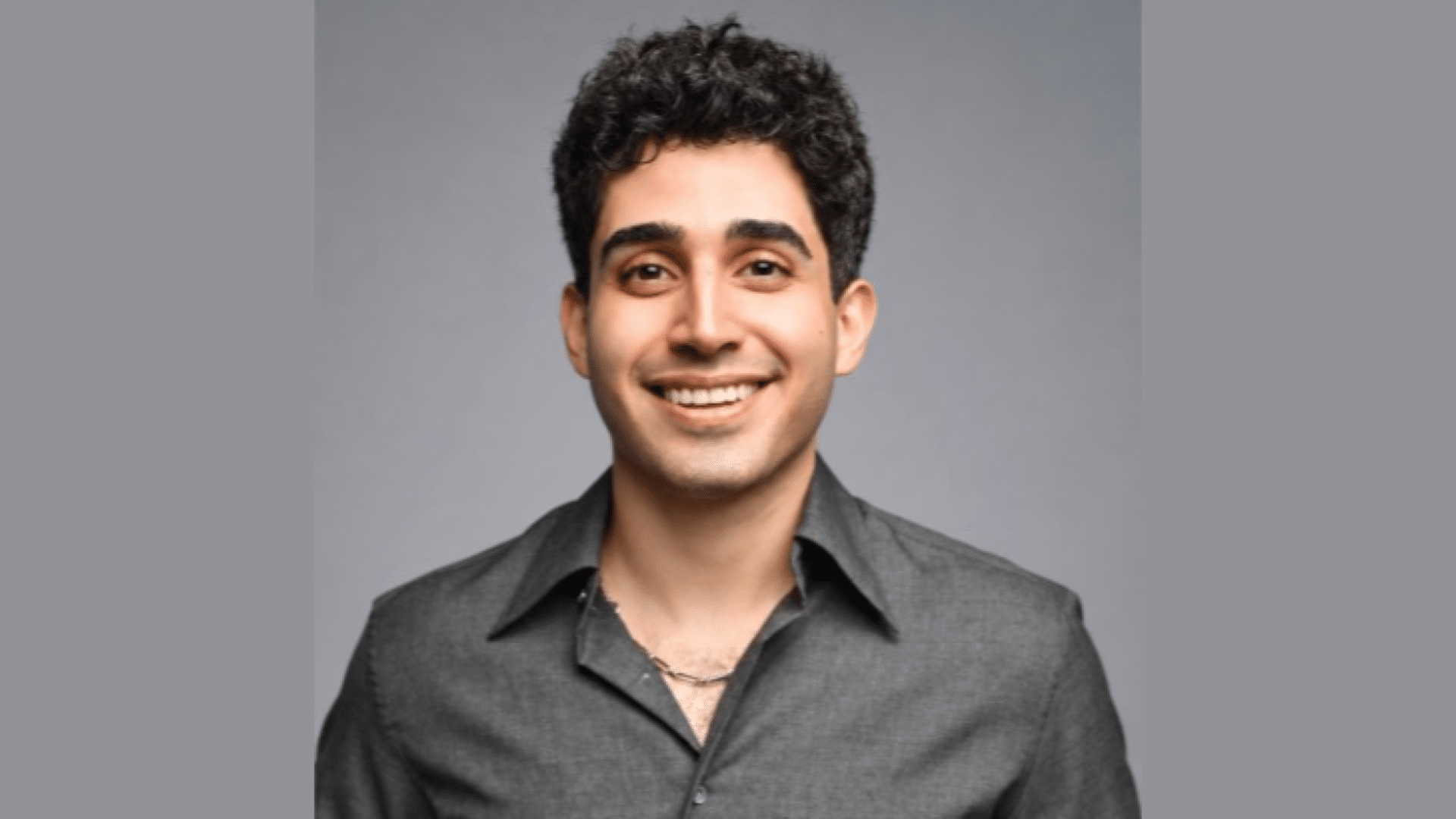
When a TikTok Shop account stalls, Sam Habibi traces the problem to the products a brand chose to sell there. The co-founder of Spotlight Media, a New York agency that runs TikTok Shop for brands, starts clients on one or two hero SKUs, builds a core group of loyal creators around them, and asks brands to fund the channel as marketing before they expect a profit.
Those diagnoses come out of audits. Almost every brand that approaches Spotlight has already opened a shop or tried to, Sam says, and many arrive after running it in-house without results. “A lot of them are operating on TikTok Shop from a year ago principles,” he says. “They’re sampling a thousand products to low-quality creators, and they’re getting nothing in return.”
Sam came to TikTok Shop from the creator side. He made TikTok content and sold sneakers through his audience before co-founding Spotlight in 2023, and when TikTok Shop launched that year, the company pivoted fully to it. Most of its clients are beauty and personal care brands such as Tower 28 and POV Beauty, many of them founder-led or celebrity-led. Those brands typically lack the creator network and the staff the channel requires, he explains, so Spotlight joins as a full-time growth partner running the shop, the creators and the ads.
The agency has more than 30 full-time employees and has generated over $50 million in GMV for clients, according to Sam. It is bootstrapped, and paid creator collaborations, a recent service clients needed, now run to six figures in creator payouts every month. Every service sits on the same sequence, and it begins with the product.
Each Hero SKU Raises a Shop’s Baseline
Sam breaks TikTok Shop into three layers that run in order, from assortment to creators and content to ads. He calls assortment the platform’s number one challenge, because in his experience it is difficult to scale a single SKU above $100,000 to $200,000 a month in GMV. Brands at around $1 million, he says, have built six to 10 hero SKUs, and those at $400,000 to $600,000 a month have four to six.
“You want to really focus on one or two SKUs, build up a lot of foundation around them, get a lot of creators behind that one or two,” Sam says. New SKUs then launch on top of those, which he says is what adds to a shop’s baseline.
The model explains which categories stall. Food and beverage brands are typically one- or two-SKU companies, Sam notes, so they reach that first plateau easily and struggle past it, while beauty leads the platform because its brands keep releasing products. The number of products a brand can bring to TikTok Shop therefore limits how far its shop can grow.
Choosing the hero is a separate decision. For brands sold everywhere, Sam says the first question is why anyone would buy on TikTok instead of Amazon, and his answer is often a TikTok-exclusive bundle or a gift with purchase. Creators weigh the range as well. “If you have one product, the creator can only say so much about that one product,” he says.
Brands Now Compete for a Short Supply of Creators
Creators can be selective because they are scarce. “The biggest problem on TikTok Shop right now is that the rate at which brands are growing is a lot faster than creators,” Sam says. Top creators mostly work with brands that are already selling, in his account, which makes a cold start hard without an agency’s network.
Sam audits brands that have sent out 10,000 samples with no videos to show for it, because they never built relationships with those creators. “What really matters now as a brand is finding your top creators and really making them feel like they’re part of your brand,” he says. At Spotlight, a team handles each brand’s top 20 to 30 creators, running webinars, writing content briefs, and paying extra when creators follow guidelines. It also adds creators to brands’ PR lists.
The approach shows in a beauty brand that passed $1.1 million in GMV in September, according to Sam. It arrived doing low to mid six figures, and Spotlight built several hero SKUs and brought its top creators onto the account as the brand kept releasing products. “In September, even when it’s a slower month, we just had our top creators continuously post, and we had new product launches that they were promoting,” Sam says.
Paid Deals Should Be Priced by Creator Level
Picking that core group is where Sam says GMV alone misleads. He passes on some high-GMV creators at TikTok’s L4 and L5 levels whose output is AI-made, bottom-of-funnel discount videos. “Sure, they can generate sales for you, but it’s not a great brand experience, and you’re not really generating any value,” he says.
Sampling still calls for volume – 300 to 500 creators per SKU in Sam’s guidance – checked against one question: “Would I ever buy from this person?”
Paid deals demand closer matching. Because there is no exclusivity on TikTok Shop, Sam recruits creators who have already sold similar products for other brands. He anchors the fee to a creator’s TikTok level. In his example, $1,000 could buy three videos from an L4 creator or five to 10 from an L2, and he considers L1 and L2 the best value. “When you catch them at an earlier stage, they become significantly more loyal creators to your brand,” he says.
Product type sets how much of this a brand needs. Visual products like makeup do well with sampling, according to Sam, but skincare and supplements need explanation, so he almost always asks those brands for a paid creator budget.
TikTok Shop Should Run Near Breakeven
Those payments land in a full-year P&L that Spotlight builds for each client, with separate lines for sampling, agency fees, ad spend, extra creator payments, and TikTok’s 6% fee. “Some agencies just make it a black box,” Sam says. Brands cold-starting can start out losing their entire investment, he notes, and ads are the largest line.
His target is close to breakeven. “If we’re in the profitable range, I want it to be the single-digit profitability, so nothing over 10,” Sam says. Anything above that, he explains, could fund more sampling, wider reach, or higher creator pay.
Cutting spend once the channel works is a mistake, in his view. “You need to keep adding fuel to the fire because it’s really feeding into all of your other channels,” he says. He asks brands to commit for three to six months, and smaller brands to hold at least 5,000 to 7,000 units, since selling out is among the worst outcomes on the platform.
Paid TikTok Videos Get a Second Life on Meta
The content is part of that return. Some Spotlight brands have had 50,000 to almost 100,000 videos produced in a year, according to Sam. “If you have all this asset and it’s just sitting there, how can you make that asset work for you even more?” he says. Spotlight built an internal platform that runs TikTok Shop content as Meta ads and pays creators a percentage of the ad spend.
One video produced zero sales on TikTok, Sam says, and the brand then spent close to $400,000 running it on Meta. Paid retainers make that possible because they secure usage rights.
The pipeline also serves brands TikTok Shop does not suit. Sam tells $100 skincare brands they have almost no chance on GMV, but can still produce content there for Meta. “They’re truly using TikTok as a content engine,” Sam says. For those brands, he adds, the creator layer of his framework pays off even when the assortment layer rules out a shop.
Brands Will Design Products for Creator Distribution
The assortment layer is also where Sam sees brands changing how they operate. The question he hears from brands now is why their TikTok Shop is not working, and some have started developing products for TikTok Shop’s economics, including 20% creator commissions.
His advice for the first quarter of 2027 follows the same order. Check the offer, then the creators, then the ads, which he uses to diagnose problems with the other two. Videos that draw clicks but do not convert point to a weak offer, while a shortage of content calls for paying more creators.
“The most successful brands in the next few years are going to be the ones that figure out product development with the focus of creators,” Sam says.
Subscribe to Our Newsletter
Check Out Our Podcast