





Strategy
‘We’re Backing Influencers Who Think Like Founders’: Megan Lightcap On Slow Ventures’ Creator Fund

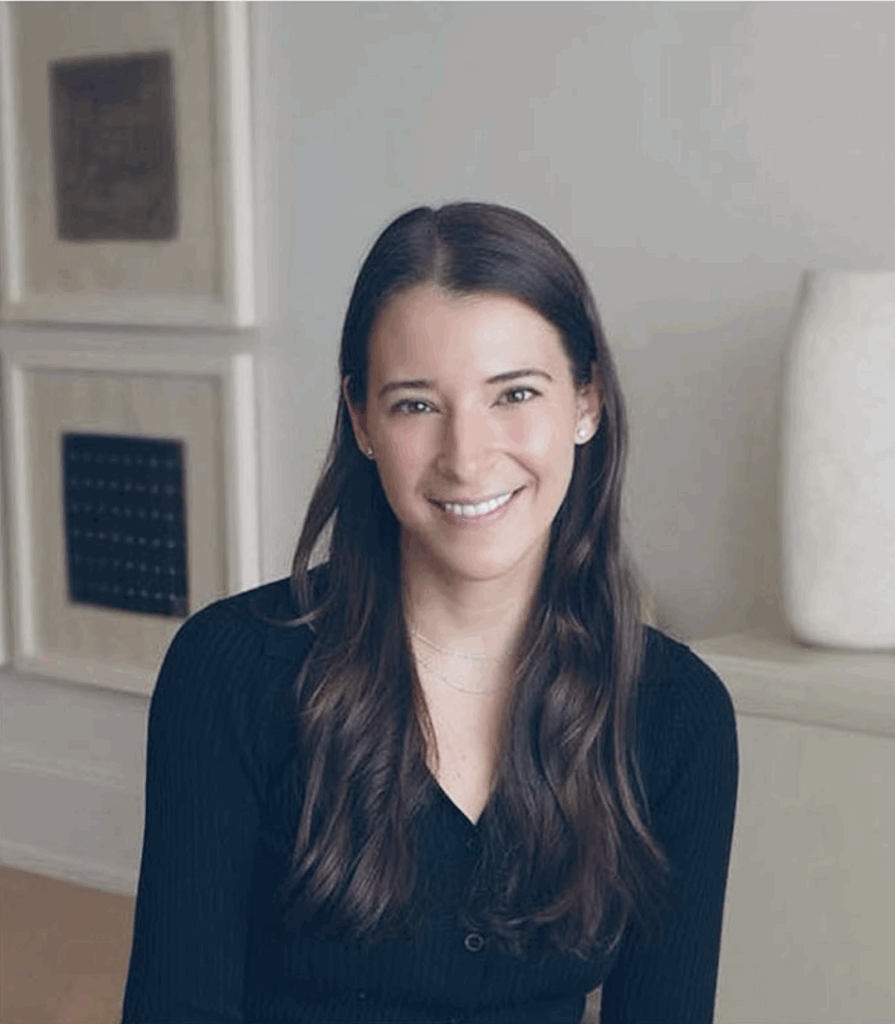
The creator economy as we know it is becoming increasingly sophisticated. Amid rising platform uncertainty and shifting revenue streams, digital creators are maturing from content producers into full-fledged business owners. In this context, venture capital is taking notice, with firms like Slow Ventures leading efforts to reimagine how to invest in creator-led businesses.
Launched in February, Slow Ventures’ $64 million Creator Fund represents a bold bet on creator entrepreneurship.
“The thing I am hanging my hat and my career on is that there is an entire class of these amazing entrepreneurial creators who are going to be the next wave of the best entrepreneurs in our country and beyond,” says Megan Lightcap, Partner at Slow Ventures and head of their Creator Fund. “Our job is to find them and capitalize them and help them grow.”
Unlike traditional approaches that invest in creator-branded products or the platforms that serve them, Slow has developed a unique investment thesis that focuses on the creators themselves.
“The brand equity actually doesn’t sit on the balance sheet of Feastables or of Chamberlain Coffee,” Megan explains, referencing popular creator businesses. “It sits with Emma [Emma Chamberlain], it sits with Jimmy [MrBeast], and their community. Whatever they end up focusing on and putting their attention towards is the thing that is going to be successful.”
This insight led to the fund’s model: investing in a creator’s holding company that can flexibly deploy capital across content, team building, and various business ventures. The structure maintains alignment between investor and creator while enabling experimentation. “We want to be in business with the creator,” Megan says, highlighting how this approach differs from backing a single product line that might be abandoned if the creator shifts focus.
Megan’s path to leading the Creator Fund wasn’t through entertainment or talent management as one might expect. Instead, her background in consumer investing at L Catterton and operational experience at startups like Olive and Store No. 8 provided the perfect foundation.
“When I met the Slow team, it became increasingly clear that creator investing was more similar to consumer underwriting than it was like talent identification,” she says.
Megan recognized that successful creator businesses operate much like consumer companies: launching products for audiences they deeply understand. The decisive factor for her was seeing creators like MrBeast, Emma Chamberlain, and Logan Paul building major businesses that captured important consumer mindshare and wallet share.
What Makes a Creator Investable?
Not every creator with a large following makes a good investment opportunity, according to Megan. Slow Ventures evaluates potential investments across four key dimensions that form the foundation of their due diligence process:
Number one is the Creator’s Mindset.
“The creator really needs to think about themselves like a founder and entrepreneur and less like talent,” Megan says. This distinction is crucial; while many creators seek fame or virality, Slow looks for those obsessed with growing something bigger than themselves. “Our capital is for 1% of creators. We’re looking for a very narrow target.”
The second pillar is Community Quality.
“We like to partner with creators who are niche and vertical and not necessarily competing for just pure attention,” she says. This approach prioritizes deeply engaged communities over sheer numbers. Megan points to woodworking creators as an example, where the audience connection is built on learning and skills development rather than fleeting entertainment. “The community stickiness is so much greater when it’s denominated in this niche,” she explains. “The reason for attachment is often way more emotional.”
Third, Category Potential.
The fund evaluates each creator’s niche to understand market size and growth potential. “In the case of woodworking, you can sit there and be like, you know how big it is, you know how many dollars moved through the system last year. You can size this market.” This consumer-focused analysis helps determine the ultimate scale potential of creator businesses and ensures investment decisions are grounded in market realities.
The fourth and final dimension is Traction and Scale.
Slow looks for demonstrated traction in both audience building and business operations. “We can understand traction both from a content and community perspective, but traction from a business perspective,” Megan says, highlighting the importance of seeing early proof that a creator can convert their audience into customers.
Platforms vs. Creators
This four-pillar approach has become particularly relevant as the broader creator economy investment field changes. While Slow Ventures is doubling down on creator investments, Megan notes that broader investor interest in creator economy startups has cooled since the peak of 2021-2022.
“For a long time, for those couple of years, when the term first came to be, a lot of people were super excited about this new format of work in the form of a creator,” Megan explains, adding that this excitement led to major investment in creator platforms and tools, but results have been mixed.
Megan believes many investors misunderstood the market. “Creators aren’t willing to pay for that,” she says about many creator tools. “And it’s like there’s not all that much value there to capture.”
Meanwhile, the creators themselves continue to thrive. “Despite the massive fall off in venture funding in the creator economy, creators are still growing like weeds,” Megan notes. “The value is actually being accrued to the creators.”
This gap between platform investment decline and creator growth reinforces Slow’s strategy of investing directly in the value-generators themselves – the creators.
First Investment: Jonathan Katz-Moses
The fund’s approach is exemplified by its first investment. Jonathan Katz-Moses, a woodworking creator with 600,000 engaged followers, received a $2 million investment in his holding company after applying through the fund’s open application process.
Katz-Moses clearly embodies Slow Ventures’ investment criteria. His original content centers around practical woodworking skills, building deep trust with an audience of beginners and intermediate woodworking enthusiasts. This trust translates directly to his business, KM Tools, which sells woodworking tools and accessories to his community.
Since Slow’s investment, Katz-Moses has continued to expand his operations from his 30,000-square-foot shop in Santa Barbara. He has filed patent applications, explored new product lines, and built a team that supports business development, operations, and content creation. His business generates mid-seven figures in annual revenue, according to reports, achieved without marketing spend.
The woodworking and related hand tools market is projected to reach nearly $10 billion by 2030, offering considerable growth potential. This combination of strong creator leadership, a deeply engaged niche community, important market potential, and demonstrated business traction makes Katz-Moses the ideal representation of Slow’s investment thesis.
The Investor-Creator Relationship
When creators approach Slow Ventures, their most common question reveals much about the changing creator economy: “What else do you guys do beyond money?”
While Megan is clear that they are primarily a capital provider, the fund does maintain ongoing strategic relationships with its creators. “We’re constantly talking and strategizing with our creators and helping them get unstuck,” she explains, “but at the end of the day, they know their businesses the best, and we’re trusting them to run them like entrepreneurs and founders.”
She contrasts this approach with other creator business models where outside entities build companies and simply attach creator names. Slow seeks true entrepreneur-creators who want to build and run their own ventures, providing them with flexible capital and strategic guidance rather than taking over operations.
The Martha Stewart Model
When it comes to one creator she would have loved to invest in, Megan’s answer reveals much about her vision for creator businesses: Martha Stewart.
“She was so early in this model,” Megan explains, describing how Stewart created different customer touchpoints based on levels of fandom, from casual magazine readers to cooking class attendees, while expanding across multiple product categories.
“She so deeply knew her audience and the why behind it and was able to build amazing things for them before they almost even knew that they wanted it,” Megan says.
Stewart’s approach exemplifies what Megan sees as the ultimate creator business model: building an entire ecosystem that serves audiences across various engagement levels and product categories while maintaining a cohesive brand identity.
Advice for Creator-Entrepreneurs
A key part of Megan’s work involves changing industry perceptions about creators as business leaders. “For a while, there was this misconception that creators are not investable founders. I think that’s so wrong,” she argues. She credits high-profile creator-entrepreneurs like MrBeast with establishing a blueprint others can follow. “The more examples we see come online, the more supply there is of these entrepreneurial creators.”
For creators aspiring to build investable businesses, Megan’s advice is straightforward: “Just get started building your business.”
She emphasizes that creators should test their ability to convert audience attention into sales before seeking investment. “Have you sold anything? Have you converted your audience? Test the bounds of your level of fandom and your ability to sell something,” she advises.
This practical approach ensures creators understand their business potential before seeking outside capital. Importantly, Megan notes that initial ventures don’t require major funding: “Interestingly, you should be able to start that without any real capital because there are so many ways to kind of start in that journey that are pretty capital-light.”
Beyond conversion testing, Megan stresses the importance of deeply understanding audience motivations: “Know your niche, know your audience. I think a lot of creators get caught up in knowing the demographics of their audience, but they don’t necessarily know why people love them.”
Subscribe to Our Newsletter
Check Out Our Podcast