



Influencer
Inside The Sorority Girlz, a Creator Collective Turning Group Chat Support Into Brand Leverage

The mental health check-in arrives in the group chat without warning. Someone drops a GIF of their mood. Others follow. Then the conversation moves on. For the creator collective The Sorority Girlz, the exchange is not separate from work. It is part of the operating system.
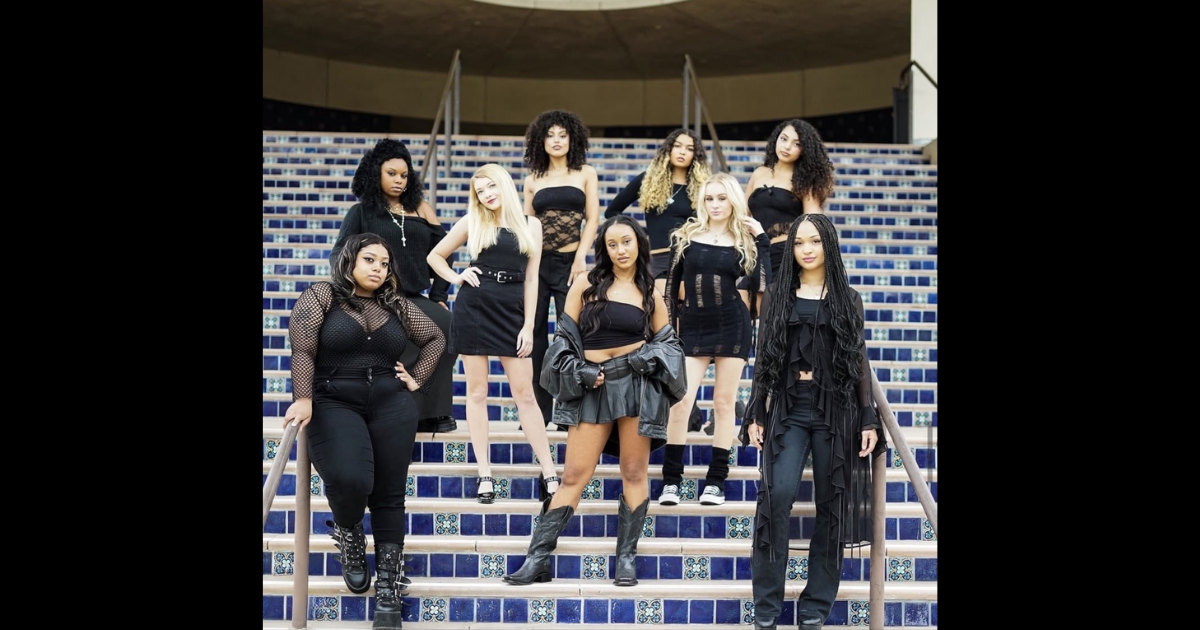
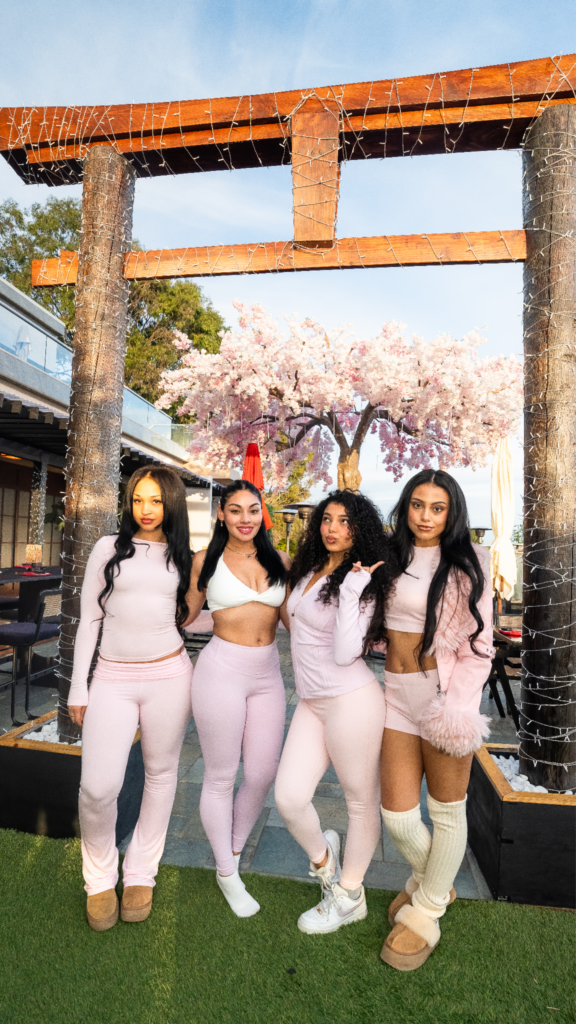
The collective brings together 15 women across Los Angeles, Toronto, Atlanta, New York, Miami, and Europe, spanning a diverse range of content categories including music, beauty, lifestyle, gaming, fitness, food, and fashion. The group was created by Gigi Harville, the founder of The Paul Harville Group, who recruits members and manages brand relationships, while each creator maintains a separate individual business alongside her participation in the collective.
Together, they claim a combined following of 11 million across platforms. What they are building, by their own account, is something more specific than a content house: a working infrastructure for female creators who have found that doing this alone is harder than it looks.
Three of the group’s members, Tyeler Reign, Cassidy Jacobson (known as Cassidy J), and Sophia Camille Collier, reveal what the collective actually looks like from the inside.
Tyeler is a Los Angeles-based musician and beauty creator who joined after appearing on the l Lifetime TV series “The Rap Game.” Cassidy is a Canadian lifestyle creator with more than 11 years in the industry, currently based in Toronto. Sophia is an entrepreneur and content creator who founded The Care Club, a lifestyle and wellness brand, alongside a full-service marketing agency. Their backgrounds are different. Their reasons for joining were not.
“Being a content creator is wonderful,” Cassidy says, “but when you’re doing it for a really long time, there are problems in the content creation space that you might not be able to talk to with people that don’t do content, like your friends. It can get very lonely.”
The Pivot That Brought Each of Them Here
All three women were already building individual creator careers when they joined The Sorority Girlz. What they were missing was context: people who understood the specific pressures of content creation and could serve as both peers and benchmarks.
Tyeler had built her audience coming off “The Rap Game,” leaning into the pandemic moment to shift from passive posting to deliberate community building. “I just came off a TV show, and that’s when I was like, okay, let me really start using my social media,” she says. “I don’t want to say exposing my life, but really just sharing my life and making it a family type situation.” Gigi approached her directly, framing the invite as a growth opportunity: surrounding herself with other women in various stages of building would accelerate what she was already doing. Tyeler, who was homeschooled and describes her peer network as limited, agreed immediately.
Cassidy’s entry point was more procedural. She had been a mutual follow with The Sorority Girlz on Instagram for roughly a year when a message arrived asking her to hop on a call to assess fit. She joined, and the effect on her work was tangible. “Through that, it gave me a second wind to continue with content creation,” she says.
For Sophia, the appeal was partly demographic. “As somebody who’s Hispanic and black, there’s not a lot of mixed girls that I meet,” she says. “Having other girls who are of different races, we come from different backgrounds, but we all come together.”
Running the Group Without Running It Into the Ground
Coordinating 15 tcreators with separate careers, time zones, and content niches requires something most collectives treat as an afterthought: formal structure. The Sorority Girlz operate with monthly strategy calls, individual check-in meetings, and a tiered group chat system that spins up subgroups around specific projects and dissolves them when the work is done.
“We have group chats galore,” Cassidy explains. “If someone has an idea that’s pitched into the main chat and I’m spearheading it, I’ll get three girls and make a group chat. After the project’s done, it kind of fades. Maybe it’ll come back.”
The individual meetings serve a different purpose: making sure each member is still aligned with the group’s direction and, separately, still doing well personally.
Content production follows a mix of planned and opportunistic scheduling. Members in Los Angeles coordinate in-person shoot days when schedules allow. Cassidy has traveled from Canada for content weekends. No one is required to participate in everything. “We’re big on not making people do things they don’t want to do,” Cassidy says. “If that’s not someone’s style, it’s fine.”
The group’s size, which many would see as a coordination liability, functions as a buffer. When someone has a conflicting shoot or needs to step back, there are enough other members to move forward without stalling.
Tyeler names patience as the primary operational skill the collective has built. “It is a whole bunch of different personalities, and we all come from different backgrounds,” she says. “I’ve gained a deeper appreciation for collaboration and the patience it takes to build something with a lot of different people.
What Brands Get Wrong, and What the Group Has Learned to Demand
The collective has worked with brands and organizations, including CBS, Raising Cane’s, and Peerspace. Members have also been invited to attend major industry events, including the GRAMMY Awards, and have participated in brand trips and experiences with companies such as Roland.n addition to group opportunities, members also have access to individual activations secured through the team’s network, including press events, television appearances, media opportunities, brand experiences, and creator focused campaigns aligned with their personal interests and career goals.
While opportunities have expanded over the years, the business of being a creator has also become increasingly complex. Sophia frames it directly: “Back when content creation first started on Instagram and TikTok, brands were willing to throw money at creators. And now it’s kind of like a lot of brands have realized, oh, if we just invite them to our event, they’ll post for free.”
She continues: “A lot of brands want to do things based on sales and commission. So it’s like 5 to 15% commission, and maybe it’s a curling iron that’s $100, and you get 5% commission. So you’re making $5 for posting a video that you filmed, high-quality, edited.”
Cassidy describes the broader dynamic as structural rather than exceptional: brands will consistently undervalue creators unless creators build conditions where they do not have to accept it.
“I’ve learned you have to play the game, you have to pivot, and you have to create better positioning and visibility for yourself so you get those deals that are high ticket,” she says. “Sometimes you have the choice, sometimes you don’t have the choice as the creator.”
Being in the group changes the information available: members benchmark rates against each other, identify emerging brand strategies, and share what to watch for. “If we’re on the same campaign and it’s like, oh, they’re gonna pay me this much, what are they paying you?” she says. “It helps you have the transparency around what the industry standard is right now. That’s why we’re working on some fun IP’s for The Sorority Girlz, which we are excited about.”
Members repeatedly point to the value of having experienced guidance and support when navigating partnerships and opportunities. “Gigi advocates for us and helps ensure we’re receiving opportunities and compensation that reflect our value,” Sophia says.
For many members, having a trusted team to provide insight, advice, and industry knowledge has been an important part of their growth as creators. The collective’s combined reach and diverse talent roster have also helped open doors. “Brands jump at the pitch of it,” Tyeler adds. “This is actually something that should be shown and promoted.”
Mental Health as Operational Infrastructure
The group’s approach to mental health is not framed as a wellness amenity. It is a functional requirement for sustaining output across 15 t people over multiple years. The individual strategy meetings include mental health check-ins as a standard component. The group chat runs informal temperature checks on a rolling basis.
“When we know someone’s off, it’s if somebody’s really quiet,” Tyeler says. “Someone will randomly go in the group chat and say, ‘Mental health check. What are we doing? How’s everybody feeling? Drop a GIF of your mood.'” The format is intentionally light: stickers, GIFs, emoji responses. The point is visibility without pressure.
For both Cassidy and Tyeler, this aspect of the group is described as a direct benefit to their individual mental health, not merely a feature of collective culture. “It does help my mental health,” Tyeler says. “I can reach out to the girls and just be like, ‘Hey, I’m having trouble with this.’ And we really come together.”
Sophia’s framing of work-life balance reflects a practical accommodation of these demands rather than a dismissal of them: “I don’t really believe in the whole work-life balance thing anymore. When you are in your 20s, you’re building for your 30s and 40s. You should enjoy your work so much that it feels like your life.”
What the Rest of 2026 Is Meant to Prove
The group is entering what its members describe as a period of acceleration. With a growing audience and a stronger foundation in place, The Sorority Girlz are expanding beyond short-form content into new ventures, including original intellectual property, merchandise, podcasting, and other creator-led projects.
Several members are also investing in long-form content as they continue to develop their individual brands. Among them is Sophia, who is working on a podcast focused on mental health, personal growth, and authentic conversations.
For the collective, the remainder of 2026 is not simply about growing numbers. It is about proving that a creator community built on collaboration, consistency, and shared support can evolve into something larger than any one platform.
Vid Con and DreamCon are on the calendar. A Canada visit is also being discussed, which would be the first time West Coast members come to Cassidy rather than the reverse, which will make for fun content.
Sophia’s read on the moment is direct: “We’ve got summer coming up, and right after that comes the holiday season. It’s really about staying organized, staying structured, supporting one another, and executing
The strategy, as all three describe it, is less about individual breakout moments and more about compounding the group’s credibility over time: posting consistently, speaking publicly about what the collective stands for, and giving audiences a reason to invest in the long run. As the collective continues to grow, members are eager to introduce audiences to the women behind the brand and showcase the personalities, talents, and stories that make the group unique.
The pitch to the industry is straightforward. For brands, Cassidy offers a clear frame: “Really just realize the unique opportunity that a bunch of creative people have when they come together around a common mission.” For creators building their own networks, the lesson is simpler. “There’s power in numbers,” she says. “There’s power.”
Subscribe to Our Newsletter
Check Out Our Podcast