



Influencer
From Dorm Room Clippers to Forbes 30 Under 30: How Sly Huncho Reverse-Engineered Virality

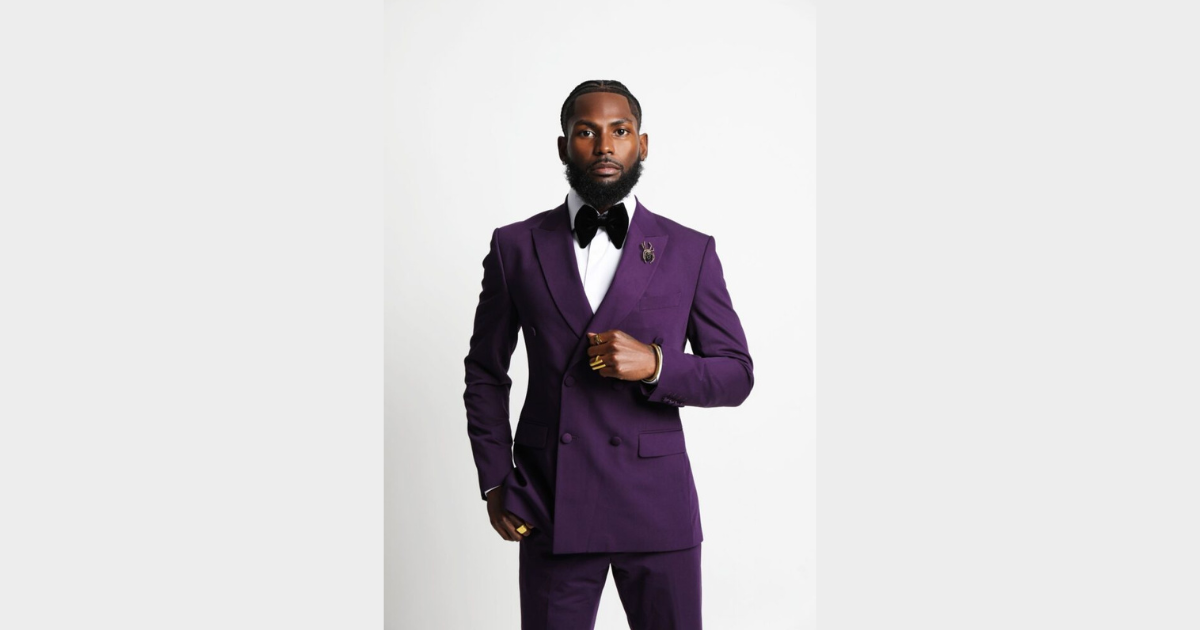
In a barbershop in Atlanta, Sylvester Brewster reads a client before picking up the clippers. He already knows the story he is going to tell. He has read the area code in the booking, noted the appointment type, and planned the questions he will ask mid-cut to get the backstory worth filming. By the time the chair spins around, he has a content strategy.
That instinct is not accidental. Sylvester, who goes by “Sly Huncho” online, built a creator business with more than eight million followers across Instagram, TikTok, and YouTube, not by chasing trends but by treating social media like a craft to be studied and eventually taught.
Sly hit 1 million Instagram followers in 69 days, reached 1 million YouTube subscribers in 44 days, and booked his first acting role in BET+ series “Zatima” from Tyler Perry Studios. He is a Forbes 30 Under 30 honoree, a “Content Creator of the Year” award recipient from CT Barber Expo, and the “Best Barber in Kansas City” by KCPCA. None of that, he insists, came from luck.
“I took barbering and made it bigger than what it is,” Sly says. “It’s like your own super you. I like to think of it like a sport, so I’m just balling in the sport versus being an NFL player.”
The Bet That Started a Million-Follower Run
The 69-day sprint to 1 million Instagram followers began with a workplace challenge. Someone in the shop proposed a bet: whoever posts daily the longest wins. Sly was among the last standing. What started as a game became a laboratory.
“The loser got to buy everybody lunch or whatever,” he says. “So I was one of the last ones standing.”
Winning the bet required him to actually understand social media rather than just use it. He blocked Wednesdays entirely for editing. He posted three times daily, recording during client appointments and cutting footage in the breaks between them.
“I was editing every day and recording content every day too,” Sly says. “Some nights I’d stay up till midnight just editing. You’re managing personalities, and then you’re managing your own content at the same time.”
The structural discipline mattered because it forced him to confront the deeper question of what was actually working. His answer surprised him.
Voice First, Everything Else Second
For months before the growth spike, Sly had been posting short videos with voiceovers. Some hit, most did not. The distinction, he eventually realized, was not the haircuts or the platform timing. It was whether his personality was audibly present.

“I figured out it’s all in your voice,” he says. “I was just posting 10-second videos. Some would hit, some would miss, but it wasn’t nothing for people to grasp onto.”
The shift came when TikTok’s payment structure rewarded longer videos, forcing him to stretch beyond quick before-and-afters. To hold attention for additional minutes, he built full storylines around each client, combining the personality of his voiceover with “edutainment,” a blend of instruction and entertainment that mirrors the logic of a good classroom teacher who actually keeps the room awake.
“I had to put my own spin on my storytelling by basically adding edutainment,” he says. “Making my whole videos match my personality. Each voiceover is my personality because that’s what’s making me stand out.”
The format extended beyond the chair. His ongoing series “Vlogging Every Day Until I Become a Millionaire,” now past day 600, applies the same principle to daily life content. He plans his shots in advance, frames each day around a lesson the audience can take away, and approaches even a meal prep video as an event worth filming. “I probably make the most anime meal prep,” he says, “just because I don’t like meal prepping, but we gotta make this fun.”
A Business Built on One Chair and Expanded Outward
Sly’s revenue model began with a single barber’s chair. What it has become is something closer to a vertically integrated brand. His income streams now include chair bookings, the Spiceball Blaster grooming product that went viral on social media, a viral video course, and a Discord community. A hair care line is in development, with a fourth-quarter launch planned.
The logic behind each addition follows the same test: does it extend what the brand already does, or does it detour from it? “I always think, how can I make this bigger?” he says. “But how can I tie this into my brand itself? So it’s not like I’m off-brand. It’s just going to enhance what I already got. I like to call it building an octopus out of your own social media.”
On pricing, Sly takes a position that cuts against how most creators think about their following. He does not tie his rates to follower count. He ties them to the quality of service, the demand on his calendar, and the experience he delivers. “I feel like I realized I can really take this next level when that person drove from Atlanta to my dorm room,” he says. “Some haircuts take like two hours. I want to get paid fair.”
That framework extends to brand partnerships. “They got to have creative freedom,” he says. “At least give me some creative freedom so I can put my magic on it. I understand the content is not for me, it’s for them. But still.”
Teaching the Playbook He Once Couldn’t Find
The most consistent theme in Sly’s story is the knowledge he could not access when he was starting out. Information about platform strategy, pricing, production, and audience-building was treated as proprietary. He was blocked out, or simply ignored. That experience now shapes his consulting work with service-based entrepreneurs.

“I was once that person hitting people up in the DMs, like, ‘How you do this?’” he says. “There was always gatekeeping at the time. I want to help the next person become more than what they want to be.”
The client results that Sly shares are specific. A UK barber went from 2,000 followers to over 140,000 and gained an overflow of clients. A Kenyan barber scaled from 200,000 to 1 million followers in under a year. A dog trainer grew from 4,000 to 110,000 followers. A Dallas restaurant called Soul Shack went from around 1,200 to over 23,000 followers. A luxury head spa hit five figures in revenue within two weeks of reaching 45,000 followers.
The problem Sly encounters most frequently across all of them is the same one he once had to solve for himself. “People not putting their personalities in the videos,” he says. “They are just showing people the before and after. People want to see how you did this. They want to be able to trust your process.”
The second obstacle is fear of the camera itself. “They’re scared, they’re nervous, they’re worried about their voice,” he says. “They’re judging themselves before they even step in the game.”
His advice is consistent: repetition dissolves the discomfort. “Your voice is the most powerful tool that you have on this earth,” he says. “I’m looking at musicians, speakers, leaders in the world, and everybody uses their voice. That’s what’s propelling their brand.”
What the Forbes List Actually Felt Like
Sly keeps a notes app on his phone where he writes down the things he intends to achieve. The Forbes 30 Under 30 recognition was on that list, written down in 2023. When the nomination came through, his first reaction was disbelief.
“I started calling people like, ‘Yay, I just made it,’” he says. “It’s super fulfilling because I’m actually seeing my dreams come true. Everything I write down actually happens. So it just keeps me going.”
The recognition arrived alongside an acting credit that adds another dimension to his multi-platform presence. In “Zatima,” he plays a barber, a character that sits at the intersection of every identity he has built publicly.
But the path to those achievements extracted costs that are harder to quantify. During the most intensive growth phase, Sly worked 36-hour stretches, once cutting hair straight through a Fourth of July. The mental toll accumulated quietly. “You kind of sacrifice your mental if you’re just going and not really taking care of yourself,” he says. “I had to realize I need to do this so I feel like this so I can keep going. Because if you can’t take care of yourself and keep going, then who will?”
Where the Platform Goes From Here
Sly’s view of where the Creator Economy is heading centers on a format he already uses: the episodic series. He sees platforms moving toward structured streaming, vertical micro-drama, and content built around recurring narrative arcs rather than individual viral moments.
“I see where it’s going,” he says. “They want a storyline behind everything so people can follow along. So it’s going to be a lot of part ones, part twos, part threes. But YouTube is still going to be the old reliable.”
For Sly, the immediate priorities are the hair care line and community work in Atlanta. The longer arc involves continuing to document a journey toward financial independence that he invites his audience to track in real time, an unusual bet that turns personal ambition into a public accountability structure.
For anyone trying to build something from scratch, his summary is blunt. “You gotta believe in yourself at the end of the day and bet on yourself,” he says. “Take every opportunity, because you never know where it’s gonna lead you. If I never bet on myself, I’d be stuck in the same place.”
Subscribe to Our Newsletter
Check Out Our Podcast