






Agency
Inside Kindly Collective’s ‘High-Trust’ Model For Wellness Creators

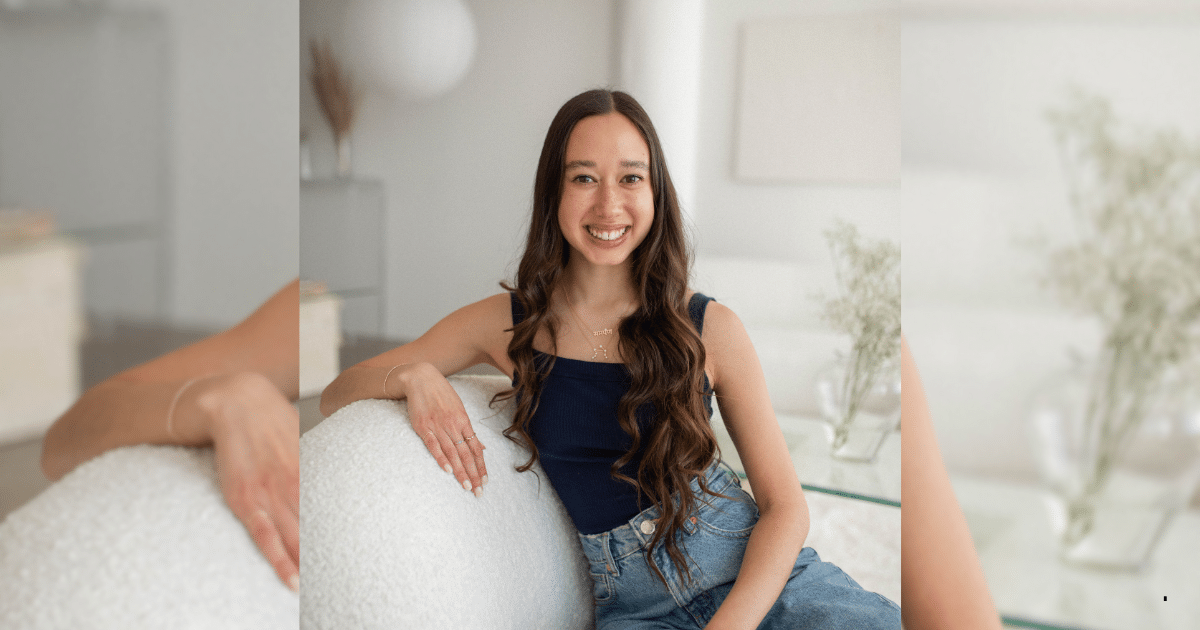
Kirsten McNeill did not set out to build a talent agency, but after nearly a decade working across public relations and creator management spanning fashion, lifestyle, and gaming, she saw a structural gap emerging in the creator economy – particularly within wellness and lifestyle categories. That observation led her to found Kindly Collective Agency in April 2023, a boutique management firm built around close relationships with creators, selective growth, and what Kirsten describes as a “high-trust” approach to brand partnerships.
Based in Los Angeles and operating as a fully remote company, Kindly Collective manages a roster of 18 creators, primarily in wellness and lifestyle, with a deliberate emphasis on inclusivity and long-term brand alignment. Kirsten serves as founder and lead talent manager, supported by a full-time senior coordinator. Together, they handle every stage of creator representation, from inbound and outbound negotiations to contracts, compliance, invoicing, and campaign execution.
“Our industry can be very transactional,” Kirsten says. “I really wanted to create an environment where working with us feels positive, respectful, and human, without compromising on professionalism or standards.”
From Public Relations to Creator Representation
Kirsten’s path into the creator economy began on the brand side. Raised in Toronto, she spent the first eight years of her career in public relations, working with fashion and lifestyle brands as influencer marketing began to displace traditional media outreach. Hosting events and managing influencer campaigns gave her early exposure to creators’ frustrations with how brand deals were structured.
“A lot of influencers I worked with started saying, ‘You understand the brand side, but you also understand us,’” she recalls. “They asked if I’d ever consider managing talent.”
At the time, Kirsten declined. That changed when she moved to Los Angeles and took a role managing Pokimane, one of the largest female esports creators in the world. Managing a creator with more than six million followers immersed her in the mechanics of large-scale brand partnerships, contracts, and long-term deal structures, even though gaming was far outside her personal interests.
“I was really thrown into the back end of how everything works,” she says. “Big brands, complex deals, fast timelines.”
After leaving that role, Kirsten joined another agency focused on health, wellness, and lifestyle creators. While the category aligned more closely with her interests, the experience proved formative for different reasons.
“It was a toxic environment,” she says. “I loved my creators, but my mental health was suffering. I knew I couldn’t keep working like that.”
Building Kindly Collective Organically
When Kirsten left that agency, she had no formal plan to start a business. She did, however, have relationships. Several creators she managed wanted to continue working with her independently, encouraging her to set up her own operation.
“I started my LLC [Limited Liability Company] and signed two creators, who were referrals from my previous talent,” she says. “Then word of mouth spread. I never went out looking for talent. Every creator came to me.”
She highlights organic growth as a central component of Kindly Collective’s identity. Nearly three years in, the agency has maintained a curated roster, allowing Kirsten and her team to function as an extension of each creator’s brand rather than a transactional intermediary.
“We’re texting, voice-noting, emailing all day,” she says. “We’re not just booking deals. We’re building personal brands.”
A Boutique Agency in a High-Trust Category
Kindly Collective operates exclusively as a talent management agency, handling both inbound brand inquiries and outbound pitching. Kirsten describes the work as end-to-end: negotiations, legal review, accounting, invoicing, and campaign execution all sitting under one roof.
The agency’s focus on wellness and lifestyle places it squarely within what Kirsten calls a “high-trust category,” where creators’ recommendations can directly influence audience behavior.
“When someone is talking about supplements, routines, or health habits, that’s different from fashion or home décor,” she says. “The audience is trusting you with something personal.”
As a result, creators represented by Kindly Collective often insist on trying products for weeks before endorsing them, reviewing ingredient lists, and limiting how brands can reuse or edit their content.
“We pay very close attention to usage rights,” Kirsten says. “If a brand can cut up a testimonial and place it in a different context, that can become a liability.”
The agency typically redlines brand-provided contracts and maintains its own legal templates for situations where brands lack formal agreements.
Inclusivity as a Business Lens
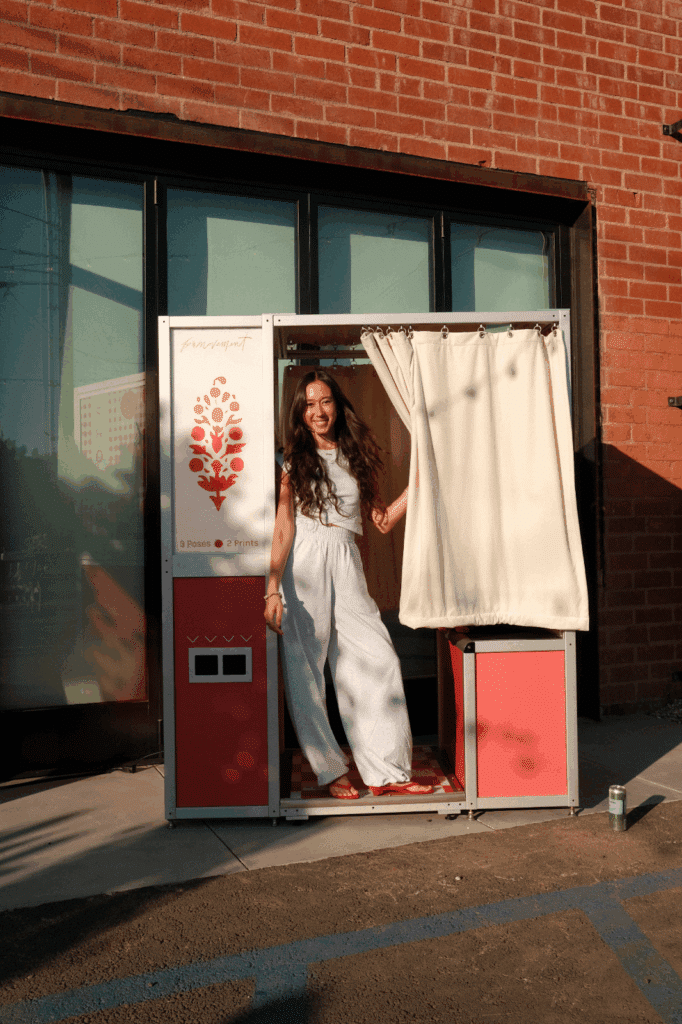
While wellness and lifestyle form the agency’s category focus, inclusivity shapes its roster. Of Kindly Collective’s 18 creators, 11 are women of color, which is a ratio Kirsten says is intentional.
“I came from an agency where maybe one out of 50 creators looked like me,” she says. “I wanted to elevate voices that are underrepresented, but deeply connected to their communities.”
Kirsten argues that representation is not only an ethical consideration, but also a strategic one. In her view, creators from underrepresented backgrounds often bring different cultural contexts and credibility to brand partnerships and value that is not always captured by follower counts alone.
“I can articulate the value they bring beyond just numbers,” she says. “It’s about voice, perspective, and trust.”
Managing Relationships, Not Just Deals
Instead of building around standardized processes, Kindly Collective adapts its management style to individual creators. Some prefer monthly strategy calls; others operate asynchronously with minimal formal meetings. The common denominator, Kirsten says, is alignment.
“I’m looking for creators who want this to be a team effort,” she explains. “Not someone who just wants to hand things off.”
That collaboration extends to brand outreach, with creators often supporting pitches through organic posting or product use before formal deals are in place. Kirsten believes this makes partnerships more credible and more likely to convert into repeat business.
“We’re seeing brands come back month after month,” she says. “That’s when you know trust is being built on both sides.”
Where Brands Still Get It Wrong
Despite progress in the influencer marketing ecosystem, Kirsten says brands continue to make avoidable mistakes, particularly in wellness.
“The biggest one is over-scripted content,” she points out. “If it sounds like an ad, it won’t resonate.”
She also points to misaligned timelines and inconsistent accountability, where creators are held to strict deadlines while brands miss approvals or ship incorrect products without consequence.
“That imbalance wears creators down,” she says. “Over time, they decide it’s just not worth it.”
Regulatory compliance remains another friction point. Kirsten recounts instances in which brands resisted FTC (Federal Trade Commission) disclosure requirements, prompting her team to push back.
“If a creator gets flagged, it’s their name on the line,” she says. “We won’t move forward without proper disclosures.”
Growth Without Dilution
As Kindly Collective enters its third year, Kirsten is beginning to shift from purely inbound growth to selective outbound recruitment. The goal is not scale for its own sake, but alignment.
“I want to go after talent we genuinely believe in,” she says. “Creators whose values match ours.”
Future plans include expanding the team to support that growth, while maintaining the close relationships that define the agency’s model. Kirsten sees boutique and in-house management structures becoming more common in high-trust categories, where creators want representation that deeply understands their voice and responsibilities.
Leading With Care
Running Kindly Collective has reshaped Kirsten’s understanding of leadership. She describes her relationship with her senior coordinator as collaborative and personal, as well as a departure from the agency cultures she left behind.
“I learned a lot about what I didn’t want to do,” she says. “Creating a pleasant work environment isn’t a perk. It’s foundational.”
Moving forward, Kirsten’s priorities remain consistent: protect creator trust, elevate underrepresented voices, and build partnerships designed to last.
“In high-trust categories, you can’t cut corners,” she says. “You have to do the work on the back end so creators can show up authentically on the front end.”
Photo source: Kindly Collective Agency
Checkout Our Latest Podcast