


Technology
Faved’s Media-Buying Play For Creator Brand Deals

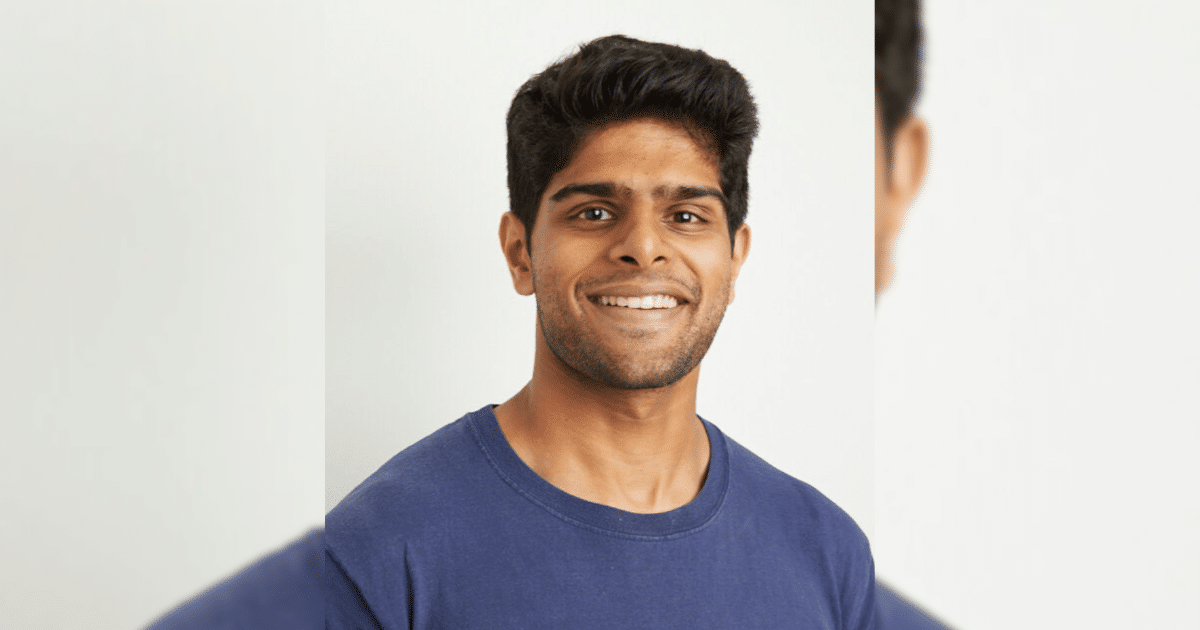
Stephen Titus is the co-founder of Faved, a London-based media buying platform built to connect vetted creators and vetted brands for flat-fee sponsorships at speed. Launched in 2021, Faved positions itself less as a self-serve marketplace and more as a curated inventory and booking layer for influencer media, offering brands real creator rates, instant outreach, and execution tools while giving creators a steadier pipeline of paid deals, faster payment, and fewer administrative headaches.
“We call ourselves a platform and we think of it very much from the media buying perspective,” Stephen says.
What’s new here: transparent, creator-set pricing and a vet-both-sides model designed to reduce wasted time and transactional mis-matches that erode performance. “On Faved, you’re seeing the rate that the creator has listed or their talent manager has listed,” Stephen says. One click sends a live offer; most campaigns move from offer to signing in “about two days.”
The problem Faved aims to solve: brand teams want scale without losing fit; creators want steady, fairly paid work without becoming “ad machines.” In Stephen’s view, the industry still forces both sides into cold outreach, pricing guesswork, slow contracting, and late payments, particularly punishing for mid-tier creators.
“‘Affiliates are a very complicated system to monetize. Brand deals are how I make money, and I don’t get brand deals easily,’” he recalls hearing from creators when Faved began.
Why Stephen chose this problem: after early experiments (including a Kickstarter “death watch” productivity wearable), he and his co-founder, Thushaan Rajaratnam, wanted to build in the world they live in daily: online content. “If you find the right people online, you can get in front of your target customers without going on TV,” he says. This lesson led them from affiliates to the “harder, messier” work of actually brokering paid sponsorships at scale.
Faved reports having “over 25,000 creators,” adding “close to a thousand creators every week,” and working with “about 300 brands,” aided by rate transparency, tight vetting, fast contracting, and simplified payments.
What Faved Actually Does (and Doesn’t)
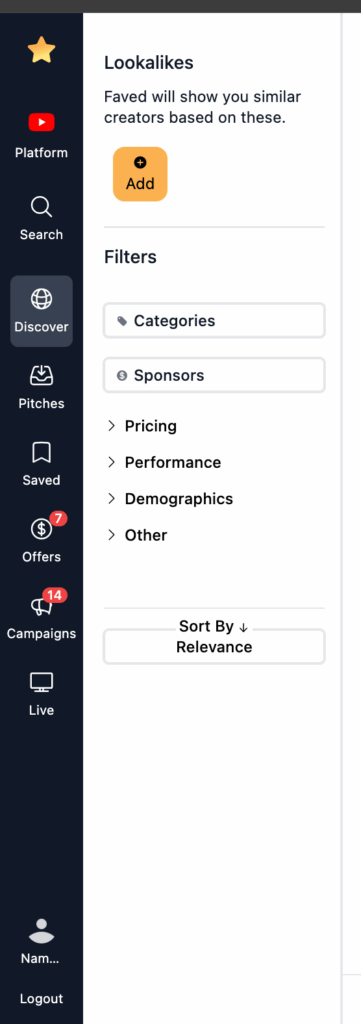
Faved combines a curated pool of creators with the pragmatic tooling brand teams need: search by highly specific niches (think knitting or UK-company-to-U.S.-company tutorials), see creator-posted prices, push one-click offers, manage scripts and approvals, and handle payments and reporting in one place.
“You can book 100 creators on Faved in 10 minutes,” Stephen says of the send-offer workflow. The goal is fewer emails, fewer ghosted messages, and more campaigns moving.

Vetting cuts both ways. “We’re not a platform for gifting brands or affiliate brands,” he says. Brands must be “serious paid spending” partners; creators are evaluated for responsiveness, punctuality, and flexibility. The idea is to protect time (the scarcest resource on both sides, according to Stephen) and preserve organic audience fit, which transactional deals tend to erode.
Rate opacity is one of influencer marketing’s oldest frictions. Stephen argues Faved’s biggest unlock is simply showing the real number.
“This is the piece that’s missing from every other platform,” he says. “You’re seeing the rate that the creator has listed, then one button, ‘make offer.’” Contracts are one to two pages; creators are paid 30 days after posting (often “22-25 days”). Compared with net-60 or net-90 norms – and the follow-up slog many creators know too well – Stephen believes that’s a relief.
Who It’s For (and What It Costs)
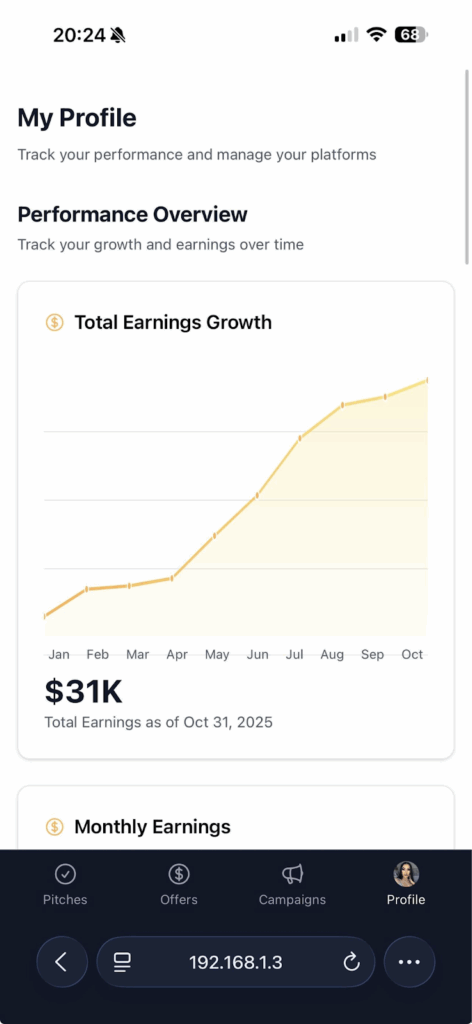
Most creators on Faved sit between “50,000” and “20 million” followers. Average spend per post hovers “close to $1,000,” with outliers from “$300” to “$80,000” depending on scope and channel.
Faved leans category-agnostic, but sees steady demand in education, gaming, lifestyle, and increasingly B2B (Business to Business) tools (email, AI, finance, accounting, site builders). “There has been this Cambrian explosion of brands in the last year and a half,” in B2B, Stephen notes.
Renewals are a key health indicator. “About 20% of monthly transactions are renewals,” he adds.
Speed + Depth: How Brands Actually Use It
Faved’s core brand promise boils down to speed and depth. “We have over 25,000 creators, so you get two things. You get speed and depth of creators,” Stephen says. “Search tight niches, filter by price and audience, and see who competitors repeatedly sponsor.”
An example he offers: “If you’re in telehealth, you might look at creators BetterHelp used ‘four times or more’ recently, a signal the audience converts for that category.”
One-to-many execution is the second half. Teams of “two or three people” can move a program that “otherwise would have taken a 30-person team,” Stephen says, because outreach, negotiating, contracting, content review, usage terms, and payments sit in one workflow.
The Creator Side: Fewer Headaches, More Runway
For creators, the selling points are focus and predictability. “I think the one that warms our heart the most is, ‘This was my first brand deal. I didn’t think it would be this easy,’” Stephen says.
Others tell the team Faved now powers “50 to 60%” of their monthly sponsorship inventory across multiple months. Simpler contracts and reliable payment windows lower the cognitive load: “You’re a creator, you’re not a lawyer,” Stephen emphasizes.
Faved also plans to match creators to non-obvious sponsors by letting them submit upcoming video topics and life milestones. Stephen points to a travel creator who secured a business-category sponsor after sharing that they run a tours/merch side-business – the kind of signal a brand’s usual category search might miss.
A Creator-Centric Paid-Media Flywheel
Stephen estimates “in the order of 100,000” creators today make a full-time living from content. He thinks that number should be 10 million or even higher, and sees the path running through two shifts: more brand budgets flowing from traditional channels into creator programs, and a step-change in paid usage layered on top of organic creator content.
On platform roadmaps, he’s watching YouTube’s dynamic ad insertion for branded segments and Meta’s push around partnership ads.
“This is YouTube’s way of saying, ‘Put paid media behind brand deals,” he says. Both to grow advertiser dollars and, he argues, to counter a flood of low-quality, AI-generated ads that frustrate viewers.
The future he sees: human creator content as the spine of ads, amplified with paid spend.
Performance, Not Promises
Every marketer wants an influencer vending machine: $1 in, $1.20 out, according to Stephen. However, he points out that influencer marketing isn’t there, and that over-promising burns brands.
He believes that the first “$50k test” is pivotal; set expectations wrong and “you can lose that brand forever from this industry.” Faved’s approach is to be “greedy for the long term”: take lower margins if needed, prioritize fit over volume, and treat early flights as directional learning rather than instant CAC miracles.
Even so, Stephen believes signal quality is improving. Looking across repeat sponsorships, prior paid performance, and niche-audience depth, Faved aims for a portfolio hit-rate that compounds over time. “We’re getting to a point where if you pick 10, you will get a 30-40% hit rate,” he says.
Stephen cites long-running YouTube spender Skillshare as a bellwether client, with “over 300 campaigns” run through Faved. Evidence, he argues, that deep niche coverage and quick booking can still unlock scale, even for seasoned buyers. He also points to a Liquid I.V. activation with creator Anatoly via agency Right Click as an example of leaning into a distinctive creator voice without three-minute product preaching.
What’s Next?
Product-wise, Faved’s roadmap centers on three loops: keep creators happy with steady, fast-paying deal flow (so they refer peers), widen brand liquidity across YouTube/Instagram/TikTok categories (so budgets expand), and keep simplifying the workflow so small teams can run programs that once required headcount.
“A lot of people are being made to do unnecessary, wasted work,” Stephen says.
Longer term, he wants Faved to feel like a real on-ramp – a place where a graduating student or a mid-career creator can confidently choose content as a career, and where a 10-person startup can credibly compete for attention without a 30-person marketing department.
Or, as he puts it: “We want any brand in the world to feel that as long as they have product market fit, they can find voices who will amplify what they’re doing. Our goal is to bring down the barrier to this creator marketing channel.”
Subscribe to Our Newsletter
Check Out Our Podcast