“Backrooms” and “Obsession” gave the Creator Economy a different kind of signal this past weekend. The two low-budget horror films finished first and second at the domestic box office, ahead of Disney and Lucasfilm’s “The Mandalorian and Grogu,” a Star Wars release with a reported budget of about $165 million.
“Backrooms” also delivered A24’s highest opening weekend to date, while “Obsession” rose in its third weekend despite a production budget of less than $1 million. The results point to a creator-to-cinema model that does not fit neatly into the familiar playbook of sponsorships, personal followings, and platform-native monetization.
“Backrooms” grew out of Kane Parsons’ YouTube-born internet series, while “Obsession” extended Curry Barker’s online horror and sketch-comedy background into a studio-backed theatrical release. Both point to a version of creator-led entertainment in which the asset is not the creator’s personality alone but a world, concept, or storytelling system that can extend beyond the feed.
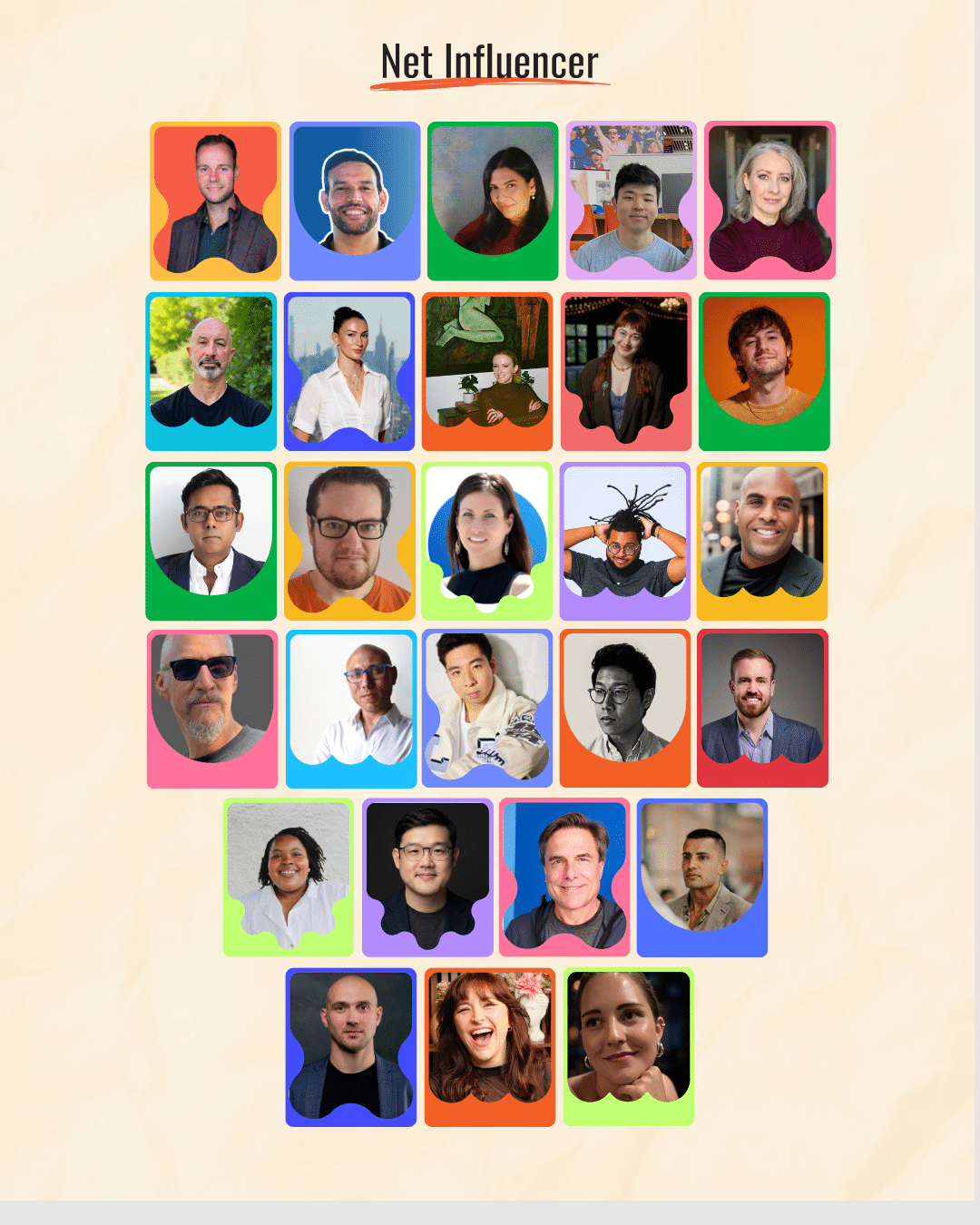
In this roundtable, 27 professionals examine what the Creator Economy should take from that shift, and what the industry risks misunderstanding if it treats creator cinema as another extension of Influencer Marketing.
The lesson isn’t that creators can make movies now. It’s that ownable worlds beat personal brands at scale, every time. Backrooms and Obsession won because Kane Parsons and Curry Barker spent years building lore, characters, and a universe that didn’t depend on them showing up on camera. The IP could travel. A Star Wars film with a $165M budget lost to a $10M one because one had a world worth caring about and the other had a franchise running on fumes.
The one thing the Creator Economy should take from this: stop optimizing for personal reach and start building IP architecture. Characters, worlds, formats, lore. Things that can be licensed, adapted, sequelized, and sold without the founder in the frame.
What we’re most at risk of getting wrong: reading this as “every creator should make a movie.” That’s the format trap. The actual lesson is that ownable worlds compound while personal brands plateau. Cinema is just the most visible proof point. The same logic applies to games, books, animation, and franchises across every medium.
Distribution is rented. IP is owned. Backrooms and Obsession are what that thesis looks like at the box office.
Many takes will circle around “creators have arrived,” and “Hollywood must take creators seriously,” but it’s not the structural takeaway making this possible:
Ownership transformed into leverage. Kane Parsons kept the director’s chair and Backrooms IP. Curry Barker wrote, directed, and edited Obsession, building on an $800 YouTube short film he already owned. Markiplier self-financed and self-distributed Iron Lung, which he wrote, directed, produced, and starred in. Chris Stuckmann crowdfunded Shelby Oaks before studio involvement.
The pattern isn’t “creators became legitimate cinema,” these creators owned something critical before Hollywood came knocking: Infrastructure, IP, financing, distribution, or a direct audience relationship that couldn’t be replicated or denied.
Ownership didn’t just give them a foot in the door, it flipped the script (pun intended) by making Hollywood knock on their door instead, giving them the leverage to dictate terms rather than take whatever worse deal they’d otherwise be offered.
The risk is the Creator Economy learning the wrong lessons: seeking validation from Hollywood and trying to become more like it. It shouldn’t aspire to become like an industry and business model imploding in real time. It should learn from Hollywood to create something new, authentic, and sustainable that audiences are hungry for.
Neither of these movies happened because of personal brand or a sponsorship pipeline. They happened because of talent.
When I signed Danny and Michael Phillipou (Racka Racka), they had 100k subscribers gained in their first week, because what they were making was so far ahead of everything else on the platform. They became the first YouTubers A24 ever signed and what you saw at the box office this weekend is that model now fully arrived. Every brand deal dollar they made went back into the work. When I asked them why, the answer was simple: they just wanted to get better at making films. Eight years of that is what got them to Hollywood.
The lesson for the Creator Economy is that social media can be the rehearsal room, with brand deals as the budget. Hollywood is what happens when you’re good enough.
The risk is that creators try to copy the style rather than develop the obsession. Racka Racka had copycats, but none of those made it because eight years of originality can’t be replicated.
Everyone will read this as “original IP beats franchises.” Wrong lesson.
The asset was never the creator. It was the world. Kane Parsons didn’t win on his follower count. He won because he built a place people wanted to live inside, and it kept paying off long after he stopped being the only one in it.
So take this: stop chasing reach. Start working with creators who already carry a world people defend.
That’s why a creator like an athlete is worth more than an influencer with no substance with ten times the followers. The influencer rents you attention. The athlete brings the team, the rivalry, the student section, the whole town that already shows up every Saturday. You’re not buying a post. You’re plugging into something people already identify with.
Here’s what we’ll get wrong. Brands will decide they should become studios and build their own IP, and most will spend a fortune on worlds nobody shows up to. Backrooms had the two things money can’t buy. A community that already cared, and an operator who knew how to scale it.
You can’t manufacture obsession. You can only plug into it.
Audiences will invest deeply in a world before they’ll invest in a person. Backrooms and Obsession didn’t win because of follower counts or brand deals. They won because they built something people wanted to live inside. The Creator Economy has spent the last decade optimizing for reach and monetization speed, and those incentives push Creators toward personal brand over world-building. The risk is that we confuse the two. A personal brand is a distribution channel. An ownable world is an asset. What we’re most at risk of getting wrong is looking at those box office numbers and concluding the lesson is “go indie.” The real lesson is “go deep.” Depth of lore, depth of mythology, depth of internal consistency. The Creators who will have durable careers aren’t the ones with the best sponsorship pipelines. They’re the ones building something a fan can fall into.
The success of these films should prompt every creator to ask harder questions than “How do I build a world?” The real question is, “What is my financial identity?” Am I a content producer who gets paid per piece or an IP owner who participates in upside across formats, licensing, merchandise, and sequels for years?
Backrooms and Obsession are a reminder that a creator’s audience is already there. The risk is that the Creator Economy takes a creative lesson from this weekend, when the real opportunity is financial.
Creators and agencies should focus on world-building, storytelling, and character development, and this weekend’s box office made the case better than any trend report could. The Creator Economy has become overly reliant on the celebrity status of select influencers, placing too much emphasis on brand rather than story. As we witness the return of narrative content, seen in Balenciaga’s recent NYC content, the Roomies series produced by Bilt, and Jacquemus’s Valérie Bag campaign, it’s become increasingly apparent that audiences are eager for stories that feel less like product promotion and more like entertainment.
Backrooms utilized an existing world and lore that originated on 4chan in 2003, capitalizing on an existing audience. Obsession had no existing frame of reference, but built compelling characters using familiar tropes, portrayed in a new light. Both films had young directors who brought a fresh perspective to the genre. These two very different approaches brought one shared result: audiences show up when the creative commitment is real.
In a landscape inundated with constant content, viewers want to be entertained and engaged in new worlds. They want newness. Rather than recycling trends or plotlines like Star Wars, people are craving something bold, new, and unexpected. The creators and brands that figure this out first won’t just make better content, they’ll see it in their numbers.
Creators have evolved from being brands into becoming IPs. Brands signal trust, recognition, or expertise. IPs create worlds people want to spend time in, with recurring characters and ongoing storylines audiences become emotionally invested in.
Creators like Kane Parsons have built entire universes that extend far beyond a single piece of content. People aren’t invested in just one Backrooms video, they’re invested in the larger world he’s built around it. Others have built worlds around a niche subject, like Ally Fisher’s unrequited love with her bodega man, while creators like Alix Earle have turned friends and family into recurring personalities that audiences actively follow.
The opportunity for brands is to enter those worlds, not pull creators into their own. The best partnerships happen when a brand shows up as a natural extension of a creator’s world rather than interrupting it. This results in content feeling more entertaining, more authentic, and more likely to stand out in a feed full of sponsorships. It’s now less about who has the right audience and more about whether a brand has a natural role to play in a world people are already invested in.
There’s a lot for both Hollywood and the Creator Economy to learn from the YouTube-to-silver-screen pipeline. Gen Z has often been labeled as difficult to bring into theaters, but they consistently show up for creators and stories they feel invested in. The success of Backrooms and Obsession reinforces that when creators have ownership of their narrative and build worlds that audiences want to participate in, loyalty, attention, and ultimately revenue tend to follow.
What’s especially interesting is that both projects sit within the horror genre, which naturally fuels online discussion, fan theories, and a sense of collective discovery. They weren’t just movies; they were cultural conversations that audiences wanted to be part of.
The biggest lesson for the Creator Economy is that audience size alone is not the moat. World-building is. We risk getting it wrong if we assume every creator with a large following can successfully make the leap into entertainment. The real differentiator isn’t reach, sponsorships, or personal branding, it’s the ability to create stories, characters, and communities that people care about beyond the creator themselves.
With my background being in film production, let’s get one thing crystal clear – you have to tell a great story and make a great movie. There have been a litany of creator-led movies who have done poorly, due to one reason or another. But both Obsession and Backrooms seem to be fantastically told stories. I’m not discounting the creators, that’s a credit to them because it’s hard to make a great movie.
With that said, the commonality here is they were able to prove their skillsets and build a portfolio online which only made the “yes” from the financiers come that much easier. Curry Barker and Cooper Tomlinson making Milk & Serial for $800 only made the ask for 750K that much easier. Kane making dozens of Backrooms shorts makes the movie extension that much easier.
Studios don’t need to do the, “oh, we just need to fund more creator movies.” Wrong. You’ll fund lots of bad ones if that’s your takeaway. Find the creators who have demonstrated consistently great work or work that improved over the years. Their audience is actually just a bonus because their audience alone won’t make a movie increase 30% and then 10% on the following weekends the way Obsession has. A fantastic movie did that.
Find talented creators online and give them chances.
The fact that Backrooms and Obsession just outperformed a $165 million Star Wars film proves that a creator’s ultimate leverage isn’t a massive following, it’s ownable lore. Audiences didn’t just show up to support a favorite internet personality; they bought into unique, complex storytelling that expands independently across screens and communities.
The single biggest takeaway for the Creator Economy is that the most valuable creator businesses eventually become bigger than the creators themselves. A decentralized, community-driven universe has far more staying power than the brand-deal pipeline. The creator remains the trust engine, but their ultimate superpower is converting that personal trust into institutional intellectual property that fans can actively participate in.
The danger is that the industry assumes every influencer needs to become a Hollywood director. Obsession proves that you don’t need a legacy studio budget to win; you just need a sticky concept. If creators try to replicate that formula exactly the same way, they will lose the agility and intimate community connection that made them successful. The future is creators using audience leverage to build ownable IP that outlasts them.
Creators should be thinking much more seriously about owning their IP; building something that can live beyond one post, one platform, or one sponsorship campaign.
It’s uncomfortable to say, but YouTube, Instagram, TikTok, any platform, could theoretically change overnight. You do not truly own the audience you’re building there; you rent access to it. People may follow you elsewhere, but you could still lose your biggest income stream instantly.
The issue with that is that the IP can become the primary focus. The reality is you need both the IP and the very thing that made you successful in the first place.
The Creator Economy works because of familiarity, trust, and a direct relationship with your audience. If you focus solely on the IP and abandon what made you who you are, people won’t care. You risk building something that’s ownable but emotionally empty.
Combine both; keep your connection, keep your voice, and keep your authenticity (the same one that allowed you to build your audience). Channel that into something you’re passionate about that has legs beyond social media.
Lore. A word I have never used when talking about the Creator Economy or Influencer Marketing. Until this weekend, when my 14-year-old explained the backstory of Backrooms, something I knew absolutely nothing about. What struck me wasn’t just the content. It was how deeply invested an entire generation was in a world, a mythology, and a shared set of references that existed largely outside the channels where most marketers spend their time.
Backrooms and Obsession didn’t win because of celebrity. They won because people cared about the story before they cared about the creator. I think the lesson for the Creator Economy is that audiences increasingly follow worlds, not just individuals. Lore is fascinating to me – the accumulated result of participation, community, inside jokes, theories, and years of audience investment. The next generation may not consume information and entertainment where we expect. But they still crave the same thing humans always have: A story worth belonging to.
The biggest lesson for the Creator Economy is that audiences ultimately connect with worlds, stories and ideas more than with personal brands. Backrooms and Obsession succeeded because they gave people something to discuss, theorize about and share with others.
But we shouldn’t assume the takeaway is simply “hire more creators.” These films didn’t succeed because they were made by YouTubers, but because their creators spent years building worlds, learning what audiences genuinely cared about, and refining ideas people wanted to immerse themselves in.
What stands out to me is that both projects feel like the product of obsession, not optimization. In a world increasingly shaped by algorithms and content engineered for engagement, audiences still gravitate toward vision. Success stories like these could open doors for creators from diverse backgrounds who have spent years building rich lore, original concepts and passionate communities outside traditional Hollywood channels.
AI-assisted production tools and platform-native creator ecosystems have dramatically lowered the barrier between independent creators and traditional studios. The playing field is no longer separated by access alone, but by who can build the strongest emotional connection and most immersive IP. What Backrooms and Obsession prove is that audiences are increasingly gravitating toward creator-built worlds, serialized storytelling, and community-driven experiences rather than traditional top-down entertainment models.
Creators are no longer just building audiences. They’re building worlds audiences emotionally live inside. Short-form content, live streaming, and micro dramas now allow creators to test characters, narratives, and audience behavior in real time while simultaneously building loyal communities around the IP itself. We’re already seeing creators use short-form storytelling, live ecosystems, AI-assisted production, and community feedback loops to develop and refine IP in real time.
The biggest risk is creators misunderstanding what actually makes sustainable IP work. Cinematic visuals and viral moments alone are not enough. Audiences may show up for spectacle, but they stay for emotional continuity, community connection, and meaningful storytelling. The creators who will win in this next era are the ones who understand that modern entertainment is no longer just about content creation. It’s about building ecosystems where story, audience, and community evolve together over time.
What I found interesting was that all three came from episodic roots, M&G from Disney+ and both creators from serials and sketch comedy. M&G has been criticized for its episodic roots and taking it to the big screen, where both Obsession and Backrooms are being applauded for their expansion into a new medium (theatrical).
What it truly shows is that great ideas transcend the medium in which they were born. Backrooms and Obsession aren’t new tropes in storytelling, but what they are, is really well told, with very little budget or scope (again – great ideas transcend their medium – or budgets). Kudos to these amazing creators for stepping out of their comfort zones to make amazing films.
When a brand suggests that because Apple or Nike did something at their peak, that “they” should do the same thing and expect the same success. Same goes with creators/influencers – just because someone else has now done something, doesn’t mean everyone should. Again – great ideas are what win the day. Don’t jump blindly in, make sure you have a great idea, test the idea on a smaller medium, and let the next step present itself (continue, or maybe start over. Be open).
The main takeaway for the Creator Economy is that projects like these are not only possible, they can also make strong financial sense, especially when compared to the massive budgets attached to many traditional Hollywood productions today. Both films were produced on relatively reasonable budgets and reached profitability quickly, without the burden of the bloated marketing spend that often accompanies studio releases. They also reinforce the value of a built-in audience and the trust creators can cultivate over time.
The biggest risk is assuming this model can be replicated by everyone. Success still requires a specific type of creator: someone with a highly engaged audience, long-term credibility, and a world or story that fans genuinely care about. Not every creator has that foundation, and a viral following alone is not enough. The average TikTok creator who is popular for a moment is unlikely to become the next Scorsese or Spielberg.
Backrooms and Obsession worked because they were built on worlds, lore, music, tone, and community, not just personal brand. That is the shift the Creator Economy needs to understand. The next frontier is not creators attaching their name to movies. It is creators building stories and worlds that can stand on their own.
We are already seeing this at REACH Talent. One of our managed creators, Jayo, had two songs in Obsession, which is a strong example of how creators are moving across entertainment more fluidly: music, film, fandom, and culture are starting to collapse into one ecosystem.
The risk is that the Creator Economy treats film like another sponsorship format. A movie cannot just be a bigger branded post or a vanity extension of someone’s following. It needs stakes, characters, mythology, and emotional durability.
Creators have a real advantage because they understand attention at an instinctive level. As a creator, livestreaming taught me that if you lose tension for even a minute, people leave. The winners will be creators who turn that attention instinct into ownable worlds.
People want stories with a compelling premise. Backrooms and Obsession are both built on questions that many of us have wondered about – what’s really in those back rooms, and what if someone we had a crush on were obsessed with us too? Those ideas feel instantly relatable.
We saw something similar in our recent work, smartwater cerulean, a collaboration with The Devil Wears Prada 2. The experience was rooted in one compelling question: Do you have discerning taste?
Starting from a single compelling premise helped us build a world people wanted to be a part of. The lesson for the Creator Economy is that audiences are drawn to ideas they can immediately understand and step into. And it seems all the special effects and big movie budgets of Hollywood will never outperform that.
Backrooms and Obsession show how quickly things take off when people don’t just watch a story, but feel like they’re inside it, part of a shared world or community they can participate in.
Today, virality isn’t just about grabbing attention in the moment. It’s about whether that spark can turn into something people keep returning to, building on and talking about over time.
This is where creators come in, and why we have a relentless focus at Later on deepening relationships between brands and creators. Creators build trust and connect with their audiences on a personal level by sharing experiences that feel more relatable. The risk is trying too hard to predict exactly what will land in order to create that viral moment, which may come across as inauthentic compared to making organic content based on interest or reactions to the movies. Ultimately, this should be a risk every creator is willing to take. What matters most is giving audiences something they genuinely care about and want to be a part of.
The success of these films shows how the idea of a creator’s career is shifting. Creators are at a peak, and many are thinking less about the next one-off brand deal and more about building a portfolio career. This is a clear signal that the portfolio can extend off-platform: into entertainment, and eventually other industries. It’s why we push clients to build lasting creator relationships rather than betting on single partnerships.
The thing we’re most at risk of getting wrong is staying shortsighted about where those partnerships can go. Creators are already crafting stories, building worlds, and drawing thousands of people into their work every day. Those are the same skills newsrooms, edit bays, and production suites run on. Treating a creator as a one-time campaign line misses what they’re actually becoming. The brands that win will be the ones who see creators as long-term partners, not a quick reach play.
The Creator Economy should recognize that the most successful creators aren’t simply content producers, they’re creative entrepreneurs building intellectual property, communities and businesses on their own terms. What makes this moment so exciting is that creators now have the tools to develop ideas, refine their craft and build audiences without relying on traditional gatekeepers in Hollywood or media. What we’re most at risk of getting wrong is viewing creators solely as a marketing channel. Brands and platforms often focus on creators to reach younger audiences, but that misses the bigger opportunity. Creator platforms are becoming incubators for original ideas and cultural influence. The creators who endure are not just promoting products, they’re building worlds, developing a distinct voice and earning trust over time. The industry’s biggest mistake would be underestimating creators as artists and founders.
With the success of Backrooms, Obsession and Markiplier’s Iron Lung, I can just see the traditional movie moguls yelling into their phones, “GET ME A YOUTUBER NOW”.
But each of those three movies had three very different paths to success. Markiplier did it himself, relying on his 32M fans rather than an expensive marketing campaign. Obsession’s creator took his existing IP, made a movie for under a million and partnered with traditional distribution and development. Backrooms started as a cursed image on 4chan in 2019, became a creepypasta phenomenon, and got turned into a YouTube series by a 16-year-old Kane Parsons before A24 acquired the rights. Big stars were cast, and the YouTube creator directed the film.
Just as every fandom is different, every YouTube to Big Screen story will be different. But I worry that traditional movie producers will just see them all as the same.
Backrooms and Obsession beating a $165M Star Wars release says a lot. Nobody greenlit those films expecting that. They won because the audience was already there – built over time, not bought. That’s the thing the Creator Economy keeps getting backwards. Everyone’s optimizing for reach and brand deals before they’ve actually built anything worth following. The risk isn’t that creators won’t find sponsors. It’s that they’ll build audiences with no real loyalty underneath. Go deep on something ownable. The rest figures itself out.
What the Creator Economy should take: Prioritize deep lore, world-building, and authentic storytelling over personal brands or IP extensions. Backrooms and Obsession’s success proves audiences are hungry for compelling new worlds and well-structured stories, not just familiar faces, studios, or franchises. The “what” matters more than the “who.”
What they’re most at risk of getting wrong: Assuming it’s easily repeatable. These films are pioneers that set a precedent – you can’t just “cut the same deal” or quickly spin up a franchise machine. Rushing shallow copies without genuine audience connection and depth will fail.
Stick to truth, craft, and obsession with the idea itself. Name recognition no longer guarantees quality or attention.
The lesson is that audience behavior has become one of the most valuable assets in entertainment.
Backrooms and Obsession arrived in theaters with years of accumulated audience investment behind them. People already knew the language, the references, the world, the emotional stakes, or the people creating it.
Creators have spent years building expertise around attention, distribution, and audience growth. Now there is a growing opportunity to create stories, characters, worlds, and experiences that people want to engage with long after the content is over.
The biggest risk is reducing these successes to a formula. One project may start with a creator. Another may start with a fandom. Another may start with a fictional universe. What matters is the ability to create participation, conversation, emotional investment and cultural relevance over time.
The key takeaway from these experiences is the power of building a cohesive universe around what generates affinity, conversation, and cultural relevance.
In an environment where content creators multiply every day, the only true differentiator is their ability to bring depth, context, and a unique perspective to what they share. That is where real value is created: in learning to identify and amplify authentic voices, distinguishing what is genuinely authorial from what simply follows generic formulas.
The risk, however, lies in falling into the illusion that a successful social media narrative can naturally translate into any other format. The language of social media and the language of cinema are fundamentally different, and it is precisely in that translation where the magic can be lost.
This is where specialists play a critical role: transforming a voice, a community, and a fictional universe into a proposition capable of transcending formats without losing its essence.
Cecilia Carloni, Interview Manager at Influence Weekly and writer for NetInfluencer. Coming from beautiful Argentina, Ceci has spent years chatting with big names in the influencer world, making friends and learning insider info along the way. When she’s not deep in interviews or writing, she's enjoying life with her two daughters. Ceci’s stories give a peek behind the curtain of influencer life, sharing the real and interesting tales from her many conversations with movers and shakers in the space.















“Backrooms” and “Obsession” gave the Creator Economy a different kind of signal this past weekend. The two low-budget horror films finished first and second at the domestic box office, ahead of Disney and Lucasfilm’s “The Mandalorian and Grogu,” a Star Wars release with a reported budget of about $165 million.
“Backrooms” also delivered A24’s highest opening weekend to date, while “Obsession” rose in its third weekend despite a production budget of less than $1 million. The results point to a creator-to-cinema model that does not fit neatly into the familiar playbook of sponsorships, personal followings, and platform-native monetization.
“Backrooms” grew out of Kane Parsons’ YouTube-born internet series, while “Obsession” extended Curry Barker’s online horror and sketch-comedy background into a studio-backed theatrical release. Both point to a version of creator-led entertainment in which the asset is not the creator’s personality alone but a world, concept, or storytelling system that can extend beyond the feed.
In this roundtable, 27 professionals examine what the Creator Economy should take from that shift, and what the industry risks misunderstanding if it treats creator cinema as another extension of Influencer Marketing.
Tobias Hoss, Senior Advisor, TopFan
The lesson isn’t that creators can make movies now. It’s that ownable worlds beat personal brands at scale, every time. Backrooms and Obsession won because Kane Parsons and Curry Barker spent years building lore, characters, and a universe that didn’t depend on them showing up on camera. The IP could travel. A Star Wars film with a $165M budget lost to a $10M one because one had a world worth caring about and the other had a franchise running on fumes.
The one thing the Creator Economy should take from this: stop optimizing for personal reach and start building IP architecture. Characters, worlds, formats, lore. Things that can be licensed, adapted, sequelized, and sold without the founder in the frame.
What we’re most at risk of getting wrong: reading this as “every creator should make a movie.” That’s the format trap. The actual lesson is that ownable worlds compound while personal brands plateau. Cinema is just the most visible proof point. The same logic applies to games, books, animation, and franchises across every medium.
Distribution is rented. IP is owned. Backrooms and Obsession are what that thesis looks like at the box office.
Daniel Caldas, Founder, Caldas Ecom
Many takes will circle around “creators have arrived,” and “Hollywood must take creators seriously,” but it’s not the structural takeaway making this possible:
Ownership transformed into leverage. Kane Parsons kept the director’s chair and Backrooms IP. Curry Barker wrote, directed, and edited Obsession, building on an $800 YouTube short film he already owned. Markiplier self-financed and self-distributed Iron Lung, which he wrote, directed, produced, and starred in. Chris Stuckmann crowdfunded Shelby Oaks before studio involvement.
The pattern isn’t “creators became legitimate cinema,” these creators owned something critical before Hollywood came knocking: Infrastructure, IP, financing, distribution, or a direct audience relationship that couldn’t be replicated or denied.
Ownership didn’t just give them a foot in the door, it flipped the script (pun intended) by making Hollywood knock on their door instead, giving them the leverage to dictate terms rather than take whatever worse deal they’d otherwise be offered.
The risk is the Creator Economy learning the wrong lessons: seeking validation from Hollywood and trying to become more like it. It shouldn’t aspire to become like an industry and business model imploding in real time. It should learn from Hollywood to create something new, authentic, and sustainable that audiences are hungry for.
Naomi Lennon, Global Creator Strategy, Lennon Management
Neither of these movies happened because of personal brand or a sponsorship pipeline. They happened because of talent.
When I signed Danny and Michael Phillipou (Racka Racka), they had 100k subscribers gained in their first week, because what they were making was so far ahead of everything else on the platform. They became the first YouTubers A24 ever signed and what you saw at the box office this weekend is that model now fully arrived. Every brand deal dollar they made went back into the work. When I asked them why, the answer was simple: they just wanted to get better at making films. Eight years of that is what got them to Hollywood.
The lesson for the Creator Economy is that social media can be the rehearsal room, with brand deals as the budget. Hollywood is what happens when you’re good enough.
The risk is that creators try to copy the style rather than develop the obsession. Racka Racka had copycats, but none of those made it because eight years of originality can’t be replicated.
Tristan Rhee, CEO, Launchpoint
Everyone will read this as “original IP beats franchises.” Wrong lesson.
The asset was never the creator. It was the world. Kane Parsons didn’t win on his follower count. He won because he built a place people wanted to live inside, and it kept paying off long after he stopped being the only one in it.
So take this: stop chasing reach. Start working with creators who already carry a world people defend.
That’s why a creator like an athlete is worth more than an influencer with no substance with ten times the followers. The influencer rents you attention. The athlete brings the team, the rivalry, the student section, the whole town that already shows up every Saturday. You’re not buying a post. You’re plugging into something people already identify with.
Here’s what we’ll get wrong. Brands will decide they should become studios and build their own IP, and most will spend a fortune on worlds nobody shows up to. Backrooms had the two things money can’t buy. A community that already cared, and an operator who knew how to scale it.
You can’t manufacture obsession. You can only plug into it.
Sarah McNabb, Chief Marketing Officer, GigaStar
Audiences will invest deeply in a world before they’ll invest in a person. Backrooms and Obsession didn’t win because of follower counts or brand deals. They won because they built something people wanted to live inside. The Creator Economy has spent the last decade optimizing for reach and monetization speed, and those incentives push Creators toward personal brand over world-building. The risk is that we confuse the two. A personal brand is a distribution channel. An ownable world is an asset. What we’re most at risk of getting wrong is looking at those box office numbers and concluding the lesson is “go indie.” The real lesson is “go deep.” Depth of lore, depth of mythology, depth of internal consistency. The Creators who will have durable careers aren’t the ones with the best sponsorship pipelines. They’re the ones building something a fan can fall into.
Erick Brownstein, Co-President, Shareability
The success of these films should prompt every creator to ask harder questions than “How do I build a world?” The real question is, “What is my financial identity?” Am I a content producer who gets paid per piece or an IP owner who participates in upside across formats, licensing, merchandise, and sequels for years?
Backrooms and Obsession are a reminder that a creator’s audience is already there. The risk is that the Creator Economy takes a creative lesson from this weekend, when the real opportunity is financial.
Quinn Gawronski, Senior Director of Content and Creators, Props
Creators and agencies should focus on world-building, storytelling, and character development, and this weekend’s box office made the case better than any trend report could. The Creator Economy has become overly reliant on the celebrity status of select influencers, placing too much emphasis on brand rather than story. As we witness the return of narrative content, seen in Balenciaga’s recent NYC content, the Roomies series produced by Bilt, and Jacquemus’s Valérie Bag campaign, it’s become increasingly apparent that audiences are eager for stories that feel less like product promotion and more like entertainment.
Backrooms utilized an existing world and lore that originated on 4chan in 2003, capitalizing on an existing audience. Obsession had no existing frame of reference, but built compelling characters using familiar tropes, portrayed in a new light. Both films had young directors who brought a fresh perspective to the genre. These two very different approaches brought one shared result: audiences show up when the creative commitment is real.
In a landscape inundated with constant content, viewers want to be entertained and engaged in new worlds. They want newness. Rather than recycling trends or plotlines like Star Wars, people are craving something bold, new, and unexpected. The creators and brands that figure this out first won’t just make better content, they’ll see it in their numbers.
Casey Hobgood, Strategy Director, We Are Social
Creators have evolved from being brands into becoming IPs. Brands signal trust, recognition, or expertise. IPs create worlds people want to spend time in, with recurring characters and ongoing storylines audiences become emotionally invested in.
Creators like Kane Parsons have built entire universes that extend far beyond a single piece of content. People aren’t invested in just one Backrooms video, they’re invested in the larger world he’s built around it. Others have built worlds around a niche subject, like Ally Fisher’s unrequited love with her bodega man, while creators like Alix Earle have turned friends and family into recurring personalities that audiences actively follow.
The opportunity for brands is to enter those worlds, not pull creators into their own. The best partnerships happen when a brand shows up as a natural extension of a creator’s world rather than interrupting it. This results in content feeling more entertaining, more authentic, and more likely to stand out in a feed full of sponsorships. It’s now less about who has the right audience and more about whether a brand has a natural role to play in a world people are already invested in.
Becca Bahrke, CEO, Illuminate Social
There’s a lot for both Hollywood and the Creator Economy to learn from the YouTube-to-silver-screen pipeline. Gen Z has often been labeled as difficult to bring into theaters, but they consistently show up for creators and stories they feel invested in. The success of Backrooms and Obsession reinforces that when creators have ownership of their narrative and build worlds that audiences want to participate in, loyalty, attention, and ultimately revenue tend to follow.
What’s especially interesting is that both projects sit within the horror genre, which naturally fuels online discussion, fan theories, and a sense of collective discovery. They weren’t just movies; they were cultural conversations that audiences wanted to be part of.
The biggest lesson for the Creator Economy is that audience size alone is not the moat. World-building is. We risk getting it wrong if we assume every creator with a large following can successfully make the leap into entertainment. The real differentiator isn’t reach, sponsorships, or personal branding, it’s the ability to create stories, characters, and communities that people care about beyond the creator themselves.
Wes Elder, CEO & Storyteller, Creatorspace
With my background being in film production, let’s get one thing crystal clear – you have to tell a great story and make a great movie. There have been a litany of creator-led movies who have done poorly, due to one reason or another. But both Obsession and Backrooms seem to be fantastically told stories. I’m not discounting the creators, that’s a credit to them because it’s hard to make a great movie.
With that said, the commonality here is they were able to prove their skillsets and build a portfolio online which only made the “yes” from the financiers come that much easier. Curry Barker and Cooper Tomlinson making Milk & Serial for $800 only made the ask for 750K that much easier. Kane making dozens of Backrooms shorts makes the movie extension that much easier.
Studios don’t need to do the, “oh, we just need to fund more creator movies.” Wrong. You’ll fund lots of bad ones if that’s your takeaway. Find the creators who have demonstrated consistently great work or work that improved over the years. Their audience is actually just a bonus because their audience alone won’t make a movie increase 30% and then 10% on the following weekends the way Obsession has. A fantastic movie did that.
Find talented creators online and give them chances.
Gautam Goswami, CEO, POP.STORE
The fact that Backrooms and Obsession just outperformed a $165 million Star Wars film proves that a creator’s ultimate leverage isn’t a massive following, it’s ownable lore. Audiences didn’t just show up to support a favorite internet personality; they bought into unique, complex storytelling that expands independently across screens and communities.
The single biggest takeaway for the Creator Economy is that the most valuable creator businesses eventually become bigger than the creators themselves. A decentralized, community-driven universe has far more staying power than the brand-deal pipeline. The creator remains the trust engine, but their ultimate superpower is converting that personal trust into institutional intellectual property that fans can actively participate in.
The danger is that the industry assumes every influencer needs to become a Hollywood director. Obsession proves that you don’t need a legacy studio budget to win; you just need a sticky concept. If creators try to replicate that formula exactly the same way, they will lose the agility and intimate community connection that made them successful. The future is creators using audience leverage to build ownable IP that outlasts them.
Kristian Sturt, Head of Influencer Marketing, Colossal Influence
Creators should be thinking much more seriously about owning their IP; building something that can live beyond one post, one platform, or one sponsorship campaign.
It’s uncomfortable to say, but YouTube, Instagram, TikTok, any platform, could theoretically change overnight. You do not truly own the audience you’re building there; you rent access to it. People may follow you elsewhere, but you could still lose your biggest income stream instantly.
The issue with that is that the IP can become the primary focus. The reality is you need both the IP and the very thing that made you successful in the first place.
The Creator Economy works because of familiarity, trust, and a direct relationship with your audience. If you focus solely on the IP and abandon what made you who you are, people won’t care. You risk building something that’s ownable but emotionally empty.
Combine both; keep your connection, keep your voice, and keep your authenticity (the same one that allowed you to build your audience). Channel that into something you’re passionate about that has legs beyond social media.
Jessica Thorpe, CEO, partnrUP.ai
Lore. A word I have never used when talking about the Creator Economy or Influencer Marketing. Until this weekend, when my 14-year-old explained the backstory of Backrooms, something I knew absolutely nothing about. What struck me wasn’t just the content. It was how deeply invested an entire generation was in a world, a mythology, and a shared set of references that existed largely outside the channels where most marketers spend their time.
Backrooms and Obsession didn’t win because of celebrity. They won because people cared about the story before they cared about the creator. I think the lesson for the Creator Economy is that audiences increasingly follow worlds, not just individuals. Lore is fascinating to me – the accumulated result of participation, community, inside jokes, theories, and years of audience investment. The next generation may not consume information and entertainment where we expect. But they still crave the same thing humans always have: A story worth belonging to.
Mike Shirdan, Social Strategist, Betty
The biggest lesson for the Creator Economy is that audiences ultimately connect with worlds, stories and ideas more than with personal brands. Backrooms and Obsession succeeded because they gave people something to discuss, theorize about and share with others.
But we shouldn’t assume the takeaway is simply “hire more creators.” These films didn’t succeed because they were made by YouTubers, but because their creators spent years building worlds, learning what audiences genuinely cared about, and refining ideas people wanted to immerse themselves in.
What stands out to me is that both projects feel like the product of obsession, not optimization. In a world increasingly shaped by algorithms and content engineered for engagement, audiences still gravitate toward vision. Success stories like these could open doors for creators from diverse backgrounds who have spent years building rich lore, original concepts and passionate communities outside traditional Hollywood channels.
Bill Herndon, Founder & CEO, ATRX Agency
AI-assisted production tools and platform-native creator ecosystems have dramatically lowered the barrier between independent creators and traditional studios. The playing field is no longer separated by access alone, but by who can build the strongest emotional connection and most immersive IP. What Backrooms and Obsession prove is that audiences are increasingly gravitating toward creator-built worlds, serialized storytelling, and community-driven experiences rather than traditional top-down entertainment models.
Creators are no longer just building audiences. They’re building worlds audiences emotionally live inside. Short-form content, live streaming, and micro dramas now allow creators to test characters, narratives, and audience behavior in real time while simultaneously building loyal communities around the IP itself. We’re already seeing creators use short-form storytelling, live ecosystems, AI-assisted production, and community feedback loops to develop and refine IP in real time.
The biggest risk is creators misunderstanding what actually makes sustainable IP work. Cinematic visuals and viral moments alone are not enough. Audiences may show up for spectacle, but they stay for emotional continuity, community connection, and meaningful storytelling. The creators who will win in this next era are the ones who understand that modern entertainment is no longer just about content creation. It’s about building ecosystems where story, audience, and community evolve together over time.
Keith Pape, CEO, YellowPike Media
What I found interesting was that all three came from episodic roots, M&G from Disney+ and both creators from serials and sketch comedy. M&G has been criticized for its episodic roots and taking it to the big screen, where both Obsession and Backrooms are being applauded for their expansion into a new medium (theatrical).
What it truly shows is that great ideas transcend the medium in which they were born. Backrooms and Obsession aren’t new tropes in storytelling, but what they are, is really well told, with very little budget or scope (again – great ideas transcend their medium – or budgets). Kudos to these amazing creators for stepping out of their comfort zones to make amazing films.
When a brand suggests that because Apple or Nike did something at their peak, that “they” should do the same thing and expect the same success. Same goes with creators/influencers – just because someone else has now done something, doesn’t mean everyone should. Again – great ideas are what win the day. Don’t jump blindly in, make sure you have a great idea, test the idea on a smaller medium, and let the next step present itself (continue, or maybe start over. Be open).
Eddie Pietzak, Senior VP of Digital, CESD Talent
The main takeaway for the Creator Economy is that projects like these are not only possible, they can also make strong financial sense, especially when compared to the massive budgets attached to many traditional Hollywood productions today. Both films were produced on relatively reasonable budgets and reached profitability quickly, without the burden of the bloated marketing spend that often accompanies studio releases. They also reinforce the value of a built-in audience and the trust creators can cultivate over time.
The biggest risk is assuming this model can be replicated by everyone. Success still requires a specific type of creator: someone with a highly engaged audience, long-term credibility, and a world or story that fans genuinely care about. Not every creator has that foundation, and a viral following alone is not enough. The average TikTok creator who is popular for a moment is unlikely to become the next Scorsese or Spielberg.
Dylan Huey, CEO, REACH
Backrooms and Obsession worked because they were built on worlds, lore, music, tone, and community, not just personal brand. That is the shift the Creator Economy needs to understand. The next frontier is not creators attaching their name to movies. It is creators building stories and worlds that can stand on their own.
We are already seeing this at REACH Talent. One of our managed creators, Jayo, had two songs in Obsession, which is a strong example of how creators are moving across entertainment more fluidly: music, film, fandom, and culture are starting to collapse into one ecosystem.
The risk is that the Creator Economy treats film like another sponsorship format. A movie cannot just be a bigger branded post or a vanity extension of someone’s following. It needs stakes, characters, mythology, and emotional durability.
Creators have a real advantage because they understand attention at an instinctive level. As a creator, livestreaming taught me that if you lose tension for even a minute, people leave. The winners will be creators who turn that attention instinct into ownable worlds.
Jonathan Ong, Group Creative Director, Barbarian
People want stories with a compelling premise. Backrooms and Obsession are both built on questions that many of us have wondered about – what’s really in those back rooms, and what if someone we had a crush on were obsessed with us too? Those ideas feel instantly relatable.
We saw something similar in our recent work, smartwater cerulean, a collaboration with The Devil Wears Prada 2. The experience was rooted in one compelling question: Do you have discerning taste?
Starting from a single compelling premise helped us build a world people wanted to be a part of. The lesson for the Creator Economy is that audiences are drawn to ideas they can immediately understand and step into. And it seems all the special effects and big movie budgets of Hollywood will never outperform that.
Tim Clarke, Senior Vice President, Marketing, Later
Backrooms and Obsession show how quickly things take off when people don’t just watch a story, but feel like they’re inside it, part of a shared world or community they can participate in.
Today, virality isn’t just about grabbing attention in the moment. It’s about whether that spark can turn into something people keep returning to, building on and talking about over time.
This is where creators come in, and why we have a relentless focus at Later on deepening relationships between brands and creators. Creators build trust and connect with their audiences on a personal level by sharing experiences that feel more relatable. The risk is trying too hard to predict exactly what will land in order to create that viral moment, which may come across as inauthentic compared to making organic content based on interest or reactions to the movies. Ultimately, this should be a risk every creator is willing to take. What matters most is giving audiences something they genuinely care about and want to be a part of.
Amber Burns, Director, Creator Relations, Allen & Gerritsen
The success of these films shows how the idea of a creator’s career is shifting. Creators are at a peak, and many are thinking less about the next one-off brand deal and more about building a portfolio career. This is a clear signal that the portfolio can extend off-platform: into entertainment, and eventually other industries. It’s why we push clients to build lasting creator relationships rather than betting on single partnerships.
The thing we’re most at risk of getting wrong is staying shortsighted about where those partnerships can go. Creators are already crafting stories, building worlds, and drawing thousands of people into their work every day. Those are the same skills newsrooms, edit bays, and production suites run on. Treating a creator as a one-time campaign line misses what they’re actually becoming. The brands that win will be the ones who see creators as long-term partners, not a quick reach play.
Eric Kim, Senior Director of Operations, BIGO LIVE
The Creator Economy should recognize that the most successful creators aren’t simply content producers, they’re creative entrepreneurs building intellectual property, communities and businesses on their own terms. What makes this moment so exciting is that creators now have the tools to develop ideas, refine their craft and build audiences without relying on traditional gatekeepers in Hollywood or media. What we’re most at risk of getting wrong is viewing creators solely as a marketing channel. Brands and platforms often focus on creators to reach younger audiences, but that misses the bigger opportunity. Creator platforms are becoming incubators for original ideas and cultural influence. The creators who endure are not just promoting products, they’re building worlds, developing a distinct voice and earning trust over time. The industry’s biggest mistake would be underestimating creators as artists and founders.
Jim Louderback, Editor and CEO, ‘Inside the Creator Economy’
With the success of Backrooms, Obsession and Markiplier’s Iron Lung, I can just see the traditional movie moguls yelling into their phones, “GET ME A YOUTUBER NOW”.
But each of those three movies had three very different paths to success. Markiplier did it himself, relying on his 32M fans rather than an expensive marketing campaign. Obsession’s creator took his existing IP, made a movie for under a million and partnered with traditional distribution and development. Backrooms started as a cursed image on 4chan in 2019, became a creepypasta phenomenon, and got turned into a YouTube series by a 16-year-old Kane Parsons before A24 acquired the rights. Big stars were cast, and the YouTube creator directed the film.
Just as every fandom is different, every YouTube to Big Screen story will be different. But I worry that traditional movie producers will just see them all as the same.
Shawn Munir, Founder & CEO, Yamammi Influencer Marketing Agency
Backrooms and Obsession beating a $165M Star Wars release says a lot. Nobody greenlit those films expecting that. They won because the audience was already there – built over time, not bought. That’s the thing the Creator Economy keeps getting backwards. Everyone’s optimizing for reach and brand deals before they’ve actually built anything worth following. The risk isn’t that creators won’t find sponsors. It’s that they’ll build audiences with no real loyalty underneath. Go deep on something ownable. The rest figures itself out.
Andrii Salii, YouTube Strategist, MIA Studio
What the Creator Economy should take: Prioritize deep lore, world-building, and authentic storytelling over personal brands or IP extensions. Backrooms and Obsession’s success proves audiences are hungry for compelling new worlds and well-structured stories, not just familiar faces, studios, or franchises. The “what” matters more than the “who.”
What they’re most at risk of getting wrong: Assuming it’s easily repeatable. These films are pioneers that set a precedent – you can’t just “cut the same deal” or quickly spin up a franchise machine. Rushing shallow copies without genuine audience connection and depth will fail.
Stick to truth, craft, and obsession with the idea itself. Name recognition no longer guarantees quality or attention.
Bia Granja, Founder, Creator Economy Rocks
The lesson is that audience behavior has become one of the most valuable assets in entertainment.
Backrooms and Obsession arrived in theaters with years of accumulated audience investment behind them. People already knew the language, the references, the world, the emotional stakes, or the people creating it.
Creators have spent years building expertise around attention, distribution, and audience growth. Now there is a growing opportunity to create stories, characters, worlds, and experiences that people want to engage with long after the content is over.
The biggest risk is reducing these successes to a formula. One project may start with a creator. Another may start with a fandom. Another may start with a fictional universe. What matters is the ability to create participation, conversation, emotional investment and cultural relevance over time.
That’s what both cases have in common.
Sofía Backhoff, Account Manager, BOURBON Agency
The key takeaway from these experiences is the power of building a cohesive universe around what generates affinity, conversation, and cultural relevance.
In an environment where content creators multiply every day, the only true differentiator is their ability to bring depth, context, and a unique perspective to what they share. That is where real value is created: in learning to identify and amplify authentic voices, distinguishing what is genuinely authorial from what simply follows generic formulas.
The risk, however, lies in falling into the illusion that a successful social media narrative can naturally translate into any other format. The language of social media and the language of cinema are fundamentally different, and it is precisely in that translation where the magic can be lost.
This is where specialists play a critical role: transforming a voice, a community, and a fictional universe into a proposition capable of transcending formats without losing its essence.
Subscribe to Our Newsletter
Check Out Our Podcast