




Talent Collectives
Mylen Yamamoto Tansingco Is Managing Creators for Retirement, Not Just Revenue

In 2009, before anyone was calling it the Creator Economy, Mylen Yamamoto Tansingco drove two hours to a 99 Ranch Market to broker a sponsorship deal for a music video about what Asian Americans eat. The client was the Fung Bros. The payment was gift cards.
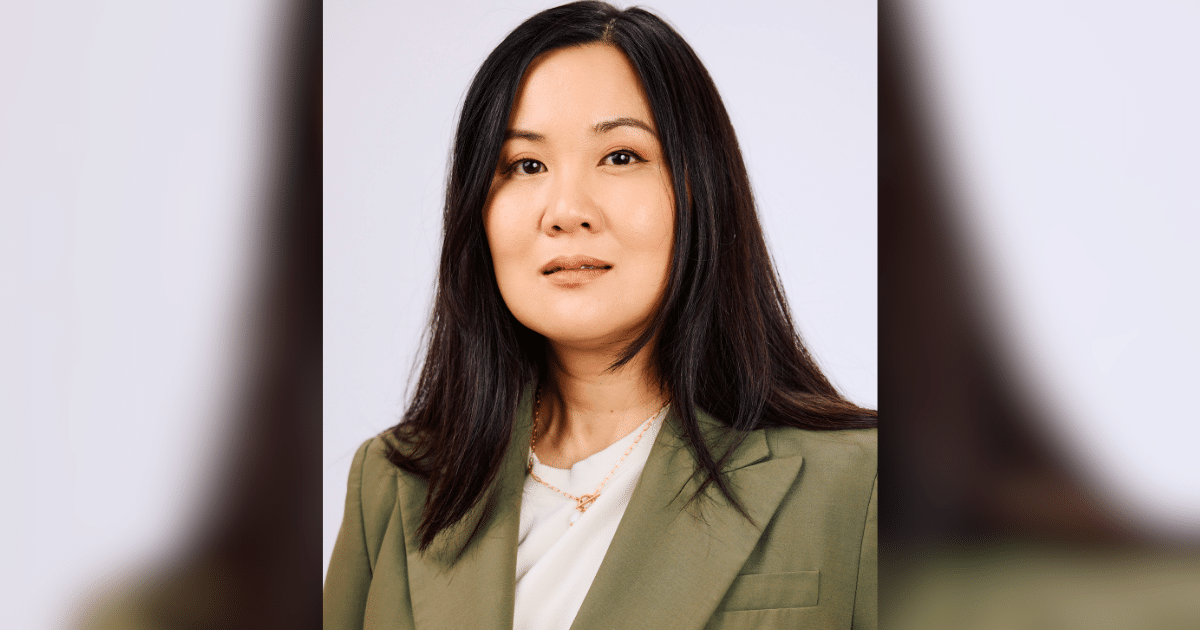
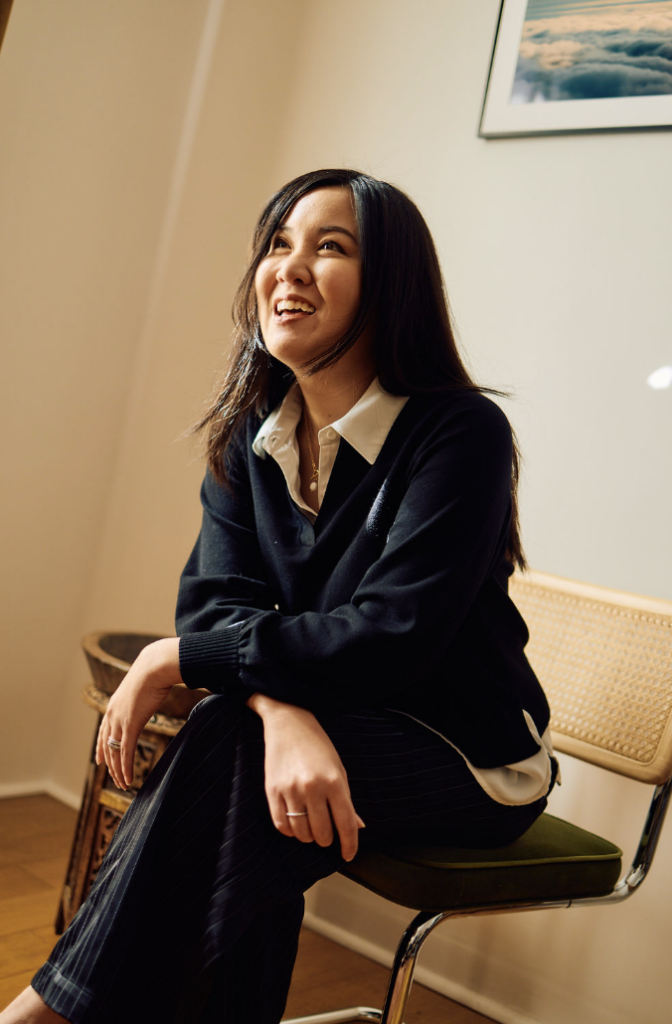
Today, Mylen runs Clique-Now, a Los Angeles-based talent management firm she founded in 2012. Her roster has grown to over 28 creators, most of them Asian American and Pacific Islander, with a collective following Mylen says now exceeds 120 million. She has been named a “Top Talent Manager” by Business Insider four times, received the SBA “Entrepreneur of the Year” award, and serves on the VidCon Hall of Fame selection committee for 2026. On the side, she founded Cropsticks, a sustainable bamboo utensil company she took to Shark Tank and placed in over 500 restaurants, retailers, hotels, and airlines worldwide.
The through line connecting all of it is not platform expertise or deal-making instinct. It is a management philosophy rooted in what she calls starting with the human. “At Clique-Now, before we do any business together, we have to understand what your mission is, what communities you care about, where you see your career going,” she says.
When the Classroom Became the Creator Economy
Before Clique-Now was her primary business, Mylen was a professor. She taught communication and entrepreneurship courses at Cal State LA, Loyola Marymount University, and UCLA Extension, where she regularly invited creators to speak to her students. The creators, she noticed, were drawn to her organizational approach.
“My first project was a movie in Hawaii,” she says of the moment her path shifted. “It was called “Man Up” featuring pioneer YouTubers, and I was just thrown into production.” The experience made the scope of what she was building clear. “I started realizing, ‘All right, this is becoming bigger than what I think it is. I had a front-row view into what creators can achieve at the intersection of creator-led content and traditional platforms.” In 2017, she stepped away from teaching to run Clique-Now full-time.
The parallel between the two careers, she says, only became visible in retrospect. Both require managing multiple stakeholders simultaneously, building structured systems around individuals, and above all, identifying potential that has not yet translated into outcomes. “The goal is to find the best in their students, have a student be seen and understood,” she says. Her director of talent, Andrew Dinh, also came from teaching. The coincidence, she now recognizes, was never one.
A System Built for Retirement, Not Just Revenue
Mylen’s management philosophy is codified in a framework she calls SEEDS: Start with the human, Engineer the system, Expand the ecosystem, Design to sustain, and Steward legacy.
Vision without infrastructure, she argues, collapses at the first obstacle. “Yes, you can have a mission, but if you don’t have a system around you where you’re creating content or producing with a schedule, that vision is just a dream in the air.”
Engineering the system means building the operational scaffolding a creator’s career runs on: posting cadence, deal pipelines, and team structure. Expanding the ecosystem means exploring IP licensing, book deals, and product lines. Design to sustain and steward legacy close the loop: structuring work so no single platform or revenue stream creates fragility, and ensuring creators return value to the communities that elevated them.
The framework sets the timeline most talent companies don’t mention. “I do my job if the creator can retire in their 60s and 70s,” she says.
What a 20-Page Brief Signals
When brands approach Clique-Now clients, Mylen says the red flag is usually visible before the campaign starts.
“Usually when a brand comes with a 20-page brief, a script that’s written out, and they tell their talent exactly what they want, the terms are very aggressive,” she says. Usage in perpetuity, exclusivity clauses, and creative control fully on the brand side: all of it signals a transactional mindset that rarely produces the best results for either party.
The more productive model is collaborative. “The talent, because they know their audience the best, has that free range, or at least have the bullet points, not a whole written-out brief of how they should talk to their audience.” The brief becomes direction, not a script. The creator’s voice remains intact.
The risk sharpens when culture is involved. Mylen describes situations where brands instructed AAPI creators on how to present their own heritage, producing content stripped of its roots. Intervening requires care. “If the brand is open to listening, that’s one of the most gratifying parts of my job,” she says.
Her decade-long relationship with Panda Express works, she argues, because the founding orientation was different. “They weren’t talking to us. It was, ‘How do we bring our American Chinese culture into more of your clients’ videos?’” When that question leads, she says, the partnerships tend to last.
The Affiliate Test
As social commerce accelerates, more creators are asking Mylen the same question: when should they build their own product? Her answer is consistently later, and more methodically, than most want to hear.
The mistake she sees most often is misreading audience size as purchase intent. “Creators think, ‘Oh, we can just throw any product out there, and because I have a huge following, they’re going to buy,’” she says. Without validation, that logic produces expensive failures. “Why invest $5,000 and then only sell five products?”
Her recommended path runs through affiliates first. If a creator can generate conversions on someone else’s product, the data provides a cleaner signal than any follower count. Manufacturing, logistics, fulfillment, and customer service all follow, each carrying reputational consequences that are more public for creators than for traditional retailers. “If your customer is not happy, it’s no longer just emails coming to you; it’s public comments,” she says.
Mylen speaks from personal experience. Beyond Clique-Now, she runs specialguest, a product development and fulfillment company, and founded Cropsticks. “I very well know how much capital and energy it takes,” she says.
Building Toward Something That Lasts
Fifteen years into the Creator Economy, Mylen’s most pointed observation is about what has not yet arrived.
She tracks a generational shift in what audiences actually want from creators. “The younger generation, they don’t want to be famous,” she says, contrasting the current moment with the fame-aspiration culture of a decade ago. What has replaced it, she argues, is a preference for authentic in-person connection, the kind that content production alone cannot manufacture.
“If the brand can meet the creator where they have that really engaged community, that’s the future,” she says. The implication for brand strategy is substantial: campaigns built on platform metrics are increasingly competing against smaller, high-trust community events that convert more reliably and build longer loyalty arcs.
For creators, the parallel argument leads to IP ownership. “Instead of chasing algorithms, creators need to build their own IP and own their audience again,” she says. The difference between a creator who posts indefinitely and one who can eventually step back is whether they own something licensable, something that generates value beyond their next upload.
Clique-Now, by design, has always worked toward that second scenario. Creator collab days, an annual Asian American Native Hawaiian and Pacific Islander gathering the week of VidCon, brand campaigns built on shared cultural mission rather than trending audio: the Hawaii ethos Mylen traces everything back to, showing up for each other before any transaction takes place, remains the operating model.
“We are still human-focused. We’re building businesses for the [creators] that care about it, and it sustains, and it becomes so successful that they’re able to give back to the communities that they started with,” she says. “That’s the Hawaii in me.”
Cover photo credit: Ron Tansingco
Subscribe to Our Newsletter
Check Out Our Podcast