

Strategy
Andrew Perlman’s Creator Economy Playbook: How Recurrent Ventures Turned M&A Into A Media Reinvention Engine

Andrew Perlman says he doesn’t chase headlines. He builds ecosystems. As co-founder and CEO of Recurrent Ventures, the Miami-based media company he helped launch in 2018, he has spent the past seven years quietly assembling one of the most diverse portfolios in modern digital publishing. What began with a single automotive acquisition has grown into a network spanning the lifestyle, home, outdoor, military, and science verticals, built on the conviction that the future of media lies in the fusion of creator culture and operational discipline.
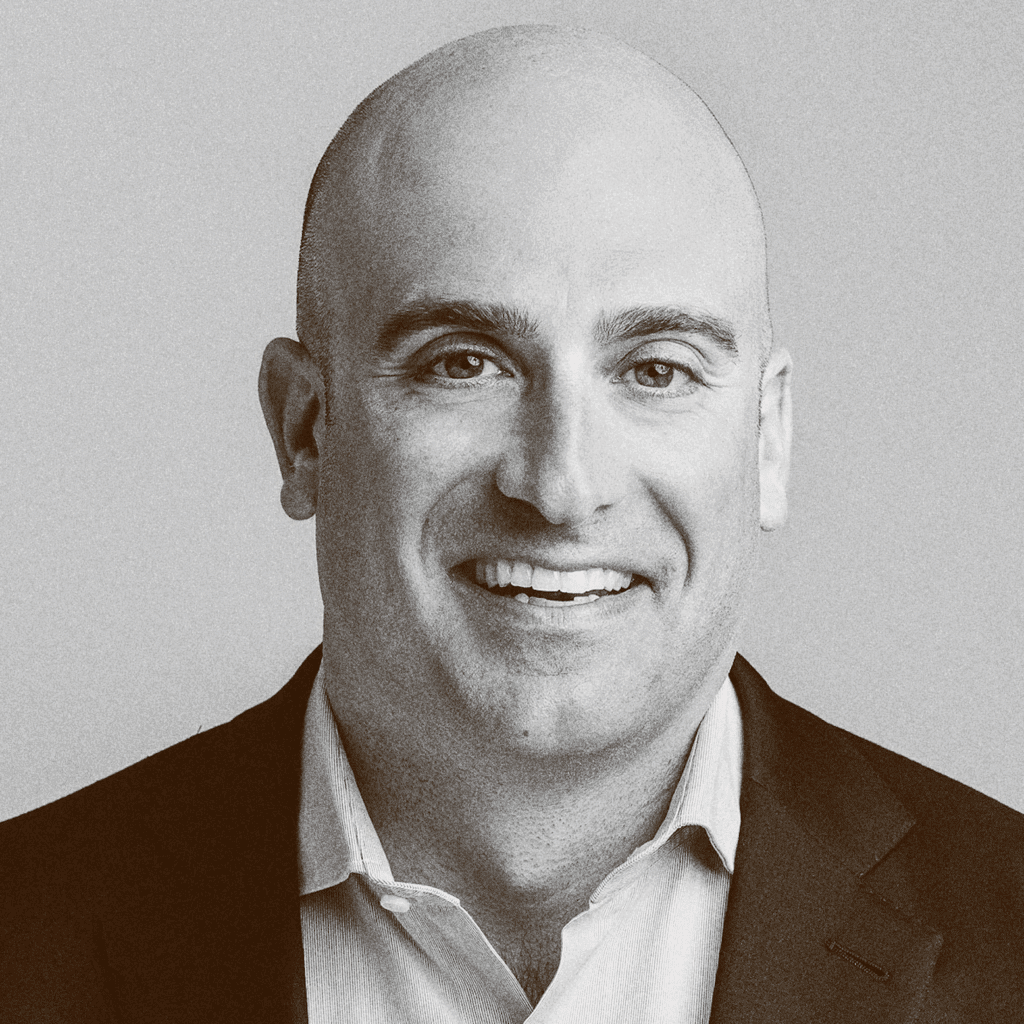
“I thought there was an opportunity to buy great brands,” Andrew says, reflecting on the early days. “If you had the great brand at the core of what you were doing, you’d have the optionality to create products, license the brand, even do live events.”
That premise became the cornerstone of Recurrent Ventures and a strategy that treats media mergers and acquisitions not as consolidation, but as a creative infrastructure play for the creator economy.
A Different Kind of Media Roll-Up
Recurrent’s first deal, the acquisition of “The Drive” from Time Inc., set the tone for everything that followed.
Founded in 2013 as one of YouTube’s earliest high-production automotive channels, “The Drive” had already bridged the gap between digital video and traditional journalism. “When you look back, it’s even more interesting now than it was at the time,” Andrew says. “‘The Drive’ was truly one of the first high-production-value automotive YouTube channels.”
From that foundation, Recurrent expanded through a series of 14 acquisitions, including “Donut Media,” “Popular Science,” “Outdoor Life,” “Dwell,” and “BobVila.com.”
The company’s structure resembles a portfolio of creator verticals rather than a traditional media group, each brand serving a passionate niche community, from auto enthusiasts to military audiences. “We don’t do broad news,” Andrew notes. “We’re very focused on specific content verticals, much in the way that creators focus on a specific topic”.
From Publishers to Creator Brands
Andrew’s strategy has always been less about rescuing print legacies and more about turning brands into creators. The turning point came in 2021, when Recurrent acquired “Donut Media,” one of the most beloved automotive entertainment channels on YouTube.
“Donut was unique, because it wasn’t a single creator. It was a cast,” Andrew explains. “Think about ‘Saturday Night Live.’ It wasn’t the Chevy Chase show; it was ‘Saturday Night Live.’” For him, that ensemble model represented the most sustainable path for building a scalable creator brand.
That insight would define his broader creator-economy thesis: “Great media brands could adopt the DNA of creator networks without relying on a single personality.”
Two years after returning as CEO, Andrew reaffirmed he was going in the right direction. “It was very clear to me that we had to double down on video and make our brands look more like creator-style businesses,” he says.
The Video Imperative
If there’s one phrase that encapsulates Andrew’s worldview, it’s this: Video is eating the world.
“You could see the way consumer behavior was changing,” he says. “People are consuming less text, more video. How do you become a participant in that?”
He points to a critical shift in viewing habits: connected TV has overtaken mobile as YouTube’s primary screen. “It’s not only that the video is eating everything,” Andrew says. “It’s that YouTube is now overtaking TV. Creator economy is everywhere, not just on your phone.”
At Recurrent, that shift informed a roadmap: video licensing, live events, and AI-driven product development. The company now leverages AI to catalog thousands of video clips across “Donut” and “The Drive,” surfacing moments that can be reused or remixed for new audiences.
“We’re using AI to build products faster, create better experiences, even mine our video library to bring back great moments,” Andrew explains.
The Live-Experience Flywheel
Recurrent’s bet on community-driven fandom extends far beyond screens.
In Los Angeles, “Donut Media” hosted an Initial D-themed event, with fans bringing more than 800 cars and over 2,000 attendees. “We put up on social media, ‘We drove every car from Initial D, come to the premiere,’” Andrew recalls. “That’s the essence of what makes our brands participants in the creator economy.”
The same energy translates into other verticals. The company’s Military Influencer Conference has become one of its fastest-growing experiential assets. “You can’t help but go to those events and be excited just by the energy,” he says. For Andrew, this is where Recurrent’s M&A strategy connects directly to the creator model, by transforming passive audiences into communities of participation.
“When you meet a fan, you make a fan for life,” he adds. “That concept is critical. It takes what you see on the screen and turns it into something deeper.”
Inside the Acquisition Playbook
At the core of Recurrent’s M&A discipline lies what Andrew calls the “T-shirt test.”
“Is this a brand that somebody would be excited to put on a T-shirt?” he says. “Traffic matters, audience matters, but the question is, ‘Do people feel a connection?’”
From there, the framework expands into three essentials: brand strength, people, and sustainability. “The product is people,” Andrew explains. “We’re not selling widgets. People have to be pumped about what they’re doing.”
A final criterion separates admiration from acquisition: independence from a single personality. “If it’s one person, that’s a very challenging thing to acquire,” he notes. “We met the guys from Donut in 2019, but they had one key host. Over time, they built a cast that made it sustainable. When the time was right, we could finally see it as a model that could scale”.
Post-Acquisition Integration
Recurrent’s integration philosophy is simple. “We never mess with the creative,” Andrew says. “That’s what made them valuable.” Instead, his focus is on everything behind the scenes: finance, sales, partnerships, and cross-portfolio leverage.
A striking example came when Nissan, originally an advertiser on “Outdoor Life,” later became a sponsor for “Donut Media.”
“Our sales team had a relationship that migrated across the whole portfolio,” he explains. “That’s how we use our relationships to improve the financial health of the brand so they can make bigger, better content.”
The company also leverages relationships with agencies like Creative Artists Agency (CAA) to expand opportunities in podcasting and licensing. “Those are the things that enhance value,” Andrew says. “But we’ve never told anyone, ‘This is the creative you need to do.’ That’s not us.”
Challenges in a Platform-Dependent World
Despite its growth, Andrew remains realistic about the risks ahead.
“Everything’s reliant on the platforms,” he says. “You see it in Google search, YouTube, TikTok, and Instagram. The algorithms change, and that volatility causes angst for everyone.”
Cultural and operational integration can also be difficult. “Some people just aren’t used to communicating within a bigger organization,” he admits. “Small issues can turn into bigger issues sometimes.”
Still, Andrew sees every adjustment as part of the process. “You always have to be looking around the corner for the next business-model change,” he emphasizes. “During COVID, things were really good, and we forgot that for a moment. You can’t ever assume what worked yesterday will work tomorrow.”
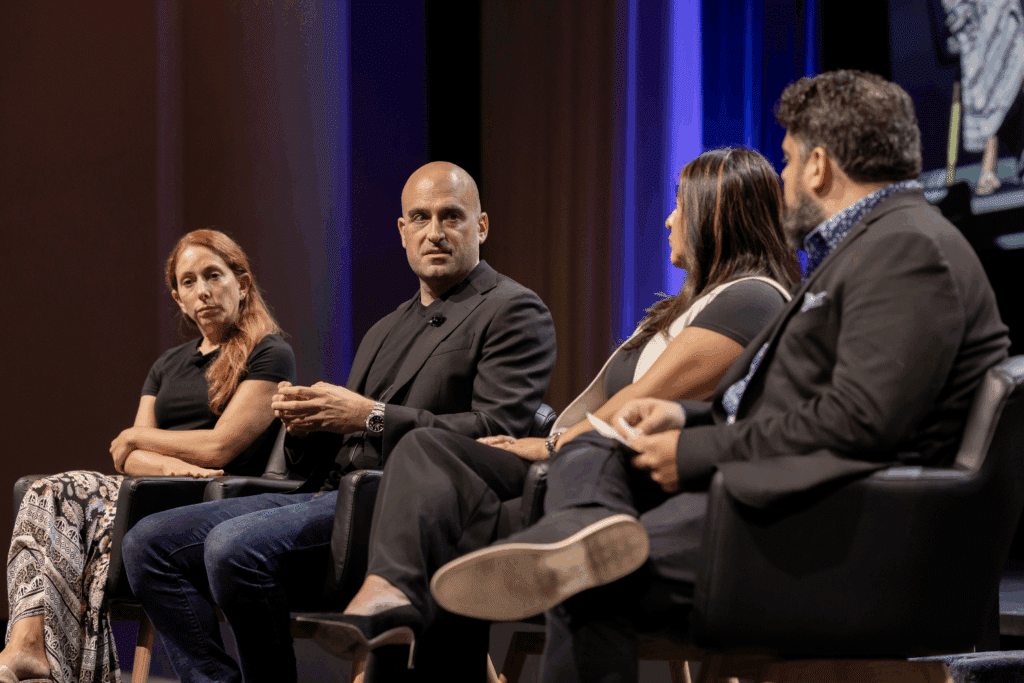
From Publishers to Creators, Again
Recurrent’s ability to transform existing brands into creator-driven businesses may be its most under-recognized success, according to Andrew.
One standout is “Task & Purpose,” a military news and lifestyle publication that Recurrent turned into a thriving YouTube channel. “That’s outperformed my wildest dreams,” Andrew says. “It started as a web brand, and now it’s doing phenomenally well on video.”
The secret, he adds, lies in understanding audience culture. “In the U.S., the veteran community is massive … tens of millions of people. Add in the geopolitical tailwinds and brands wanting to show pride in America, and you get huge momentum,” he explains. “On the revenue side, we’ve exceeded every financial metric I thought we could.”
The Road Ahead
Heading into 2026, Recurrent’s goals are clear: expand its video footprint, host nine live events for “Donut Media,” grow the Military Influencer Conference, and strengthen brand partnerships across its verticals.
“If we can do all those things,” Andrew says, “that’s a winning 2026.”
Long-term, he views Recurrent as a proving ground for a new kind of media infrastructure that combines the stability of traditional publishing with the agility of creator networks.
“Creators play a key role,” he says. “Even the people who are our staff writers – I consider them creators. In this world where content and community are both kings, they are the whole success of the business.”