




Tech
Dolphin, DealMaker Team Up to Help Creators Turn Audiences Into Investor Communities

Creators have proven they can launch products. Raising the money to build those businesses remains a much harder challenge.
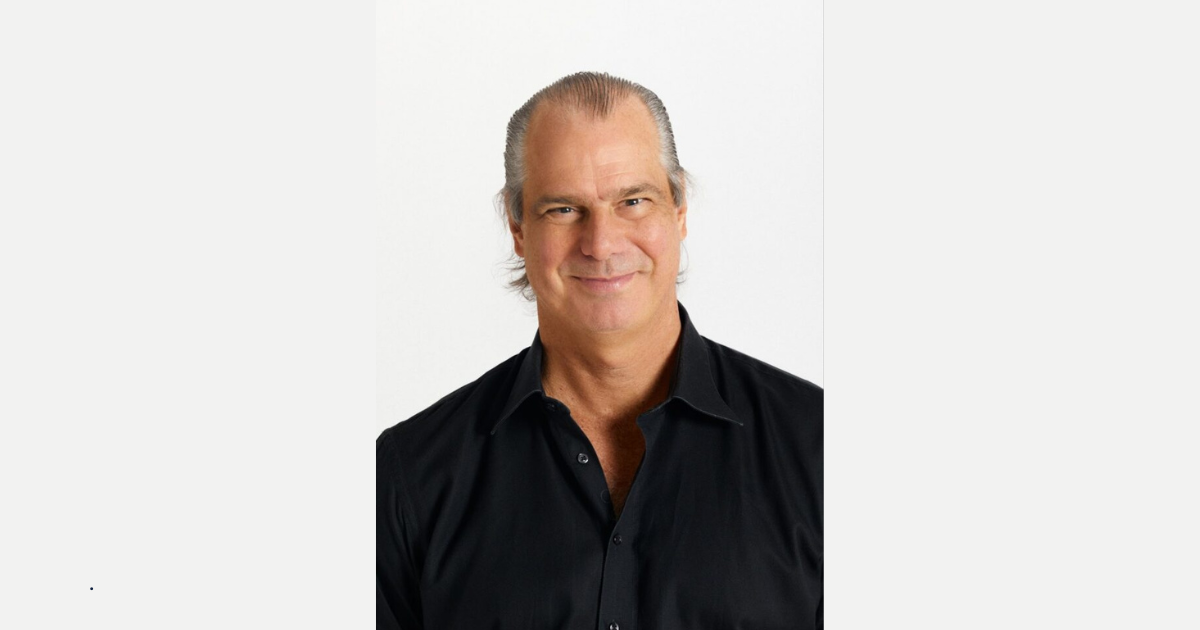
Bill O’Dowd, founder and CEO of Dolphin Entertainment Inc., believes the next phase of the Creator Economy will depend on solving that problem. His company’s new partnership with capital-raising platform DealMaker aims to do exactly that by combining marketing infrastructure with equity crowdfunding to help creators, celebrities, and athletes fund and scale consumer brands.
Founded in 1996, Dolphin operates as an entertainment marketing and production company with a portfolio that includes agencies such as 42West, The Door, Shore Fire Media, Elle Communications, Special Projects, and The Digital Dept. Together, these agencies work with brands and talent across film, television, music, fashion, hospitality, and the Creator Economy.
Through the new collaboration with DealMaker, Dolphin plans to expand its role from product promotion to product launch. The partnership pairs Dolphin’s marketing network and industry relationships with DealMaker’s fundraising infrastructure, which has facilitated more than $2.4 billion in capital raises for companies seeking to fund new ventures, according to the company.
“The most obvious thing that has changed is the whole invention of the Creator Economy,” Bill says. “When social media went mobile, people started spending hours a day on it, and what used to be mommy bloggers became influencers and creators. That created an entire economy.”
Yet, while digital platforms have transformed how products reach audiences, one challenge remains stubbornly familiar.
“When you want to launch a business or product, one of the hardest things to do, if not the hardest, is to find the money.”
The Persistent Funding Gap Behind Creator Brands
The expansion of the Creator Economy has lowered the barriers to marketing, but not necessarily to entrepreneurship.
According to Bill, creators can introduce products directly to their audiences through social media, often bypassing traditional advertising channels. That shift has encouraged more influencers, athletes, and celebrities to launch their own companies rather than simply promote someone else’s brand.
But turning an idea into a business still requires capital.
“You need two to five million dollars to launch a consumer product,” Bill explains. “A makeup line, a new tequila, whatever it may be. It’s still a few million dollars.”
For many creators, he notes that accessing that funding remains difficult.
Traditional venture capital firms review hundreds of pitches each year and invest in only a small percentage of them. Even creators with large audiences may struggle to secure the initial capital needed to manufacture products, build inventory, and distribute them beyond niche markets.
“If you said, ‘You have a great idea for a vitamin water.’ Great,” Bill says. “Now go get the three million dollars to launch it. Where?”
Scaling can require even more funding. “If it’s working about eighteen months later, you might need five or ten million more to take the product national,” he adds.
DealMaker allows companies to raise capital directly from investors through regulated offerings. The platform reports facilitating more than 1,000 fundraising campaigns and has become a major player in Regulation CF offerings, particularly for consumer companies seeking raises under $5 million.
“In the consumer product category, most of the time you need less than five million to start,” Bill says. “That’s exactly where [DealMaker] is dominant.”
By combining DealMaker’s fundraising infrastructure with Dolphin’s marketing network, the companies aim to address both sides of the startup equation.
“We’re solving the two challenges: raising capital and marketing the product,” Bill says.
From Brand Ambassador to Brand Founder
The Dolphin-DealMaker partnership addresses another notable shift in the Creator Economy: influencers increasingly want ownership of the businesses they promote.
“There’s a lot of excitement from celebrities, athletes, and influencers to own the product they’re marketing,” Bill says. “They don’t want to only take the paycheck and represent someone else’s product.”
While celebrity product ventures are not new (Bill points to Michael Jordan’s long-running sneaker empire), the rise of social platforms has expanded the number of brands that can realistically reach consumers.
“When I grew up in the 1980s and 1990s, there were maybe one-tenth the number of brands that could come to market,” he explains. “Back then, the only way to launch a product was paid advertising.”
Today, Bill notes, creators already possess something traditional entrepreneurs often lacked: a built-in audience. “With celebrities or influencers, you can market because you already have that audience.”
That shift has fueled a wave of creator-led brands across categories, including beauty, wellness, beverages, and fashion. But it has also changed how talent views brand partnerships, according to Bill.
For many creators, ownership offers a way to build longer-term financial stability beyond the unpredictable lifespan of social media careers.
“You hear people say, ‘I’ve been doing this eight years, and I’m burnt out,’” Bill says. “If you could launch a product that lets you keep your lifestyle without posting content every single day for the rest of your life, that’s extremely appealing.”
How the Partnership Works
Under the new model, Bill explains that opportunities will often originate from Dolphin’s network of creators, talent agencies, and entertainment partners.
Agents or managers may introduce a creator with an idea for a product, such as a cosmetics line or beverage brand. From there, Dolphin helps develop the concept into a business plan.
“We’d build a business plan together over four weeks,” Bill says. “We have to understand what the business is.”
Dolphin evaluates several factors before pursuing a project.
First is the product concept itself. “The quality of the idea matters first,” Bill explains. “Does it make sense that this person would be the ambassador for that product?”
Second is the marketing opportunity. In some cases, the creator’s audience provides a clear distribution advantage. In others, the product fills a market gap.
Finally, the company assesses whether the founder is willing to work with experienced operators. “Are they willing to let us work with them to develop a team of professionals that would run the business?” Bill says.
Once a concept is validated, DealMaker’s platform can be used to raise capital while Dolphin supports branding, promotion, and strategic partnerships.
Building the Infrastructure Around Creator Brands
Bill highlights Dolphin’s value proposition beyond marketing campaigns. Through its agency network, the company maintains relationships with corporate clients, including Crocs, H&M, and Keurig Dr Pepper, as well as distribution partners across various consumer categories.
“Our companies know how to get introductions made for the product to go in stores,” Bill says, adding that those connections can help close the gap between an online audience and real-world retail distribution for creators launching products.
Dolphin also assists in building operational teams around new ventures. “When these businesses need to hire CEOs or heads of sales, we know the people who could come in and run it,” Bill explains.
He believes such expertise can be particularly important for creators who have strong brand instincts but limited experience operating consumer product companies.
“In many cases, the influencer doesn’t know someone with a 15-year résumé in liquor distribution or consumer packaged goods,” Bill says.
Turning Fans Into Investor Communities
Another dimension of the partnership is the potential to involve audiences directly in funding creator brands.
DealMaker’s model centers on equity crowdfunding, allowing companies to raise capital through regulated online offerings where individuals can invest relatively small amounts.
For creators with engaged audiences, Bill believes that this dynamic could reshape how new businesses are financed. Instead of relying exclusively on venture capital or private investors, creators may be able to raise funds from their own communities.
“You’re allowed to do this every year,” Bill explains. “If the product succeeds, the next year you’re going to need to raise money again.”
Expanding Opportunity Across the Creator Economy
For Bill, the DealMaker partnership represents a way to unlock more entrepreneurial opportunities within entertainment and the Creator Economy.
Over the years, he says he has seen many promising ideas stall because the funding was not available. “The hardest thing in life is to say, ‘I love your idea, but we don’t have the time or the money to do it this year,’” he says.
By combining capital access with marketing and operational expertise, Dolphin hopes to help more of those ideas move forward. “What excites me most about this deal is that it allows us to raise money faster, cheaper, and do more deals each year,” Bill says.
“And that means giving more people a chance to launch the product they’ve always wanted to launch.”