Brand Safety has moved from a secondary concern to a board-level priority as creator marketing shifts from experimentation to enterprise infrastructure.
According to CreatorIQ’s research, 98% of brands now leverage creator content across multiple areas of their business, with creator-generated posts producing exponentially more reach and engagement than owned media. As thousands of independent voices amplify brand messages daily, the stakes around governance, suitability, and reputational risk have grown alongside performance expectations.
The research defines Brand Safety not as avoidance, but as a framework that protects reputation through risk mitigation, fit, and oversight. Yet confusion persists around what that framework actually entails. Is Brand Safety about control? Compliance? Alignment? Or something more strategic?
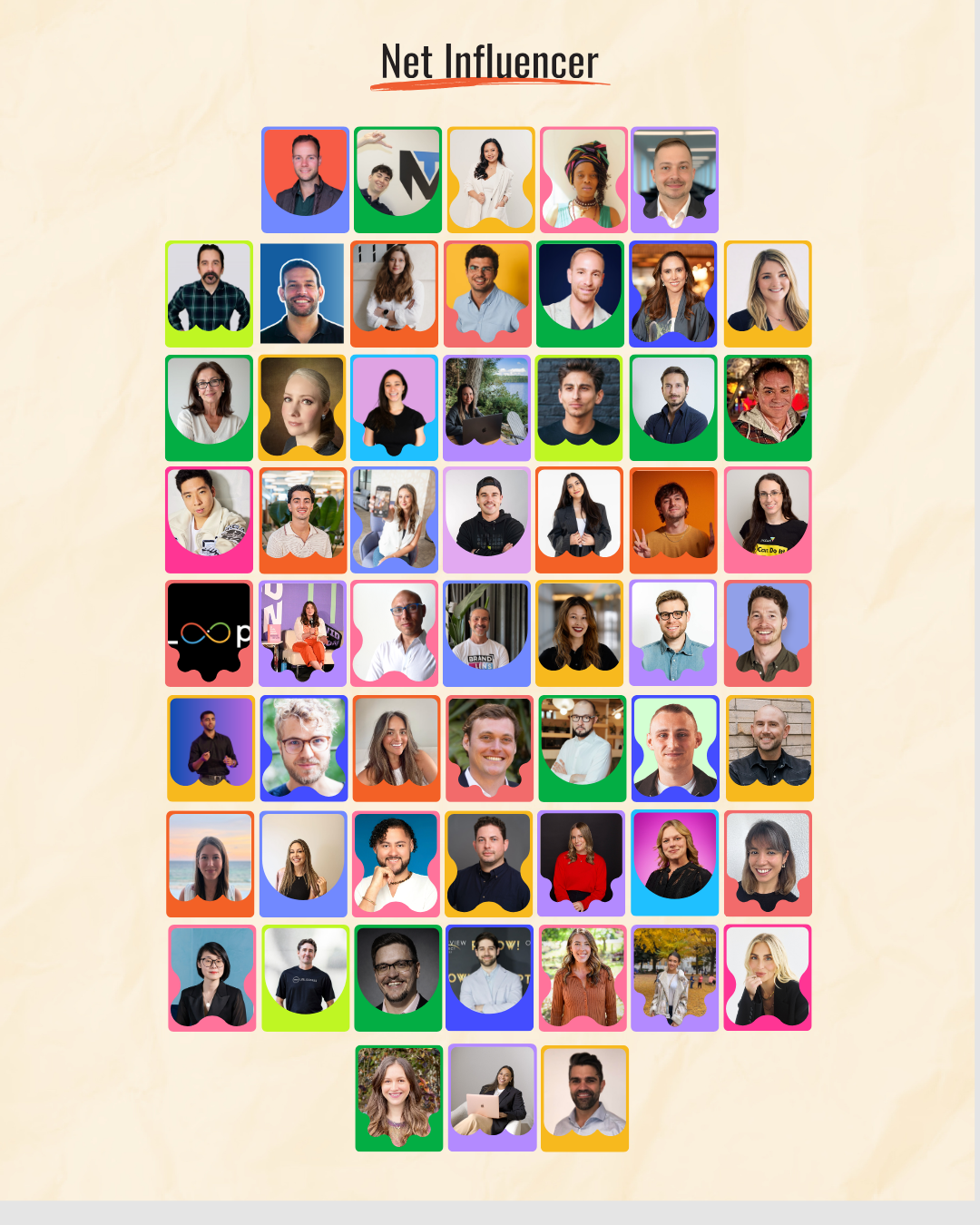
In this round table, 57 industry professionals weigh in on a central question: What do brands most misunderstand about Brand Safety in the Creator Economy, and how should they approach balancing risk, alignment, and performance moving forward?
The biggest misconception is that Brand Safety equals control. In reality, over-controlling creators often creates the very risk brands are trying to avoid: inauthenticity. Audiences are extremely sensitive to forced messaging. When something feels scripted or diluted, trust drops, and that is the real brand risk. Brand Safety in the Creator Economy should be reframed as trust alignment, not content restriction. The safest partnerships happen when values, tone, and audience expectations already match before the brief is written. No amount of post-production review can fix a misaligned partnership. Brands should move from reactive policing to proactive selection. Invest more time in choosing the right creators and less time rewriting their voice. Clear guardrails, yes. But within those guardrails, let creators operate in their native format and language. The balance comes from understanding that authenticity is not the opposite of safety. It is often the strongest form of it.
Many brands overcomplicate it: they think Brand Safety is either “full control” or “full risk.” And in creator marketing, it doesn’t work like that. What matters is simple: the creator and the content need to fit your brand. Not “the internet” in general, but your brand, your category, your market, and your moment. The second mistake is believing that the more restrictions you add, the safer it becomes. Usually the opposite happens: if you tighten too much, the creator loses naturalness and the content stops performing. Real safety comes from doing the basics well: choosing the right creators, setting clear boundaries, and executing with a professional process. How to balance it: Build safety before anything goes live: creator due diligence, content history review, alignment on tone and boundaries, and an approval flow for sensitive moments. Move from “avoid everything” to “define what matters”: clear red and yellow lines, plus freedom within the framework. A well-made do’s and don’ts list. Treat creators like premium partners: over time, risk goes down because trust and predictability go up. Have a real operating system: monitoring, documentation, contingency plans, and a crisis protocol. At TuManag3r, working with top-tier talent across 28+ markets, we see one reality: the safest campaigns aren’t the most restrictive ones, they’re the best-designed ones, with the right talent, the right context, and strong governance.
As a founder who has grown a creator business in a developing market, I’ve learned that Brand Safety is less about control and more about stewardship. Many brands misunderstand Brand Safety as something enforced through tighter scripts and heavier restrictions. In reality, the strongest protection comes from rigorous vetting, clear values alignment, and long-term partnerships built on trust. When creators feel respected and properly briefed, they naturally become more protective of the brands they work with. Over-regulation can actually weaken authenticity – and authenticity is what drives performance. For me, Brand Safety is a shared responsibility. Agencies must build disciplined processes. Brands must define non-negotiables clearly. Creators must understand the weight of their influence. When all three align, you don’t just minimize risk – you build resilient, sustainable partnerships.
The industry often treats Brand Safety as a legal or technical hurdle, but I believe it is fundamentally a strategy gap. When a brand lacks a clearly defined personality, intention, and communication framework, they default to managing creator partnerships through a purely financial lens. Without a strategic North Star, every creative risk feels like a liability. Conversely, a brand with a robust strategy knows exactly why they are in the room with a creator. They aren’t policing content; they are aligning on values. When the brand’s mission is clear and well-directed, the relationship shifts from one of “control” to one of “collaboration,” allowing for the very authenticity that drives ROI. Brand Safety isn’t about building higher fences; it’s about having a stronger internal compass. When your strategy is clear, your partnerships become intuitive rather than high-risk.
Most brands still treat Brand Safety like a filtering problem. Block bad words, avoid controversial topics, blacklist risky creators. That mindset comes from display advertising. But creator marketing is different. Creators are people, not placements. They have opinions, history, evolving narratives. Risk is contextual and dynamic, not binary. The biggest misunderstanding is thinking that safety means control. It doesn’t. Over-controlling kills authenticity, and authenticity is the entire reason creator marketing works. Brand Safety in the Creator Economy should be about intelligence, not restriction. Understand the creator’s history. Understand volatility patterns. Understand political exposure, cultural flashpoints, past controversies, and how audiences reacted. Then make informed decisions based on fit, not fear. The balance is this: protect the brand without sterilizing the creator. The brands that win will treat Brand Safety as risk-intelligence infrastructure, not a compliance checkbox.
Brand Safety in the Creator Economy is often misunderstood as a control mechanism, when in reality it should be viewed as an intelligence layer. While it can carry negative connotations, we see it as a framework that equips brands and agencies with real-time data, contextual insight, and scalable governance allowing authenticity to thrive within clear guardrails. The brands that win will balance risk mitigation with trust, using technology to inform smarter decisions rather than over-policing creative expression. Social is live, not static. Proactive, candid communication between brands and creators remains one of the most effective ways to mitigate risk.
The biggest misunderstanding is treating Brand Safety like a content moderation problem. Brands borrowed keyword blocklists and approval checklists from programmatic ads and applied them to creator marketing, where they completely miss the point. Over-controlling content to decrease perceived risk also kills the authenticity that makes a creator worth investing in. At that point, you’re just running an ad with a face on it. Real Brand Safety is a vetting problem, not an editing problem. A creator’s values, audience trust, track record, and how they show up professionally tell you everything you need to know before sealing the deal. Most brands still miss that creators aren’t fragile assets to be managed, they’re businesses with reputations of their own to protect. A creator with genuine skin in the game is far safer to partner with than one who just cashes checks. Vet obsessively upfront, then trust the creator to do their job. If you can’t, you picked wrong.
In gaming, there is a significant discrepancy between content-based and creator-based Brand Safety. Brands often stigmatize “shooting” in games as hazardous, yet comfortably advertise alongside James Bond. This stems from a misunderstanding of what constitutes actual violence versus mere gameplay mechanics – like in Fortnite. Furthermore, a conflict exists between the demand for authenticity and the desire for a manicured image. If content were purely sterile, it would lose its audience, as it would lack the human element – including mistakes, frustration, or occasional swearing. While avoiding substances is a no-brainer, brands must accept that adult creators will naturally behave like adults. In livestreaming, brands attempt to control scripts, but it is the raw, real-time reaction that attracts viewers. We must distinguish safety from sterility, as the latter castrates effectiveness. Rather than a “Brands vs. Influencers” dynamic, we need to push for partnership and genuine dialogue between the brand and creators. Less emails, more alignment meetings.
Brands still treat Brand Safety as a control problem, when it’s really a context and alignment problem. They assume more scripting, tighter control, or platform filters will eliminate risk. In reality, that often kills authenticity without actually protecting the brand. Safety isn’t binary, and platforms don’t replace human judgment or cultural awareness. The real misunderstanding is confusing Brand Safety with brand suitability. You can be “safe” and still be completely off-brand or tone-deaf. The right balance is: set clear guardrails, not scripts, choose creators based on values, not just reach, plan for scenarios instead of trying to avoid all risk, monitor continuously, not just pre-approve, strong brands don’t avoid risk, they manage it intelligently while preserving authenticity.
Statistically speaking, a brand’s internal social team, executives, PR team, etc. are more likely to get in hot water than a creator partnership. Which means the brand is the bigger risk in the relationship than the creator. That doesn’t mean you don’t do extensive vetting when you are working with creators (and technology + AI is incredibly good at this), but let’s remove this misconception that creators are a major risk to brands when brands are the bigger risk to themselves. It’s also worth noting that how you respond to a sticky situation is often more important than the issue itself. So spend as much time thinking about how you will address an unsafe moment as you do trying to avoid it.
Too many brands treat Brand Safety in the Creator Economy as a filtering exercise. It’s not. It’s a leadership and risk-management discipline. Yes, brands must screen creators for problematic content or misalignment with brand values. But creators are human, not media placements – unpredictability is part of the model. Expecting zero risk is unrealistic and often leads brands to choose overly “safe” creators who lack authenticity and impact. The smarter approach is to move beyond prevention toward preparedness: continuous monitoring, clear behavioral guidelines, strong contracts, and predefined crisis protocols that enable fast, proportionate responses. Brand Safety shouldn’t aim to eliminate risk; it should enable confident collaboration. The brands that win in the Creator Economy are not the ones avoiding risk entirely, but the ones equipped to manage it intelligently.
One of the biggest misconceptions about Brand Safety in the Creator Economy is that it’s synonymous with control. Brands sometimes assume minimizing risk means minimizing personality, but that often strips away the authenticity that makes creator partnerships effective in the first place. When a brand sees a person primarily as a distribution channel, “how much reach can I get here?”, then the influencer’s creativity, tone of voice, and point of view are often disregarded. And those traits should be the very reason why the brand selected them, and it’s why the influencer’s audience trusts them. If a creator regularly discusses politics, uses strong language, or leans more PG-13, that may align perfectly with some brands and not at all with others. The answer isn’t to force-fit them into a rigid box or dictate ultimate control of every aspect of their content and social presence. Don’t rely on taking full creative control to make the partnership work. Instead, choose the partners whose values naturally align in the first place.
Brand Safety in the Creator Economy isn’t a new problem – it’s an old problem with new visibility. What’s changed is the speed at which a misaligned partnership becomes a public moment. And what “misaligned” means has expanded. It’s no longer just explicit content or past scandals. It’s how a creator treats other creators. What your brand’s association with them signals – in real time, in a comment section, to an audience that will act on it – fast. After 15 years running creator programs, here’s what we’ve learned: the brands with the fewest incidents aren’t the ones with the most restrictive contracts. They’re the ones with the most rigorous vetting processes. Safety is built in the selection, not the brief. The contract protects you after something goes wrong. The right casting prevents it from going wrong in the first place. That’s a judgment call – not a compliance exercise. Brands should be thinking beyond the standard Brand Safety checklist when vetting creators.
Brand Safety is often treated as risk elimination. In the Creator Economy, the bigger risk is over-controlling the very thing that drives performance: trust. Brands sometimes misunderstand that safety doesn’t mean removing unpredictability. It means aligning with creators whose values, audience, and track record already reflect your standards. The strongest partnerships come from thoughtful vetting and long-term relationships, not rigid scripts or overly sanitized messaging. Creators build communities on authenticity. When brands over-engineer content in the name of safety, audiences feel it, and results suffer. The shift forward is from a control mindset to a context mindset:
Review historical content and consistency, not isolated moments.
Evaluate audience alignment and engagement quality.
Set clear guardrails, then allow creative freedom within them.
Brand Safety isn’t about driving risk to zero. It’s about structured trust. When you choose the right partners and create clarity upfront, safety and authenticity reinforce each other, and performance follows.
Creators have relationships with their audiences so nuanced, complex, and longstanding that brands can’t possibly understand using contextualization or flight check tools. For example, on the podcast “Behind the Bastards,” host Robert Evans gives a cheeky intro to his sponsors ahead of each ad break. Upon first glance (by way of ear … we need a word for that), brands might not love the lead-in. But my argument here is that it matches Evans’ relationship with his listeners so perfectly that it actually works in the brands’ favor over time.
Courtney Canfield, Influencer Marketing Consultant & Creative Strategist
I’d like to talk specifically about Brand Safety scores and the AI-powered tools used by influencer platforms to rate creators as “safe” or “risky” for partnerships: Lately I’ve seen brands conflating Brand Safety with brand comfort. Those AREN’T the same thing. As both a pet content creator and influencer marketer for 14 years, I’ve seen my own Brand Safety report. Posts about my dog’s seizure medication flagged as drug content. Education for creators about podcast scams flagged as fraud. The problem is, the creator never gets notified … they just stop getting offers. The creators most likely to get flagged aren’t doing something wrong. They’re sharing lived experiences, advocating for fair pay, talking openly about health or identity. AI Brand Safety tools read their advocacy as controversy and their honesty as a risk. When brands treat these scores as objective, they’re delegating their due diligence to an AI that is fallible. You can’t say you want authentic, values-driven creators while simultaneously penalizing creators for having values. The creators getting penalized by Brand Safety tools are the ones with a personality, a perspective, and a point of view. And brands are filtering them out, leaving the door wide open for creators who post Amazon hauls and never say anything that might make someone think.
Brand Safety is often treated like a control problem, but it is really a context and outcomes problem. Brands usually get three things wrong: they confuse safety with sameness, and over-editing strips out the credibility that makes creator work effective. They treat risk like a fixed list even though culture moves fast, so what matters more is track record, audience fit, and how issues are handled in real time. And they assume control creates confidence, when confidence actually comes from clear boundaries and measurable results. The better path is to set non-negotiables tied to values, legal, and category constraints, apply guardrails in proportion to the creator and format, and review what happened after the campaign so the playbook improves over time. The goal is not to script creators. The goal is to protect trust without killing performance.
Brand Safety has been framed for years as a defensive shield – something you use to avoid scandals. I think that’s outdated. In today’s Creator Economy, Brand Safety is actually a growth lever. The misconception is believing risk equals danger. Not all risk is negative. Some creators speak about complex topics – discrimination, social issues, even controversial conversations – in thoughtful, responsible ways. Automatically excluding them can mean missing highly engaged, values-driven communities. What brands need is clarity, not control. Instead of asking, “Can we eliminate risk?”, they should ask, “Do we understand this creator’s content and how their audience responds to it?” That’s why at Influencity we’ve launched Brand Safety and Influencer Sentiment analysis to flag sensitive topics and, just as importantly, analyze how positive or negative the audience reactions are. Because context is everything. The balance moving forward is about informed confidence: protecting the brand while still allowing authenticity and cultural relevance to thrive.
The fundamental friction in creator marketing is the instinct to “sanitize” content to eliminate risk. However, over-policing a creator’s voice creates a paradox: by stripping away the raw, unfiltered perspective that built their audience, brands effectively neutralize the very ROI they are paying for. Brands must pivot from a rigid “Brand Safety” mindset toward a more nuanced “Brand Suitability” framework. This means moving away from restrictive scripts and toward strategic alignment. By vetting creators for shared values upfront, brands can afford to grant creative autonomy. To succeed, marketers must provide high-level guardrails rather than firm controls – leaving the delivery, tone, and narrative to the expert (the creator) while accepting that a degree of calculated risk is the necessary price for true authenticity.
Creators know their audience best, yet brands often misunderstand Brand Safety as control rather than alignment. In trying to eliminate risk through over-policing, they strip out the authenticity that makes creator marketing work. True Brand Safety isn’t about rigid scripts or excessive approvals; it’s about choosing the right partners upfront and setting clear guardrails, not handcuffs. The strongest brands focus on values alignment, audience fit, and context, then trust creators to communicate in their native voice. When brands respect creators’ understanding of their own communities, Brand Safety and performance improve together. Risk doesn’t disappear with control; it shifts into irrelevance. Moving forward, brands should treat creators less like media placements and more like strategic partners, where transparency, mutual accountability, and long-term relationships create far more safety than micromanagement ever will.
Most brands confuse “Brand Safety” with “total control,” which leads them to over-edit creators until the work feels like an ad and underperforms. In the Creator Economy, safety has evolved from a binary “safe or unsafe” checklist into a spectrum of safety, suitability, and fit, where the real risk is often misalignment rather than controversy. Brands try to eliminate all risk at the briefing stage instead of defining clear guardrails, then trusting vetted creators to translate the message in their own language. The balance moving forward is simple: tighten your frameworks (pre-campaign vetting, disclosures, contracts, escalation plans) so you can loosen your grip on the creative. High-performing programs feel more like co-created editorial than sponsored posts, and the brands that win will be the ones that are comfortable being recognizably themselves inside the creator’s world, not the other way around.
As a creator and consultant, I see brands often misread Brand Safety as a need for total control, but it’s really about trust and alignment. Over-policing content can stifle the authenticity that makes creator partnerships successful. The best approach is balance: clear guidelines on core values and messaging, paired with freedom for creators to express their voice genuinely. When creators can be themselves, content resonates with audiences while staying true to the brand.
As TikTok Shop matures and enterprise brands take it seriously, they won’t trade brand equity for GMV and they shouldn’t have to. The biggest misconception is that Brand Safety and scale are in conflict. They’re not. The brands that win will treat Brand Safety as an operating system, not a reaction. That means building governance into three layers: who receives product (sample governance), what creators can say (brief governance), and what content gets amplified with paid spend (ads governance). Every creator sampled should meet brand alignment and performance thresholds before product ships. Every piece of content posted needs to be monitored. And since TikTok Shop is an ad-driven channel, nothing should run as a Spark Ad without a second review. It requires more hands-on management but unlocks the ability to scale performance while protecting your brand equity.
Brands often confuse Brand Safety with control. When content gets overly sanitized, you lose the creator’s voice as well as the trust they’ve built with their audience. People can feel when something is scripted or overly filtered, and when that happens, performance drops. The content might be “safe,” but it’s no longer effective. Of course brands should vet properly. Alignment matters, and so do shared values. Clear guardrails matter. But safety shouldn’t mean micromanaging every word. The brands that get it right focus on strong upfront vetting and clear expectations, and then they take a step back and allow the creator to work their magic. A creator who genuinely fits your brand is far less risky than one being forced into messaging that doesn’t sound like them. Moving forward, Brand Safety needs to feel more collaborative. Set the non-negotiables. Protect the brand. But trust creators to do what they do best.
It’s tough because I understand the enterprise restrictions that exist, but at the same time sometimes – it’s just not that deep. Not that serious. Sometimes, a certain video or concept might be perfect for the moment and not near as risky as the brand may perceive it to be. We’ve seen great concepts die because of how a customer might perceive it. And yes, sometimes things have been completely missed causing major uproar, but also … Wendy’s has said some insane stuff because again, it’s not that serious. You have to protect your brand and the perception around it, but if you’re trying to relate to the customer, then just open your own phone and scroll through social media and laugh a little bit. You’ll realize it’s mostly all a joke.
Many brands misunderstand Brand Safety as purely about avoiding risk – essentially keeping content “clean” or strictly controlled. But in the Creator Economy, that can actually backfire. True Brand Safety is about context and alignment: working with creators whose values match your brand, setting clear dealbreakers, but still giving them space to be themselves. It’s not about controlling every word or post. Brands need to focus on relevance and intent, not just avoiding controversy. A little uncertainty isn’t bad – it’s how campaigns feel authentic and connect with audiences. The trick is balancing trust and oversight, so you protect your reputation without killing creativity.
Brand Safety in the Creator Economy is often treated like risk elimination when it should be treated like context management. What brands misunderstand is that over-controlling creators in the name of safety can actually make the content less safe because it strips away authenticity. Audiences are incredibly sensitive to tone, especially when anything political happens. The second anything feels scripted or sanitized, trust drops, and trust is the real currency here. The goal should not be to remove all unpredictability; I think brands should partner with creators whose values already align with those of the brand and build clear guardrails together. Brand Safety is strongest when it starts with alignment, not restriction. Moving forward, brands need to think less about controlling the message and more about choosing the right messengers.
It’s noticeable on a campaign when a brand confuses “Brand Safety” with “brand control,” which is the first step in losing any authenticity when working with a content creator, and thus kills performance. Goes without saying Brand Safety should be a top concern, but the more you control the creative, talking points, script, look, feel, etc. when working with a content creator, you’re basically killing all the special sauce that makes that creator’s content sizzle. To balance these concerns, we advise brands to walk the line by providing enough structure to get the message out, but with enough slack to let the creator make the kind of content that would normally live on their feed, regardless if they were getting paid for it.
Brand Safety is important, but most brands dramatically overestimate the risk and underestimate the upside. In trying to control every word, frame, and emotion, they end up leaving massive engagement and authenticity on the table. The brands winning today are the ones willing to activate without over-engineering approvals and trusting real people to show up as themselves. We saw this firsthand with the Hershey’s Kisses video gifting activation. No content reviews. Over 30,000 customer-created videos. Deep emotional engagement. Huge success. “Brands MUST realize that their Brand includes customers, community, and creators. If they are afraid, that means they are already doing something wrong.” Safety shouldn’t kill participation. The right structure unlocks it.
The biggest misconception is that Brand Safety comes from controlling creator content. It doesn’t. It comes from choosing the right creators and setting clear expectations upfront. If you get that right, you don’t need to over-edit everything later.
Brands sometimes strive for Brand Safety by pushing control. Over-policing creators usually backfires because audiences can feel when the content isn’t “real”. True Brand Safety comes from alignment – working with creators who already share a brand’s values and understand the responsibility that comes with trust. Set clear guardrails, align on a concept and mutual revisions, and find that happy marriage.
Teams often can’t agree what Brand Safety is to them. There are easy answers, such as no hate speech, but outside of that they’re stumped. Profanity? Well for some creators it works, and the audience loves it. Before thinking Brand Safety, think brand identity. What do we stand for? What do we want to be known for? Then how does Brand Safety become a part of that?
Most brands think Brand Safety is about control. It’s not. It’s about selection. The biggest misconception in the Creator Economy is that tighter briefs and more approvals reduce risk. In reality, over-controlling creators often creates worse outcomes – generic content, low engagement, and partnerships that feel forced. The real Brand Safety work happens upfront: better vetting, clearer value alignment, defined red lines, and proper due diligence on past content and audience sentiment. From there, it’s about guardrails, not handcuffs. Set expectations. Agree on escalation protocols. Stay close to your top partners. But allow creators to sound like themselves – because authenticity is what protects performance. If you treat creators like rented media inventory, you’ll constantly feel exposed. If you treat them like long-term partners and invest in the relationship, both risk and volatility drop significantly over time.
In the Creator Economy, the biggest misconception among brands is that music can be treated as an afterthought. In reality, a single uncleared track can create immediate legal exposure and reputational risk. As copyright litigation accelerates, generative AI introduces new rights ambiguity, and brands scale content globally across social, streaming, paid media, and emerging platforms, music must be treated as both a creative driver and a core risk management decision. Risk cannot be managed on a case-by-case basis when content is being produced and distributed at scale. Brands need a structural solution, which means working with a music partner that exclusively owns and controls all rights and can provide global, perpetual clearance across platforms, formats, and territories from the outset. When rights ownership and cross-platform licensing are built into the foundation, brands can move at the speed of culture without compromising compliance.
Safe content tends to lead to invisible content. By stripping away a creator’s individual opinion to ensure 100% Brand Safety, they unintentionally remove the personality that makes the influencer effective in the first place. Over-regulated briefs kill the engagement they are paying for. Moving forward, instead of asking if this creator and/or brief is safe, start asking “Would our founder and our ideal customer both feel comfortable in this creator’s comment section?”
A major misconception is that Brand Safety ends once a campaign goes live. In today’s fragmented digital ecosystem, risk doesn’t just come from the creator, it often comes from how content is clipped, redistributed, or taken out of context. Brands should think about safety in three layers: alignment, execution, and distribution. Alignment means partnering with creators whose values and audience truly match the brand. Execution means clear expectations and transparent communication. Distribution means protecting content across platforms and monitoring for misuse, piracy, or unauthorized edits that can damage reputation. The balance moving forward isn’t about avoiding risk; it’s about building infrastructure around it. Brands that invest in monitoring, enforcement, and data-driven insights can confidently lean into creator partnerships without sacrificing reputation. In the Creator Economy, protection and performance must evolve together.
Sometimes brands blur the line between Brand Safety and alignment with the creator. Safety is about monitoring harmful and fake information, illegal schemes, fraud activity, and other reputational threats. Alignment is about being on the same page with influencers by matching in values, tone of voice, and cultural fit. A creator can be brand-safe in every aspect and still misaligned with brand identity. This doesn’t make an influencer “bad”. They’re simply not the right fit for the particular partnership. When launching campaigns with creators, it’s crucial to keep this difference in mind.
Brand Safety in the Creator Economy is often framed as control, tighter briefs, heavier approvals, more sign-off. In reality, the real work happens much earlier. The biggest misconception is that safety and authenticity are at odds. They are not. Most reputational issues stem from misalignment, not creative freedom. That is why rigorous vetting matters. At NewGen, we have invested in our own technology to assess historic content, language patterns, audience signals and contextual risk, so decisions are based on long-term behavior rather than surface-level metrics. If selection is right, much of the risk is addressed before content is even produced. From there, it is about clear guardrails, not micromanagement. Define red lines and objectives, then allow creators to interpret the brief in ways that feel native to their audience. Over-scripting can dilute authenticity and, in some cases, increase risk.
Brands often misunderstand Brand Safety by treating it as a manual exercise, reviewing every creator and every post as if risk can be eliminated entirely. In reality, that approach does not scale and it can even sideline the creators who drive the strongest performance. Today, AI and advanced data can automate search, filtering, and alignment across billions of data points. Brands do not need to manage every detail themselves. They need intelligent partners who can curate inventory, customize brand-sensitivity guidelines and match creators based not just on content, but on audience sentiment and outcomes. Brand Safety is about balancing trust with opportunity. The goal is not zero risk. It’s smart risk. That means designing guardrails, not handcuffs, when it comes to creator partnerships; protecting their reputation while empowering authentic voices. When safety is powered by data instead of fear, brands can confidently deploy dollars across the Creator Economy for maximum impact with minimum friction.
What brands often misunderstand about Brand Safety is that it’s not about controlling creators – it’s about choosing the right ones. Over-controlling content in the name of safety often removes the very authenticity that makes creator marketing work. The real risk isn’t creator unpredictability, it’s over-sanitized content that audiences don’t trust.
Most brands think control equals safety. That the safest partnerships will come from tightly scripted content, heavy approval processes, and creators who never express strong opinions. But ironically, that approach often produces content that feels inauthentic and performs poorly, which defeats the entire purpose of working with creators in the first place. The reality is this: Authenticity is not the enemy of Brand Safety. Poor alignment is. When brands choose creators who genuinely align with their values and audience, Brand Safety becomes much easier to manage. The biggest risks usually happen when brands partner with creators based on follower count instead of true audience fit and shared values.
Brand Safety matters, but within limits. Sometimes brands get so focused on being safe that they end up shaping the content in ways that change how it actually lands. At that point, you have to ask what we’re really protecting. The better question is what kind of risk we’re willing to stand behind. There’s a difference between misalignment and controversy. A creator with a strong personality or clear point of view isn’t inherently unsafe. In many cases, that’s exactly why their audience trusts them. What matters most is shared values, tone, lived experience, and a consistent track record that both the brand and the audience understand. Does the alignment work upfront? Put a clear crisis plan in place, and then let creators operate the way that made them credible to begin with. Guardrails are necessary, but over-control defeats the purpose.
The biggest misconception is that Brand Safety means brand control. Creators are influential because of their unique point of view, and the best audience engagement happens when they’re allowed to be themselves. Of course brands and creators need to be aligned on the creative, but too often brands forget why they hired a specific creator when they let talking points overshadow the voice that actually engages an audience. At Two West, we see the strongest results when both sides align on objectives upfront. Is the goal to engage a creator’s existing audience, or to produce content for the brand’s own paid channels? Those are fundamentally different briefs with different definitions of success. When both sides are clear on the objective, you don’t need excessive guardrails because expectations are already aligned. Brand Safety should be about choosing the right partners, communicating clearly, and trusting that the creator knows their audience better than anyone.
When it comes to safely vetting potential creators, brands may not recognize how patterns of behavior matter more than isolated moments. It’s vital to consider the context of controversial incidents, including the level of risk as it relates to campaign timing and the potential impact that extensive control can have on the program’s performance through over-analyzing and restricting authentic voices. For example, eliminating all influencers who have expressed any political views leaves you with cookie-cutter profiles that keep personal values private from their community, which can be counterintuitive to the deep engagement most brands are seeking. To find a balance, brands should define their non-negotiables, tolerable gray areas, and cultural zones they are comfortable playing within. Lastly, contracts between brands and creators should include morality clauses and defined content boundaries. Winning brands aren’t focused on eliminating risk, but rather defining and managing it with precision and intentionality.
The biggest misconception about Brand Safety in the Creator Economy is that a long, detailed brief is what protects you. It’s not. It’s what gets ignored. A short, clear brief with non-negotiables is more likely to be read and followed while leaving enough room for the creator to show up in a way that feels true to their voice, which is ultimately what drives engagement. But Brand Safety really starts at the selection stage. A little upfront sleuthing before signing creators saves budget and time in the long run. Vetting against a simple stoplight framework (green for fully aligned, yellow for borderline, red for misaligned) applied against a consistent set of brand values helps to ensure a good brand fit and reduces risk. Thoughtful creator selection and a tight brief. Together, they make Brand Safety less of a concern and more of a given.
I feel like “Brand Safety” is a term that can get thrown around without necessarily understanding what the content produced is actually about. Specifically when working with educational channels, if a creator is known to be critical of something, a brand being associated with that creator gives them more credibility, because the audience knows the creator does their homework (for example, if a brand has an AI feature and they work with a creator who’s been critical of AI, the audience knows that for the creator to promote them, the product has to be good). What I’ve seen is brands rejecting creators without really understanding their positioning or what their content is about. In the name of Brand Safety, brands can sometimes miss out on a very powerful endorsement – one that could come together with a bit of research, a call with the creator, and an open conversation. That’s the balance: not avoiding risk altogether, but doing the diligence to turn perceived risk into credibility.
Brand Safety is often framed as avoiding risk. From what we see across creator campaigns, that mindset is limiting. You are not buying static media. You are stepping into ongoing conversations between creators and their communities. The biggest misunderstanding is context. Automated tools flag keywords, but they do not interpret intent, history, or audience trust. A creator speaking about mental health or social issues may be flagged, yet those moments often build the deepest credibility with their audience. Harmful content is a clear boundary, but over-controlling tone or topic strips away the authenticity that drives performance. The balance comes from clarity and informed judgment. Define what truly does not align with your values, then assess creators holistically, using data and historical context alongside human review. The goal is not zero risk. It’s measured participation in the conversations they are choosing to join.
Brands keep trying to solve creator Brand Safety with more rules and more pre-approvals. That approach misses the point. The real job is choosing the right partners and managing the work like a system. Most misunderstandings come from three places. Brands assume tighter control equals safer outcomes, but audiences can tell when a creator’s voice has been flattened, and performance drops with it. They also rely on static keyword filters, even though the same phrase can be fine in one context and damaging in another. And they focus on what might go wrong before launch, instead of measuring what actually happened and using that learning to reduce risk next time. The better path is to set clear red lines, match the level of review to the risk, and treat creator work as a partnership with feedback loops. That is how you protect trust and still stay credible.
Brand Safety gets misunderstood as control. That’s the myth. A lot of brands think safety means scripting creators, sanitizing content, or avoiding anything unpredictable. But in the Creator Economy, over-controlling kills the very thing that makes it work: authenticity. The real issue isn’t that creators are unsafe. It’s that brands are applying old media frameworks to a new format. You can’t treat a livestream or creator community like a 30-second TV spot. Creator content is dynamic, community-driven, and built on trust. Forcing it into rigid brand boxes usually backfires. The balance comes from building smarter systems, not tighter scripts. Define guardrails. Align on tone and values upfront. Use technology to monitor risk in real time. Then let creators do what they do best. Brand Safety shouldn’t shrink the Creator Economy. Done right, it unlocks scale because trust goes both ways.
The biggest misconception brands have about Brand Safety is that they treat it as binary. It’s either safe or unsafe, approved or not approved. Risk or no risk. Green light or red light. The truth is that Brand Safety is a spectrum. What is brand safe for one brand is not the same for another. In the Creator Economy, authenticity requires a degree of personality, and personality carries some risk. The goal isn’t zero risk. It’s understanding your brand intimately enough to know what risks you are willing to take and what you aren’t. To do that quickly and at scale, brands need intelligent tools to be able to access the degree of brand safety in partnerships.
Most brands treat Brand Safety as a restrictive shield, but in 2026, being overly restrictive is a risk in itself. By imposing rigid control, you forfeit the raw authenticity required to tap into new audience subcultures. My advice is to move from total control to defined tolerance. Figure out what you can and cannot tolerate from a Brand Safety standpoint, and be willing to bend the rules where it makes sense. Take the Staples Baddie, an employee whose viral, unfiltered content featuring Staples products could have been viewed as an inherent legal risk. Rather than shutting her down to play it safe, Staples leaned into her authenticity, engaging via comments and exploring a formal collaboration. They have been praised on social media for encouraging her voice rather than silencing it and the love her audience feels for her has created a new fandom for the brand.
Sometimes tighter control can feel like greater safety, but in the Creator Economy, authenticity is what drives trust and performance. A common misunderstanding brands have is that content safety requires strict sanitization. However, when a creator’s content becomes overly sanitized and scripted, it can lose the very thing that makes it resonate with audiences. Brands should view Brand Safety not as eliminating all risk, but as strategic alignment. It’s about being thoughtful, choosing the right partners, setting clear guardrails, and then giving creators the flexibility to deliver in a way that feels natural and credible to their audience. If you pick the right creator and provide clear do’s, don’ts, and expectations upfront, you set yourself up for success without compromising the genuine connection. Content rooted in authenticity achieves.
Brands often misunderstand Brand Safety as total control, when in reality, authenticity is what drives trust in the Creator Economy. Trying to over-sanitize creator voices can dilute the very thing that makes audiences pay attention in the first place. The real balance lies in aligning with creators whose values already reflect your brand, rather than attempting to script or restrict them. When brands focus on value alignment instead of rigid control, they create space for authenticity while still protecting long-term equity.
It’s good for brands to remember that it’s not just about the creator themselves, it’s about the audience they reach. These are real people with flaws, who use strong language, who understand humor, who want to be entertained and understood, and who appreciate the creators they follow being real. While yes, brands should avoid those with extreme controversy who would be an obvious, immediate poor reflection of them, brands should be careful not to alienate creators that don’t fit a perfect mold. These days, brands and creators are equally scrutinized in terms of their values and choices, so it’s okay to humanize the way we look at Brand Safety to better represent the true level of risk.
I believe the biggest misconception is that safety equals control. If a brand is working on a large project, they should spend weeks vetting the creator to ensure their values and tone of voice align with the brand’s. For affiliate-based partnerships, it’s still important to vet the creator, but not as big of a risk. Allow the creator to have more flexibility to showcase your brand in an organic way. Established creators and their managers know their audiences well and the type of content that will resonate with them. Instead of asking, “Can we control every word?” brands should ask, “Does this creator’s values, audience, and positioning align with ours?” When the alignment is strong, you don’t need excessive control because the creator naturally speaks in a way that a brand would approve of. Shorter, simpler campaign briefs will show the creator that the brand trusts them. More vetting means less scripts and more trust. This usually leads to a great synergy between the two.
The biggest misconception about brand safety is that polished, aspirational creators are your safest bet. Actually, audiences are tuning that out. They’re prioritizing ‘people like me’ over unreachable celebrities because they want guidance that feels real and attainable. To balance safety and authenticity, brands need to embrace everyday voices. By leaning into genuine, community-driven content, you aren’t just mitigating risk—you’re building deeper, safer connections by fueling reality instead of selling an unattainable fantasy.
Nii A. Ahene is the founder and managing director of Net Influencer, a website dedicated to offering insights into the influencer marketing industry. Together with its newsletter, Influencer Weekly, Net Influencer provides news, commentary, and analysis of the events shaping the creator and influencer marketing space. Through interviews with startups, influencers, brands, and platforms, Nii and his team explore how influencer marketing is being effectively used to benefit businesses and personal brands alike.










Brand Safety has moved from a secondary concern to a board-level priority as creator marketing shifts from experimentation to enterprise infrastructure.
According to CreatorIQ’s research, 98% of brands now leverage creator content across multiple areas of their business, with creator-generated posts producing exponentially more reach and engagement than owned media. As thousands of independent voices amplify brand messages daily, the stakes around governance, suitability, and reputational risk have grown alongside performance expectations.
The research defines Brand Safety not as avoidance, but as a framework that protects reputation through risk mitigation, fit, and oversight. Yet confusion persists around what that framework actually entails. Is Brand Safety about control? Compliance? Alignment? Or something more strategic?
In this round table, 57 industry professionals weigh in on a central question: What do brands most misunderstand about Brand Safety in the Creator Economy, and how should they approach balancing risk, alignment, and performance moving forward?
Tobias Hoss, Chief Business Officer, Lunar X
The biggest misconception is that Brand Safety equals control. In reality, over-controlling creators often creates the very risk brands are trying to avoid: inauthenticity. Audiences are extremely sensitive to forced messaging. When something feels scripted or diluted, trust drops, and that is the real brand risk. Brand Safety in the Creator Economy should be reframed as trust alignment, not content restriction. The safest partnerships happen when values, tone, and audience expectations already match before the brief is written. No amount of post-production review can fix a misaligned partnership. Brands should move from reactive policing to proactive selection. Invest more time in choosing the right creators and less time rewriting their voice. Clear guardrails, yes. But within those guardrails, let creators operate in their native format and language. The balance comes from understanding that authenticity is not the opposite of safety. It is often the strongest form of it.
Vicente Mirasol, CEO, TuManag3r
Many brands overcomplicate it: they think Brand Safety is either “full control” or “full risk.” And in creator marketing, it doesn’t work like that. What matters is simple: the creator and the content need to fit your brand. Not “the internet” in general, but your brand, your category, your market, and your moment. The second mistake is believing that the more restrictions you add, the safer it becomes. Usually the opposite happens: if you tighten too much, the creator loses naturalness and the content stops performing. Real safety comes from doing the basics well: choosing the right creators, setting clear boundaries, and executing with a professional process. How to balance it: Build safety before anything goes live: creator due diligence, content history review, alignment on tone and boundaries, and an approval flow for sensitive moments. Move from “avoid everything” to “define what matters”: clear red and yellow lines, plus freedom within the framework. A well-made do’s and don’ts list. Treat creators like premium partners: over time, risk goes down because trust and predictability go up. Have a real operating system: monitoring, documentation, contingency plans, and a crisis protocol. At TuManag3r, working with top-tier talent across 28+ markets, we see one reality: the safest campaigns aren’t the most restrictive ones, they’re the best-designed ones, with the right talent, the right context, and strong governance.
Ace Gapuz, CEO, Blogapalooza Inc.
As a founder who has grown a creator business in a developing market, I’ve learned that Brand Safety is less about control and more about stewardship. Many brands misunderstand Brand Safety as something enforced through tighter scripts and heavier restrictions. In reality, the strongest protection comes from rigorous vetting, clear values alignment, and long-term partnerships built on trust. When creators feel respected and properly briefed, they naturally become more protective of the brands they work with. Over-regulation can actually weaken authenticity – and authenticity is what drives performance. For me, Brand Safety is a shared responsibility. Agencies must build disciplined processes. Brands must define non-negotiables clearly. Creators must understand the weight of their influence. When all three align, you don’t just minimize risk – you build resilient, sustainable partnerships.
Olive Madumo, Talent & Campaign Manager, Clicks Talent Agency
The industry often treats Brand Safety as a legal or technical hurdle, but I believe it is fundamentally a strategy gap. When a brand lacks a clearly defined personality, intention, and communication framework, they default to managing creator partnerships through a purely financial lens. Without a strategic North Star, every creative risk feels like a liability. Conversely, a brand with a robust strategy knows exactly why they are in the room with a creator. They aren’t policing content; they are aligning on values. When the brand’s mission is clear and well-directed, the relationship shifts from one of “control” to one of “collaboration,” allowing for the very authenticity that drives ROI. Brand Safety isn’t about building higher fences; it’s about having a stronger internal compass. When your strategy is clear, your partnerships become intuitive rather than high-risk.
Theo Ruzhynsky, Co-Founder, VwD
Most brands still treat Brand Safety like a filtering problem. Block bad words, avoid controversial topics, blacklist risky creators. That mindset comes from display advertising. But creator marketing is different. Creators are people, not placements. They have opinions, history, evolving narratives. Risk is contextual and dynamic, not binary. The biggest misunderstanding is thinking that safety means control. It doesn’t. Over-controlling kills authenticity, and authenticity is the entire reason creator marketing works. Brand Safety in the Creator Economy should be about intelligence, not restriction. Understand the creator’s history. Understand volatility patterns. Understand political exposure, cultural flashpoints, past controversies, and how audiences reacted. Then make informed decisions based on fit, not fear. The balance is this: protect the brand without sterilizing the creator. The brands that win will treat Brand Safety as risk-intelligence infrastructure, not a compliance checkbox.
Mark J. Mamone, CEO, VwD
Brand Safety in the Creator Economy is often misunderstood as a control mechanism, when in reality it should be viewed as an intelligence layer. While it can carry negative connotations, we see it as a framework that equips brands and agencies with real-time data, contextual insight, and scalable governance allowing authenticity to thrive within clear guardrails. The brands that win will balance risk mitigation with trust, using technology to inform smarter decisions rather than over-policing creative expression. Social is live, not static. Proactive, candid communication between brands and creators remains one of the most effective ways to mitigate risk.
Daniel Caldas, Founder, Caldas Ecom
The biggest misunderstanding is treating Brand Safety like a content moderation problem. Brands borrowed keyword blocklists and approval checklists from programmatic ads and applied them to creator marketing, where they completely miss the point. Over-controlling content to decrease perceived risk also kills the authenticity that makes a creator worth investing in. At that point, you’re just running an ad with a face on it. Real Brand Safety is a vetting problem, not an editing problem. A creator’s values, audience trust, track record, and how they show up professionally tell you everything you need to know before sealing the deal. Most brands still miss that creators aren’t fragile assets to be managed, they’re businesses with reputations of their own to protect. A creator with genuine skin in the game is far safer to partner with than one who just cashes checks. Vet obsessively upfront, then trust the creator to do their job. If you can’t, you picked wrong.
Wiktoria Wójcik, Co-Founder, inStreamly
In gaming, there is a significant discrepancy between content-based and creator-based Brand Safety. Brands often stigmatize “shooting” in games as hazardous, yet comfortably advertise alongside James Bond. This stems from a misunderstanding of what constitutes actual violence versus mere gameplay mechanics – like in Fortnite. Furthermore, a conflict exists between the demand for authenticity and the desire for a manicured image. If content were purely sterile, it would lose its audience, as it would lack the human element – including mistakes, frustration, or occasional swearing. While avoiding substances is a no-brainer, brands must accept that adult creators will naturally behave like adults. In livestreaming, brands attempt to control scripts, but it is the raw, real-time reaction that attracts viewers. We must distinguish safety from sterility, as the latter castrates effectiveness. Rather than a “Brands vs. Influencers” dynamic, we need to push for partnership and genuine dialogue between the brand and creators. Less emails, more alignment meetings.
Nicolas Bon, CEO, Clark Influence
Brands still treat Brand Safety as a control problem, when it’s really a context and alignment problem. They assume more scripting, tighter control, or platform filters will eliminate risk. In reality, that often kills authenticity without actually protecting the brand. Safety isn’t binary, and platforms don’t replace human judgment or cultural awareness. The real misunderstanding is confusing Brand Safety with brand suitability. You can be “safe” and still be completely off-brand or tone-deaf. The right balance is: set clear guardrails, not scripts, choose creators based on values, not just reach, plan for scenarios instead of trying to avoid all risk, monitor continuously, not just pre-approve, strong brands don’t avoid risk, they manage it intelligently while preserving authenticity.
Keith Bendes, Chief Strategy Officer, Linqia
Statistically speaking, a brand’s internal social team, executives, PR team, etc. are more likely to get in hot water than a creator partnership. Which means the brand is the bigger risk in the relationship than the creator. That doesn’t mean you don’t do extensive vetting when you are working with creators (and technology + AI is incredibly good at this), but let’s remove this misconception that creators are a major risk to brands when brands are the bigger risk to themselves. It’s also worth noting that how you respond to a sticky situation is often more important than the issue itself. So spend as much time thinking about how you will address an unsafe moment as you do trying to avoid it.
Natalia Serna, CEO, Goldfish
Too many brands treat Brand Safety in the Creator Economy as a filtering exercise. It’s not. It’s a leadership and risk-management discipline. Yes, brands must screen creators for problematic content or misalignment with brand values. But creators are human, not media placements – unpredictability is part of the model. Expecting zero risk is unrealistic and often leads brands to choose overly “safe” creators who lack authenticity and impact. The smarter approach is to move beyond prevention toward preparedness: continuous monitoring, clear behavioral guidelines, strong contracts, and predefined crisis protocols that enable fast, proportionate responses. Brand Safety shouldn’t aim to eliminate risk; it should enable confident collaboration. The brands that win in the Creator Economy are not the ones avoiding risk entirely, but the ones equipped to manage it intelligently.
Ashlie Finch, VP, Brand Strategy, The Digital Dept.
One of the biggest misconceptions about Brand Safety in the Creator Economy is that it’s synonymous with control. Brands sometimes assume minimizing risk means minimizing personality, but that often strips away the authenticity that makes creator partnerships effective in the first place. When a brand sees a person primarily as a distribution channel, “how much reach can I get here?”, then the influencer’s creativity, tone of voice, and point of view are often disregarded. And those traits should be the very reason why the brand selected them, and it’s why the influencer’s audience trusts them. If a creator regularly discusses politics, uses strong language, or leans more PG-13, that may align perfectly with some brands and not at all with others. The answer isn’t to force-fit them into a rigid box or dictate ultimate control of every aspect of their content and social presence. Don’t rely on taking full creative control to make the partnership work. Instead, choose the partners whose values naturally align in the first place.
Paula Bruno, CEO, Intuition Media Group
Brand Safety in the Creator Economy isn’t a new problem – it’s an old problem with new visibility. What’s changed is the speed at which a misaligned partnership becomes a public moment. And what “misaligned” means has expanded. It’s no longer just explicit content or past scandals. It’s how a creator treats other creators. What your brand’s association with them signals – in real time, in a comment section, to an audience that will act on it – fast. After 15 years running creator programs, here’s what we’ve learned: the brands with the fewest incidents aren’t the ones with the most restrictive contracts. They’re the ones with the most rigorous vetting processes. Safety is built in the selection, not the brief. The contract protects you after something goes wrong. The right casting prevents it from going wrong in the first place. That’s a judgment call – not a compliance exercise. Brands should be thinking beyond the standard Brand Safety checklist when vetting creators.
Sarah McNabb, Chief Marketing Officer, GigaStar
Brand Safety is often treated as risk elimination. In the Creator Economy, the bigger risk is over-controlling the very thing that drives performance: trust. Brands sometimes misunderstand that safety doesn’t mean removing unpredictability. It means aligning with creators whose values, audience, and track record already reflect your standards. The strongest partnerships come from thoughtful vetting and long-term relationships, not rigid scripts or overly sanitized messaging. Creators build communities on authenticity. When brands over-engineer content in the name of safety, audiences feel it, and results suffer. The shift forward is from a control mindset to a context mindset:
Brand Safety isn’t about driving risk to zero. It’s about structured trust. When you choose the right partners and create clarity upfront, safety and authenticity reinforce each other, and performance follows.
Arielle Nissenblatt, Founder, EarBuds Podcast Collective
Creators have relationships with their audiences so nuanced, complex, and longstanding that brands can’t possibly understand using contextualization or flight check tools. For example, on the podcast “Behind the Bastards,” host Robert Evans gives a cheeky intro to his sponsors ahead of each ad break. Upon first glance (by way of ear … we need a word for that), brands might not love the lead-in. But my argument here is that it matches Evans’ relationship with his listeners so perfectly that it actually works in the brands’ favor over time.
Courtney Canfield, Influencer Marketing Consultant & Creative Strategist
I’d like to talk specifically about Brand Safety scores and the AI-powered tools used by influencer platforms to rate creators as “safe” or “risky” for partnerships: Lately I’ve seen brands conflating Brand Safety with brand comfort. Those AREN’T the same thing. As both a pet content creator and influencer marketer for 14 years, I’ve seen my own Brand Safety report. Posts about my dog’s seizure medication flagged as drug content. Education for creators about podcast scams flagged as fraud. The problem is, the creator never gets notified … they just stop getting offers. The creators most likely to get flagged aren’t doing something wrong. They’re sharing lived experiences, advocating for fair pay, talking openly about health or identity. AI Brand Safety tools read their advocacy as controversy and their honesty as a risk. When brands treat these scores as objective, they’re delegating their due diligence to an AI that is fallible. You can’t say you want authentic, values-driven creators while simultaneously penalizing creators for having values. The creators getting penalized by Brand Safety tools are the ones with a personality, a perspective, and a point of view. And brands are filtering them out, leaving the door wide open for creators who post Amazon hauls and never say anything that might make someone think.
Yehuda Neuman, SVP of Influencer Marketing, PartnerCentric
Brand Safety is often treated like a control problem, but it is really a context and outcomes problem. Brands usually get three things wrong: they confuse safety with sameness, and over-editing strips out the credibility that makes creator work effective. They treat risk like a fixed list even though culture moves fast, so what matters more is track record, audience fit, and how issues are handled in real time. And they assume control creates confidence, when confidence actually comes from clear boundaries and measurable results. The better path is to set non-negotiables tied to values, legal, and category constraints, apply guardrails in proportion to the creator and format, and review what happened after the campaign so the playbook improves over time. The goal is not to script creators. The goal is to protect trust without killing performance.
Daniel Sánchez, Founder & CEO, Influencity
Brand Safety has been framed for years as a defensive shield – something you use to avoid scandals. I think that’s outdated. In today’s Creator Economy, Brand Safety is actually a growth lever. The misconception is believing risk equals danger. Not all risk is negative. Some creators speak about complex topics – discrimination, social issues, even controversial conversations – in thoughtful, responsible ways. Automatically excluding them can mean missing highly engaged, values-driven communities. What brands need is clarity, not control. Instead of asking, “Can we eliminate risk?”, they should ask, “Do we understand this creator’s content and how their audience responds to it?” That’s why at Influencity we’ve launched Brand Safety and Influencer Sentiment analysis to flag sensitive topics and, just as importantly, analyze how positive or negative the audience reactions are. Because context is everything. The balance moving forward is about informed confidence: protecting the brand while still allowing authenticity and cultural relevance to thrive.
Christopher Jackson, Founder/CEO, essentL Creators Corp.
The fundamental friction in creator marketing is the instinct to “sanitize” content to eliminate risk. However, over-policing a creator’s voice creates a paradox: by stripping away the raw, unfiltered perspective that built their audience, brands effectively neutralize the very ROI they are paying for. Brands must pivot from a rigid “Brand Safety” mindset toward a more nuanced “Brand Suitability” framework. This means moving away from restrictive scripts and toward strategic alignment. By vetting creators for shared values upfront, brands can afford to grant creative autonomy. To succeed, marketers must provide high-level guardrails rather than firm controls – leaving the delivery, tone, and narrative to the expert (the creator) while accepting that a degree of calculated risk is the necessary price for true authenticity.
Dylan Huey, CEO, REACH
Creators know their audience best, yet brands often misunderstand Brand Safety as control rather than alignment. In trying to eliminate risk through over-policing, they strip out the authenticity that makes creator marketing work. True Brand Safety isn’t about rigid scripts or excessive approvals; it’s about choosing the right partners upfront and setting clear guardrails, not handcuffs. The strongest brands focus on values alignment, audience fit, and context, then trust creators to communicate in their native voice. When brands respect creators’ understanding of their own communities, Brand Safety and performance improve together. Risk doesn’t disappear with control; it shifts into irrelevance. Moving forward, brands should treat creators less like media placements and more like strategic partners, where transparency, mutual accountability, and long-term relationships create far more safety than micromanagement ever will.
Vin Matano, Founder, Creatorbuzz
Most brands confuse “Brand Safety” with “total control,” which leads them to over-edit creators until the work feels like an ad and underperforms. In the Creator Economy, safety has evolved from a binary “safe or unsafe” checklist into a spectrum of safety, suitability, and fit, where the real risk is often misalignment rather than controversy. Brands try to eliminate all risk at the briefing stage instead of defining clear guardrails, then trusting vetted creators to translate the message in their own language. The balance moving forward is simple: tighten your frameworks (pre-campaign vetting, disclosures, contracts, escalation plans) so you can loosen your grip on the creative. High-performing programs feel more like co-created editorial than sponsored posts, and the brands that win will be the ones that are comfortable being recognizably themselves inside the creator’s world, not the other way around.
Libby Amber Shayo, Founder, Libby Amber Shayo Creative LLC
As a creator and consultant, I see brands often misread Brand Safety as a need for total control, but it’s really about trust and alignment. Over-policing content can stifle the authenticity that makes creator partnerships successful. The best approach is balance: clear guidelines on core values and messaging, paired with freedom for creators to express their voice genuinely. When creators can be themselves, content resonates with audiences while staying true to the brand.
Riley Cronin, President, Co-founder, ZeroTo1
As TikTok Shop matures and enterprise brands take it seriously, they won’t trade brand equity for GMV and they shouldn’t have to. The biggest misconception is that Brand Safety and scale are in conflict. They’re not. The brands that win will treat Brand Safety as an operating system, not a reaction. That means building governance into three layers: who receives product (sample governance), what creators can say (brief governance), and what content gets amplified with paid spend (ads governance). Every creator sampled should meet brand alignment and performance thresholds before product ships. Every piece of content posted needs to be monitored. And since TikTok Shop is an ad-driven channel, nothing should run as a Spark Ad without a second review. It requires more hands-on management but unlocks the ability to scale performance while protecting your brand equity.
Shirel Benji Yero, CEO & Founder, Creator Origin
Brands often confuse Brand Safety with control. When content gets overly sanitized, you lose the creator’s voice as well as the trust they’ve built with their audience. People can feel when something is scripted or overly filtered, and when that happens, performance drops. The content might be “safe,” but it’s no longer effective. Of course brands should vet properly. Alignment matters, and so do shared values. Clear guardrails matter. But safety shouldn’t mean micromanaging every word. The brands that get it right focus on strong upfront vetting and clear expectations, and then they take a step back and allow the creator to work their magic. A creator who genuinely fits your brand is far less risky than one being forced into messaging that doesn’t sound like them. Moving forward, Brand Safety needs to feel more collaborative. Set the non-negotiables. Protect the brand. But trust creators to do what they do best.
Wes Elder, CEO, Creatorspace
It’s tough because I understand the enterprise restrictions that exist, but at the same time sometimes – it’s just not that deep. Not that serious. Sometimes, a certain video or concept might be perfect for the moment and not near as risky as the brand may perceive it to be. We’ve seen great concepts die because of how a customer might perceive it. And yes, sometimes things have been completely missed causing major uproar, but also … Wendy’s has said some insane stuff because again, it’s not that serious. You have to protect your brand and the perception around it, but if you’re trying to relate to the customer, then just open your own phone and scroll through social media and laugh a little bit. You’ll realize it’s mostly all a joke.
Orad Eldar, VP Media, Moburst
Many brands misunderstand Brand Safety as purely about avoiding risk – essentially keeping content “clean” or strictly controlled. But in the Creator Economy, that can actually backfire. True Brand Safety is about context and alignment: working with creators whose values match your brand, setting clear dealbreakers, but still giving them space to be themselves. It’s not about controlling every word or post. Brands need to focus on relevance and intent, not just avoiding controversy. A little uncertainty isn’t bad – it’s how campaigns feel authentic and connect with audiences. The trick is balancing trust and oversight, so you protect your reputation without killing creativity.
Gigi Robinson, Founder, Hosts of Influence®
Brand Safety in the Creator Economy is often treated like risk elimination when it should be treated like context management. What brands misunderstand is that over-controlling creators in the name of safety can actually make the content less safe because it strips away authenticity. Audiences are incredibly sensitive to tone, especially when anything political happens. The second anything feels scripted or sanitized, trust drops, and trust is the real currency here. The goal should not be to remove all unpredictability; I think brands should partner with creators whose values already align with those of the brand and build clear guardrails together. Brand Safety is strongest when it starts with alignment, not restriction. Moving forward, brands need to think less about controlling the message and more about choosing the right messengers.
Eddie Pietzak, Sr. VP of Digital, CESD Talent
It’s noticeable on a campaign when a brand confuses “Brand Safety” with “brand control,” which is the first step in losing any authenticity when working with a content creator, and thus kills performance. Goes without saying Brand Safety should be a top concern, but the more you control the creative, talking points, script, look, feel, etc. when working with a content creator, you’re basically killing all the special sauce that makes that creator’s content sizzle. To balance these concerns, we advise brands to walk the line by providing enough structure to get the message out, but with enough slack to let the creator make the kind of content that would normally live on their feed, regardless if they were getting paid for it.
Vahag Karayan, Co-founder & CEO, BrandLens
Brand Safety is important, but most brands dramatically overestimate the risk and underestimate the upside. In trying to control every word, frame, and emotion, they end up leaving massive engagement and authenticity on the table. The brands winning today are the ones willing to activate without over-engineering approvals and trusting real people to show up as themselves. We saw this firsthand with the Hershey’s Kisses video gifting activation. No content reviews. Over 30,000 customer-created videos. Deep emotional engagement. Huge success. “Brands MUST realize that their Brand includes customers, community, and creators. If they are afraid, that means they are already doing something wrong.” Safety shouldn’t kill participation. The right structure unlocks it.
Victoria Walden, Head of Global Content & Partnerships, Popfly
The biggest misconception is that Brand Safety comes from controlling creator content. It doesn’t. It comes from choosing the right creators and setting clear expectations upfront. If you get that right, you don’t need to over-edit everything later.
Michael Curtis, CEO & Founder, Proud Management
Brands sometimes strive for Brand Safety by pushing control. Over-policing creators usually backfires because audiences can feel when the content isn’t “real”. True Brand Safety comes from alignment – working with creators who already share a brand’s values and understand the responsibility that comes with trust. Set clear guardrails, align on a concept and mutual revisions, and find that happy marriage.
Jake Kitchiner, Co-founder, ChannelCrawler
Teams often can’t agree what Brand Safety is to them. There are easy answers, such as no hate speech, but outside of that they’re stumped. Profanity? Well for some creators it works, and the audience loves it. Before thinking Brand Safety, think brand identity. What do we stand for? What do we want to be known for? Then how does Brand Safety become a part of that?
Sambhav Chadha, Director & Co-Founder, Augmentum Media
Most brands think Brand Safety is about control. It’s not. It’s about selection. The biggest misconception in the Creator Economy is that tighter briefs and more approvals reduce risk. In reality, over-controlling creators often creates worse outcomes – generic content, low engagement, and partnerships that feel forced. The real Brand Safety work happens upfront: better vetting, clearer value alignment, defined red lines, and proper due diligence on past content and audience sentiment. From there, it’s about guardrails, not handcuffs. Set expectations. Agree on escalation protocols. Stay close to your top partners. But allow creators to sound like themselves – because authenticity is what protects performance. If you treat creators like rented media inventory, you’ll constantly feel exposed. If you treat them like long-term partners and invest in the relationship, both risk and volatility drop significantly over time.
Emil Albihn Henriksson, VP, Head of Commercial Legal, Epidemic Sound
In the Creator Economy, the biggest misconception among brands is that music can be treated as an afterthought. In reality, a single uncleared track can create immediate legal exposure and reputational risk. As copyright litigation accelerates, generative AI introduces new rights ambiguity, and brands scale content globally across social, streaming, paid media, and emerging platforms, music must be treated as both a creative driver and a core risk management decision. Risk cannot be managed on a case-by-case basis when content is being produced and distributed at scale. Brands need a structural solution, which means working with a music partner that exclusively owns and controls all rights and can provide global, perpetual clearance across platforms, formats, and territories from the outset. When rights ownership and cross-platform licensing are built into the foundation, brands can move at the speed of culture without compromising compliance.
Amara Speas, Head of Talent, Shine Talent Group
Safe content tends to lead to invisible content. By stripping away a creator’s individual opinion to ensure 100% Brand Safety, they unintentionally remove the personality that makes the influencer effective in the first place. Over-regulated briefs kill the engagement they are paying for. Moving forward, instead of asking if this creator and/or brief is safe, start asking “Would our founder and our ideal customer both feel comfortable in this creator’s comment section?”
Max Eisendrath, Founder & CEO, Redflag AI
A major misconception is that Brand Safety ends once a campaign goes live. In today’s fragmented digital ecosystem, risk doesn’t just come from the creator, it often comes from how content is clipped, redistributed, or taken out of context. Brands should think about safety in three layers: alignment, execution, and distribution. Alignment means partnering with creators whose values and audience truly match the brand. Execution means clear expectations and transparent communication. Distribution means protecting content across platforms and monitoring for misuse, piracy, or unauthorized edits that can damage reputation. The balance moving forward isn’t about avoiding risk; it’s about building infrastructure around it. Brands that invest in monitoring, enforcement, and data-driven insights can confidently lean into creator partnerships without sacrificing reputation. In the Creator Economy, protection and performance must evolve together.
Michael Kuzminov, CEO, HypeFactory
Sometimes brands blur the line between Brand Safety and alignment with the creator. Safety is about monitoring harmful and fake information, illegal schemes, fraud activity, and other reputational threats. Alignment is about being on the same page with influencers by matching in values, tone of voice, and cultural fit. A creator can be brand-safe in every aspect and still misaligned with brand identity. This doesn’t make an influencer “bad”. They’re simply not the right fit for the particular partnership. When launching campaigns with creators, it’s crucial to keep this difference in mind.
Chris Parnell, Co-Founder and Chief Commercial Officer, NewGen
Brand Safety in the Creator Economy is often framed as control, tighter briefs, heavier approvals, more sign-off. In reality, the real work happens much earlier. The biggest misconception is that safety and authenticity are at odds. They are not. Most reputational issues stem from misalignment, not creative freedom. That is why rigorous vetting matters. At NewGen, we have invested in our own technology to assess historic content, language patterns, audience signals and contextual risk, so decisions are based on long-term behavior rather than surface-level metrics. If selection is right, much of the risk is addressed before content is even produced. From there, it is about clear guardrails, not micromanagement. Define red lines and objectives, then allow creators to interpret the brief in ways that feel native to their audience. Over-scripting can dilute authenticity and, in some cases, increase risk.
Scott Sutton, CEO, Later
Brands often misunderstand Brand Safety by treating it as a manual exercise, reviewing every creator and every post as if risk can be eliminated entirely. In reality, that approach does not scale and it can even sideline the creators who drive the strongest performance. Today, AI and advanced data can automate search, filtering, and alignment across billions of data points. Brands do not need to manage every detail themselves. They need intelligent partners who can curate inventory, customize brand-sensitivity guidelines and match creators based not just on content, but on audience sentiment and outcomes. Brand Safety is about balancing trust with opportunity. The goal is not zero risk. It’s smart risk. That means designing guardrails, not handcuffs, when it comes to creator partnerships; protecting their reputation while empowering authentic voices. When safety is powered by data instead of fear, brands can confidently deploy dollars across the Creator Economy for maximum impact with minimum friction.
Emily Brook, Sr. Marketing Manager, The Influencer Marketing Factory
What brands often misunderstand about Brand Safety is that it’s not about controlling creators – it’s about choosing the right ones. Over-controlling content in the name of safety often removes the very authenticity that makes creator marketing work. The real risk isn’t creator unpredictability, it’s over-sanitized content that audiences don’t trust.
Katelyn Rhoades, Founder, enfluence Marketing Studio, Host, “Call Her Creator”
Most brands think control equals safety. That the safest partnerships will come from tightly scripted content, heavy approval processes, and creators who never express strong opinions. But ironically, that approach often produces content that feels inauthentic and performs poorly, which defeats the entire purpose of working with creators in the first place. The reality is this: Authenticity is not the enemy of Brand Safety. Poor alignment is. When brands choose creators who genuinely align with their values and audience, Brand Safety becomes much easier to manage. The biggest risks usually happen when brands partner with creators based on follower count instead of true audience fit and shared values.
Gregory Curtis Jr., Director of Brand and Influencer Strategy, Empower Media
Brand Safety matters, but within limits. Sometimes brands get so focused on being safe that they end up shaping the content in ways that change how it actually lands. At that point, you have to ask what we’re really protecting. The better question is what kind of risk we’re willing to stand behind. There’s a difference between misalignment and controversy. A creator with a strong personality or clear point of view isn’t inherently unsafe. In many cases, that’s exactly why their audience trusts them. What matters most is shared values, tone, lived experience, and a consistent track record that both the brand and the audience understand. Does the alignment work upfront? Put a clear crisis plan in place, and then let creators operate the way that made them credible to begin with. Guardrails are necessary, but over-control defeats the purpose.
Adam Krasner, Founder & Talent Manager, Two West
The biggest misconception is that Brand Safety means brand control. Creators are influential because of their unique point of view, and the best audience engagement happens when they’re allowed to be themselves. Of course brands and creators need to be aligned on the creative, but too often brands forget why they hired a specific creator when they let talking points overshadow the voice that actually engages an audience. At Two West, we see the strongest results when both sides align on objectives upfront. Is the goal to engage a creator’s existing audience, or to produce content for the brand’s own paid channels? Those are fundamentally different briefs with different definitions of success. When both sides are clear on the objective, you don’t need excessive guardrails because expectations are already aligned. Brand Safety should be about choosing the right partners, communicating clearly, and trusting that the creator knows their audience better than anyone.
Jen Campbell, Account Director, Open Influence
When it comes to safely vetting potential creators, brands may not recognize how patterns of behavior matter more than isolated moments. It’s vital to consider the context of controversial incidents, including the level of risk as it relates to campaign timing and the potential impact that extensive control can have on the program’s performance through over-analyzing and restricting authentic voices. For example, eliminating all influencers who have expressed any political views leaves you with cookie-cutter profiles that keep personal values private from their community, which can be counterintuitive to the deep engagement most brands are seeking. To find a balance, brands should define their non-negotiables, tolerable gray areas, and cultural zones they are comfortable playing within. Lastly, contracts between brands and creators should include morality clauses and defined content boundaries. Winning brands aren’t focused on eliminating risk, but rather defining and managing it with precision and intentionality.
Beth Everhart, Managing Director, AntiSocial
The biggest misconception about Brand Safety in the Creator Economy is that a long, detailed brief is what protects you. It’s not. It’s what gets ignored. A short, clear brief with non-negotiables is more likely to be read and followed while leaving enough room for the creator to show up in a way that feels true to their voice, which is ultimately what drives engagement. But Brand Safety really starts at the selection stage. A little upfront sleuthing before signing creators saves budget and time in the long run. Vetting against a simple stoplight framework (green for fully aligned, yellow for borderline, red for misaligned) applied against a consistent set of brand values helps to ensure a good brand fit and reduces risk. Thoughtful creator selection and a tight brief. Together, they make Brand Safety less of a concern and more of a given.
Barbara Abraul, Head of Creator Partnerships, Good Story
I feel like “Brand Safety” is a term that can get thrown around without necessarily understanding what the content produced is actually about. Specifically when working with educational channels, if a creator is known to be critical of something, a brand being associated with that creator gives them more credibility, because the audience knows the creator does their homework (for example, if a brand has an AI feature and they work with a creator who’s been critical of AI, the audience knows that for the creator to promote them, the product has to be good). What I’ve seen is brands rejecting creators without really understanding their positioning or what their content is about. In the name of Brand Safety, brands can sometimes miss out on a very powerful endorsement – one that could come together with a bit of research, a call with the creator, and an open conversation. That’s the balance: not avoiding risk altogether, but doing the diligence to turn perceived risk into credibility.
Jenny Tsai, Founder and CEO, WeArisma
Brand Safety is often framed as avoiding risk. From what we see across creator campaigns, that mindset is limiting. You are not buying static media. You are stepping into ongoing conversations between creators and their communities. The biggest misunderstanding is context. Automated tools flag keywords, but they do not interpret intent, history, or audience trust. A creator speaking about mental health or social issues may be flagged, yet those moments often build the deepest credibility with their audience. Harmful content is a clear boundary, but over-controlling tone or topic strips away the authenticity that drives performance. The balance comes from clarity and informed judgment. Define what truly does not align with your values, then assess creators holistically, using data and historical context alongside human review. The goal is not zero risk. It’s measured participation in the conversations they are choosing to join.
Brian Klais, CEO & Co-founder, URLgenius
Brands keep trying to solve creator Brand Safety with more rules and more pre-approvals. That approach misses the point. The real job is choosing the right partners and managing the work like a system. Most misunderstandings come from three places. Brands assume tighter control equals safer outcomes, but audiences can tell when a creator’s voice has been flattened, and performance drops with it. They also rely on static keyword filters, even though the same phrase can be fine in one context and damaging in another. And they focus on what might go wrong before launch, instead of measuring what actually happened and using that learning to reduce risk next time. The better path is to set clear red lines, match the level of review to the risk, and treat creator work as a partnership with feedback loops. That is how you protect trust and still stay credible.
Alexander Guerrero, CEO, NexTide
Brand Safety gets misunderstood as control. That’s the myth. A lot of brands think safety means scripting creators, sanitizing content, or avoiding anything unpredictable. But in the Creator Economy, over-controlling kills the very thing that makes it work: authenticity. The real issue isn’t that creators are unsafe. It’s that brands are applying old media frameworks to a new format. You can’t treat a livestream or creator community like a 30-second TV spot. Creator content is dynamic, community-driven, and built on trust. Forcing it into rigid brand boxes usually backfires. The balance comes from building smarter systems, not tighter scripts. Define guardrails. Align on tone and values upfront. Use technology to monitor risk in real time. Then let creators do what they do best. Brand Safety shouldn’t shrink the Creator Economy. Done right, it unlocks scale because trust goes both ways.
Nicholas Spiro, Chief Commercial Officer, Viral Nation
The biggest misconception brands have about Brand Safety is that they treat it as binary. It’s either safe or unsafe, approved or not approved. Risk or no risk. Green light or red light. The truth is that Brand Safety is a spectrum. What is brand safe for one brand is not the same for another. In the Creator Economy, authenticity requires a degree of personality, and personality carries some risk. The goal isn’t zero risk. It’s understanding your brand intimately enough to know what risks you are willing to take and what you aren’t. To do that quickly and at scale, brands need intelligent tools to be able to access the degree of brand safety in partnerships.
Sarah Gerrish, Senior Director of Creator and Influencer, Movers+Shakers
Most brands treat Brand Safety as a restrictive shield, but in 2026, being overly restrictive is a risk in itself. By imposing rigid control, you forfeit the raw authenticity required to tap into new audience subcultures. My advice is to move from total control to defined tolerance. Figure out what you can and cannot tolerate from a Brand Safety standpoint, and be willing to bend the rules where it makes sense. Take the Staples Baddie, an employee whose viral, unfiltered content featuring Staples products could have been viewed as an inherent legal risk. Rather than shutting her down to play it safe, Staples leaned into her authenticity, engaging via comments and exploring a formal collaboration. They have been praised on social media for encouraging her voice rather than silencing it and the love her audience feels for her has created a new fandom for the brand.
Emily Salerno, Director, Campaign Management, Shorthand Studios
Sometimes tighter control can feel like greater safety, but in the Creator Economy, authenticity is what drives trust and performance. A common misunderstanding brands have is that content safety requires strict sanitization. However, when a creator’s content becomes overly sanitized and scripted, it can lose the very thing that makes it resonate with audiences. Brands should view Brand Safety not as eliminating all risk, but as strategic alignment. It’s about being thoughtful, choosing the right partners, setting clear guardrails, and then giving creators the flexibility to deliver in a way that feels natural and credible to their audience. If you pick the right creator and provide clear do’s, don’ts, and expectations upfront, you set yourself up for success without compromising the genuine connection. Content rooted in authenticity achieves.
Brittnee Barnes, CEO, Vybes
Brands often misunderstand Brand Safety as total control, when in reality, authenticity is what drives trust in the Creator Economy. Trying to over-sanitize creator voices can dilute the very thing that makes audiences pay attention in the first place. The real balance lies in aligning with creators whose values already reflect your brand, rather than attempting to script or restrict them. When brands focus on value alignment instead of rigid control, they create space for authenticity while still protecting long-term equity.
Brittani Kagan Ren, Partner & Head of Talent Partnerships, Portal A
It’s good for brands to remember that it’s not just about the creator themselves, it’s about the audience they reach. These are real people with flaws, who use strong language, who understand humor, who want to be entertained and understood, and who appreciate the creators they follow being real. While yes, brands should avoid those with extreme controversy who would be an obvious, immediate poor reflection of them, brands should be careful not to alienate creators that don’t fit a perfect mold. These days, brands and creators are equally scrutinized in terms of their values and choices, so it’s okay to humanize the way we look at Brand Safety to better represent the true level of risk.
Cailyn Medley, Founder, Vue Creator Management
I believe the biggest misconception is that safety equals control. If a brand is working on a large project, they should spend weeks vetting the creator to ensure their values and tone of voice align with the brand’s. For affiliate-based partnerships, it’s still important to vet the creator, but not as big of a risk. Allow the creator to have more flexibility to showcase your brand in an organic way. Established creators and their managers know their audiences well and the type of content that will resonate with them. Instead of asking, “Can we control every word?” brands should ask, “Does this creator’s values, audience, and positioning align with ours?” When the alignment is strong, you don’t need excessive control because the creator naturally speaks in a way that a brand would approve of. Shorter, simpler campaign briefs will show the creator that the brand trusts them. More vetting means less scripts and more trust. This usually leads to a great synergy between the two.
Michael Boccacino, Vice President of Marketing, Trusted Media Brands
The biggest misconception about brand safety is that polished, aspirational creators are your safest bet. Actually, audiences are tuning that out. They’re prioritizing ‘people like me’ over unreachable celebrities because they want guidance that feels real and attainable. To balance safety and authenticity, brands need to embrace everyday voices. By leaning into genuine, community-driven content, you aren’t just mitigating risk—you’re building deeper, safer connections by fueling reality instead of selling an unattainable fantasy.
Subscribe to Our Newsletter
Check Out Our Podcast